

Trading is not just about making money — it’s about keeping it.
Many traders step into the forex market with dreams of fast profits, only to discover that without proper risk management, success is short-lived. The golden rule “Risk less, trade longer” isn’t just a catchy phrase — it’s the foundation of a long, prosperous trading career.

In this comprehensive guide, we’ll break down what it truly means to minimize risk, how to build discipline, and why longevity in trading is more powerful than instant gains.
Understanding the Core of the Quote: “Risk Less, Trade Longer”
At first glance, the quote sounds simple — but it carries deep meaning.
To “risk less” doesn’t mean avoiding trades altogether. It means managing your exposure wisely, setting smart stop losses, and ensuring that one bad trade doesn’t wipe out your account.
Trading longevity is achieved when you prioritize capital preservation over greed. The goal isn’t to win every trade — it’s to stay in the game long enough to let your edge work.
Think of trading as a marathon, not a sprint. Would you rather sprint 100 meters and collapse, or run a steady marathon and reach the finish line strong?
The Psychology Behind Risk and Greed
Let’s be honest — greed is every trader’s worst enemy.
When you start chasing profits, your judgment becomes clouded. You increase your lot size, ignore your plan, and before you know it — boom! — your account balance takes a dive.
The fear of missing out (FOMO) also fuels bad decisions. You see a big move, jump in late, and then panic when the market turns. Managing risk means managing emotions first.
Smart traders treat every trade like a business decision, not a gamble. They ask, “What can I afford to lose?” before thinking about potential profits.
The Importance of Capital Preservation
Let’s face it: Without capital, you can’t trade.
That’s why protecting your account balance is your number one job.
The truth is, even the best trading strategies fail sometimes. But if you’ve managed your risk properly, those failures won’t destroy your account.
Capital preservation is like having a safety net under a tightrope walker. You can afford to take steps, knowing that one slip won’t end your journey.
Every professional trader understands that the first rule of trading is to avoid losing big. If you lose 50% of your account, you’ll need to make 100% just to break even. That’s not easy.
So, your mission is simple — keep losses small and manageable.
Why Most Traders Lose: The Risk Management Gap
Here’s a harsh truth — more than 80% of traders blow their accounts because of poor risk management.
They over-leverage, skip stop losses, or trade emotionally. The market punishes impatience and rewards discipline.
When you risk 10–20% of your account per trade, it only takes a few losing trades to hit rock bottom. But if you risk just 1–2%, you can withstand a losing streak and bounce back easily.
Trading is not about being right all the time. It’s about surviving long enough for probabilities to play in your favor.
The 1% Rule: Your Secret Weapon


The “1% Rule” is every smart trader’s best friend.
It means never risking more than 1% of your total account balance on a single trade.
Let’s break it down:
If you have $10,000, the maximum you should risk per trade is $100. That’s it.
It may sound small, but this approach keeps you in control — even during losing streaks.
By following the 1% rule, you give yourself enough breathing room to recover from bad trades. You also eliminate emotional stress because you know that one loss won’t end your journey.
How to Set the Perfect Stop Loss
Stop losses aren’t your enemy — they’re your best defense.
A stop loss acts as an automatic exit when the market goes against you. Without it, emotions take over, and losses spiral out of control.
To set an effective stop loss:
-
Base it on technical analysis, not emotions.
-
Place it beyond key support or resistance levels.
-
Adjust it according to market volatility — tighter in quiet markets, wider in volatile ones.
A stop loss should never be moved “just in case.”
Remember: Hope is not a strategy. If your trade hits the stop loss, accept it, learn from it, and move on.
The Power of Compounding Small Gains
When you risk less and trade smart, you might not see massive profits right away — and that’s perfectly fine.
The real magic lies in compounding.
Let’s say you make just 3% per month consistently. That’s over 40% per year! Slow, steady growth beats wild swings and emotional roller coasters.
Compounding turns small wins into big wealth — just like how a snowball grows as it rolls downhill.
Your trading account is no different. Consistency compounds faster than chaos.
The Dangers of Over-Leveraging
Leverage is a double-edged sword. It magnifies both profits and losses.
Many beginners fall into the trap of using high leverage, thinking it’s a shortcut to wealth. Unfortunately, it’s often a shortcut to destruction.
When you over-leverage, even a tiny market move against you can wipe out your account.
Professional traders use leverage conservatively. They know that survival in the market depends on stability, not aggression.
It’s better to take small, safe trades than to gamble big and pray for luck.
The Role of Patience and Discipline

Patience is the silent superpower of trading.
You don’t need to trade every day to make money — you just need to trade the right setups. Waiting for the perfect entry is like waiting for the right wave to surf. Jump too early, and you’ll crash.
Discipline, on the other hand, is what keeps you from sabotaging your progress.
It’s easy to say you’ll stick to your plan — until emotions kick in.
To trade longer, you must treat trading as a business, not a hobby or a thrill ride. Every decision must align with your long-term strategy.
Emotional Control: The Hidden Edge
You can have the best strategy in the world, but if your emotions control you — you’ll lose.
Fear, greed, revenge trading — these are the killers of success.
When you risk less, emotions automatically lose power. You’re calmer, more rational, and less likely to panic.
This emotional stability gives you a real edge because most traders lose control when things go wrong.
Think of emotions as waves — you can’t stop them, but you can learn to surf them. Control your reactions, and you’ll control your results.
Developing a Solid Trading Plan
A trading plan is your roadmap to success. Without it, you’re like a pilot flying without instruments.
Your plan should clearly outline:
-
Your entry and exit rules
-
Risk management strategy
-
Position sizing
-
Trading hours
-
Emotional guidelines
Following a trading plan keeps you consistent and helps you avoid impulsive decisions.
Remember: If you fail to plan, you plan to fail.
A strong trading plan transforms chaos into clarity — and clarity is what keeps traders alive in the market.
Learning from Losses Instead of Fearing Them


No trader wins 100% of the time. Losses are part of the journey.
But what separates professionals from amateurs is how they react to losing.
When you risk less, a loss becomes a lesson, not a disaster.
You can analyze what went wrong, refine your strategy, and come back stronger.
Losses are feedback — not failure.
Each one teaches you something valuable about yourself and your system. Embrace them, and you’ll grow faster than traders who quit after a few setbacks.
The Power of Risk-Reward Ratios
If you risk $100 to make $300, your risk-to-reward ratio is 1:3.
This means you can lose twice and still come out profitable on the third trade.
Successful traders always aim for trades where the potential reward outweighs the risk.
A good ratio builds confidence and allows you to be wrong more often while still staying profitable.
Trading isn’t about winning every time — it’s about winning big when you do.
The Importance of Staying Educated
Markets evolve constantly. What worked last year might not work today.
That’s why lifelong learning is key to trading longevity.
Follow reliable analysis sources, read market reports, and practice with demo accounts.
Education protects you from outdated tactics and keeps you sharp in changing conditions.
When you commit to learning, you naturally begin to risk less because your decisions are based on logic, not emotion or guesswork.
Diversification: Don’t Put All Eggs in One Basket
Never depend on one pair or one strategy.
Diversifying spreads your risk across multiple assets, reducing the chance of a single bad trade ruining your account.
For example, you can trade both forex and commodities, or mix swing trades with long-term positions.
The goal is to build balance — not to bet everything on one idea.
Diversity adds strength and stability to your trading portfolio.
The Myth of High-Risk, High-Reward

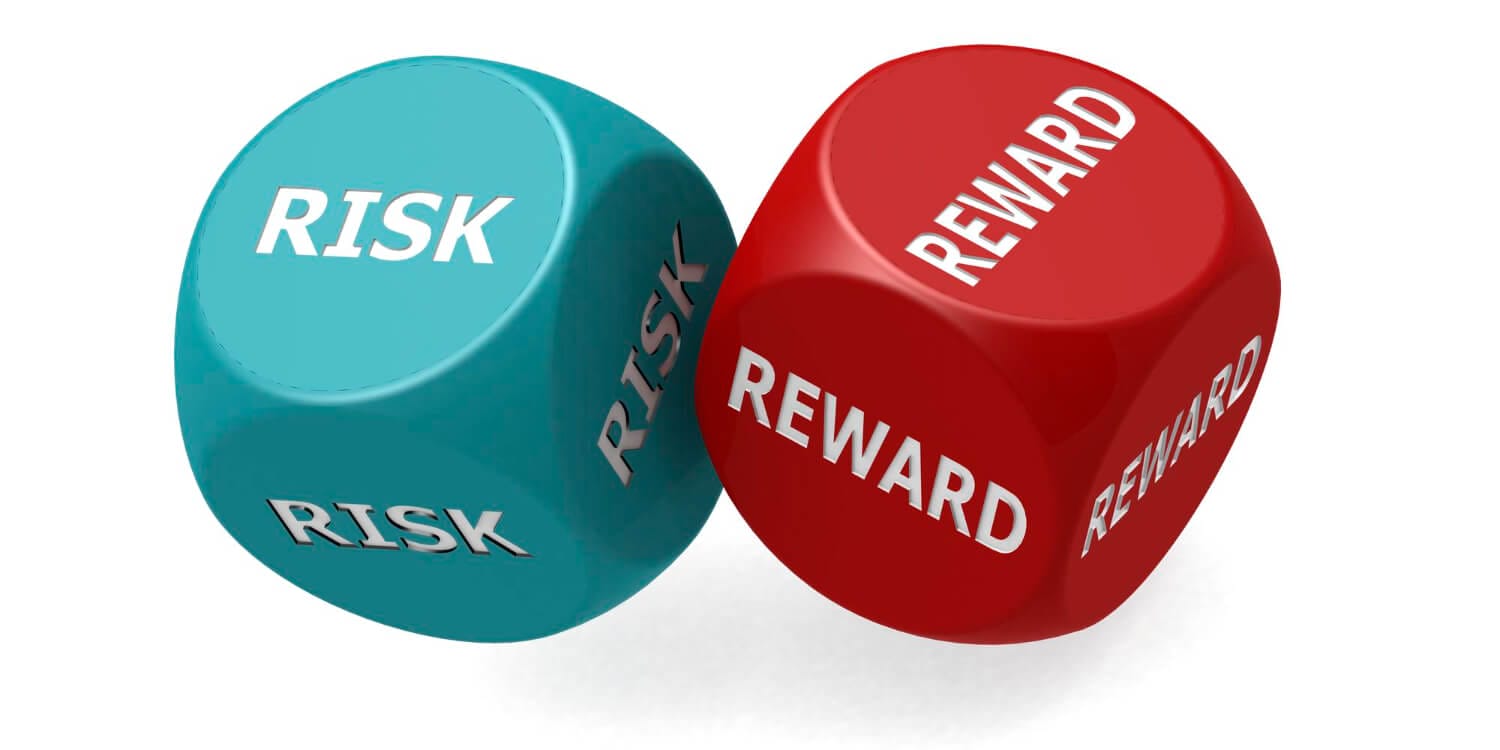
We’ve all heard it: “No risk, no reward.”
But in trading, that’s misleading.
Yes, you need to take risks to earn profits — but not reckless risks.
The most successful traders aren’t gamblers; they’re risk managers. They find setups with low risk and high probability outcomes.
Instead of chasing big wins, they focus on smart wins.
Remember — your goal isn’t to prove you’re brave, it’s to stay profitable.
The Long-Term Trader’s Mindset
Longevity in trading requires a mindset shift.
Stop thinking about how much you can make today — and start thinking about how you can still be trading five years from now.
When you risk less, you build sustainability.
You gain experience, confidence, and the ability to handle any market condition.
In the long run, it’s not about the number of trades you take — it’s about how many you survive.
Risk Less, Trade Longer: The Strategy in Action
Let’s see this in action.
Imagine two traders:
-
Trader A risks 10% per trade and doubles his account in a week — then blows it all the next month.
-
Trader B risks 1% per trade, grows slowly, and compounds over years.
Who’s the real winner? Trader B.
Because while Trader A burns out, Trader B builds wealth and experience.
That’s the power of risking less and trading longer — sustainable success.
How to Build a Long-Term Trading Routine
Routine builds consistency, and consistency builds longevity.
Set fixed trading hours, review your trades daily, and record everything in a journal.
Your trading journal is your mirror — it shows your strengths and weaknesses.
By reviewing your trades regularly, you’ll identify patterns, refine your strategies, and avoid repeating mistakes.
A disciplined routine keeps emotions in check and turns trading into a professional habit, not a random activity.
Technology and Tools That Help You Trade Safely
Modern trading platforms provide tools like stop-loss automation, risk calculators, and account protection features.
Use them. They exist to make your life easier and your trading safer.

Also, use indicators and alerts wisely — not to predict the market, but to manage trades effectively.
Technology is your ally, not your crutch. Combine smart tools with smarter discipline, and you’ll have the perfect mix for long-term success.
Conclusion
Trading isn’t about chasing quick riches — it’s about lasting long enough to achieve them.
When you risk less, you buy yourself time — time to learn, time to recover, and time to grow your capital steadily.
Remember this: markets will always fluctuate, but discipline, patience, and smart risk management never go out of style.
“Risk less, trade longer” isn’t just a quote — it’s a survival guide for every trader who dreams of financial freedom.
FAQs
1. What does “Risk less, trade longer” mean in forex trading?
It means managing your trades wisely so that your losses are small and sustainable. The idea is to protect your capital so you can continue trading and growing over time.
2. How much should I risk per trade?
Most professional traders recommend risking no more than 1–2% of your total account balance per trade. This keeps your account safe during losing streaks.
3. Is using high leverage a bad idea?
Yes, especially for beginners. High leverage increases both potential profits and potential losses. It’s one of the fastest ways to blow up an account if not used wisely.
4. Can small, consistent profits really make a difference?
Absolutely! Through compounding, even small monthly gains can grow into massive returns over time. Slow and steady truly wins the trading race.
5. What’s the best way to stay disciplined in trading?
Create a solid trading plan, follow it strictly, and keep a trading journal. Review your performance regularly and learn from both wins and losses.