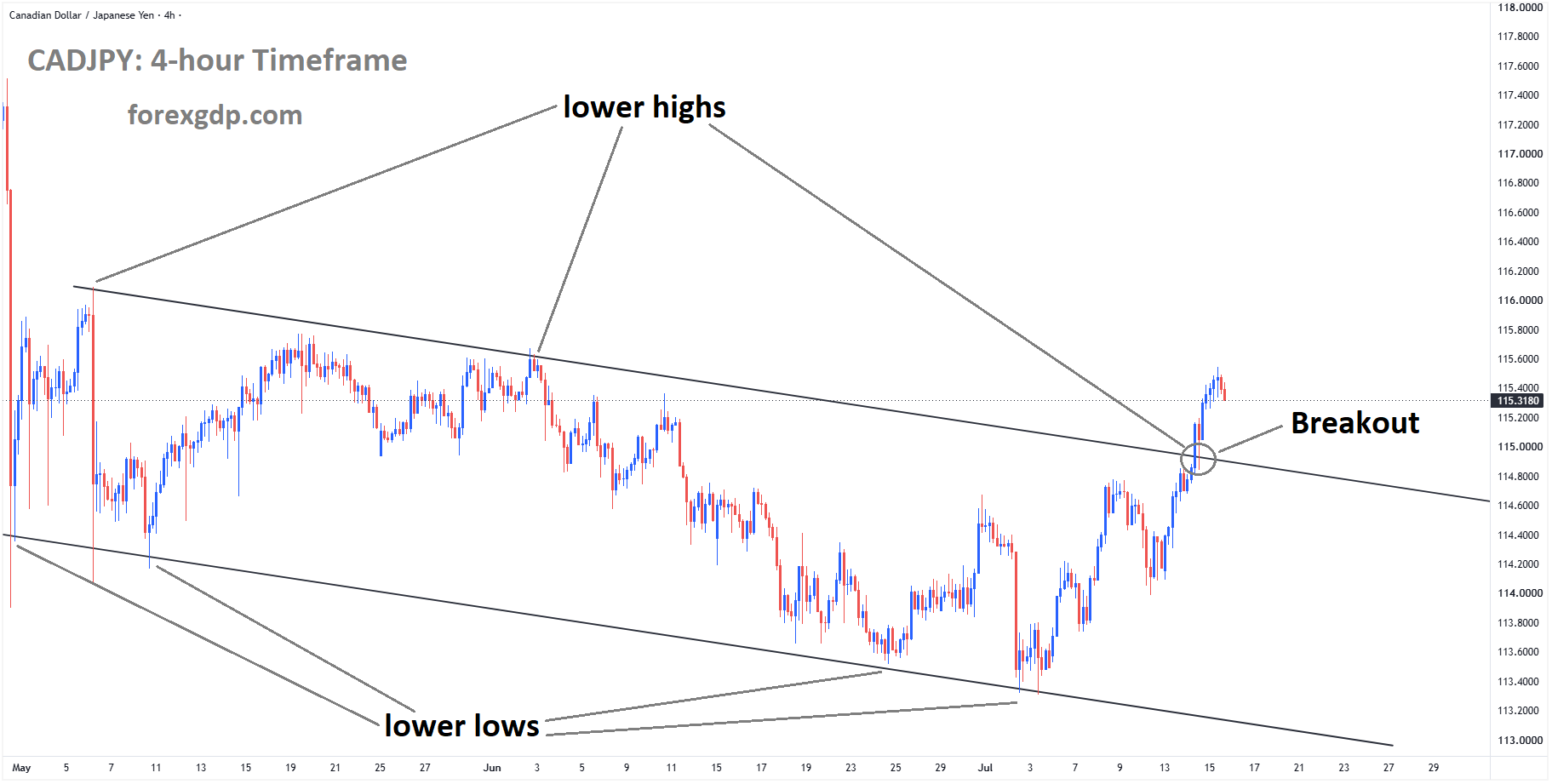
CADJPY has broken the descending channel to the upside
The Bank of Canada (BoC) kept its overnight interest rate unchanged at 2.25%, maintaining a cautious stance as it monitors inflation, economic growth, and global uncertainty. The central bank said Canada’s economy is gradually improving, while inflation is expected to ease over the coming months. Policymakers reiterated that future rate decisions will depend on incoming economic data.
The Bank of Canada (BoC) is widely expected to leave interest rates unchanged at its upcoming policy meeting. While many central banks continue to face difficult decisions, Canadian policymakers appear comfortable maintaining a cautious approach as they monitor inflation, economic growth, and global uncertainty.
For businesses, investors, and consumers, this meeting is important because it offers insight into how the central bank views the economy and what direction monetary policy could take in the coming months. Although no immediate policy changes are expected, every statement from the Bank of Canada is likely to be closely examined for hints about future decisions.
Why the Bank of Canada Is Expected to Stay on Hold
Most economists believe the Bank of Canada will keep its policy rate unchanged. If that happens, it would mark another consecutive meeting where the central bank has decided not to adjust borrowing costs.
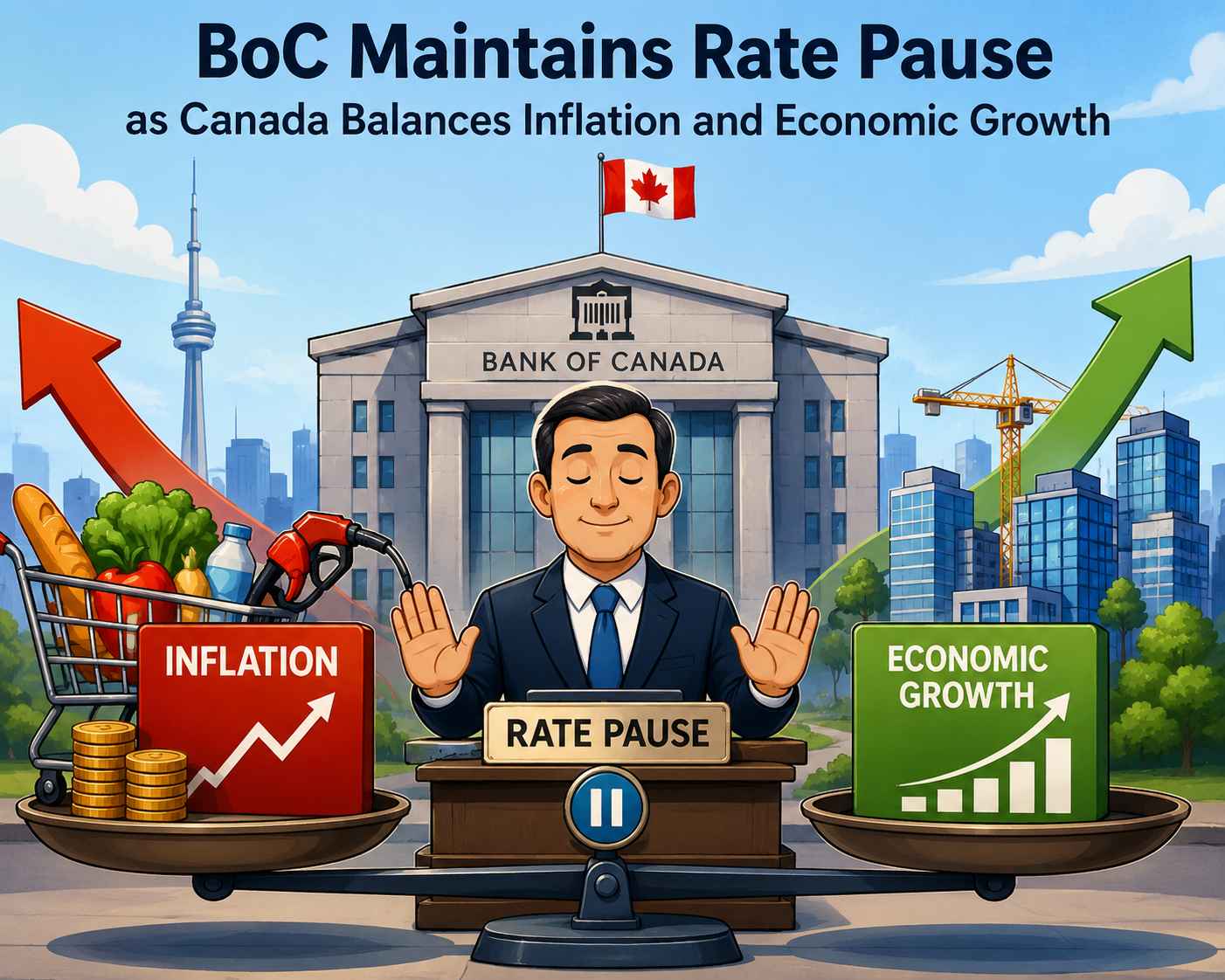
This cautious stance reflects the current balance between slowing inflation and a Canadian economy that still faces challenges. Policymakers appear willing to wait for more economic data before deciding whether additional action is necessary.
Rather than rushing into another policy move, the central bank is choosing patience. Officials want to make sure inflation continues moving in the right direction without putting unnecessary pressure on an already fragile economy.
A Careful Balance Between Inflation and Growth
The Bank of Canada faces a difficult task. Inflation has eased from previous highs, but it has not completely returned to the bank’s long-term goal. At the same time, economic growth remains weaker than many had hoped.
Officials believe inflation may stay elevated in the near term before gradually moving closer to the desired target. Because of this, they are not yet confident enough to make significant changes to monetary policy.
The central bank also believes the Canadian economy still has unused capacity, meaning demand is not strong enough to create widespread inflationary pressure. This gives policymakers additional room to remain patient while monitoring future developments.
How Global Events Continue to Shape Policy Decisions
International developments continue to influence Canada’s economic outlook. Rising geopolitical tensions have increased energy prices, creating temporary pressure on inflation.
However, Bank of Canada officials have indicated that they are focusing on whether these higher energy costs spread across the broader economy. At this stage, they believe there is only limited evidence that consumers are experiencing widespread price increases because of energy alone.
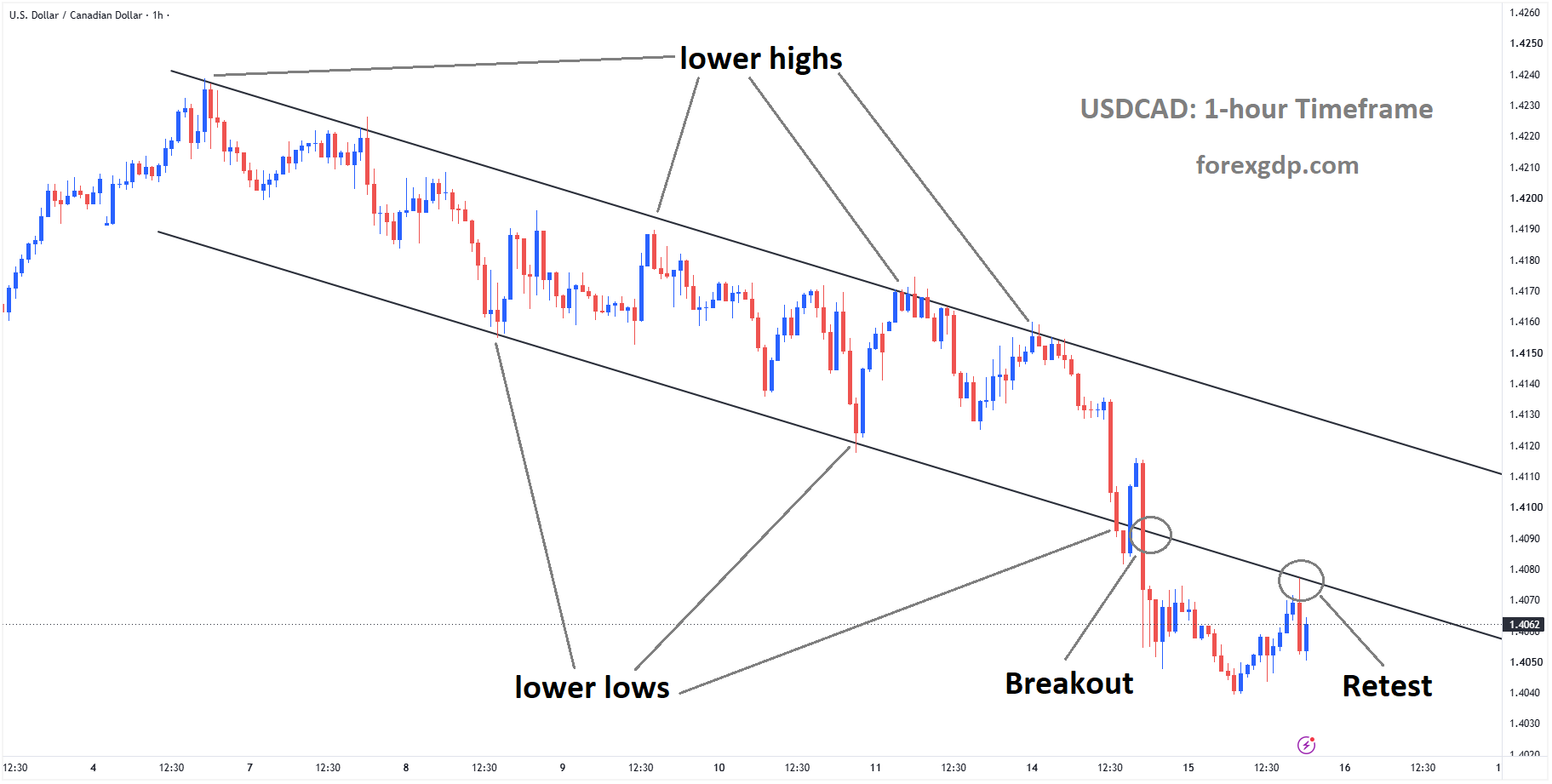
USDCAD reached the retest area of the broken descending channel
This distinction is important. Central banks often avoid reacting to temporary price shocks unless they begin affecting long-term inflation expectations across multiple sectors.
Governor Macklem Signals a Data-Driven Approach
Bank of Canada Governor Tiff Macklem has consistently emphasized that future policy decisions will depend on incoming economic information rather than following a fixed schedule.
His message remains straightforward: the central bank is prepared to respond if conditions change, but it will not make decisions based on assumptions or predetermined timelines.
This flexible strategy allows policymakers to evaluate new economic reports before deciding whether any policy adjustment is necessary. It also provides reassurance that decisions will be based on evidence instead of speculation.
Inflation Remains the Biggest Concern
Although inflation has improved compared to previous years, it continues to receive the most attention from policymakers.
Recent inflation data showed that consumer prices remain higher than the Bank of Canada’s preferred target. While some measures of underlying inflation have eased, others continue to suggest that price pressures have not completely disappeared.
The central bank closely monitors several different inflation indicators rather than relying on a single number. These measurements help officials determine whether inflation is becoming more widespread or gradually returning to normal levels.
Because the results have been mixed, policymakers believe additional patience is the safest course for now.
Economic Growth Shows Signs of Improvement
Despite ongoing challenges, there are encouraging signs that Canada’s economy may be improving.
The Bank of Canada expects economic activity to strengthen after recent periods of slower growth. While this recovery may not be rapid, it suggests that the economy is gradually stabilizing.
Even so, officials continue to describe overall economic conditions as relatively soft. Consumer spending, business investment, and external demand remain areas that require close attention.
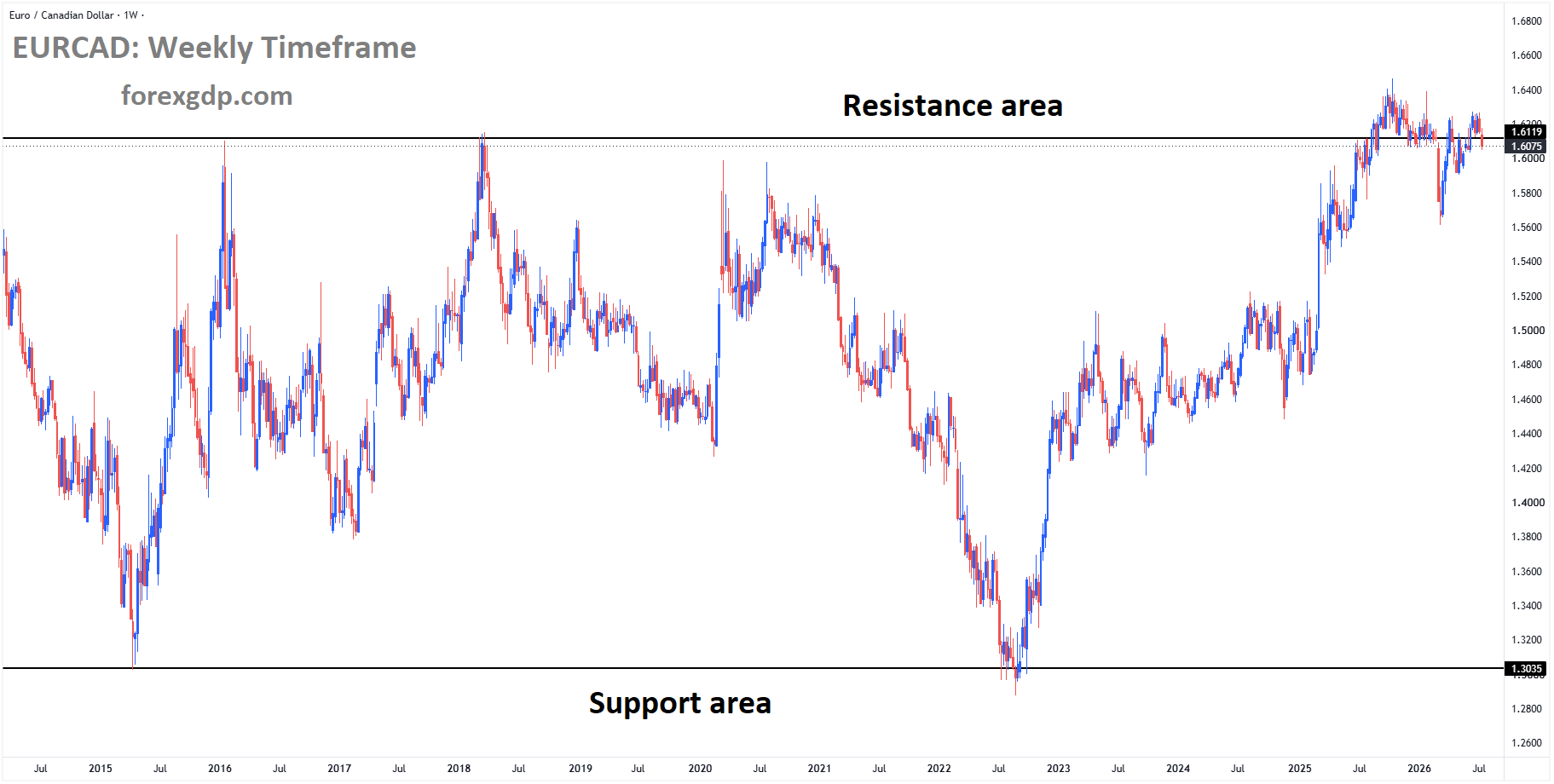
EURCAD reached the resistance area of the box pattern
The central bank is unlikely to become overly optimistic until stronger and more consistent growth is visible across multiple sectors.
Trade Uncertainty Still Clouds the Outlook
One factor preventing policymakers from becoming more confident is continued uncertainty surrounding international trade.
Changes in trade policies, especially involving major global economies, can influence Canadian exports, business confidence, and investment decisions.
Because these risks remain difficult to predict, the Bank of Canada is taking a cautious approach rather than making aggressive policy adjustments.
Waiting for greater clarity allows policymakers to respond more effectively if global conditions improve or worsen.
What Markets Expect for the Rest of the Year
Although the central bank is expected to keep rates unchanged now, financial markets still anticipate the possibility of modest policy tightening before the end of the year.
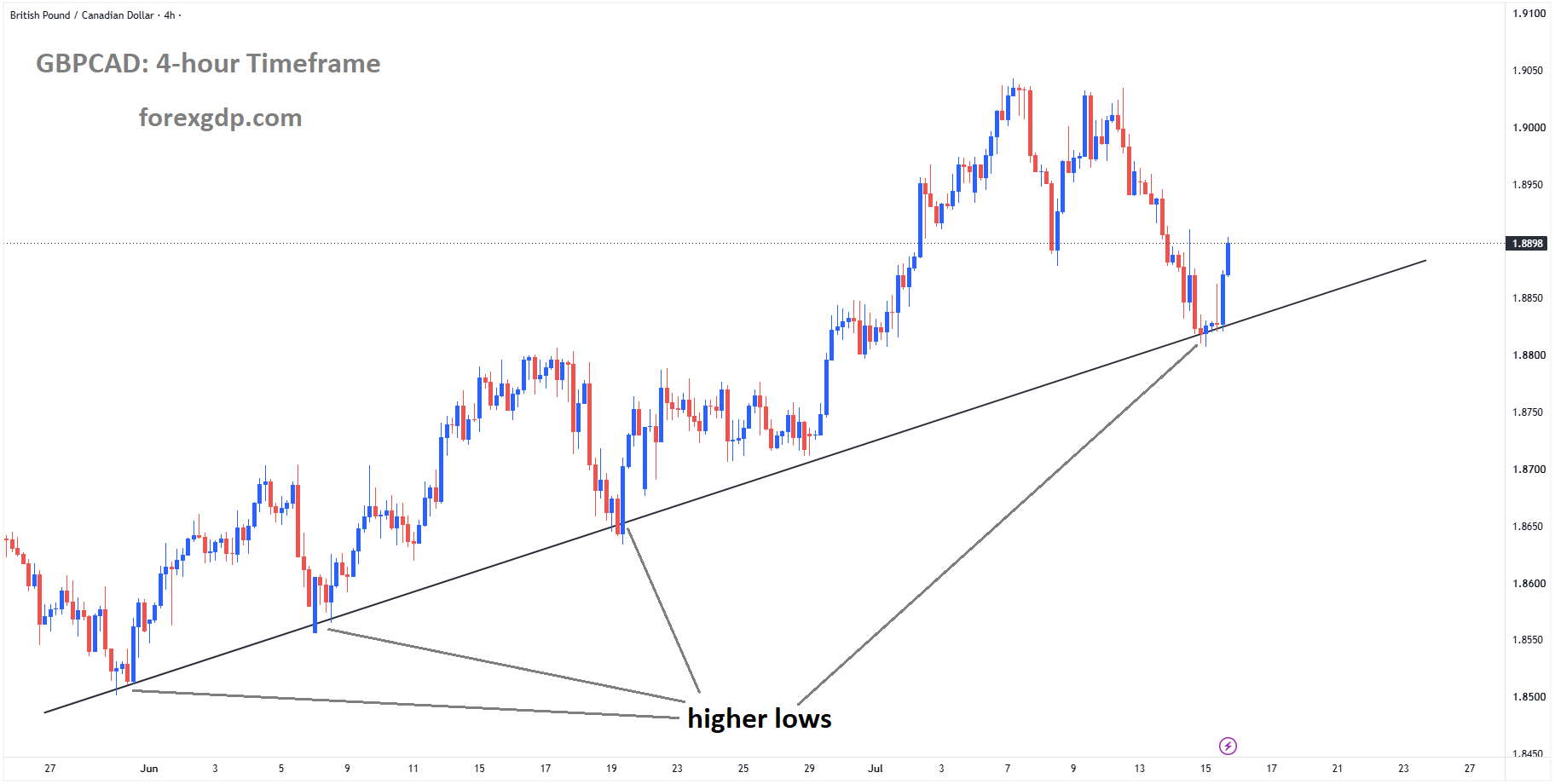
GBPCAD is rebounding from the higher low area of the uptrend line
These expectations remain relatively limited, reflecting the belief that inflation may require additional attention if it stays above the desired level for an extended period.
However, those expectations could change quickly depending on future economic reports. Stronger growth or persistent inflation could support tighter policy, while weaker economic performance may encourage policymakers to remain patient for longer.
What This Means for Canadians
For households and businesses, the Bank of Canada’s cautious approach offers a degree of stability.
Borrowers, homeowners, and companies planning investments can expect monetary policy to remain relatively predictable in the near future. At the same time, everyone should recognize that future decisions will continue to depend on economic performance.
Consumers may still experience higher living costs in certain areas, but the central bank hopes inflation will gradually move lower without causing unnecessary damage to economic growth.
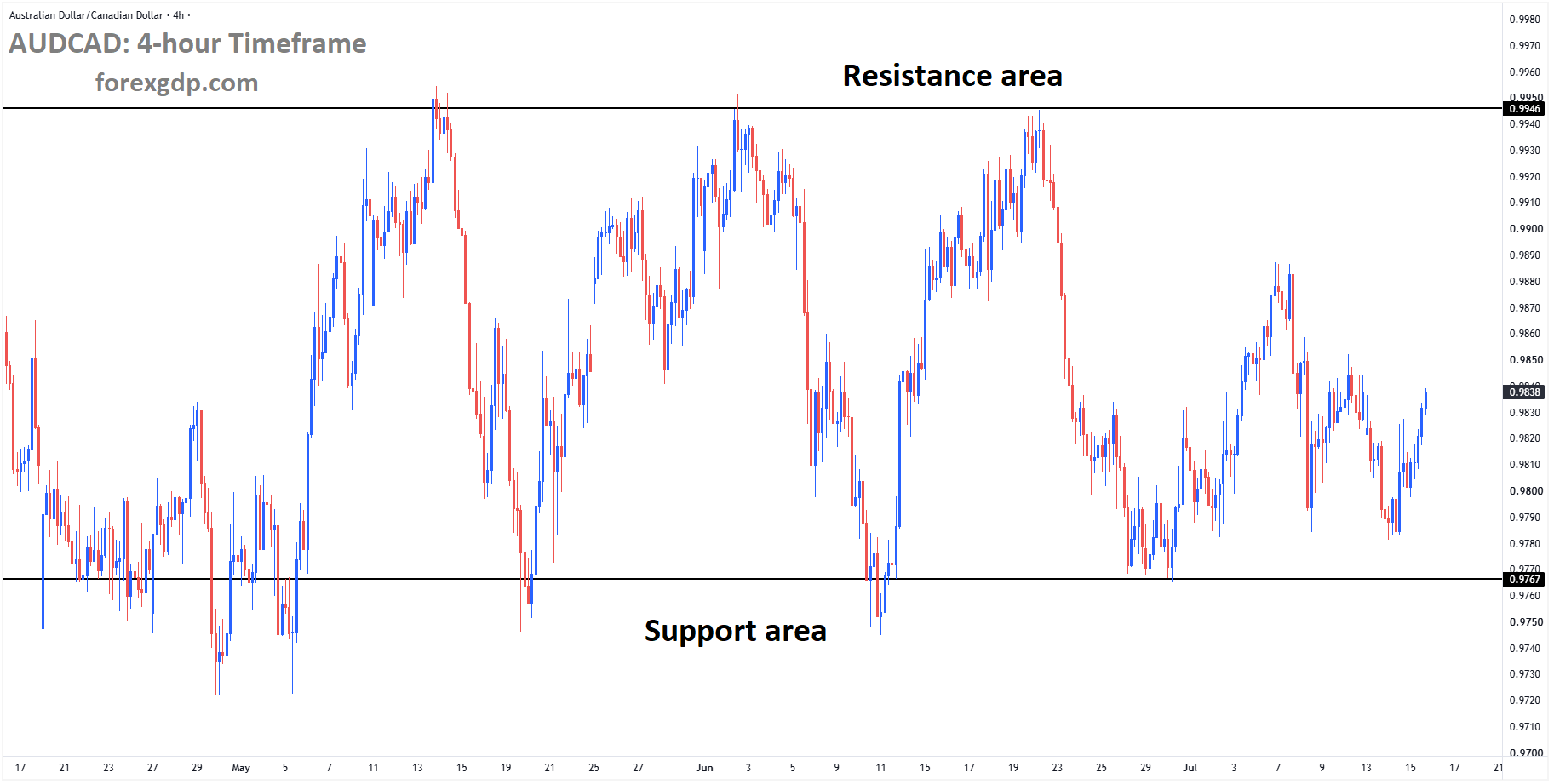
AUDCAD is moving in a box pattern
Businesses, meanwhile, are likely to continue watching inflation, consumer demand, and international developments before making major expansion decisions.
Summary
The Bank of Canada is expected to leave interest rates unchanged as it carefully monitors inflation, economic growth, and global uncertainty. Policymakers believe patience remains the best strategy while recent economic data continues to present a mixed picture.
Although inflation has eased from previous highs, it remains above the central bank’s preferred level, while economic growth is improving only gradually. Governor Tiff Macklem has reinforced that future policy decisions will remain entirely dependent on incoming data rather than following a predetermined schedule.
For now, the Bank of Canada appears committed to maintaining stability, allowing more time to assess how inflation, consumer spending, global events, and trade developments shape the Canadian economy in the months ahead.
Don’t trade all the time, trade forex only at the confirmed trade setups
Get more confirmed trade signals at premium or supreme – Click here to get more signals, 2200%, 800% growth in Real Live USD trading account of our users – click here to see , or If you want to get FREE Trial signals, You can Join FREE Signals Now!