
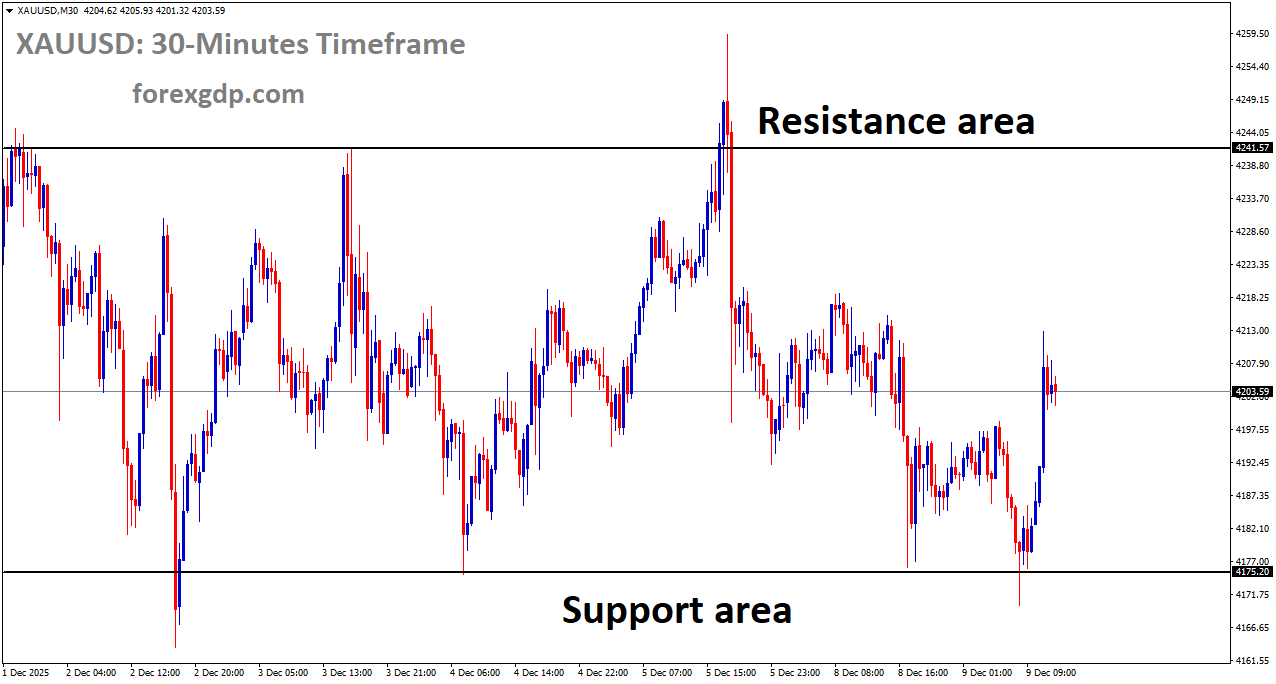
XAUUSD is moving in a box pattern, and the market has rebounded from the support area of the pattern
Gold has been drifting a bit lower in early trading this week, mostly because many investors are adjusting their positions ahead of a major event: the US Federal Reserve’s policy decision. Even though gold briefly slid toward the $4,170 area—its lowest level in about a week—it managed to bounce off that dip. Still, the overall mood around the metal remains cautious.
Right now, this isn’t a market that wants to take bold bets. Instead, traders are doing what they often do before a big central bank announcement: stepping back, watching closely, and waiting for clearer direction.
At the center of it all is the two-day Federal Open Market Committee (FOMC) meeting, which wraps up on Wednesday. What the Fed decides—and just as important, what it signals for the months ahead—could strongly influence the US Dollar and, by extension, the direction of gold.
Why the Fed Meeting Matters So Much for Gold
Gold doesn’t pay interest. That simple fact is a big part of why Federal Reserve decisions matter. When interest rates are high or expected to stay high, interest-paying assets can look more attractive compared to holding gold. When rates fall—or are expected to fall—gold often gets a boost.
This week, investors are closely watching for signs that the Fed is ready to lower borrowing costs. Many traders currently believe a rate cut is likely, and that expectation has been helping gold avoid a deeper slide even as prices soften.
But it’s not only the rate decision that matters. Investors will be listening carefully to two major things:
The Fed’s “dot plot” and updated forecasts
Along with its decision, the Fed releases updated economic projections, including the famous “dot plot,” which shows where policymakers think interest rates could go in the future. Markets watch these dots closely because even small changes can shift expectations quickly.
If the projections suggest more rate cuts ahead, that can weigh on the US Dollar and support gold. If they suggest the Fed is becoming more cautious about cutting, the Dollar could strengthen and gold could face more pressure.
Jerome Powell’s press conference
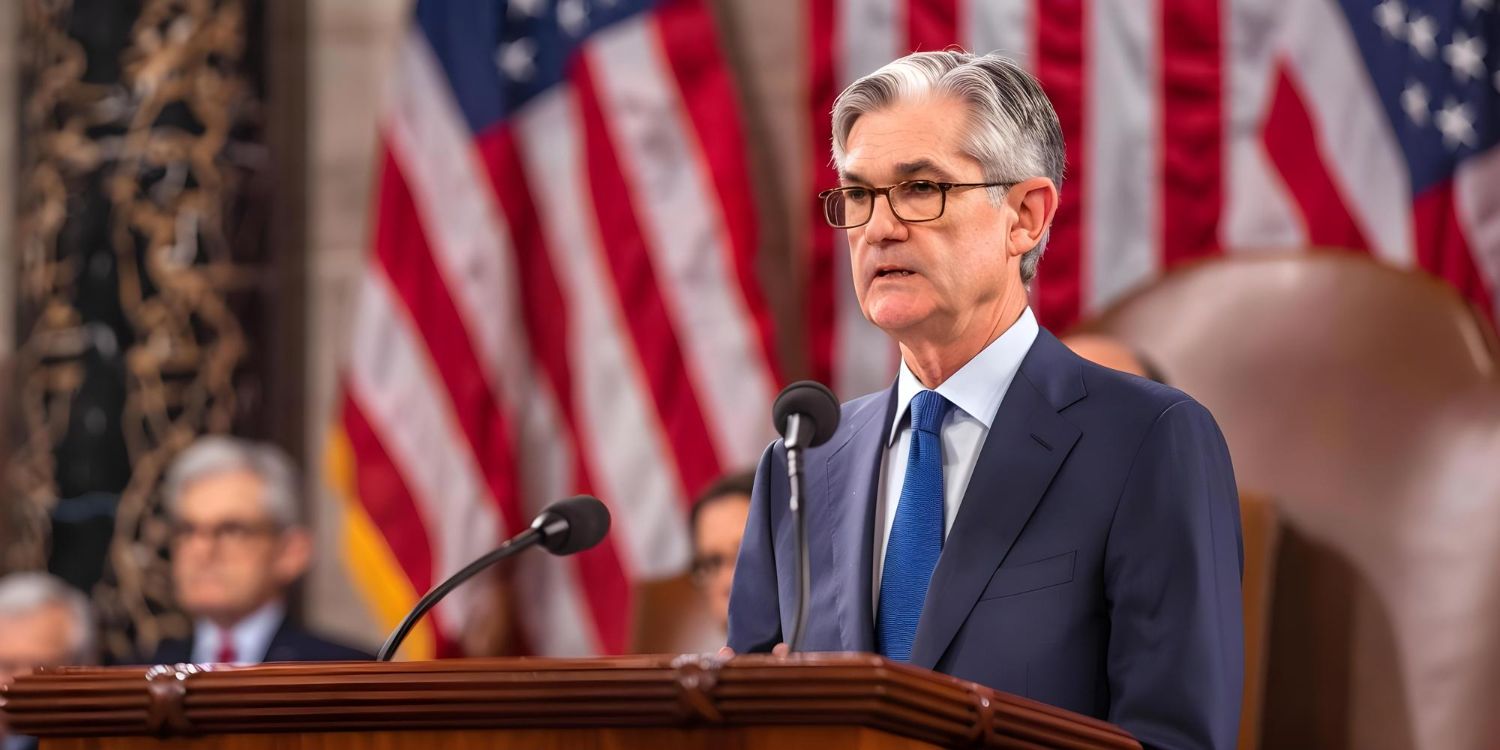
Fed Chair Jerome Powell’s comments after the meeting often move markets as much as the decision itself. Investors will be looking for clues on how confident the Fed is about inflation cooling, how it views the job market, and how willing it is to cut rates again after this week.
Some traders are also wondering if Powell will hint that future rate cuts will require a “higher bar”—meaning the Fed might move slowly even if it starts cutting now. That kind of message can make markets rethink how far and how fast rates may fall.
The US Dollar Is Recovering, But It’s Not Running Away
A key reason gold isn’t collapsing is that the US Dollar’s recent rebound has been limited. The Dollar had dropped to its weakest level since late October just last week. It has tried to recover since then, but expectations for easier Fed policy are keeping that recovery under control.
In other words, even if the Dollar is attempting to bounce, it’s having trouble building real momentum when traders believe interest rates could be heading lower.
This matters because gold is typically priced in US Dollars. When the Dollar is weaker, gold can look cheaper for buyers using other currencies, which can increase demand. When the Dollar strengthens, it can have the opposite effect.
For now, the market seems stuck between two competing forces:
-
A cautious tone ahead of the Fed, which can lead to profit-taking and mild selling in gold
-
A dovish rate outlook, which can cap the Dollar and provide support for gold
That tug-of-war helps explain why gold has been moving in a relatively tight range recently, without a strong breakout in either direction.
Geopolitical Tension Still Supports Gold’s Safe-Haven Appeal
Gold isn’t driven only by interest rates and the Dollar. It also plays a role as a classic “safe-haven” asset—something investors often buy when the world feels unstable.
Ongoing geopolitical uncertainty has been another reason gold’s downside has looked limited. The Russia-Ukraine war remains unresolved, and the pace of progress toward a ceasefire has been slow. Any sense that tensions could rise—or that key international support could shift—tends to keep some demand flowing into safe-haven assets like gold.
Comments linked to the possibility of the US stepping back from supporting Ukraine have also kept traders alert. Even without any immediate policy changes, headlines like these can increase uncertainty, and uncertainty often helps gold hold its ground.
In markets, perception matters. When investors feel the future is less predictable, they often prefer assets that are widely seen as stores of value. Gold benefits from that reputation.
Key US Data Traders Are Watching Before the Fed Decision
Even with the Fed meeting dominating attention, traders will still be watching US economic data closely. That’s because economic numbers can affect expectations for how aggressive—or cautious—the Fed might be in the months ahead.
Two data releases are drawing attention this Tuesday:
ADP Employment Change
This report gives a snapshot of private sector hiring. While it doesn’t always match the government’s jobs report, it can influence short-term market sentiment—especially when investors are sensitive to any sign that the labor market is strengthening or weakening.
JOLTS Job Openings
The JOLTS report measures how many job openings are available. The Fed watches labor market tightness because it can influence wage growth and inflation. If job openings remain high, it can suggest demand for workers is still strong. If openings fall sharply, it can hint at cooling conditions.
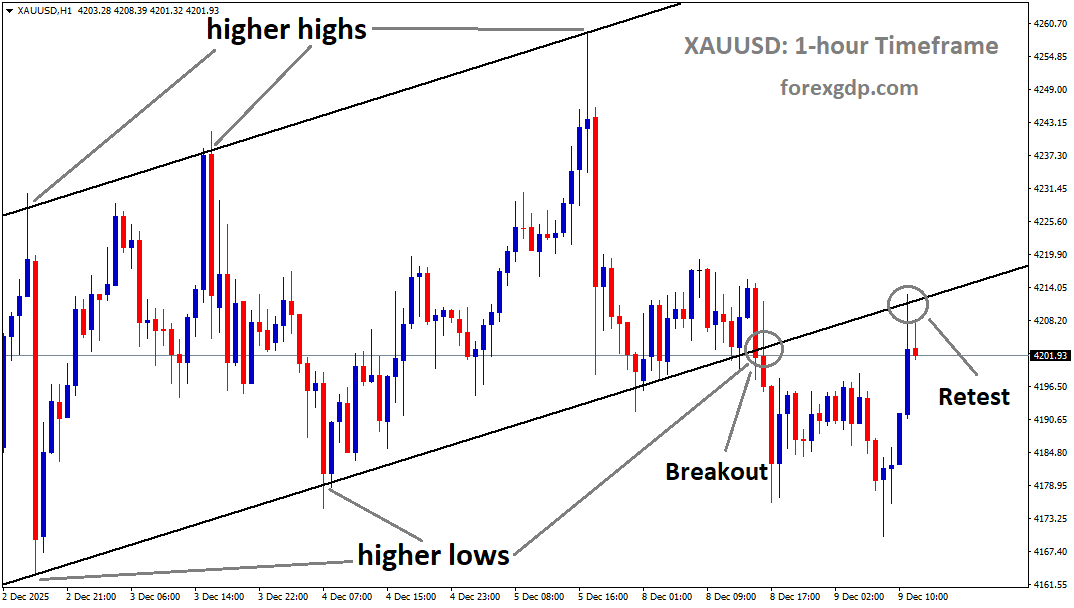
XAUUSD reached the retest area of the broken Ascending channel
Because the Fed’s next steps depend heavily on inflation and employment trends, these reports can affect the US Dollar and gold even before Wednesday’s big decision.
Still, many traders may prefer to stay cautious until the Fed delivers its message. It’s common to see markets move modestly before a major central bank event, then react more strongly once the uncertainty is removed.
Final Summary
Gold is trading with a cautious, slightly weaker tone as investors reposition ahead of Wednesday’s Federal Reserve decision. Expectations for a near-term rate cut—and the possibility of further easing later—have helped keep the US Dollar from gaining too much strength, which supports gold’s ability to hold up even during soft patches. At the same time, ongoing geopolitical tensions are reinforcing gold’s safe-haven appeal and helping limit deeper losses. With key US labor market data due before the Fed meeting, traders are watching for any fresh clues that could shift the outlook for rates, the Dollar, and gold’s next move.