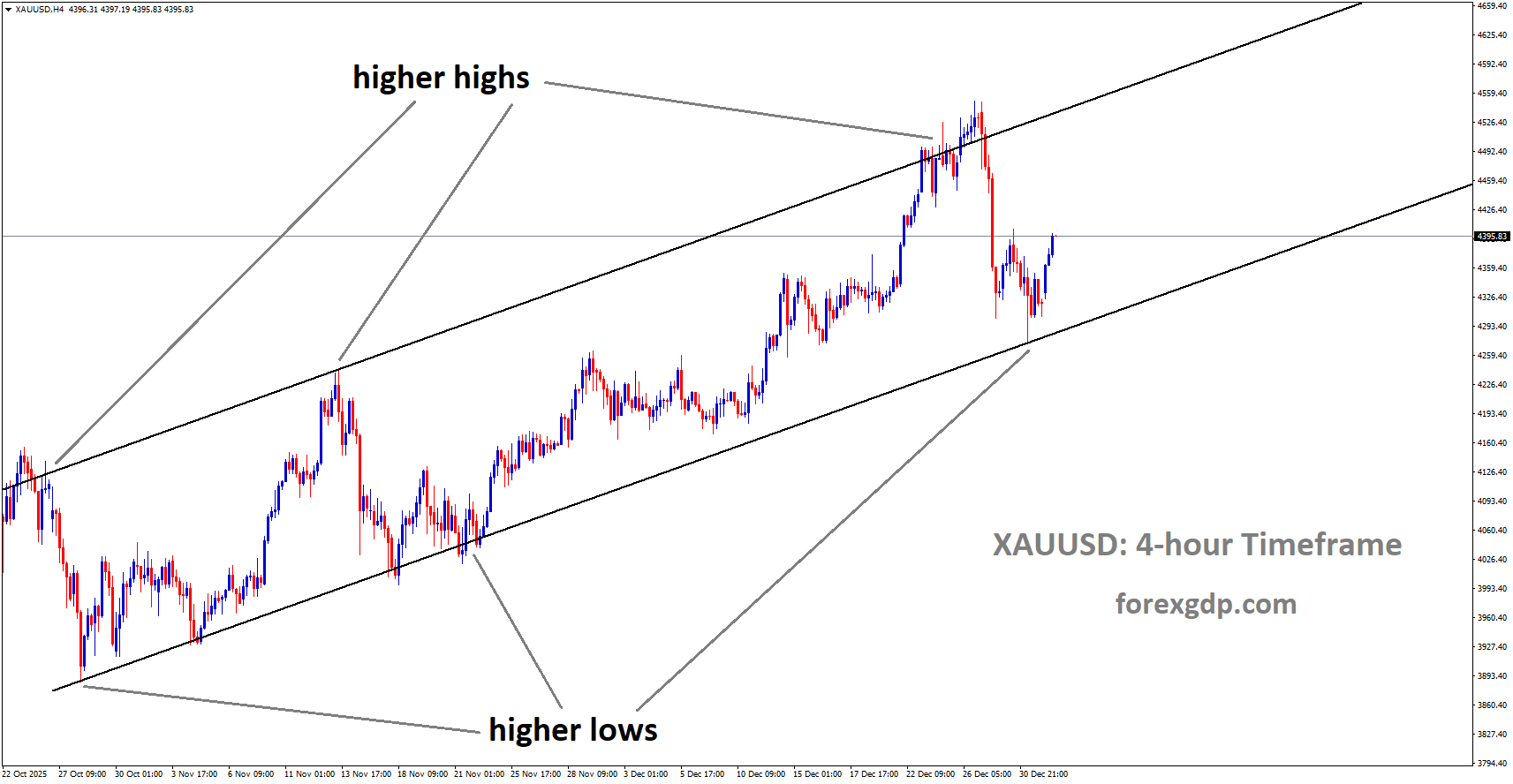


XAUUSD is moving in an uptrend channel, andthe market has reached a higher high area of the channel
Gold eased lower during early European trading on Wednesday after touching a new all-time high. The pullback looks less like a sudden change in the bigger story and more like a natural pause after a strong run. When an asset climbs quickly and hits new peaks, many traders choose to lock in gains. That kind of profit-taking can create short-term pressure, even when longer-term demand remains steady.
Another factor weighing on gold is stronger-than-expected economic news from the United States. A solid growth report can lift confidence in the economy and support the US Dollar. Since gold is typically priced in Dollars, a stronger Dollar can make gold more expensive for buyers using other currencies. That often cools demand at the margin and can encourage a temporary dip.
Still, the downside may not have much room to run. Expectations for future US interest rate cuts and ongoing global uncertainty continue to provide support for the safe-haven metal.
Why Gold Pulled Back After Hitting a Record
Gold’s retreat from its recent high is largely tied to two common market behaviors: profit-taking and reactions to fresh US economic data.
When prices reach record levels, some investors take it as a signal to secure profits rather than chase the move higher. This does not always mean the overall trend has reversed. It can simply reflect a shift in short-term positioning as traders rebalance their risk.
At the same time, upbeat US growth numbers can influence gold through the currency channel. The logic is straightforward: if the US economy looks stronger than expected, investors may expect relatively firmer US policy settings and better returns in Dollar-based assets. That can push the Dollar higher. In turn, gold can lose momentum because it becomes pricier for international buyers.
The US GDP Surprise and the Dollar Link
The latest US Gross Domestic Product (GDP) report showed a faster pace of growth than markets expected. Strong growth data often reinforces the idea that the US economy has more resilience than feared. That tends to support the Dollar, which can be a headwind for gold in the near term.
This relationship does not always play out perfectly day to day, but it matters because many large buyers—central banks, institutions, and global investors—watch the Dollar closely when making gold decisions. If the Dollar strengthens quickly, gold can stall even if broader demand stays healthy.
Rate Cut Expectations Could Keep Gold Supported
While strong economic growth can pressure gold in the short run, interest rate expectations are still a major part of the longer-term picture. Markets have been watching signs that inflation may be easing and that job growth could be losing speed. When investors think interest rates may fall in the future, gold often benefits.
Gold does not pay interest. So when interest rates are high, holding gold can feel less attractive compared with assets that offer yield. But if rates are expected to drop, that “opportunity cost” shrinks. In that environment, gold can look more appealing as a store of value and a portfolio stabilizer.
In recent sessions, expectations have grown that the US Federal Reserve could cut interest rates multiple times next year. That outlook can help limit how far gold falls during short-term pullbacks, especially if investors still want a hedge against uncertainty.
Political Pressure on the Fed Is Back in Focus

Adding to the interest rate debate, comments from US President Donald Trump have drawn attention. He suggested he expects rate cuts if the economy is doing well and indicated he wants a future Fed chair who supports much lower rates. Those remarks can stir concerns about the Federal Reserve’s independence.
Markets generally prefer a central bank that is seen as guided by economic conditions rather than political demands. When investors feel that independence could be questioned, it can increase uncertainty. And uncertainty can be a quiet driver of safe-haven demand, which may keep gold supported even when other factors lean negative.
White House adviser Kevin Hassett also criticized the Fed for not cutting rates fast enough, even with strong GDP growth. Comments like these can add to the sense that the policy path may become more contested, which can lead investors to seek protection in assets like gold.
Geopolitical Risks and Safe-Haven Demand
Beyond interest rates and US data, gold is also reacting to geopolitical headlines. Safe-haven assets tend to attract attention when global tensions rise, because investors look for places to park capital during uncertain times.
One situation being watched involves the US and Venezuela. Venezuela’s parliament recently approved a measure that expands criminal penalties for actions that could disrupt navigation and commerce, including activities related to the seizure of oil tankers. This development follows recent US actions tied to Venezuelan oil shipments. When energy trade routes and international shipping rules become part of a political dispute, markets can turn cautious quickly.
Even if such tensions do not immediately disrupt global supply chains, they can increase risk sensitivity. That can support gold by keeping a baseline level of defensive demand in place.
Why These Headlines Matter for Gold
Gold often responds not only to actual disruptions but also to the possibility of disruption. Investors do not need a crisis to buy gold—they often buy it when they think risks are rising and want insurance in advance.
Geopolitical uncertainty can also influence expectations about inflation and growth. If tensions threaten energy flows or global trade, that can complicate the outlook for policymakers. When the future path looks less clear, gold tends to stay relevant as a hedge.
What Traders Are Watching Next
With the Christmas holiday approaching, market activity can become thinner and more uneven. Lower liquidity can sometimes exaggerate price swings, as fewer participants are active. That makes upcoming data releases more important, since a single report can have a bigger impact when trading volumes are lighter.
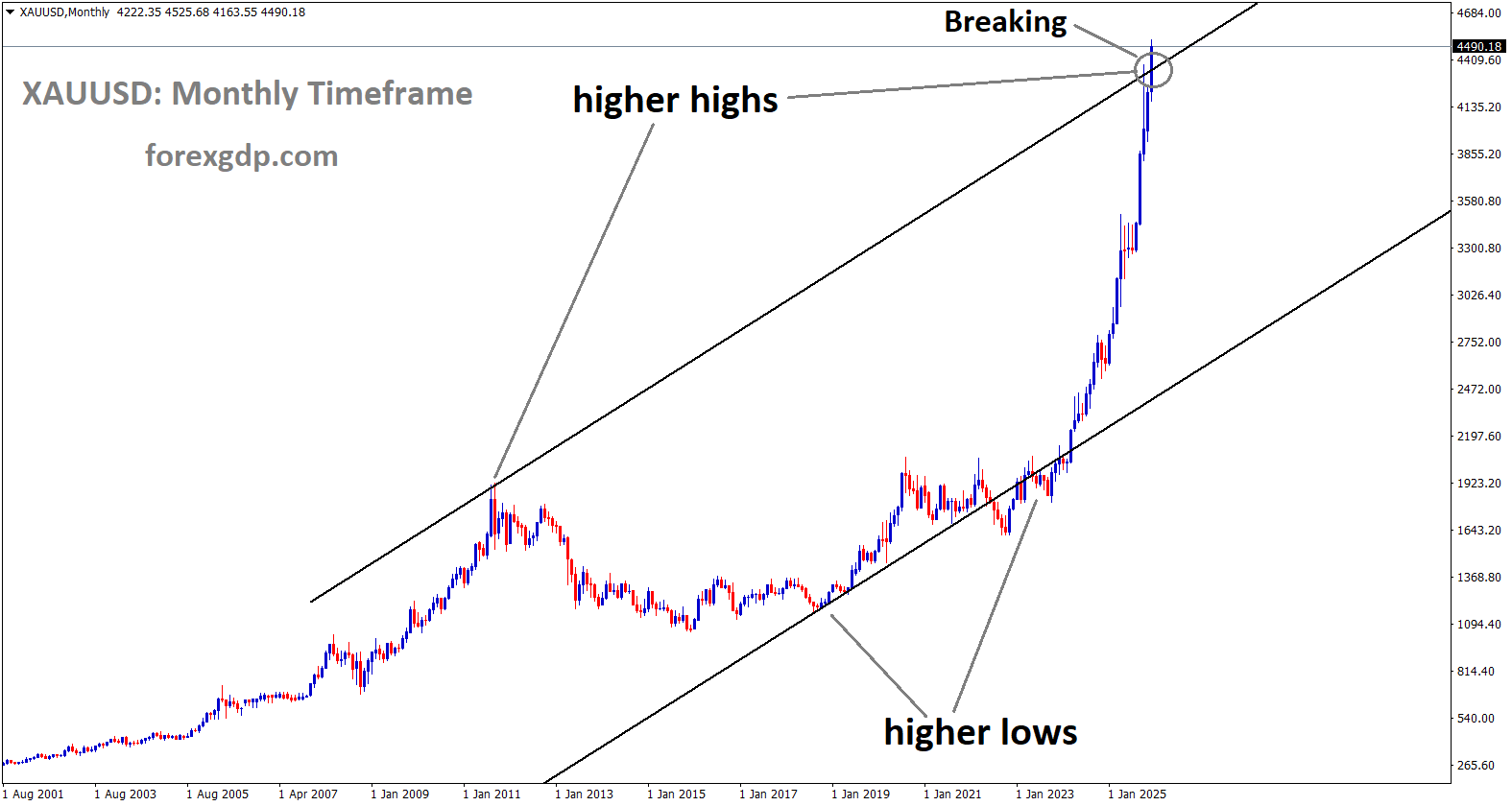
XAUUSD is breaking the higher high area of the uptrend channel
Later on Wednesday, traders will focus on US Initial Jobless Claims for fresh clues about the labor market. Weekly jobless claims are one of the most closely watched snapshots of employment conditions. If claims rise more than expected, it can reinforce the idea that the job market is cooling—something that may strengthen rate cut expectations and support gold. If claims come in lower, it can favor the Dollar and add pressure to gold, at least temporarily.
Investors are also weighing a softer signal from consumer sentiment. The Conference Board’s Consumer Confidence Index slipped in December compared with November. Consumer confidence does not move markets every time it changes, but it can help shape expectations about spending and growth. When confidence weakens, investors may become more cautious, which can indirectly help safe-haven demand.
Summary
Gold pulled back in early European trading after reaching a record high, with profit-taking and stronger-than-expected US GDP data weighing on the metal. A firmer US Dollar can make gold more expensive for global buyers, adding short-term pressure. However, expectations for future Federal Reserve rate cuts may help limit deeper losses, since lower rates tend to support non-yielding assets like gold. Ongoing geopolitical uncertainty—especially around US-Venezuela tensions and shipping-related risks—also keeps safe-haven demand in the background. With holiday-thinned trading conditions, the next key focus is US Initial Jobless Claims, which could shape expectations for the US economy and the path of interest rates.