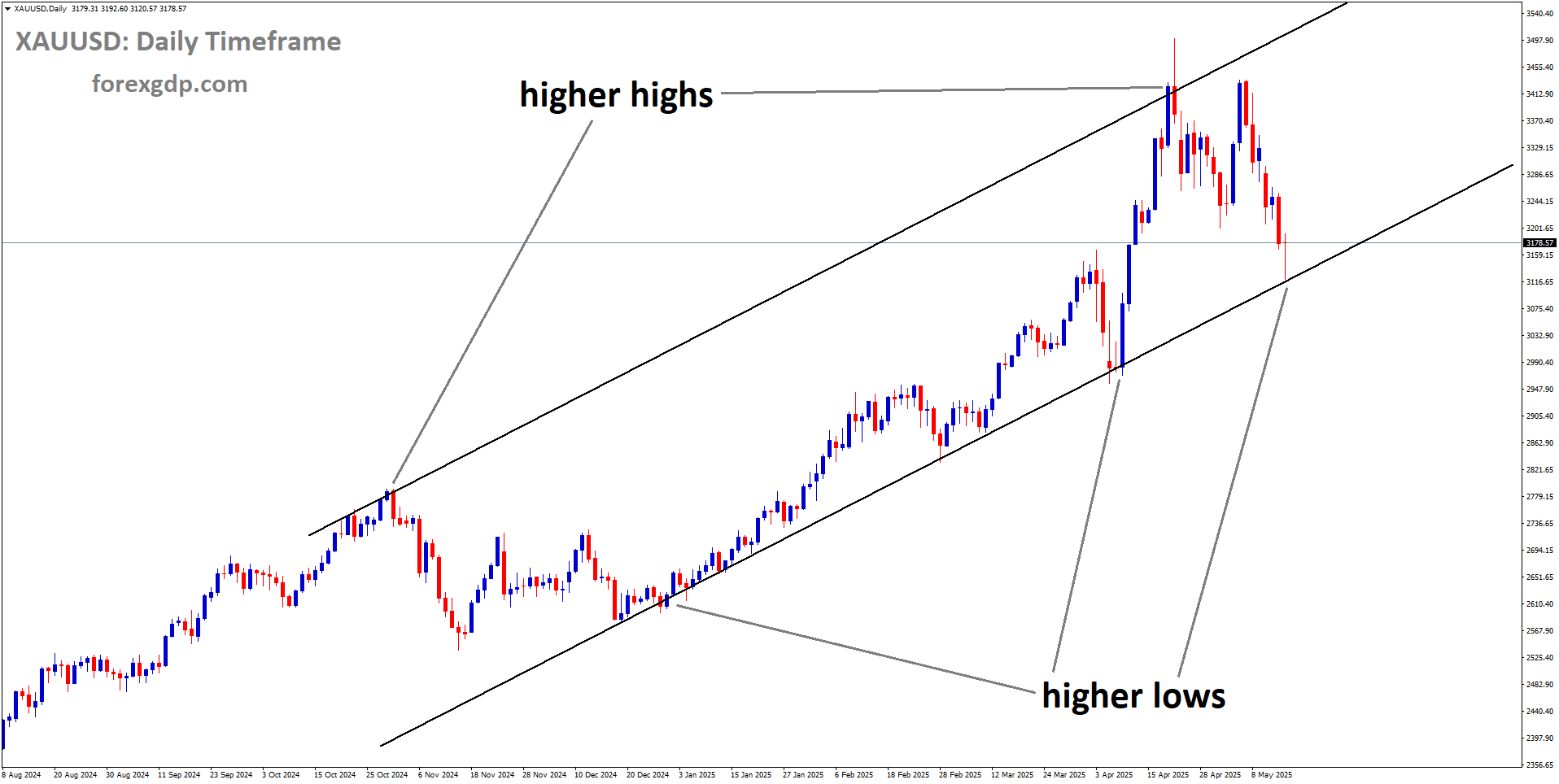

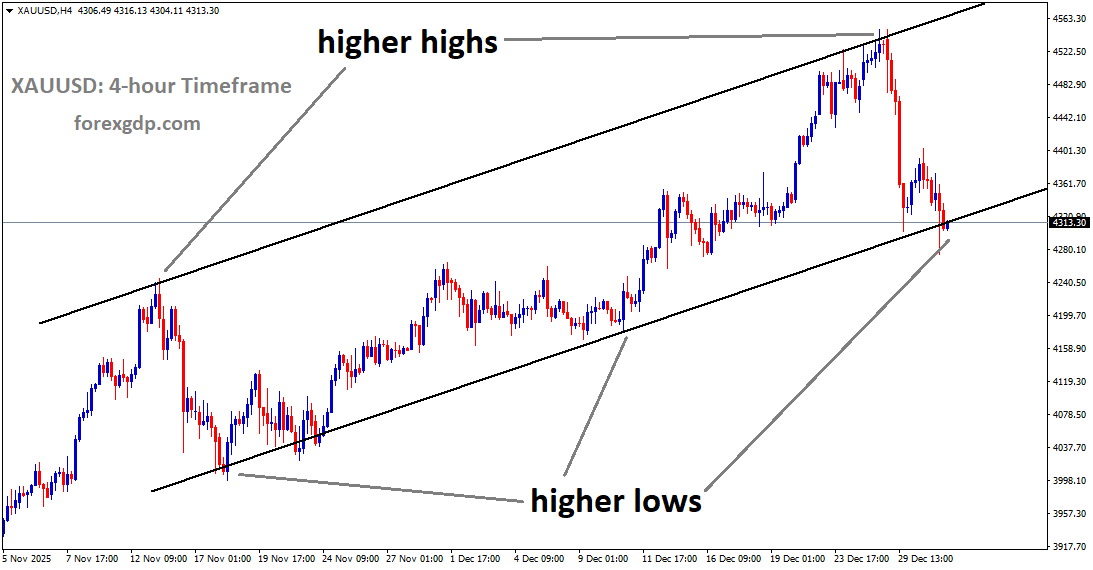
XAUUSD is moving in an ascending channel, and the market has reached the higher low area of the channel
Gold has been having a standout year, and the momentum carried into Wednesday’s early European session. Investors have stayed interested in the metal for two big reasons: growing expectations that US interest rates could move lower in 2026, and a steady drumbeat of geopolitical stress that keeps people thinking about safety.
Even so, the path higher is rarely a straight line. With New Year holidays close, thinner trading and end-of-year portfolio adjustments can sometimes lead to quick bursts of profit-taking. That mix—strong long-term support with short-term caution—sets the tone for how markets are viewing gold right now.
Why Lower US Interest Rates Can Lift Gold
Gold doesn’t pay interest or dividends. That may sound like a downside, but it becomes less of an issue when other “safer” options, such as cash or short-term government debt, offer lower returns.
When traders believe the Federal Reserve will cut rates again, it can reduce the opportunity cost of holding gold. In everyday terms, if it becomes less rewarding to sit in interest-bearing assets, more investors are willing to hold something like gold for stability, diversification, or protection.
Rate expectations matter almost as much as rate decisions themselves. Markets tend to move in anticipation of what the Fed will do next, not just what it did last week. This is why every Fed meeting, policy statement, and set of minutes can influence gold sentiment.
What the Fed’s Latest Decision and Minutes Signaled
The Federal Reserve recently cut interest rates by 25 basis points, bringing the federal funds rate into a 3.50%–3.75% target range. Policymakers who supported the cut pointed to rising downside risks for employment and signs that inflation pressures have been easing.
Not everyone agreed on the best move. One Fed governor voted against the decision because they preferred a larger cut, while two regional Fed presidents dissented in the opposite direction, favoring no change at all.
Minutes from the Fed’s December meeting added another layer of detail: many officials still see additional rate reductions as reasonable—as long as inflation continues to cool over time—but there is debate about timing and how far the Fed should go.
After the minutes were released, market pricing suggested only a modest chance of a cut at the next meeting, with federal funds futures implying roughly a 15% probability for a January move. Even if the near-term odds aren’t high, investors are still focused on the broader outlook for 2026, and that longer horizon continues to support gold.
Geopolitical Tensions Keep the “Safety Trade” Alive
Gold has a long history as a safe-haven asset. When the world feels uncertain—whether due to conflict, political standoffs, or unexpected shocks—some investors prefer assets they believe can hold value during stressful periods.
Ongoing tensions in several areas have helped keep that mindset in play:
-
Israel-Iran conflict concerns have remained on traders’ radar, feeding caution across global markets.
-
US-Venezuela tensions have also added to the sense that headline risk could flare up without much warning.
In times like these, gold often benefits from steady demand rather than one single dramatic event. It’s less about predicting what happens next and more about preparing for a wider range of possibilities.
How Peace Headlines Can Pull Gold the Other Way
Geopolitical news can cut both ways. Reports of progress toward a potential peace deal involving Ukraine have, at times, reduced some of the urgency around safe-haven positioning. When traders feel conditions are becoming more stable, demand for defensive assets can cool.
That doesn’t mean gold loses its appeal overnight—it simply means the market can shift quickly depending on the tone of the news cycle. One day, tensions boost demand; the next day, optimism trims it back.
Year-End Trading: Profit-Taking and Portfolio Rebalancing Are Real Factors
Even with strong underlying support, short-term pullbacks are always possible—especially around major holidays. Late December and early January are known for lighter trading volumes, which can make price moves feel more dramatic than usual.
Two common year-end forces can influence gold:
Profit-Taking After a Big Run
When an asset has performed extremely well over the year, some investors lock in gains before closing the books. That’s not necessarily a negative signal about the long-term story. It’s often just routine risk management.
Gold’s strong annual performance makes it a natural candidate for this kind of activity, particularly among funds and traders who want to tidy up positions before the calendar flips.
Portfolio Rebalancing and Higher Futures Margin Requirements
Another factor is portfolio rebalancing—investors adjusting allocations back to target levels after markets move. For example, if gold has grown to represent a larger slice of a portfolio than intended, an investor may reduce exposure even if they still like gold’s outlook.
On top of that, the CME Group raised margin requirements for gold and silver futures and other metals. In practical terms, that means traders may need to post more cash to hold certain futures positions. When margin requirements rise, some market participants respond by cutting back, which can trigger broader selling or position trimming.
This doesn’t automatically change gold’s long-term fundamentals, but it can influence short-term trading behavior and reduce how far rallies can extend in the near term.
What Traders Are Watching Next: US Jobless Claims
Alongside central bank signals and geopolitical updates, economic data remains a key driver of market expectations. Traders are watching the US Initial Jobless Claims report due later on Wednesday.
Economists expect a modest increase in new claims for the week ending December 27, with forecasts around 220,000, compared with 214,000 previously. While this is just one weekly data point, it can still sway sentiment because it offers a timely snapshot of labor market conditions.

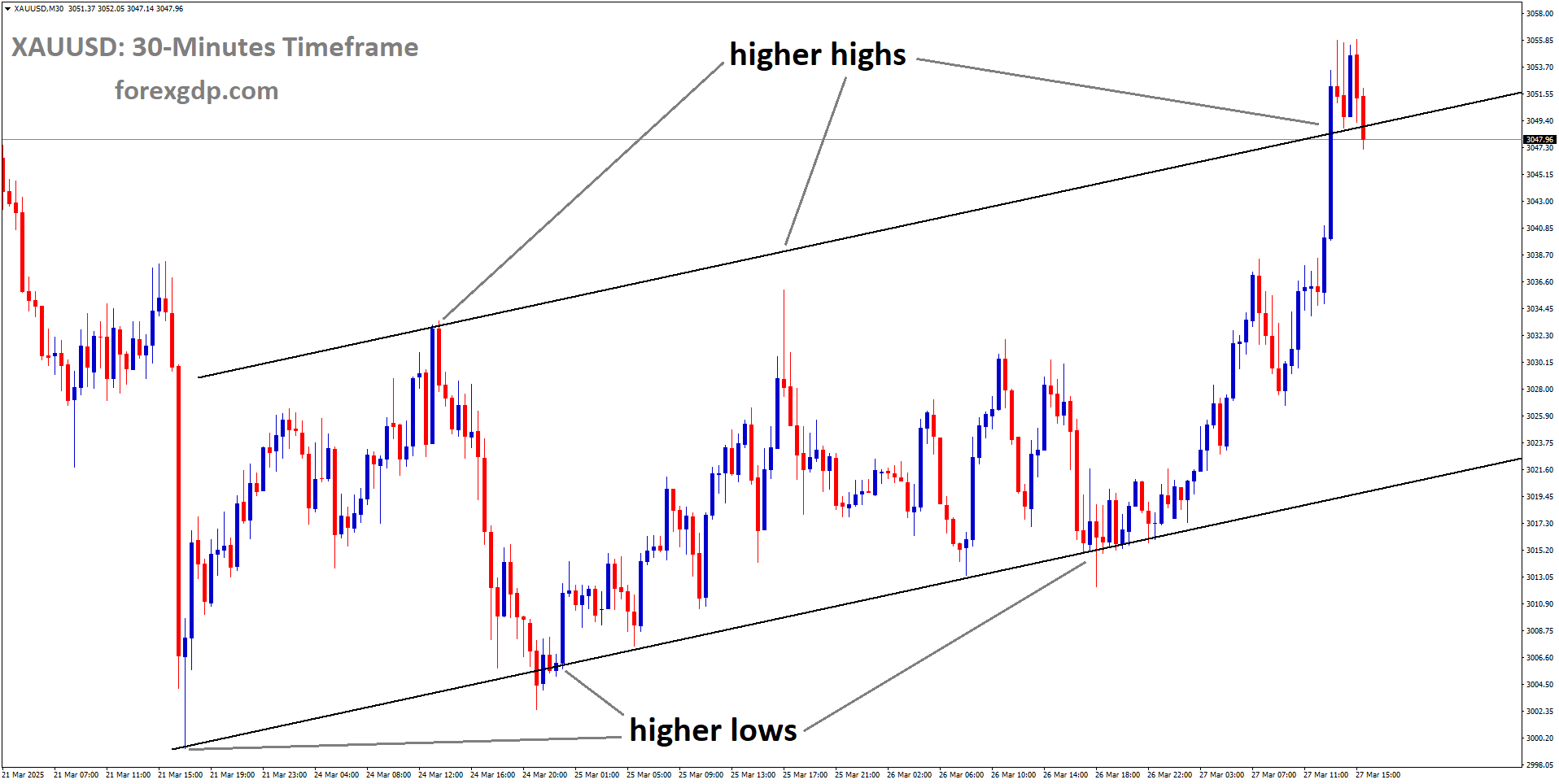
XAUUSD is moving in a descending channel, and the market has fallen from the lower high area of the channel
If the labor market appears to be cooling, it can reinforce the view that the Fed may have room to cut rates further over time. If it looks stronger than expected, markets may scale back rate-cut expectations. Either way, data like this helps shape the narrative that gold traders care about most: the direction of interest rates and the health of the broader economy.
Summary
Gold’s strength is being supported by two powerful themes: expectations that US interest rates could trend lower in 2026 and persistent geopolitical uncertainty that keeps safe-haven demand steady. The Federal Reserve’s recent rate cut, along with meeting minutes that left the door open to further reductions, has helped shape that supportive backdrop—even as markets price only limited odds of an immediate cut at the next meeting.
At the same time, year-end profit-taking, portfolio rebalancing, and higher futures margin requirements could create short-term pauses. With thin holiday trading and key data like US jobless claims on the calendar, traders are balancing long-term optimism with near-term caution.