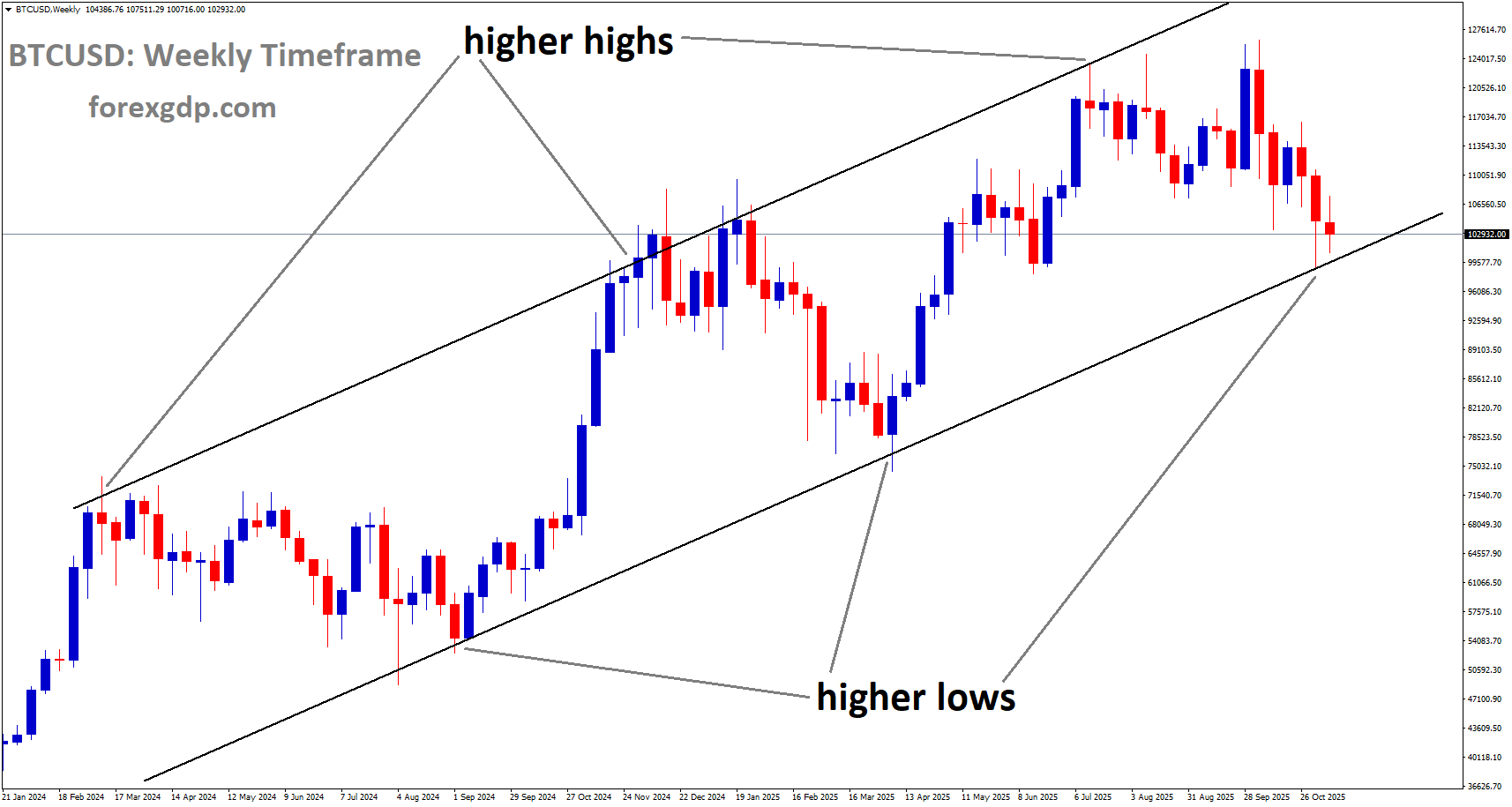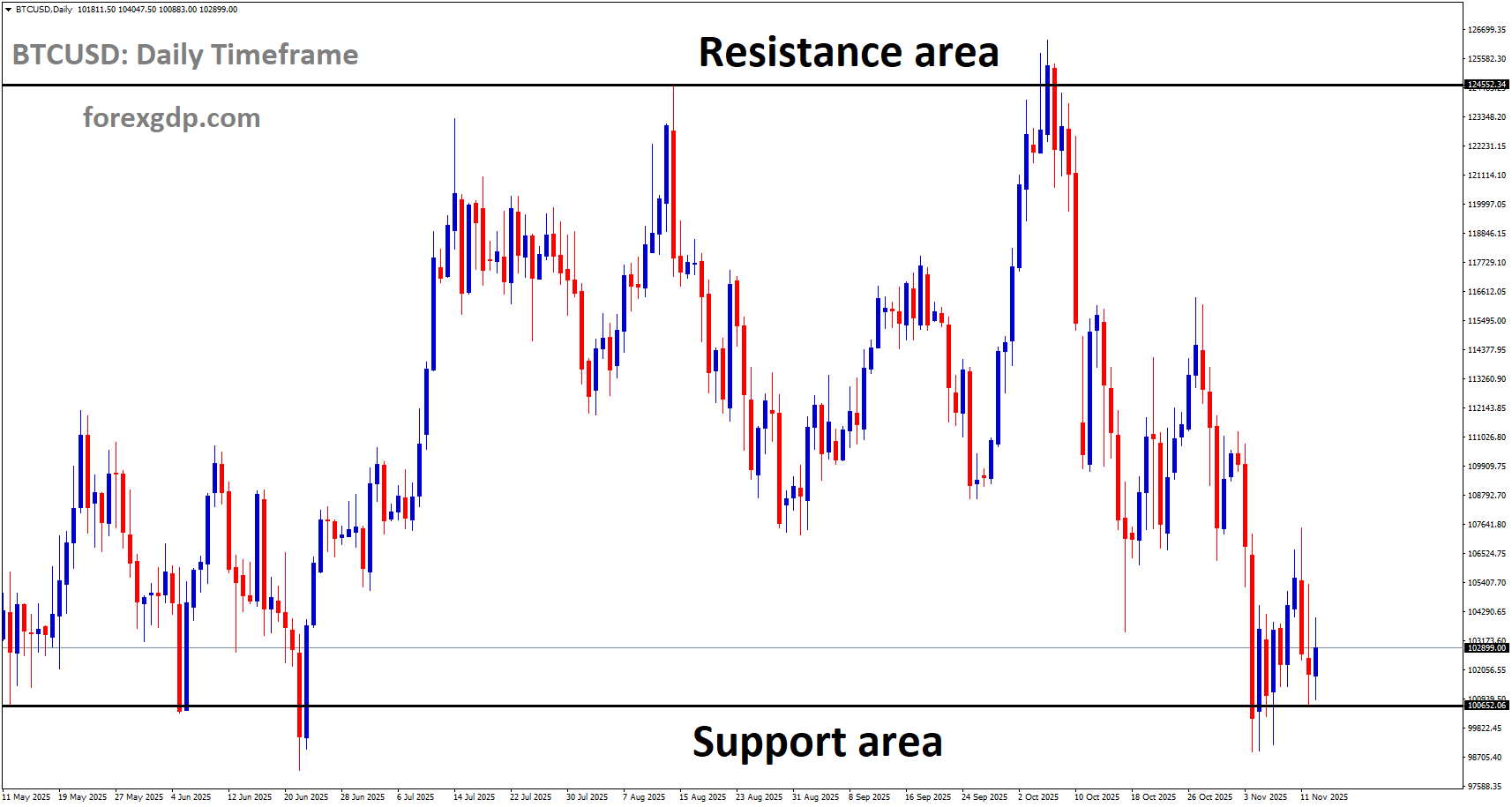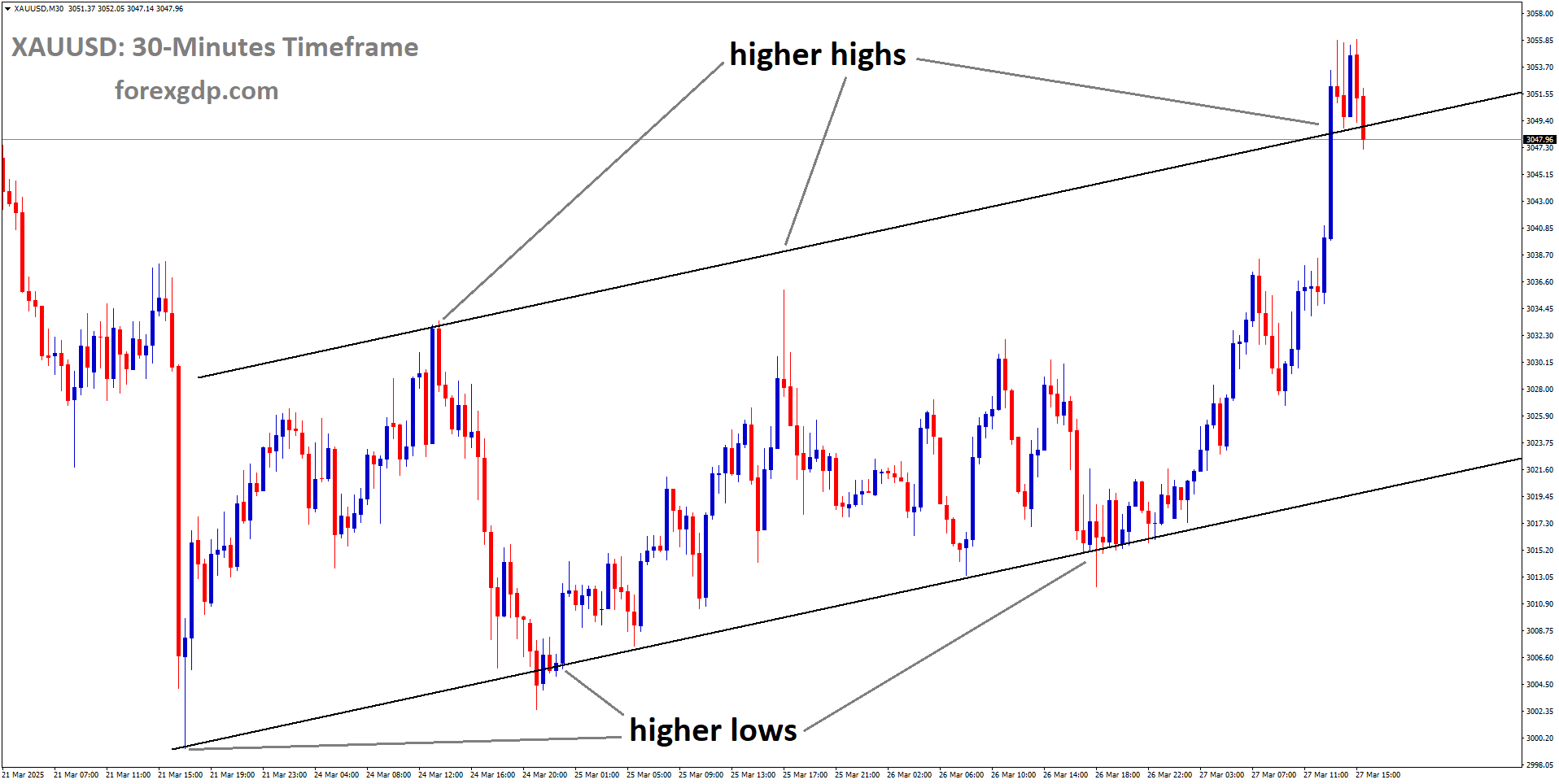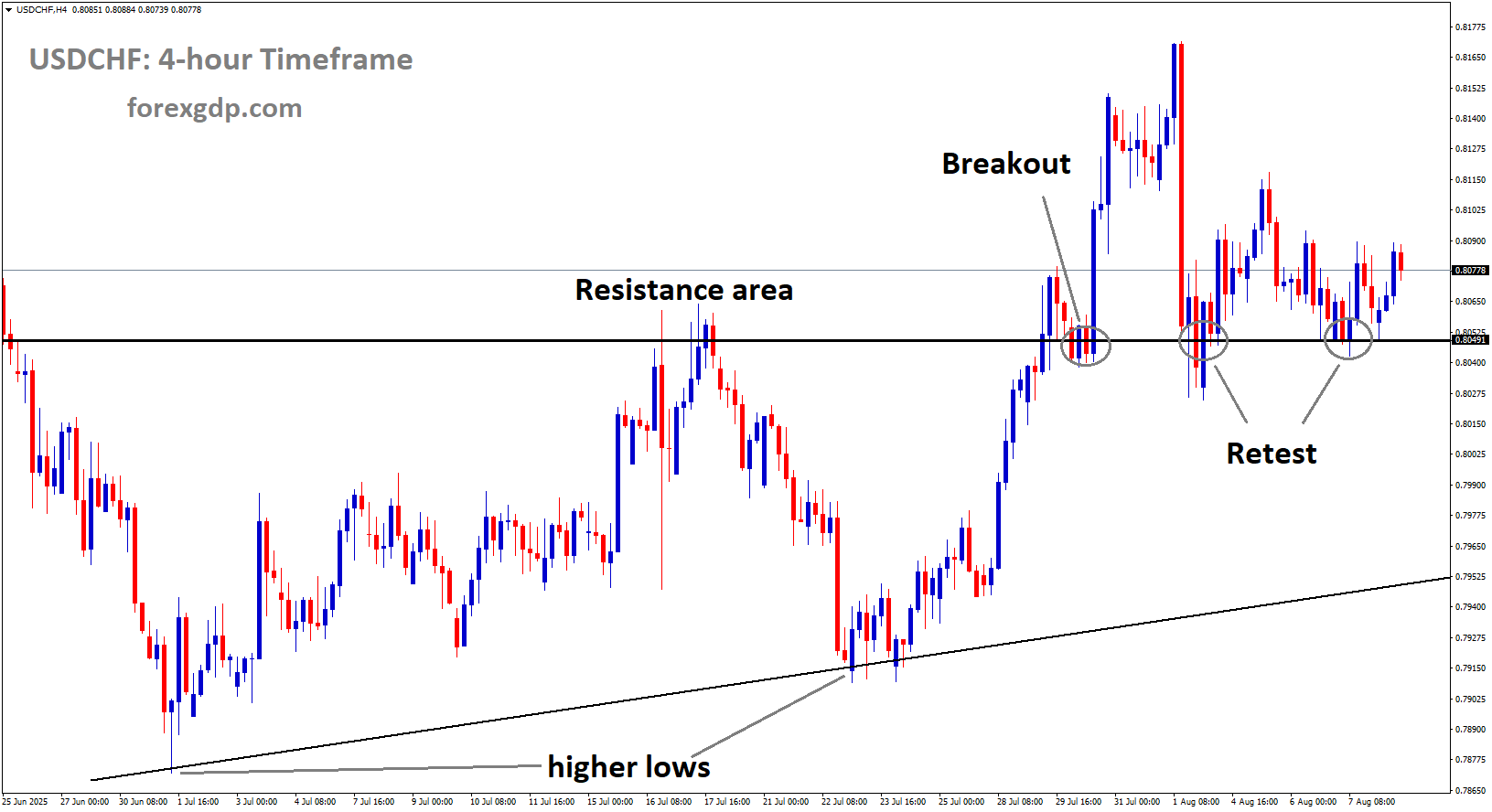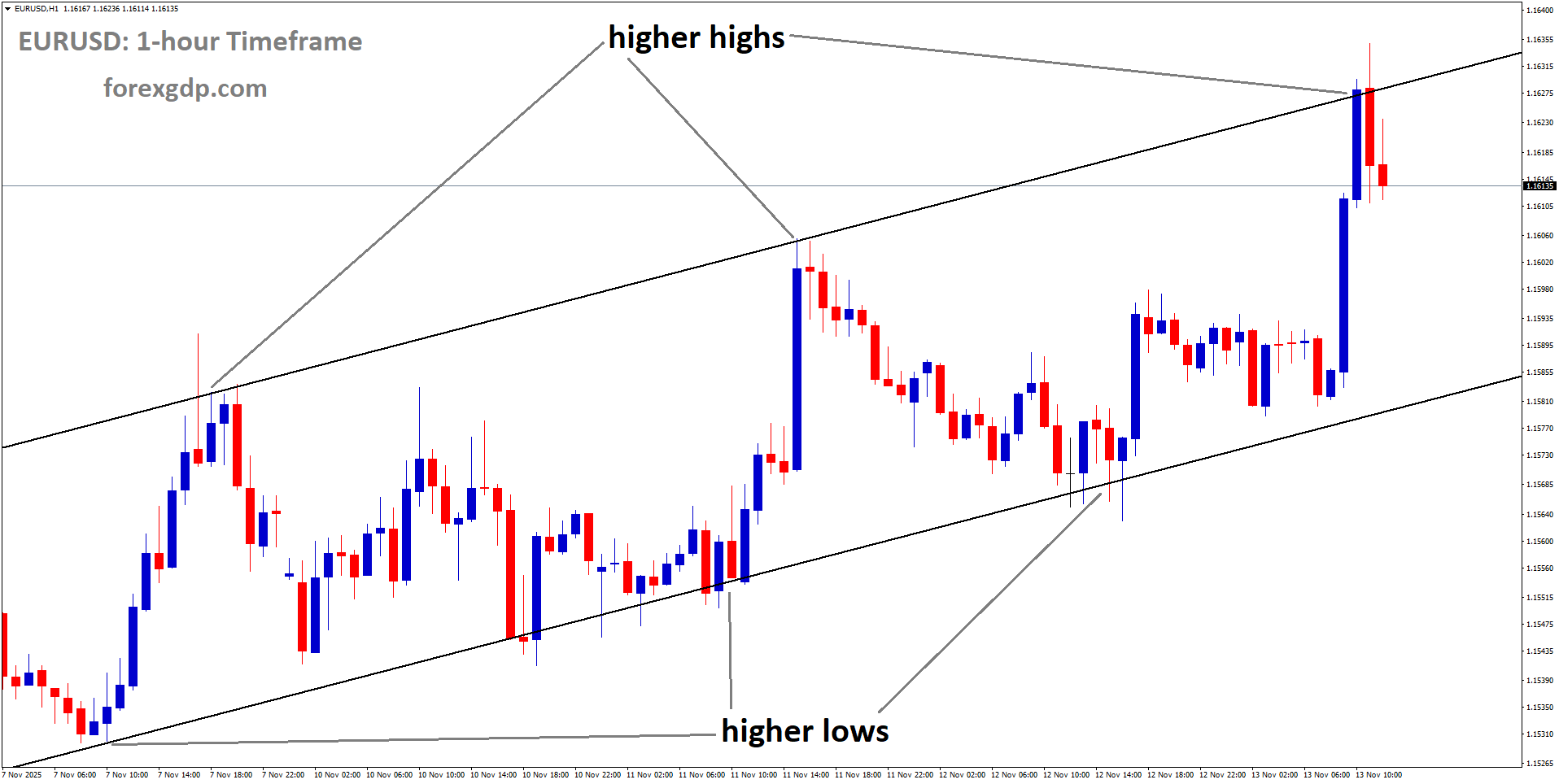
EURUSD is moving in an uptrend channel, and the market has fallen from the higher high area of the channel
EURUSD finds renewed momentum as risk-on mood pressures the Dollar
The Euro has taken a mild step back after touching a fresh two-week peak, yet it continues to trade comfortably above key psychological territory. While the pullback might look concerning at first glance, the broader picture is far from negative. In fact, several fundamental forces are shaping the Euro’s direction, and understanding them helps explain why EUR strength still appears supported despite the latest dip.
Let’s break down the big drivers behind the Euro’s current momentum, the role of improving risk appetite, and how shifting views among US policymakers continue to influence the currency landscape.
A Softer Eurozone Output Reading Slows the Upside, But Doesn’t Break Confidence
Eurozone Industrial Production recently came in lower than expected, and this naturally limited the Euro’s earlier rally. Production expanded only modestly in September, showing a small improvement after the previous month’s decline. On a yearly basis, output held steady, but it missed the stronger growth pace analysts were hoping to see.
Why Industrial Data Matters
Industrial output is often viewed as a pulse check on the region’s economic health. When numbers fall below expectations, it raises questions about manufacturing momentum and overall resilience. But despite the slower-than-expected figures, the data wasn’t weak enough to dramatically shift sentiment. Instead, it simply tempered the Euro’s most recent upward push rather than reversing its broader position.
The Euro’s ability to stay afloat even with a softer economic report suggests that market attention is focused elsewhere for direction—and right now, much of that attention is on developments in the United States.
US Government Reopening Adds Fuel to Global Risk Appetite
One of the biggest market movers this week has been the end of the extended US government shutdown. After more than a month of political stalemate, the reopening has unlocked a wave of optimism that filtered throughout global markets.

A Reopened Government Means Fresh Data
With federal agencies operational again, investors are preparing for a backlog of US economic reports to finally make their way into the market. These reports could offer a clearer view of how the US economy has been performing—but there’s still a twist. The White House has indicated that key releases such as October’s jobs and inflation data may never be published due to disruptions caused by the closure. This creates an unusual information gap that traders must navigate.
Even so, the simple fact that government funding is restored has given market participants a reason to embrace risk once again. When investors feel more confident, they tend to shift toward currencies tied to growth and away from ultra-defensive ones. This environment has helped keep the Euro supported even as its own industrial data underperformed.
Mixed Messages From the US Federal Reserve Keep Dollar Traders Guessing
Another key factor influencing the Euro’s stability is the ongoing divide within the US Federal Reserve. Several Fed officials continue to express conflicting views about what the central bank should do next with interest rates.
The Push for More Rate Cuts
Some policymakers argue that US monetary policy remains too restrictive and may be contributing to softer labor market conditions. One official publicly stated that the current stance risks weighing on employment more than necessary. This perspective aligns with those expecting the Fed to ease policy further in upcoming meetings.
The Cautious Camp Pushes Back
On the other hand, more conservative voices inside the Fed argue that cutting rates again could fuel unwanted inflationary pressure. According to this view, the labour market is not deteriorating enough to justify additional easing. Continued inflation risks, they say, must be taken seriously—especially if consumer price growth begins to accelerate again.
This divergence has left markets uncertain. While some traders continue to price in the possibility of an upcoming rate cut, expectations have been shifting. Recent data and comments have reduced the probability compared to previous weeks. As long as this uncertainty lingers, currency markets will continue to react to every speech, interview, or new projection released by Fed officials.
Dollar Weakness Emerges as Shutdown Ends and Rate Expectations Shift
The US Dollar has been trending lower as traders digest the combined effect of the government reopening, mixed economic signals, and a recalibration of interest-rate expectations. Even though some labor market data pointed to stagnation, the probability of a near-term rate cut has dropped compared to last month.
Why Fed Expectations Matter to EUR/USD
Currency markets respond heavily to interest-rate speculation, and the Euro often strengthens when the Dollar loses momentum due to lower rate-cut expectations or political uncertainty. The same effect is visible now: the Euro remains firm, supported by a friendlier global mood and reduced urgency around aggressive easing in the US.
German Inflation Offers Mild Support but Doesn’t Change the Bigger Picture
Fresh inflation data from Germany showed a slight improvement on the monthly reading, though yearly inflation eased a bit from the previous month. These results didn’t radically impact the Euro, but they did contribute to a sense of stability.
Inflation readings from Germany—Europe’s largest economy—help markets gauge where the European Central Bank (ECB) may lean in the future. While the latest numbers weren’t dramatic, they did reinforce the idea that inflation remains contained. This gives the ECB more room to assess economic conditions gradually rather than rush into abrupt policy adjustments.
What Traders Are Watching Next
Although the US Consumer Price Index was expected to be the main highlight this week, uncertainty around its release has shifted attention elsewhere. Traders are now looking to Fed speakers and budget reports for hints about where policy may be heading.
The lack of fresh inflation data in the US adds an element of unpredictability, which means currency movements could become more sensitive to even minor updates from policymakers.
Final Summary
The Euro’s recent pullback hasn’t changed the broader outlook. Despite softer industrial production figures in the Eurozone, the currency continues to find support from improving global sentiment, the reopening of the US government, and uncertainty around future US monetary policy. Conflicting views within the Federal Reserve, evolving interest-rate expectations, and fresh inflation signals from Germany all contribute to a landscape where EUR remains steady and resilient.
In short, the Euro may not be surging, but it’s holding its ground firmly. With risk appetite improving and US data in flux, the market is still leaning toward a constructive stance on EUR, at least for now.
GBPUSD weakens as UK slowdown and labour market strain weigh on sentiment
The financial markets have been reacting strongly to fresh updates from the United Kingdom and the United States, and one currency that has been feeling the pressure is the Pound Sterling. Recent economic data coming out of the UK has deepened concerns about the country’s economic direction, while political uncertainty and global market shifts have added another layer of complexity. At the same time, developments in the United States have influenced how investors view the broader economic landscape.
In this in-depth breakdown, let’s walk through what’s really happening, why the Pound continues to struggle, and how broader global events are shaping current market sentiment.
UK Economic Worries Grow as New Data Paints a Slowing Picture
Fresh economic figures from the UK have raised eyebrows among analysts and investors. The latest quarterly growth estimate showed the economy expanding at a slower pace than initially expected. While the economy did manage to grow modestly, the pace wasn’t enough to restore confidence or suggest a strong rebound.
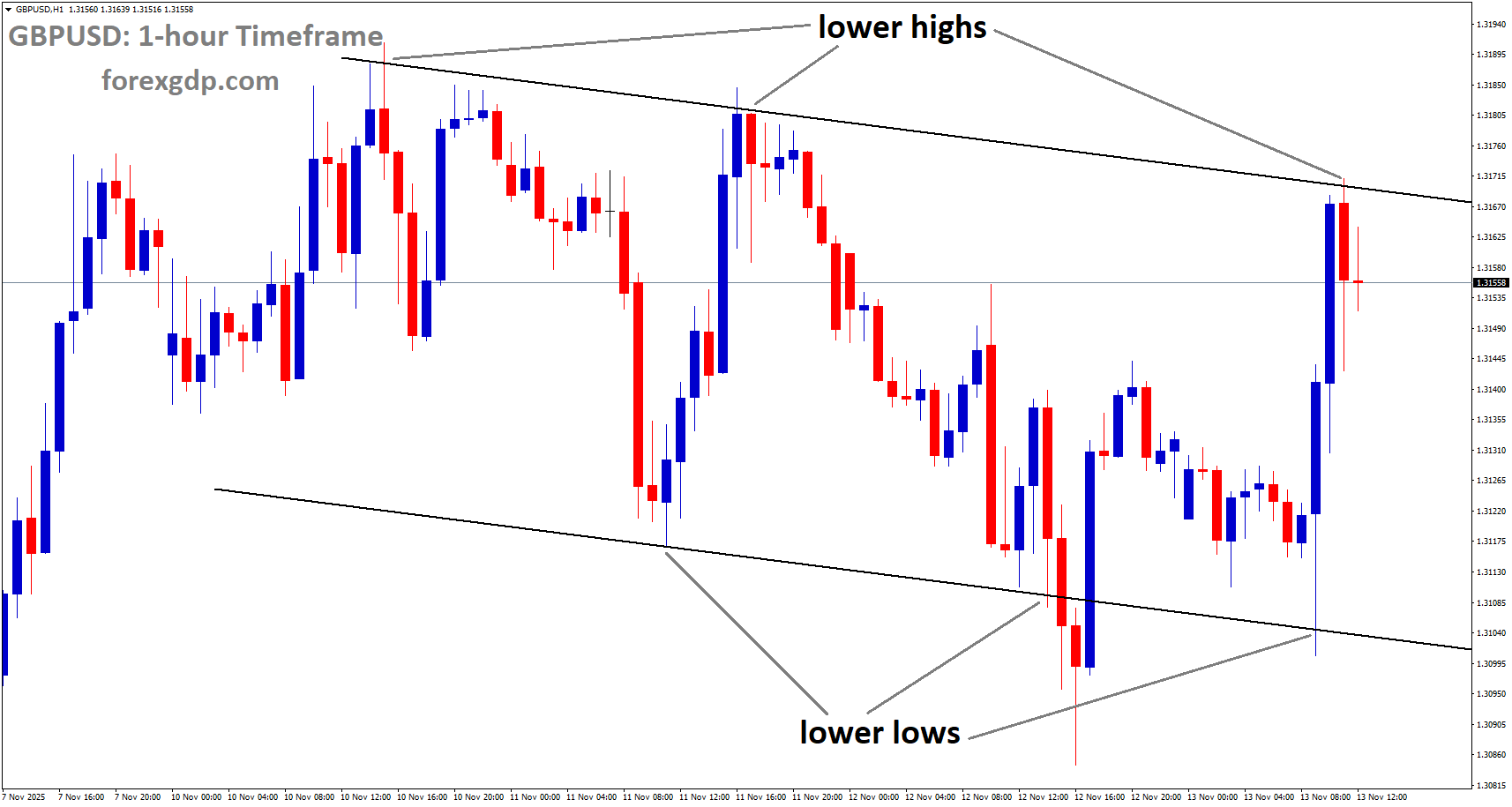
GBPUSD is moving in a descending channel, and the market has reached the lower high area of the channel
A key concern is that this slower growth isn’t limited to a single sector. Various parts of the economy, including overall output and factory activity, have shown signs of fatigue. The slowdown has been building over several months, creating a sense that momentum is fading more quickly than previously anticipated.
Rising Unemployment Deepens the Concern
One of the most troubling signals has come from the labour market. According to recently released data covering the three months ending September, the unemployment rate climbed noticeably and reached the highest level in years. This means more people are struggling to find work at a time when households are already under pressure from rising living costs.
Higher unemployment often affects consumer confidence and spending, and when spending slows, businesses tend to cut back as well. This cycle can make economic recovery more difficult, which is why the latest figures prompted widespread concern.
Declining Industrial Activity Adds More Pressure
Manufacturing and industrial output, which often reflect how healthy the broader production sector is, have also shown declines. These sectors had previously shown brief signs of improvement, but the latest numbers suggest those gains were short-lived. A slowdown in factory output can ripple through other industries, leading to less investment, fewer jobs, and a weaker economic outlook.
With multiple indicators pointing downward, investors have started to wonder whether the UK economy may face a more prolonged period of sluggish performance.
Interest Rate Expectations Shift as the Bank of England Faces Pressure
Economic data often influences expectations about future interest rate moves, and this situation is no different. The weaker-than-expected economic performance has intensified speculation that the Bank of England may soon shift toward lowering interest rates.

Central banks typically cut rates when they want to support growth or help ease financial strain on households and businesses. With the job market showing signs of weakness and overall output slowing, many believe the Bank of England may feel compelled to adjust its stance sooner rather than later.
Even before the latest numbers were released, there had been discussions about whether rate cuts might be needed. Now, with softer labour market data and shrinking output in key sectors, that possibility seems more realistic. Investors are paying close attention to how the Bank will respond in the upcoming meetings and how this could influence the Pound’s momentum in the near future.
Political Uncertainty Continues to Weigh on Sentiment in the UK
Economic uncertainty isn’t the only thing the UK is dealing with right now. The political landscape has become more complicated due to rising tensions within leadership circles. Reports from various media outlets have suggested that key allies of Prime Minister Kier Starmer are attempting to push him out of his position, especially ahead of the Autumn Budget.
This speculation is surfacing at a time when the country is already dealing with financial pressures and high levels of fiscal debt. Political instability, especially when tied to economic decision-making, can make investors more cautious.
When leadership is questioned, markets often react quickly because changing priorities and policies can create unpredictability. With the budget announcement approaching, the political situation is being watched carefully not only by the public but also by investors trying to gauge how future policies may affect the economy.
Global Market Factors: Why the US Is Playing a Big Role in Currency Movements
While the UK deals with its own challenges, developments in the United States have also shaped the global currency environment. The US Dollar has been under pressure recently, largely because investors now expect the Federal Reserve to move toward cutting interest rates again later this year.
Expectations for easier monetary policy in the US often influence global markets. When traders believe the Federal Reserve may lower rates, it can weaken the Dollar and shift flows into other currencies. This has been one of the reasons why the Pound has occasionally found support, even amid its own economic difficulties.
Federal Reserve Signals Softer Policy Ahead
Comments from Federal Reserve officials have reinforced the idea that monetary conditions in the US may ease further. Recently, one of the Fed’s regional presidents highlighted rising risks in the job market and the potential need for additional adjustments next year. Analysts and economists who follow the central bank closely believe that more rate cuts could arrive if employment continues to soften.
Surveys and forecasts from financial institutions have shown that a significant share of economists now predict a reduction in interest rates at the upcoming Fed meeting. These expectations play a major role in shaping market appetite and global currency flows.
US Government Reopens After Historic Shutdown
Another major development in the United States was the reopening of the federal government after the longest shutdown in the country’s history, lasting more than forty days. The closure had raised serious concerns about delays in public services, financial strain on government workers, and potential disruption across multiple sectors. Now that the government has reopened, there is renewed discussion about how political disagreements may continue to influence the US economy moving forward.
How These Developments Are Influencing Market Mood Today
When economic data softens, political uncertainty rises, and central banks signal major shifts in policy, markets tend to become more reactive. That is exactly what has been happening recently. The Pound Sterling has struggled to maintain strength due to the combination of slowing growth, rising unemployment, weaker factory output, and political tension.
At the same time, global investors are weighing the possibility of US interest rate cuts and reacting to major political events like the reopening of the US government. These cross-currents create a complex environment where currencies can fluctuate rapidly.
The overall mood among investors right now leans toward caution. Many are watching for updates from key central banks, upcoming economic reports, and political developments that could determine how the market behaves going forward.
Final Summary
The Pound Sterling has been facing significant pressure due to a combination of slowing UK economic growth, rising unemployment, and shrinking industrial activity. Expectations that the Bank of England may soon cut interest rates have added to the cautious mood. Political uncertainty surrounding the UK leadership has only intensified concerns.
Globally, the US Dollar has been influenced by expectations of more rate cuts from the Federal Reserve and the reopening of the US government after a historic shutdown. These factors have shaped how investors view major currencies and contributed to shifting market sentiment.
Altogether, the financial environment remains sensitive and unpredictable, with both economic data and political events shaping how currencies move. Investors are watching closely for the next round of updates that could signal where the markets may head next.
USDJPY Struggles Heat Up as BoJ’s Mixed Signals Weigh on the Yen
The Japanese Yen (JPY) has been having a rough ride lately, and if you’ve been watching the currency markets, you might be wondering why it’s staying weak against the US Dollar (USD). While a lot is happening globally, there are some clear reasons behind the Yen’s current struggles. And no—it’s not just about charts or price levels.
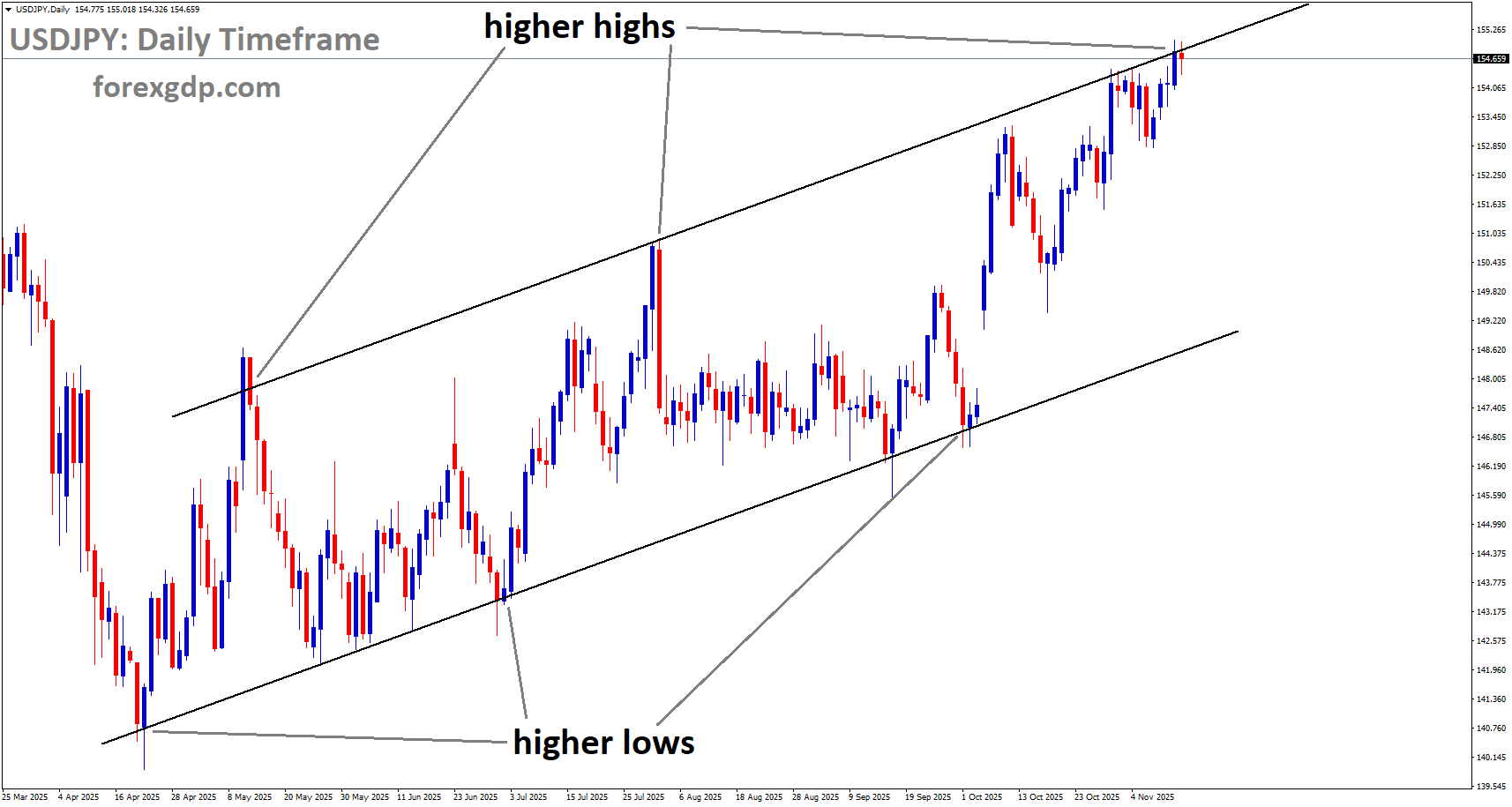
USDJPY is moving in an uptrend channel, and the market has reached a higher high area of the channel
Let’s dive into what’s really going on, in simple terms, so you can get a better idea of what’s driving the Japanese Yen and how broader political and economic decisions are playing a big role here.
Japan’s Economic Strategy Is Keeping the Yen Down
One of the biggest reasons the Yen has been under pressure is the uncertainty around how—and when—the Bank of Japan (BoJ) will start raising interest rates. For a long time, Japan has kept interest rates extremely low. That’s part of a strategy known as “Abenomics,” which is aimed at boosting the economy through government spending and very loose monetary policy.

Now, Japan’s new Prime Minister Sanae Takaichi seems keen to stick with that same strategy. She’s made it clear that she prefers to keep interest rates low to support economic growth. That alone makes investors less confident in the Yen. Why? Because when interest rates are low, it makes a country’s currency less attractive to hold—especially when other countries, like the U.S., might start cutting rates slower or keep them higher for longer.
Even though BoJ Governor Kazuo Ueda recently said that inflation is slowly moving toward the bank’s 2% goal—something that could eventually lead to rate hikes—there’s still no strong commitment to act anytime soon. That mixed messaging only adds to the uncertainty.
Political Comments and Currency Warnings Add Fuel to the Fire
Japan’s Finance Minister, Satsuki Katayama, has also weighed in. She mentioned that the government is watching the Yen closely and could take action if it continues to weaken. That’s a subtle way of saying they might step in and try to strengthen the Yen if things get worse.
But at the same time, she also emphasized the government’s focus on maintaining economic stability and working with the BoJ. Again, this shows that Japan is prioritizing economic growth over quick policy changes. And for currency investors, that’s a sign that the Yen won’t be getting much support from higher interest rates any time soon.
This kind of cautious approach is making it harder for the Yen to recover. Even though there’s talk of action, the lack of concrete steps keeps investors guessing.
A Stronger Global Mood Is Hurting the Yen’s Safe-Haven Appeal
Another key piece of the puzzle is how the world sees the Yen as a “safe-haven” currency. When global events get shaky—like political uncertainty or financial market stress—investors often move their money into safer places. The Yen, historically, has been one of those places.
But right now? That safe-haven demand just isn’t there.
One big reason is that the U.S. government just reached a deal to end its long-running shutdown. That’s taken a lot of stress off global markets and given investors a reason to take on more risk again. When markets are feeling good, there’s less demand for the Yen.
So, even though the Yen usually gets a boost during uncertain times, it’s being overshadowed by a sense of relief and optimism in other parts of the world.
The U.S. Dollar Isn’t Exactly Dominating Either
Interestingly, even though the Yen is weak, the U.S. Dollar hasn’t been particularly strong either. That’s because there are growing concerns about the American economy, especially after recent data showed slowing job growth and falling consumer confidence.
Investors are also betting that the Federal Reserve could cut interest rates in the coming months. If those cuts happen, it could reduce the appeal of the Dollar too.
Right now, traders are watching every comment coming from Fed officials to get a better sense of where things might go next. Any hint of further rate cuts could keep the Dollar from gaining too much strength—even against a weak Yen.
What’s Holding Traders Back From Making Big Moves?
Here’s the interesting part: Despite everything going on, traders aren’t rushing in to bet heavily against the Yen. Why? It’s because there’s still a lot of uncertainty, especially about possible government intervention.
When a country’s currency drops too quickly, governments sometimes step in and try to stop the slide. Japan has done this before, and with officials now openly warning about currency moves, there’s always the chance they could do it again.
That risk of intervention is keeping investors cautious. Nobody wants to be caught on the wrong side of a sudden move if the Japanese government decides to act.
So, even though the overall direction for the Yen looks weak, it’s not a clear-cut path, and that’s keeping the market from getting too aggressive.
A Quick Recap: Why the Yen Is Still Struggling
Let’s tie it all together. The Japanese Yen is facing a perfect storm of factors that are keeping it down:
-
No strong commitment from Japan’s central bank to raise interest rates anytime soon.
-
Prime Minister Takaichi supports low rates and continued economic stimulus, which puts more pressure on the Yen.
-
Finance officials are sending mixed signals—warning about currency weakness but not taking direct action (yet).
-
Improved global confidence, thanks to the U.S. avoiding a shutdown, has weakened the Yen’s safe-haven appeal.
-
The U.S. Dollar isn’t much stronger either, but worries about Fed rate cuts are keeping the balance in check.
-
Traders are staying cautious, unsure if or when Japan might intervene in the currency markets.
Final Thoughts: What to Watch Going Forward
The Yen’s current weakness isn’t just about numbers on a chart—it’s the result of real-world decisions, political shifts, and global sentiment. If you’re keeping an eye on this currency, focus less on the day-to-day movements and more on the big-picture trends.
Will Japan finally shift away from its ultra-loose policies? Could intervention come sooner than expected? And how will the U.S. economy perform in the coming months?
These are the kinds of questions that will shape where the Yen goes next. So stay curious, keep an ear out for updates from central banks and political leaders, and watch how the global mood continues to shift. That’s what really drives these moves behind the scenes.
USDCAD Drops as Investors Favor Riskier Assets and the Dollar Pulls Back
When markets shift into a risk-on mood, currencies can swing quickly—and that’s exactly what has been happening with the US Dollar against the Canadian Dollar. Over several days, the greenback has been losing ground, slipping below a key psychological zone as investors lean toward riskier assets. This shift didn’t happen in isolation. It came right after the reopening of the US government, a development that helped boost confidence across financial markets.
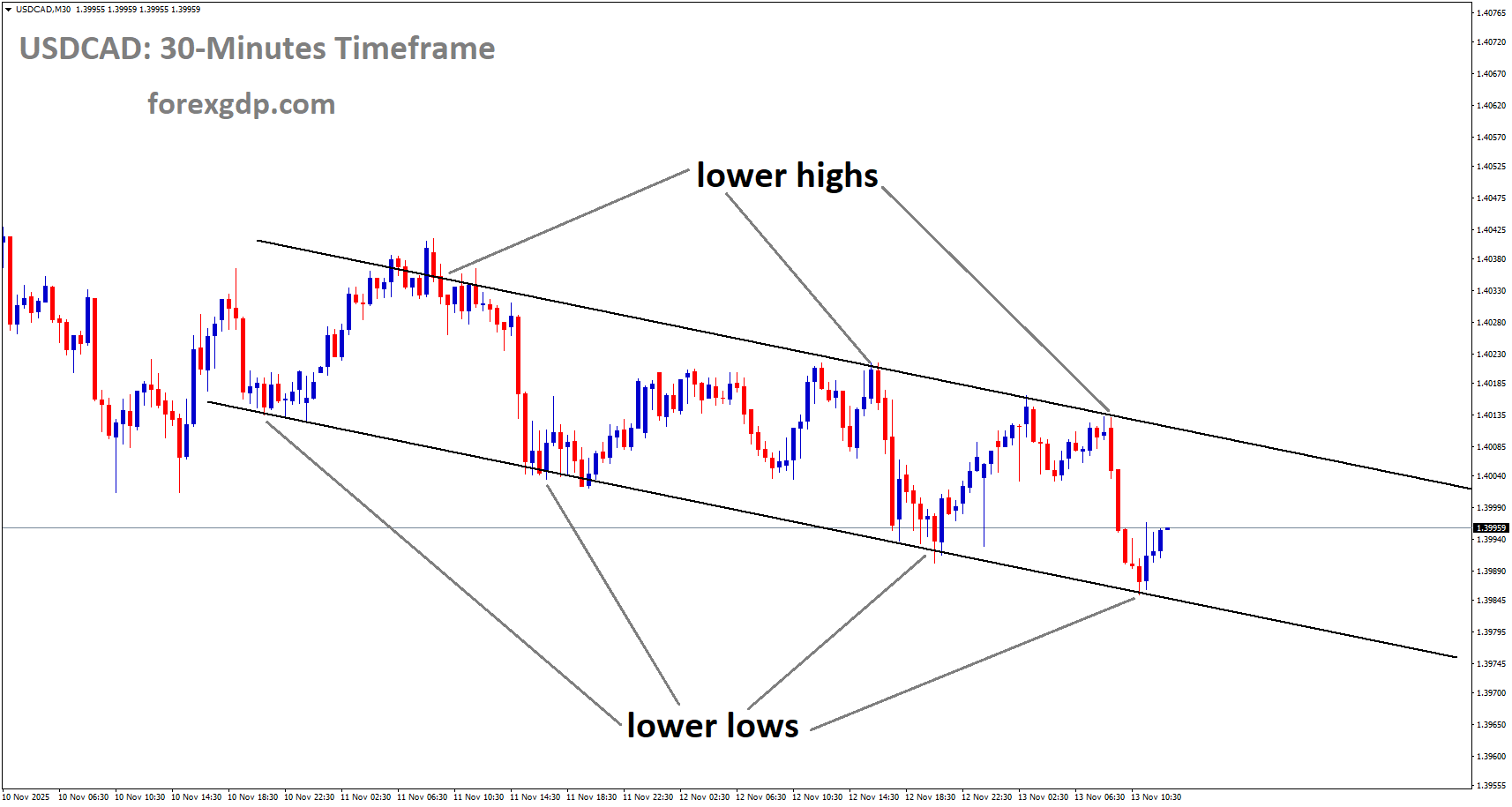
USDCAD is moving in a descending channel, and the market has rebounded from the lower low area of the channel
With political tensions calming and the immediate uncertainty fading, traders naturally started to adjust their strategies. When investors feel more comfortable taking risks, they often move away from the US Dollar, which is commonly seen as a safer option, and put their money into currencies linked to growth, including the Canadian Dollar. That’s why the Loonie has been gaining momentum while the USD continues to weaken.
The Impact of the US Government Reopening
One of the biggest drivers behind this recent movement is the surprising turn of events in Washington. After a long period of gridlock, the US government finally reopened once the President signed the appropriate funding bill. This step helped restore some confidence, not only in political stability but also in the flow of important economic information.
When the government shuts down, a large amount of economic data is delayed or disrupted. Investors rely on regular reports because they help gauge where the economy is heading and what central banks might do next. With the government back in motion, traders are expecting to receive many of the pending reports they’ve been waiting for. However, some updates—such as certain employment and inflation figures—might not ever be released due to how far behind the schedule became. Even so, the reopening has lightened the atmosphere and encouraged a shift back toward growth-oriented assets.
Mixed Signals from the Federal Reserve
While the political situation has calmed slightly, the outlook from the US Federal Reserve remains divided. Recent comments from various Fed officials have shown just how different their perspectives are on what should come next for monetary policy.
Some policymakers argue that the economy still needs more support and that easing policy further would help prevent deeper strain on the labour market. Others believe inflation is becoming more of a concern and caution against making cuts too quickly. These contrasting views have created uncertainty, making it harder for investors to form strong expectations about upcoming decisions.
This tension within the central bank has already affected rate cut predictions. A few weeks ago, most traders were almost certain that the Fed would lower rates soon. But now, confidence in that possibility has faded. Even though a cut is still on the table, expectations are nowhere near as strong as they were previously. This shift in sentiment has also contributed to the Dollar’s weakness, as the currency tends to soften when investors see the possibility of looser monetary policy.
What’s Strengthening the Canadian Dollar?
While the US Dollar has been softening, the Canadian Dollar has been quietly climbing, supported by a mix of local optimism and shifting expectations. One of the biggest boosts came from Canada’s recent employment data, which showed stronger performance than many had expected. When job markets look solid, confidence naturally rises, and the currency often follows.

Another key factor has been the Bank of Canada’s cautious stance on future policy adjustments. Instead of signalling an immediate need for further easing, the central bank has taken a more careful approach. This doesn’t necessarily mean rate cuts are off the table, but it shows the bank doesn’t feel pressured to move quickly. For investors, that type of stability can be reassuring. When one central bank is showing patience while another is divided, it’s not surprising to see their currencies react differently.
Together, stronger labour data and a steadier policy outlook have pushed traders to reassess their expectations, giving the Canadian Dollar some solid footing at a moment when the USD is losing traction.
A Broader Shift in Market Sentiment
The current movement between the US Dollar and the Canadian Dollar isn’t just a story about one event or one country. It reflects a wider change in sentiment across global markets. When uncertainty eases, even if only slightly, investors start to look for opportunities they may have avoided before. Currencies tied to economic growth or commodity markets—like the CAD—tend to perform better in these environments.
At the same time, the back-and-forth signals from the Federal Reserve have kept pressure on the USD. With no clear direction and a wide range of opinions among policymakers, traders have found fewer reasons to favor the Dollar in the short term.
Canada, meanwhile, benefits whenever global markets show signs of optimism. Its economy is closely connected to commodities and global trade, so improved risk appetite often plays in its favor.
Final Summary
The recent slide in the US Dollar against the Canadian Dollar is the result of several overlapping factors. The reopening of the US government removed a major layer of uncertainty and encouraged investors to take on more risk. Conflicting views within the Federal Reserve added to the Dollar’s weakness, as traders began reassessing how likely future rate cuts might be. Meanwhile, the Canadian Dollar found support in stronger employment data and a steady, cautious stance from the Bank of Canada. Combined, these elements have helped the Loonie gain ground during a time when global markets are showing renewed optimism.