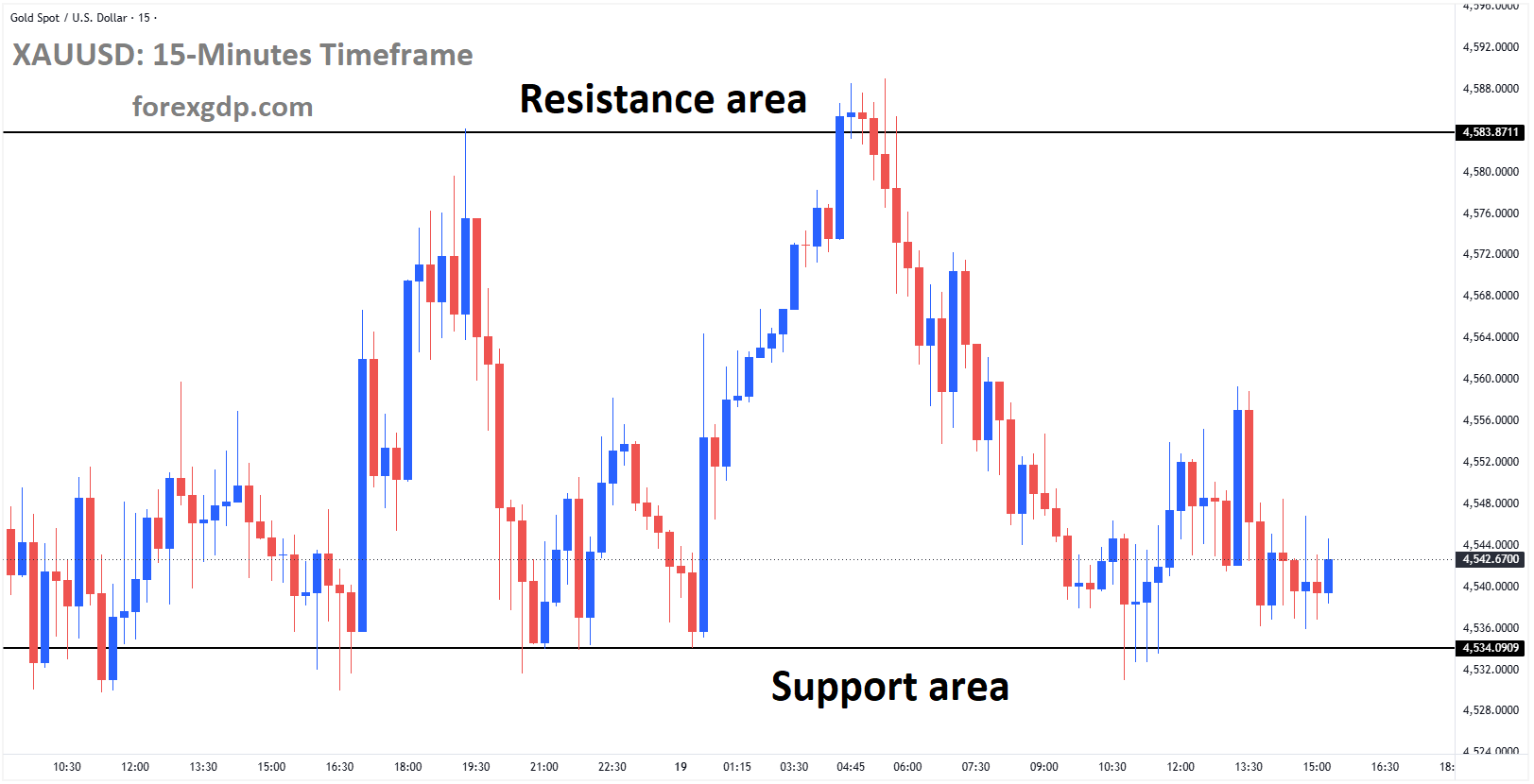
OIL/USD pushes upward as war threats intensify global oil concerns
Oil markets are once again in the spotlight as geopolitical tensions in the Middle East push prices higher. West Texas Intermediate (WTI), one of the most widely followed oil benchmarks, has climbed sharply, gaining more than 10% in a short period. This sudden rise reflects growing fears about global supply disruptions, especially as uncertainty surrounds key shipping routes and political developments.
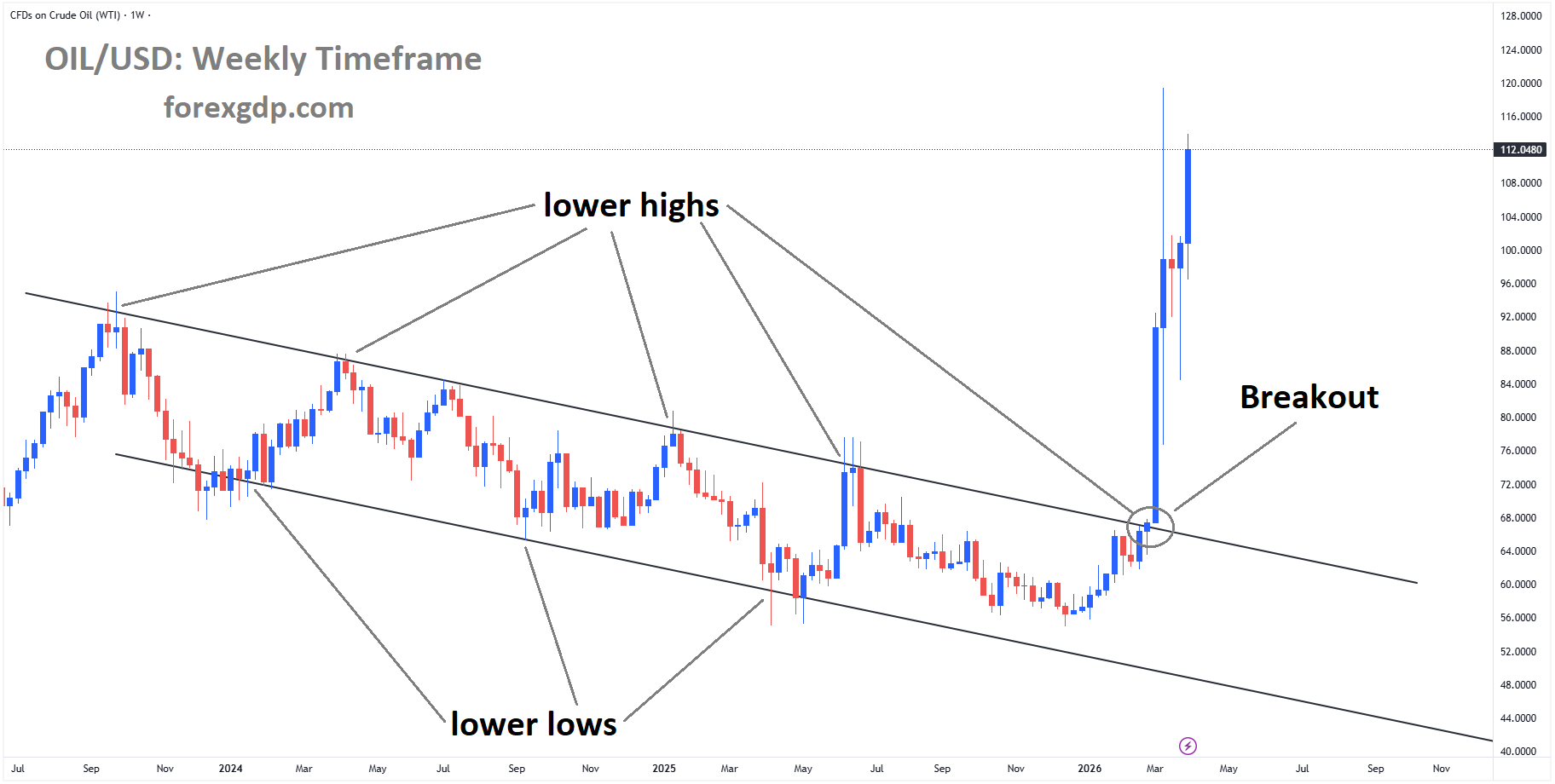
Crude Oil has broken the descending channel on the upside.
The situation has drawn attention from governments, energy markets, and investors worldwide, all trying to understand how events may unfold in the coming weeks.
Rising Tensions Between the US and Iran Shake Oil Markets

The recent surge in oil prices is closely linked to renewed tensions between the United States and Iran. Statements from former US President Donald Trump have raised concerns about possible military escalation in the region.
Trump warned that stronger military action against Iran could take place within the next two to three weeks. While such statements are not new in global politics, the timing and tone have created fresh anxiety in energy markets. Importantly, there has been no clear communication about efforts to stabilize the situation or ensure safe oil transport routes.
One of the biggest uncertainties remains the Strait of Hormuz, a critical waterway through which a large portion of the world’s oil supply passes. Any threat to this route immediately affects global supply expectations, which in turn pushes oil prices higher.
Trump also highlighted damage to infrastructure in Tehran, signaling that tensions could escalate further. At the same time, he urged Iran to reach an agreement, suggesting that diplomatic options are still on the table, though not clearly defined.
Iran’s Response Signals No Immediate Retreat
Iran has responded strongly to recent developments, making it clear that it does not intend to back down under pressure. Iranian Foreign Minister Abbas Araghchi stated that recent attacks on civilian infrastructure would not weaken Iran’s position.
Instead, he described these actions as a sign of weakness from the opposing side. According to him, such moves reflect instability rather than strength. This response indicates that tensions are unlikely to ease quickly, adding to concerns in global markets.

Crude Oil is breaking the higher high area of the Ascending channel.
The situation remains delicate, with both sides showing firm positions. For oil traders and analysts, this means uncertainty is likely to continue, keeping prices elevated in the near term.
Strait of Hormuz Becomes the Center of Global Attention
The Strait of Hormuz plays a crucial role in global energy supply. Any disruption in this narrow passage can have immediate and widespread effects on oil availability worldwide.
Recent reports suggest that Iran and Oman are working together to manage and monitor tanker movements through this vital route. Iranian Deputy Foreign Minister Kazem Gharibabadi confirmed that a draft agreement is being finalized, with discussions expected to begin soon.
Efforts to Create a Monitoring Framework
The proposed plan aims to establish a joint system to oversee oil transit through the Strait. This could help reduce risks and ensure safer passage for tankers. However, while the idea offers some hope, it has not yet been fully implemented.

Crude Oil is moving in an uptrend channel, and the market has rebounded from the higher low area of the channel
Early optimism in the market faded quickly, as traders remain cautious about how effective such a framework would be in practice. The region’s political complexity means that agreements can take time to develop and even longer to enforce.
Global Cooperation Attempts
Meanwhile, the United Kingdom has taken steps to address the situation by organizing virtual discussions with around 40 countries. The goal is to find ways to secure safe passage through the Strait and prevent disruptions.
Interestingly, the United States is not part of these discussions. Trump has stated that reopening and securing the route is not America’s responsibility, instead encouraging European nations to take the lead.

Crude Oil is moving in a box pattern, and the market has reached the resistance area of the pattern.
This shift in responsibility adds another layer of uncertainty, as coordinated global action is often needed to manage such complex situations effectively.
Oil Prices Reflect Growing Supply Risks
The sharp rise in WTI oil prices reflects how sensitive the market is to supply risks. Even the possibility of disruption can drive prices higher, as traders try to anticipate future shortages.
After experiencing losses earlier, oil prices quickly rebounded, showing how fast sentiment can change. The recent gains of over 10% highlight the market’s reaction to geopolitical developments rather than changes in actual supply levels.
Short-Term vs Long-Term Impact

In the short term, the main concern is whether oil shipments will continue without interruption. Any delay or restriction in supply can push prices even higher.
In the longer term, the situation could influence global energy strategies, with countries looking for more stable supply sources or alternative energy solutions.
Role of OPEC+ and Production Plans
There are also discussions within OPEC+ about increasing oil production to ease supply concerns. However, any additional output is unlikely to have an immediate impact.
Production changes take time, and the current market reaction is driven more by uncertainty than actual shortages. As a result, prices remain sensitive to news and political developments.
Market Sentiment Remains Uncertain
The current situation highlights how quickly market sentiment can shift. Positive developments, such as talks between Iran and Oman, can briefly ease concerns. However, these moments of optimism are often short-lived if broader tensions remain unresolved.

Crude Oil is moving in an ascending channel, and the market has reached a higher high area of the channel.
Investors and analysts are closely watching every update, from political statements to diplomatic efforts. Each new piece of information can influence expectations and drive price movements.
The lack of clear direction from major players adds to the uncertainty. Without a coordinated approach, the situation may continue to create volatility in the oil market.
What This Means for the Global Economy
Rising oil prices have a direct impact on the global economy. Higher energy costs can affect transportation, manufacturing, and everyday expenses for consumers.
Countries that rely heavily on oil imports may face increased pressure, while oil-producing nations could benefit in the short term. However, prolonged instability is rarely positive for the global economy as a whole.

Crude Oil is moving in an uptrend channel, and the market has reached a higher high area of the channel.
Businesses and governments will need to adapt to these changing conditions, especially if tensions continue or escalate further.
Summary
WTI oil prices have climbed sharply due to rising concerns about supply disruptions linked to geopolitical tensions between the United States and Iran. Uncertainty surrounding the Strait of Hormuz, a key global oil route, has become a major driver of market movement.
While efforts are being made to manage the situation through international discussions and proposed agreements, the lack of clear coordination keeps markets on edge. Iran’s firm stance and warnings of potential military escalation add to the uncertainty.
As a result, oil prices remain highly sensitive to political developments, with short-term fluctuations likely to continue. The situation serves as a reminder of how closely global energy markets are tied to geopolitical events and how quickly conditions can change.
XAUUSD Pulls Back Ahead of Key US Jobs Data While Downside Pressure Stays Limited
Gold prices saw a mild decline during the early hours of Friday’s Asian trading session, hovering around the $4,675 level. The movement comes at a time when global markets are reacting to rising oil prices, shifting expectations around US interest rates, and ongoing geopolitical developments. At the same time, trading activity has slowed due to the Good Friday holiday, leaving investors cautious and waiting for clearer signals.
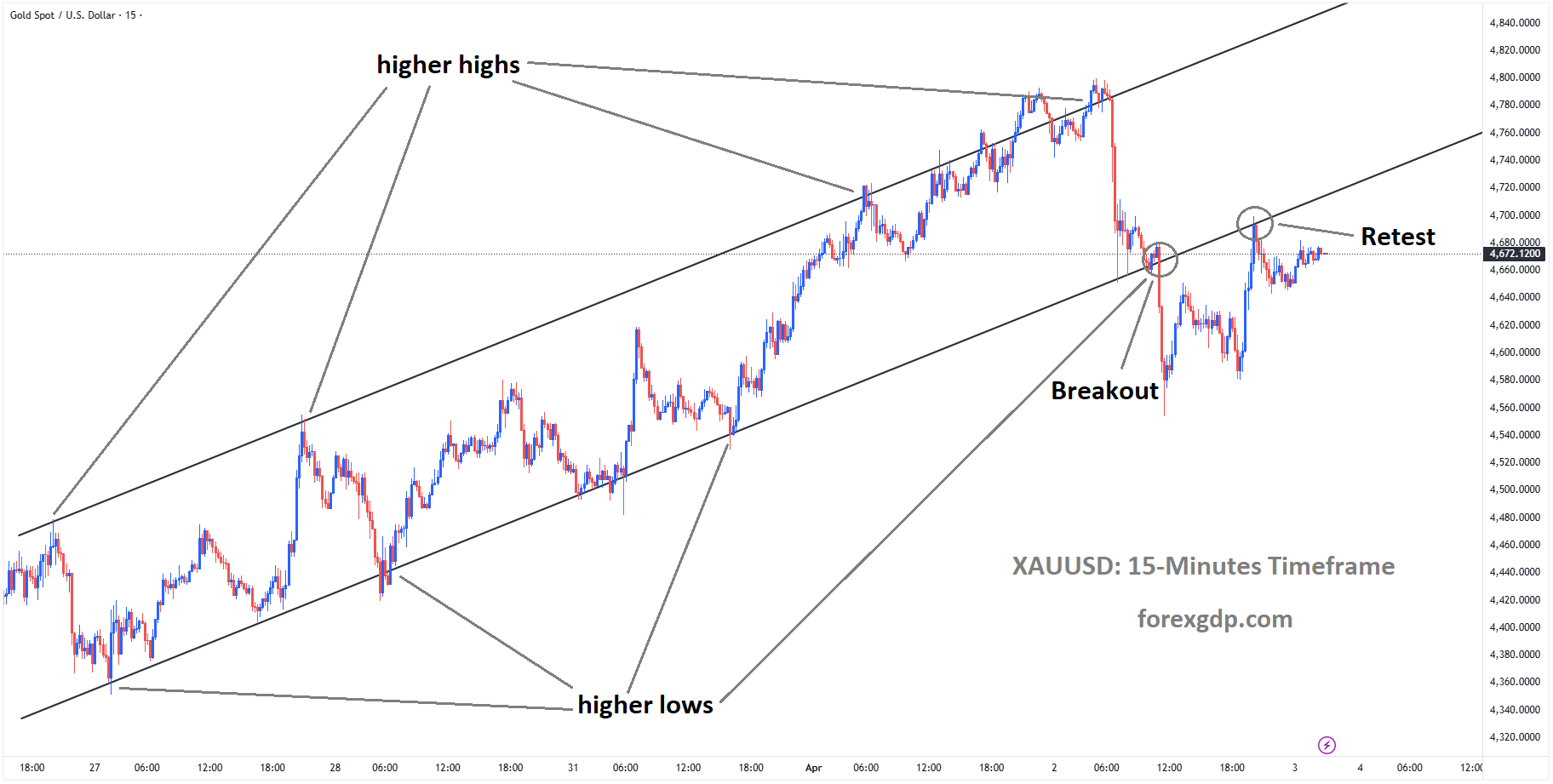
XAUUSD is falling from the retest area of the broken Ascending channel
Why Gold Prices Are Slipping
Gold is often viewed as a safe-haven asset, meaning investors turn to it during times of uncertainty. However, its recent decline shows how multiple factors can influence its value at once.
One of the key reasons behind the dip is the recent surge in oil prices. Comments from US President Donald Trump regarding the situation with Iran have created fresh concerns in the energy market. He stated that US objectives in Iran are close to being achieved but warned of strong military action in the coming weeks.

These statements pushed crude oil prices higher. When oil prices rise, inflation concerns usually follow. Higher inflation often leads central banks, like the US Federal Reserve, to keep interest rates elevated or delay cutting them. This creates a challenge for gold.
Gold does not provide interest or yield. So, when interest rates are high, investors may prefer assets that offer returns, such as bonds or savings instruments. As a result, gold becomes slightly less attractive in comparison.
The Role of Interest Rates in Gold Demand
Interest rates play a crucial role in determining gold’s appeal. When rates are low, gold tends to shine because the opportunity cost of holding it is minimal. However, when rates rise, holding gold can feel like a missed opportunity.
The recent rise in oil prices has changed expectations about future interest rate decisions in the US. Investors now believe that rate cuts may not happen as soon as previously expected. This shift has added pressure on gold prices.

XAUUSD is moving in a descending channel, and the market has rebounded from the lower low area of the channel
At the same time, the US Dollar has also played a part. A stronger dollar makes gold more expensive for buyers using other currencies, which can reduce demand. Although the dollar’s strength has slightly eased, it still remains an important factor influencing gold’s movement.
Low Trading Activity Adds to Market Uncertainty
Another important element shaping the current market environment is low trading volume. Many financial markets are closed due to the Good Friday holiday, leading to reduced participation from traders and investors.
When fewer participants are active, price movements tend to be smaller and less decisive. This creates a wait-and-watch atmosphere where investors avoid making large moves until more information becomes available.
In such conditions, even small pieces of news can cause noticeable shifts in prices. However, these moves are often temporary and may not reflect a long-term trend.
Focus Shifts to US Jobs Data
All eyes are now on the upcoming US Nonfarm Payrolls (NFP) report for March. This data is one of the most closely watched indicators of the health of the US economy.
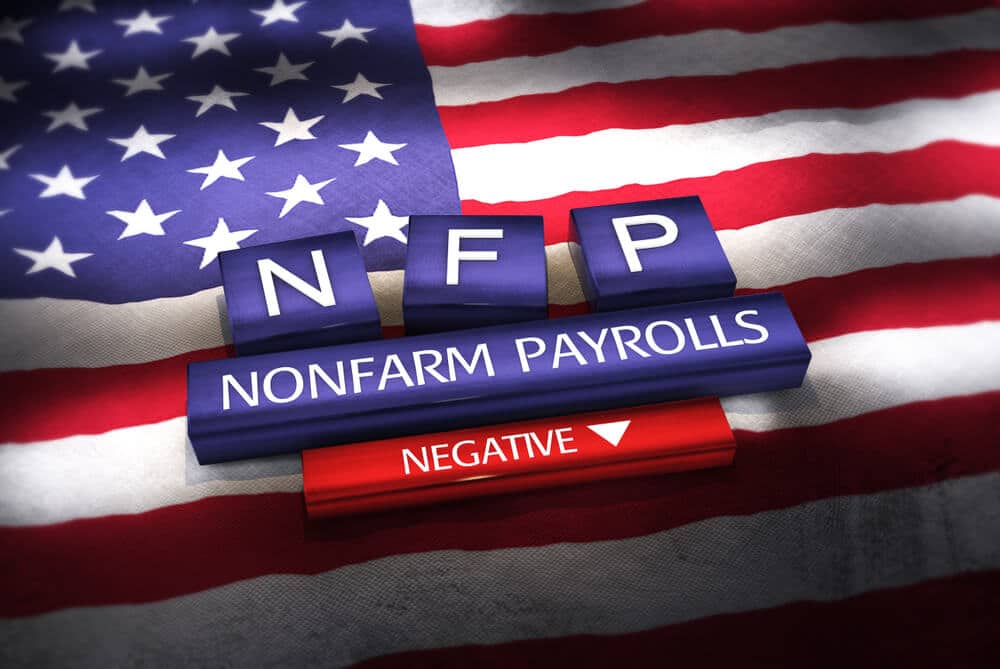
The market is expecting an increase of around 60,000 jobs, while the unemployment rate is projected to remain steady at 4.4%. These numbers will provide valuable insights into how strong the labor market currently is.
What Strong Data Could Mean
If the jobs data comes in stronger than expected, it would suggest that the US economy is still performing well. This could reinforce the idea that interest rates will stay higher for longer.
In such a scenario, gold may face additional pressure, as investors may shift toward interest-bearing assets.
What Weak Data Could Mean
On the other hand, if the data disappoints and shows slower job growth or rising unemployment, it could weaken the US Dollar. A weaker dollar often supports gold prices because it makes gold cheaper for international buyers.
This could provide some relief for gold and potentially push prices higher in the short term.
Gold’s Current Price Trend
Despite the recent pullback, gold has managed to hold above an important level near $4,600. This suggests that the broader upward trend that started in late March is still intact.
Earlier in the week, gold reached highs close to $4,800 before pulling back. The current price action shows that while there is some selling pressure, buyers are still stepping in at lower levels.
This balance between buyers and sellers reflects the uncertainty in the market. Investors are not fully bearish on gold, but they are also cautious due to the changing economic outlook.
Geopolitical Tensions Still Matter
Although rising interest rates are currently weighing on gold, geopolitical tensions continue to provide underlying support.

XAUUSD is moving in an Ascending channel, and the market has fallen from the higher high area of the channel
The situation involving the US and Iran remains a key factor. Any escalation could increase uncertainty in global markets, which typically benefits gold.
Historically, gold has performed well during times of conflict or instability. Even though it is currently facing pressure from economic factors, geopolitical risks could quickly shift sentiment in its favor.
The Bigger Picture for Gold Investors
For those following gold closely, the current situation highlights how interconnected global markets have become. Oil prices, interest rates, currency movements, and geopolitical events are all influencing gold at the same time.
This creates a complex environment where prices can change direction quickly based on new information.
Short-Term Outlook
In the near term, gold is likely to remain sensitive to economic data, especially the US jobs report. Low trading volumes may also continue to limit large price swings until markets fully reopen.

XAUUSD is moving in an uptrend channel, and the market has rebounded from the higher low area of the channel
Long-Term Considerations
Over the longer term, gold’s role as a store of value and hedge against uncertainty remains unchanged. While short-term fluctuations are common, many investors continue to see gold as an important part of a diversified portfolio.
Final Thoughts
Gold’s recent dip reflects a mix of rising oil prices, shifting expectations around US interest rates, and cautious market behavior during a holiday period. While higher interest rates are currently limiting its appeal, ongoing geopolitical tensions and upcoming economic data could quickly change the outlook.
The focus now turns to the US jobs report, which will likely set the tone for gold’s next move. Whether the data supports or challenges current expectations, it will play a key role in shaping investor sentiment in the days ahead.
For now, gold remains in a holding pattern, with markets waiting for clearer direction before making their next big move.
BTCUSD: How a Possible Iran Offensive by the US Could Reshape Bitcoin’s Path
The ongoing conflict in the Middle East has become one of the most important forces influencing global financial markets. As the situation shifts between periods of tension and temporary calm, investors around the world are constantly adjusting their strategies. These changing conditions have created a pattern of uncertainty, where confidence rises and falls depending on how the conflict develops.

BTCUSD is falling from the retest area of the broken Ascending channel
Overall, the impact has leaned negative. Many investors are stepping away from riskier assets and moving toward safer options. This shift has affected currencies, stocks, and cryptocurrencies in different ways, reshaping how people view risk in uncertain times.
Global Market Reactions to Rising Tensions
Since the conflict began, global markets have shown clear signs of stress. The US Dollar has strengthened, acting as a safe place for investors during uncertain periods. At the same time, stock markets across the world have struggled, reflecting concerns about economic stability and future growth.

Bitcoin and the broader cryptocurrency market have behaved somewhat differently. Instead of sharp movements, Bitcoin has mostly moved sideways. This is partly because the crypto market had already gone through a significant correction before the conflict began. As a result, the war did not trigger an immediate crash, but it has added pressure that limits any strong recovery.
Despite this relative stability, the overall mood remains cautious. Investors are watching closely, especially as new developments hint at possible escalation.
Growing Concerns About Military Escalation
One of the biggest worries right now is the possibility of a direct ground operation by the United States. What began as an air-focused campaign has slowly evolved into a more complex and prolonged conflict. Reports suggest that military presence in the region has increased, with additional troops and specialized forces being deployed.
This buildup has raised questions about what might come next. If the conflict expands beyond air operations, it could significantly change the global economic outlook. Historically, major military decisions have sometimes been made during weekends, when financial markets are closed. This timing can amplify market reactions once trading resumes.

BTCUSD is moving in a descending channel, and the market has fallen from the lower high area of the channel
The longer the conflict continues, the more uncertainty it creates. And in financial markets, uncertainty often leads to caution.
Potential Impact on Bitcoin and Cryptocurrencies
If the conflict escalates further, especially with ground involvement, the effects on Bitcoin and the broader crypto market could become more noticeable. Several key factors could drive this impact.
Global Inflation Pressures
One major concern is the effect on global energy supply. The Middle East plays a critical role in oil production, and any disruption can ripple across the world. Countries that rely heavily on oil imports may face rising costs, which can push inflation higher.
At a time when many central banks are already dealing with elevated inflation, this creates a difficult situation. Higher inflation often leads to tighter monetary policies, such as maintaining higher interest rates. For cryptocurrencies, this is not ideal. When borrowing becomes more expensive and liquidity decreases, investors tend to reduce exposure to riskier assets like Bitcoin.
Shift Toward Safer Investments

During times of conflict, investors usually prefer stability over potential high returns. This behavior is often described as a “risk-off” environment. In such conditions, money flows away from volatile assets and into safer ones like government bonds or strong currencies.
Although Bitcoin is sometimes described as “digital gold,” it has not yet reached the same level of trust as traditional safe-haven assets. Many investors still see it as a developing and unpredictable asset. As a result, it often gets sold during periods of uncertainty rather than being used as a store of value.
Disruptions to Crypto Mining
Another important factor is the role of cryptocurrency mining in regions affected by the conflict. Some countries in the Middle East have used crypto as a way to manage economic restrictions and support trade. Mining has become a part of their economic activity.
If infrastructure such as power plants is damaged during the conflict, mining operations could be disrupted. This would reduce the overall computing power supporting the Bitcoin network. While the network is designed to adapt, sudden changes can affect miner profitability and create additional pressure on the market.
Chain Reaction Across the Crypto Ecosystem
The crypto market is highly interconnected. When prices fall, it can trigger a series of negative events. Companies may face financial stress, and in extreme cases, some may fail. This can reduce overall confidence and liquidity in the market.
Because the crypto industry is still relatively young, it is more sensitive to these kinds of shocks. A problem in one area can quickly spread to others, creating a domino effect that amplifies losses and uncertainty.
Why a Ground Operation May Not Happen
While the possibility of escalation remains, it is not guaranteed. There are several factors that could prevent a full-scale ground operation.

BTCUSD is moving in a descending channel
Political Considerations
Upcoming elections in the United States could play a major role in decision-making. Military actions often carry political risks, especially if they lead to higher casualties or economic strain. Leaders may be cautious about taking steps that could negatively affect public support.
Public Opinion and Protests
Public sentiment is another important factor. Large-scale protests and growing dissatisfaction with government policies can influence decisions at the highest level. When a significant portion of the population opposes a conflict, it creates pressure to avoid further escalation.
Surveys have shown that many people are not supportive of how the situation is being handled. This kind of feedback cannot be ignored, especially in a democratic system where public opinion matters.
Economic Pressure and Rising Debt
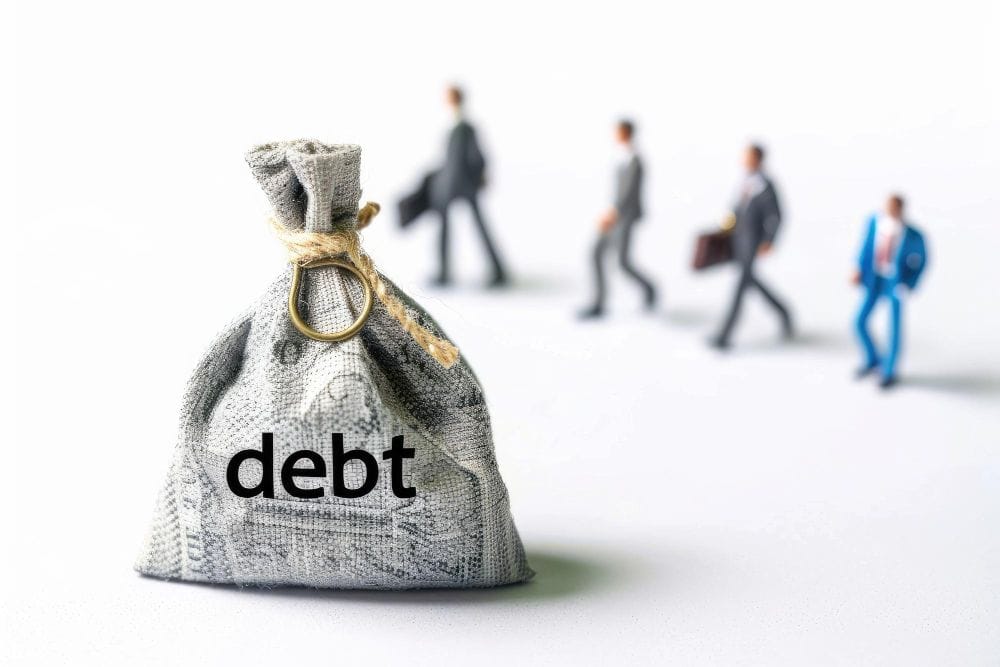
War is expensive, and prolonged conflict can put a heavy burden on a country’s finances. The United States is already facing high levels of national debt, and additional military spending could make the situation worse.
A ground operation would require significant resources, increasing financial strain. This can limit how far a country is willing to go, especially if the economic outlook becomes uncertain.
Bond Market Signals
Financial markets themselves can act as a form of feedback. Rising yields in the bond market often reflect concerns about government spending and long-term stability. If borrowing costs increase too much, it can create pressure on policymakers to avoid actions that would worsen the situation.

BTCUSD is moving in a downtrend channel, and the market has fallen from the lower high area of the channel
In this way, the bond market can indirectly influence decisions related to the conflict.
Summary
The Middle East conflict is playing a powerful role in shaping global financial trends. Its influence can be seen across currencies, stock markets, and cryptocurrencies. While Bitcoin has remained relatively stable compared to other assets, it is not immune to the broader effects of uncertainty.
Key risks include rising inflation, shifts toward safer investments, disruptions to mining, and potential ripple effects within the crypto ecosystem. At the same time, political, economic, and social factors may limit further escalation.
As the situation continues to evolve, markets are likely to remain sensitive to new developments. Investors will keep balancing risk and safety, adjusting their strategies as the global landscape changes.
Don’t trade all the time, trade forex only at the confirmed trade setups
Get more confirmed trade signals at premium or supreme – Click here to get more signals, 2200%, 800% growth in Real Live USD trading account of our users – click here to see , or If you want to get FREE Trial signals, You can Join FREE Signals Now!