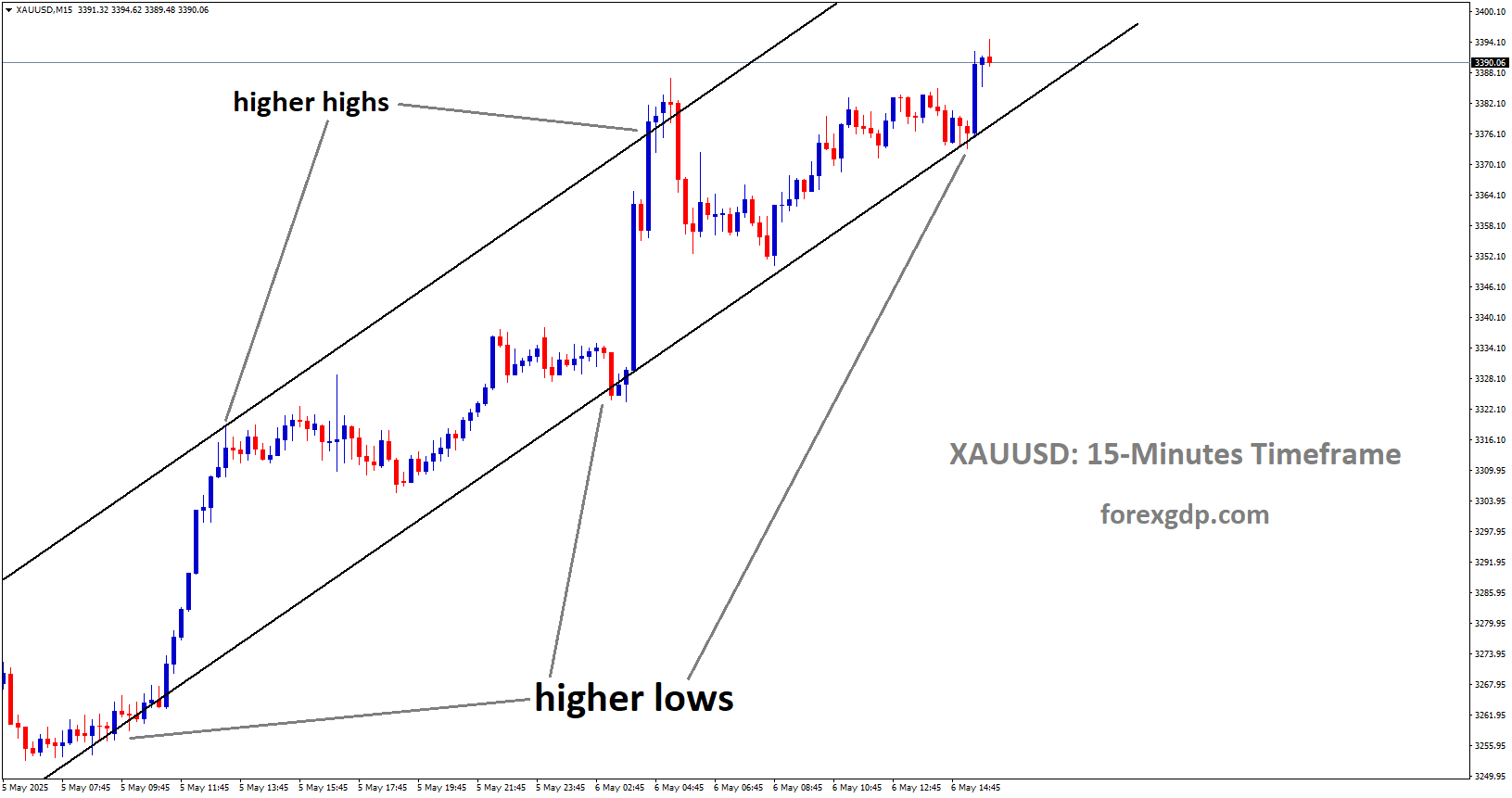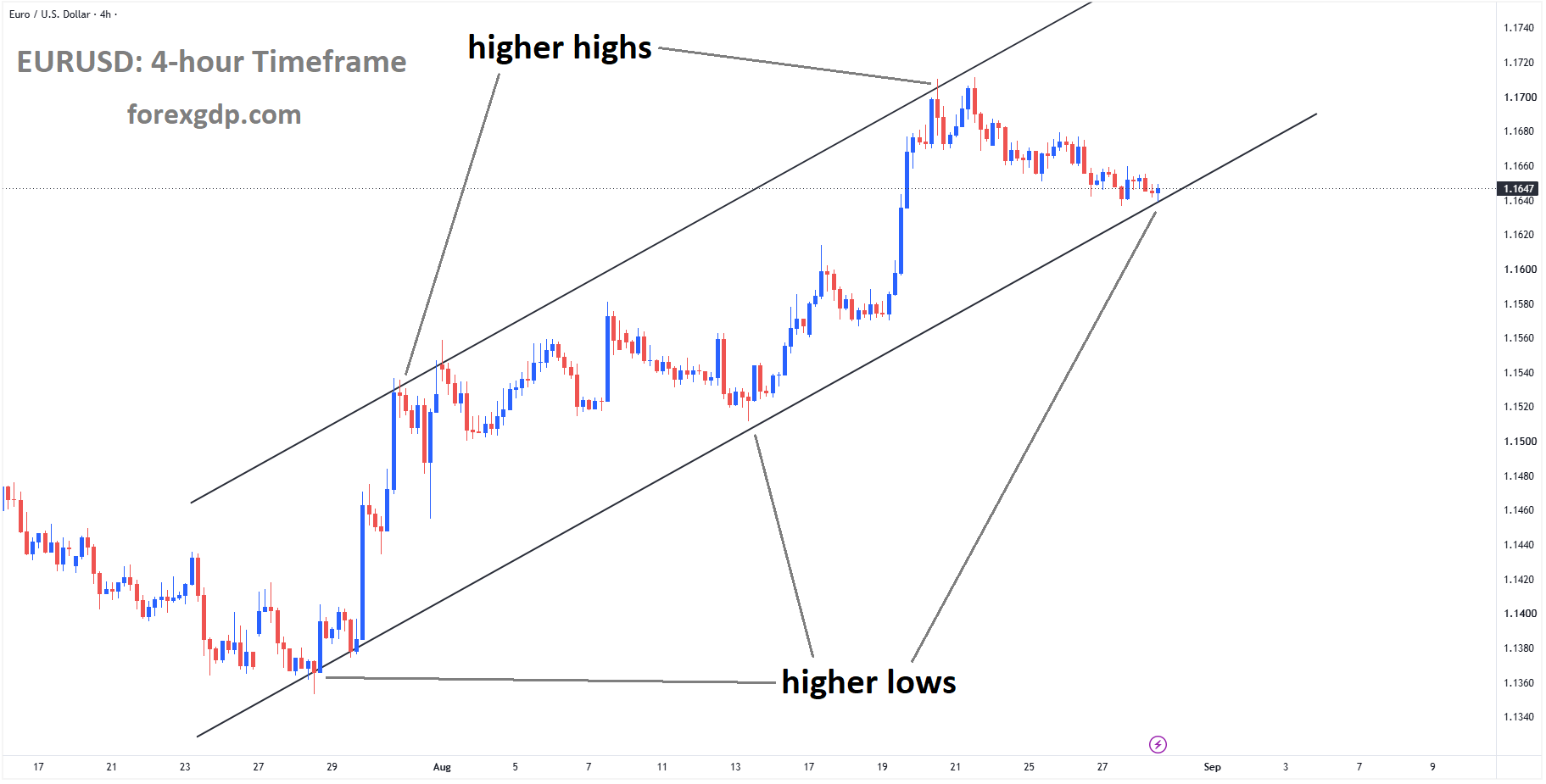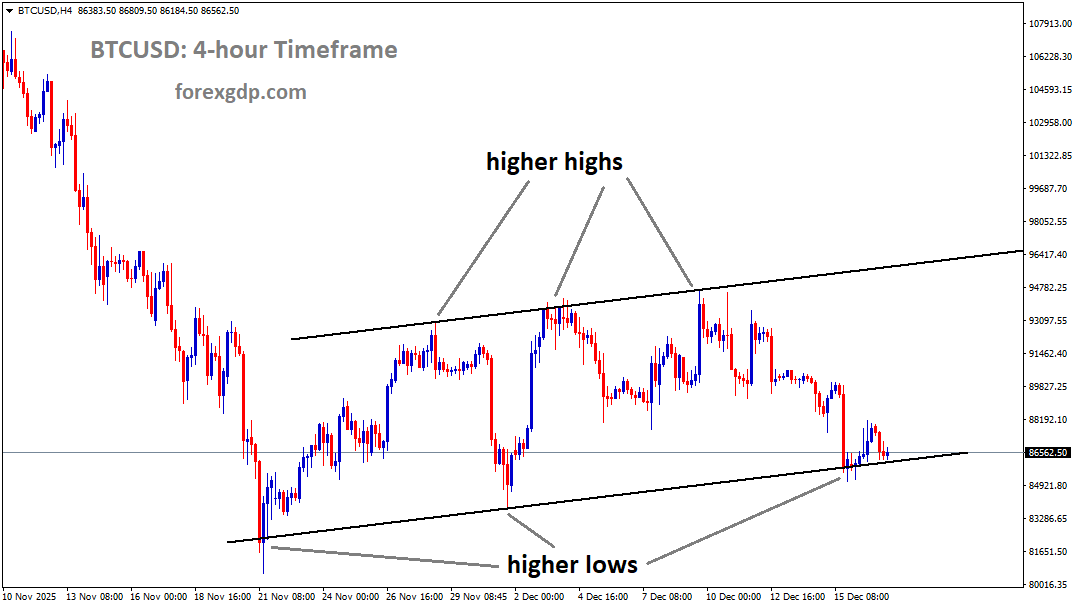
BTCUSD is moving in an uptrend channel, and the market has reached a higher low area of the channel
BTCUSD: Selling Risk Rises with Continued ETF Cash Exits and Muted Derivatives Activity
Bitcoin has been trading with a heavy tone lately, and the midweek action shows that sellers still have the upper hand. On Wednesday, BTC stayed below the $87,000 area and drifted closer to a widely watched support zone near $85,569. This level matters because it has become a line in the sand for many traders. If Bitcoin manages to hold above it, the market may steady itself. But if BTC closes firmly below that zone on the daily chart, it could signal that the pullback is not done yet.
What makes this moment especially important is that several signals are pointing in the same direction. Spot Bitcoin ETFs have seen outflows for a second day in a row, suggesting that big-money demand is cooling. At the same time, large Bitcoin transfers from wallets linked to Matrixport have moved thousands of coins onto exchanges, a type of activity that often raises eyebrows because it can hint at potential selling or distribution. Adding to the cautious mood, many derivatives traders are not stepping in aggressively, which suggests weak conviction and few clear reasons to expect a quick rebound.
Put simply, Bitcoin is facing pressure from multiple angles, and the market is watching closely to see whether the next move is a stabilizing bounce or a deeper slide.
ETF Outflows Signal Softer Institutional Appetite
One of the clearest signs of shifting sentiment comes from spot Bitcoin Exchange Traded Funds. These ETFs have become a popular way for institutions and traditional investors to get Bitcoin exposure without holding the asset directly. Because of that, ETF flows often act like a mood ring for broader demand.

Recent data shows that spot Bitcoin ETFs recorded notable outflows on Tuesday, marking the second straight day of withdrawals this week. When money consistently moves out of these products, it can suggest that buyers are getting cautious, taking profits, or reducing risk. In a market already dealing with downward pressure, that loss of steady institutional support can make it harder for Bitcoin to regain momentum.
Outflows don’t automatically mean a major sell-off is coming. Sometimes they reflect short-term portfolio adjustments or end-of-year positioning. But if the pattern continues and grows, it can add weight to the bearish case. A market that is losing fresh inflows often struggles to push higher, especially when traders are already nervous and price is sitting near an important support area.
Why consecutive outflows matter
A single day of outflows can be noise. Two days in a row starts to look more like a trend. And if outflows persist, they can create a negative feedback loop: weaker demand leads to softer price action, which leads to more caution, which can lead to more withdrawals.
Large Exchange Deposits Raise Supply Concerns
Another factor adding to the cautious mood is on-chain activity tied to two wallets linked to Matrixport. Reports indicate that these wallets transferred 4,000 BTC onto the Binance exchange. Moves like this get attention because sending Bitcoin to a centralized exchange often suggests preparation for selling, trading, or distributing holdings.
It’s important not to jump to conclusions. Not every exchange deposit leads to immediate selling. Sometimes firms move funds for custody, liquidity management, internal reshuffling, or collateral needs. Still, markets tend to react to the possibility of increased supply hitting the order books.
When traders see a large transfer into an exchange, many assume that at least some portion could be sold. That expectation alone can affect sentiment. If enough participants believe supply may rise in the short term, they may hesitate to buy, or they may reduce exposure to avoid being caught in a sharper drop.
Why exchange transfers affect sentiment
Bitcoin’s price is sensitive to perceived shifts in supply and demand. Even if selling does not happen right away, the market often prices in the risk that it might. In a fragile environment, that risk can feel bigger than usual.
Derivative Traders Stay Passive, Showing Weak Conviction
While spot market signals are leaning bearish, the derivatives side is also sending a message—just in a quieter way. According to a recent report from K33 Research, traders on the Chicago Mercantile Exchange have been largely idle and passive. That matters because the CME is a major venue for institutional participation. When activity there slows, it often reflects hesitation rather than confidence.
The report pointed to open interest remaining near annual lows and futures premiums staying compressed. In everyday terms, that suggests traders are not rushing to add new positions or pay up for exposure. Instead, many seem content to wait.
This type of behavior can be frustrating for bulls because strong recoveries often need active participation and clear conviction. When traders are sitting on their hands, price can drift lower more easily, especially if spot demand is weakening and the broader market has no strong reason to turn optimistic.
Underperformance vs. equities adds to the wait-and-see mood
Another point raised in the report is that Bitcoin has been lagging behind equities. When Bitcoin is not leading or at least keeping pace with other risk assets, some traders are less motivated to increase exposure. Add the fact that the year is nearing its end—a time when many funds adjust portfolios—and it becomes easier to understand why big players may be staying cautious.
Lack of a Clear Catalyst Keeps Bitcoin Vulnerable
Markets don’t move on charts alone. They move on narratives, catalysts, and shifts in positioning. Right now, Bitcoin appears to be missing a strong near-term story that could pull sidelined money back in quickly.
That doesn’t mean positive catalysts don’t exist in the bigger picture. It simply means that in the immediate term, traders may not see a clear trigger that forces a strong wave of buying. Without that spark, BTC can remain vulnerable to further weakness, especially if key support levels fail and sellers gain confidence.
In this kind of environment, the market often moves in one of two ways:
-
It either stabilizes and chops sideways while buyers and sellers reach a temporary balance, or
-
It breaks lower if selling pressure increases and buyers step back.
The current mix—ETF outflows, large exchange deposits, and passive derivatives activity—leans toward caution. That’s why many traders are watching the daily close so closely around the $85,569 zone.
Final Summary
Bitcoin is trading under pressure and drifting toward an important support area near $85,569. A firm daily close below this zone could increase the risk of a deeper pullback. At the same time, spot Bitcoin ETFs have logged a second straight day of outflows, hinting that institutional demand is cooling. On-chain data showing 4,000 BTC moved from Matrixport-linked wallets onto exchanges has also raised concerns about potential supply increases. Meanwhile, major derivatives traders—especially on the CME—appear passive, reflecting low conviction and a lack of strong near-term catalysts. Together, these signals suggest Bitcoin may remain fragile until demand strengthens or a clear market driver emerges.
EURUSD Drifts Lower with Europe’s Inflation Pulse Turning Weaker
EUR/USD has been trading with a heavy tone, hovering around the 1.17 area after losing ground from levels seen earlier in the week. Not long ago, the pair was pushing above 1.18, but the mood has changed. A mix of weaker Eurozone updates and a slightly firmer US Dollar has cooled the Euro’s momentum.
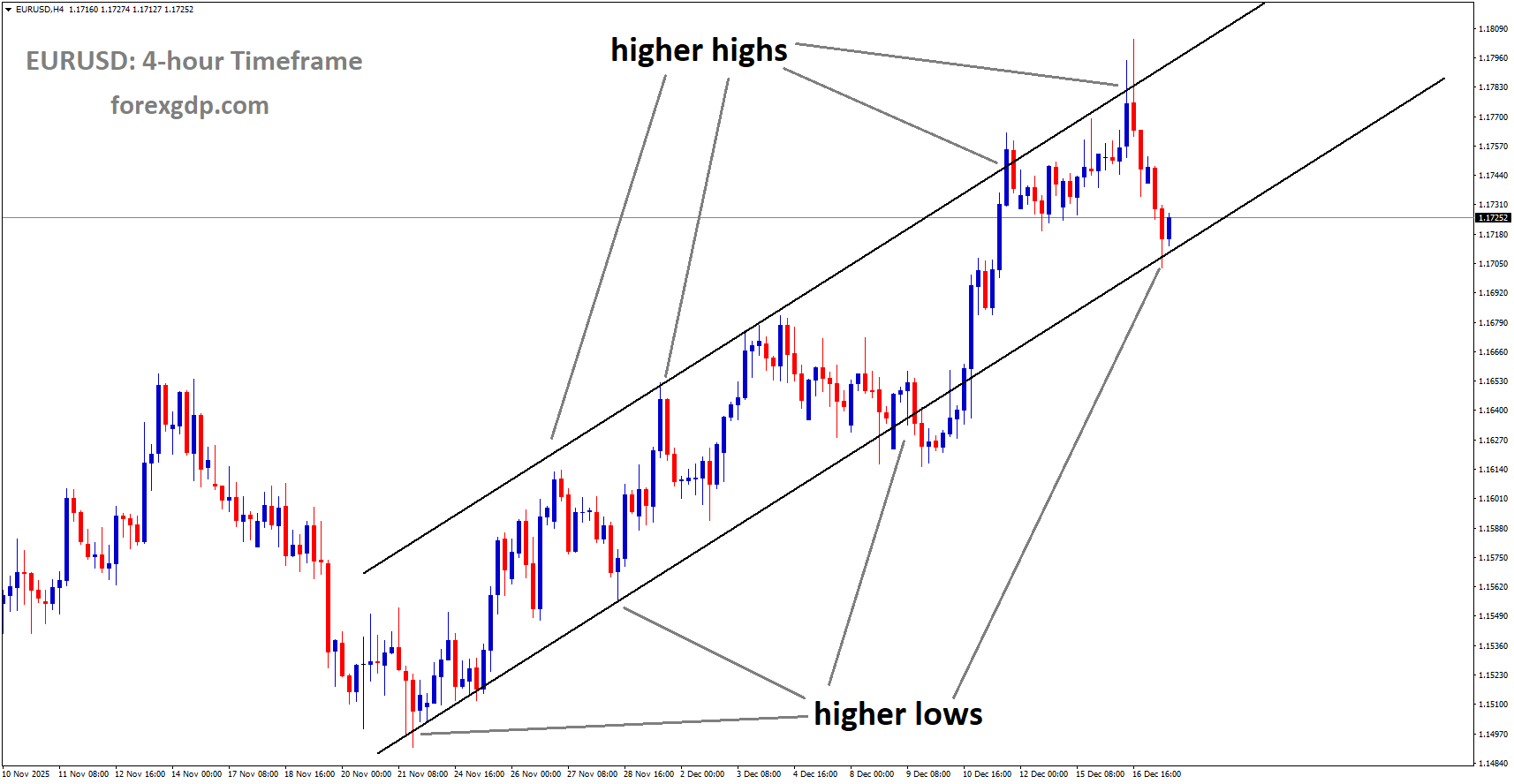
EURUSD is moving in an uptrend channel, and the market has reached a higher low area of the channel
Even though the latest batch of US data was not uniformly strong, the Dollar still managed to find support. At the same time, several European indicators landed on the soft side, raising fresh questions about how quickly the Eurozone economy can pick up speed. With the European Central Bank (ECB) meeting now in focus, traders are taking a step back and reassessing what might come next.
Why the Euro Has Lost Some Energy
The Euro’s recent dip is closely tied to the flow of economic news from the region. When investors see signs that growth is slowing or inflation is easing, they usually assume the central bank has less reason to keep policy tight. That idea matters because expectations around interest rates often influence currencies.
One of the key updates was the Eurozone’s inflation report. The final reading for November was revised slightly lower than earlier estimates. On its own, that may not sound dramatic, but it adds to a wider story: price pressures do not appear to be heating up again. If inflation is not accelerating, the ECB has less urgency to talk tough or hint at further tightening.
At the same time, Germany added another layer of concern. Fresh business confidence figures showed that sentiment weakened again, marking the second month in a row of deterioration. Germany is often seen as the economic engine of the Eurozone, so any sustained drop in confidence there tends to get attention. When business leaders turn cautious, it can signal slower investment, softer hiring, and weaker demand down the road.
What the German IFO report is telling the market
The German IFO survey offered a snapshot that was hard to ignore. The overall business climate measure fell instead of improving, and the expectations component also weakened. In everyday terms, companies are not only feeling uneasy about current conditions, they are also less optimistic about what’s ahead. That combination can weigh on market confidence, especially when investors are already watching for signs of slowing growth across Europe.
The US Dollar Strengthens, Even With Mixed Signals
On the US side, the picture is complicated. Some labour market numbers pointed to weakness, while other parts of the report looked better than expected. Even so, the Dollar found enough support to push back against the Euro.
A major theme is that employment data has been tricky to interpret due to unusual circumstances. Some figures were delayed and released later than normal, and there are concerns that disruptions such as a government shutdown could have distorted the results. That means investors are trying to look past the noise and focus on what the broader trend might be.
What does that broader trend suggest? Many market participants see a labour market that is cooling rather than collapsing. Employment fell sharply in one month, then rebounded more than expected in the next. The unemployment rate moved higher to a level not seen in several years, and wage growth moderated. Taken together, that looks like an economy that is still expanding but losing some heat.
Retail spending adds another twist
Alongside the labour numbers, US retail sales offered a mixed message. Overall sales were flat in the latest update, missing expectations for a small rise. However, once you strip out automobiles, sales improved. That tells a more nuanced story: the consumer may not be surging forward, but demand is not falling off a cliff either.
This kind of “patchy but not disastrous” data can sometimes support the Dollar in the short term, especially if traders are nervous and prefer the relative safety of USD. At the same time, softer wage growth and a higher unemployment rate can strengthen the argument that US interest rates may move lower in the future.
The ECB Meeting Is Now the Main Event
With major European and US data points out of the way, attention is turning to the ECB’s policy decision. The central bank is widely expected to keep interest rates unchanged. So the real question is not the rate decision itself, but the message around it.

Markets want to know whether ECB officials believe inflation is under control and whether they are comfortable with the idea that policy is restrictive enough. Investors will listen closely for any hint about how long rates may stay at current levels, and how the bank views the balance between inflation risks and growth risks.
If the ECB signals that it is still cautious and not ready to ease policy, the Euro could stabilize. But if the tone sounds more relaxed—especially after softer inflation revisions—traders may read it as a sign that the peak in rates is behind us and that future policy moves could eventually lean toward easing.
Why inflation revisions matter for central banks
When inflation is revised lower, even slightly, it can shift the debate. Central banks base decisions on trends, not single data points, but revisions can reinforce the direction of travel. If inflation is not only falling, but being revised down after the fact, it strengthens the sense that price pressures are fading. That can reduce the need for aggressive language and may keep rate-cut discussions alive in the market.
What to Watch Next in Europe and the US
The next 24–48 hours bring a mix of scheduled releases and central bank communication that could shape expectations.
In the Eurozone, upcoming inflation updates are expected to confirm recent estimates, including a month-on-month decline in headline inflation alongside a year-on-year pace that remains just above 2%. That combination often feeds a “steady improvement” narrative: prices are no longer surging, but they are not dropping so fast that policymakers worry about deflation.
There’s also the question of business activity. Recent surveys have already disappointed, with manufacturing showing continued strain and services losing some momentum. If this trend persists, it may keep pressure on the Euro, because slower activity tends to reduce the appeal of a currency—especially when compared to an economy that still looks relatively resilient.
In the United States, several Fed speakers are scheduled to speak, and their comments can be market-moving even without new data. Traders will be listening for clues about how policymakers interpret recent labour and spending numbers.
If Fed officials emphasize patience and highlight ongoing inflation risks, the Dollar could stay firm. If they focus more on cooling employment conditions and moderating wage growth, markets may lean further into the idea that rate cuts could arrive sooner rather than later.
A Simple Way to Understand What’s Driving EUR/USD Right Now
At the moment, EUR/USD is being pulled by two competing forces:
-
Europe is showing softer signals: lower inflation revisions, weaker confidence in Germany, and disappointing business activity trends.
-
The US is sending mixed messages: job and spending data are uneven, but the Dollar is still finding support, partly due to its “safe haven” role and partly because traders are reacting to the flow of Fed expectations.
That tug-of-war helps explain why the pair has been correcting lower and consolidating near the 1.17 area after failing to hold above 1.18.
Final summary
EUR/USD has drifted lower as Eurozone data has disappointed and inflation readings were revised down, easing pressure on the ECB to sound hawkish. Germany’s weakening business sentiment has added to concerns about growth. In the US, delayed labour figures and uneven retail sales have produced a mixed picture, but the Dollar has remained supported. The next key test is the ECB meeting, where the market will focus on tone and guidance rather than the rate decision itself. Fed speakers in the US could also shift expectations and drive the next move in the pair.
GBPUSD tumbles after softer UK CPI strengthens expectations of easier BoE policy
The Pound Sterling had a rough day on Wednesday, sliding hard against most major currencies after new UK inflation figures came in weaker than expected. This drop wasn’t just a minor market wobble. For many traders and investors, the data added weight to a growing belief that the Bank of England could soon start cutting interest rates.
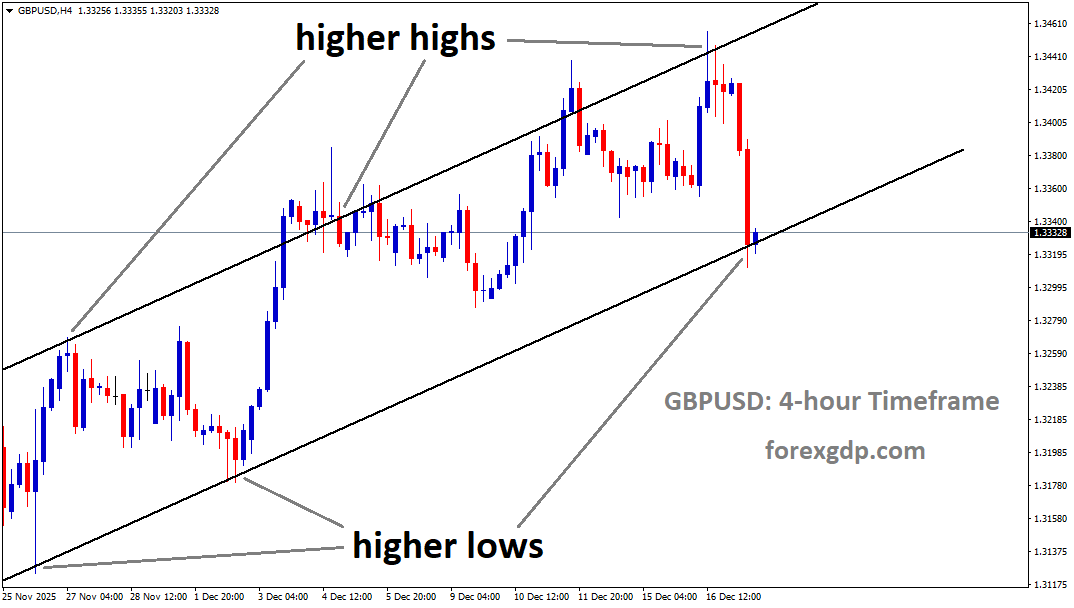
GBPUSD is moving in an uptrend channel, and the market has reached a higher low area of the channel
At the same time, the US Dollar managed to regain ground even though recent US job numbers hinted at a softer labor market. With major inflation reports and central bank decisions lined up, markets are shifting fast, and currencies are reacting just as quickly.
The Pound Sterling slides after softer UK inflation
The immediate trigger for Sterling’s decline was the release of the United Kingdom’s Consumer Price Index (CPI) data for November. The headline inflation rate rose at an annual pace of 3.2%, missing expectations of 3.5% and coming in below October’s 3.6% reading.
This matters because inflation has now slowed for a second month in a row. Earlier in the year, inflation had been stuck at higher levels for a while, especially through the July-to-September stretch. But with the pace easing again, markets are increasingly seeing a path back toward the Bank of England’s preferred 2% target over time.
Core inflation, which strips out more volatile categories like food and energy, also cooled. It rose 3.2%, softer than both forecasts and the prior reading of 3.4%. For decision-makers at the Bank of England, core inflation often carries extra importance because it can reflect underlying pricing pressure in the economy, rather than temporary swings.
On a monthly basis, the headline CPI figure actually fell 0.2%. That was a surprise, especially since inflation had risen 0.4% in October and was expected to be flat in November. In addition, services inflation—closely watched because it can reflect wage costs and domestic demand—slipped slightly to 4.4% from 4.5%.
Taken together, these numbers painted a picture of easing price pressure across the economy. And when inflation cools, the case for keeping interest rates high becomes harder to justify.
Why jobs data is adding pressure on the Bank of England
Inflation wasn’t the only concern in the latest UK data mix. Employment figures released earlier this week showed a labor market losing strength. The unemployment rate measured under the ILO standard rose to 5.1%, which is the highest level in nearly five years.
That’s a meaningful shift. Central banks often tolerate higher rates when economies are strong and job growth is healthy. But when unemployment climbs, the risk of economic slowdown becomes more serious. In those situations, policymakers may start thinking less about fighting inflation and more about preventing deeper weakness.
When markets see both inflation cooling and unemployment rising, the logic becomes straightforward: interest rate cuts begin to look more likely.
What this means for Thursday’s Bank of England decision
With a monetary policy meeting set for Thursday, traders are watching closely. The combination of slowing inflation and softer employment conditions has strengthened expectations that the Bank of England could deliver an interest rate cut soon. Even if policymakers don’t move immediately, the tone of their statement and their guidance on future decisions can heavily influence how markets position themselves.
Sterling’s sharp move lower suggests many participants are already adjusting for a more “rate-cut friendly” outlook.
The US Dollar rebounds even as job conditions weaken
While the Pound struggled, the US Dollar found support. The dollar index, which measures the Greenback against a basket of major currencies, bounced back after touching a fresh multi-week low earlier in the week.
What’s interesting is that the rebound came even though US labor market data pointed to some weakness. The US unemployment rate rose to 4.6% in November, the highest since September 2021. The jobs report also showed the economy added 64,000 workers in November after losing 105,000 in October.
Normally, signs of a cooling job market can lead investors to expect the Federal Reserve to cut rates sooner, which can reduce demand for the US Dollar. But this time, that reaction didn’t fully show up.
One reason is that many analysts believe the jobs numbers may have been influenced by unusual factors during the period, including disruptions linked to the historically long US government shutdown at that time. When investors suspect the data is distorted, they often hesitate to dramatically change expectations for central bank policy.
Markets shift focus to US inflation next

Now attention turns to the next major piece of the puzzle: US CPI inflation data for November, due on Thursday. This release is expected to play a major role in shaping interest rate expectations for the Federal Reserve.
Inflation has been stubborn in the US for an extended period, and Fed officials have repeatedly emphasized that they do not want to cut rates too quickly if it risks pushing prices higher again. The concern is that easier monetary policy could revive inflation pressure and make it harder to keep long-term expectations under control.
One of the clearest messages on that front came from Atlanta Federal Reserve Bank President Raphael Bostic. He warned that moving policy toward a more “accommodative” stance—meaning rate cuts that make borrowing easier—could worsen inflation risks and unsettle inflation expectations among consumers and businesses.
That kind of public caution matters because it signals that even if growth slows, the Fed may still prefer to move carefully rather than rush into multiple cuts.
Where rate expectations stand right now
At the moment, market pricing suggests the Federal Reserve is expected to keep interest rates steady in January in the 3.50% to 3.75% range. That doesn’t mean future cuts are off the table, but it does show investors aren’t fully convinced the Fed is ready to pivot aggressively based on recent labor market softness alone.
The next inflation report could change that balance quickly. If inflation cools more than expected, the argument for cuts strengthens. If it stays sticky, expectations for cuts can fade just as fast.
Why all of this matters for everyday readers
Currency moves can sound like something that only affects traders, but they often have real-world effects. A weaker Pound can make imports more expensive and can influence travel costs, overseas shopping, and business pricing decisions. It can also affect investor confidence in UK assets if markets believe rates will fall sooner than expected.
Meanwhile, the Dollar’s direction matters globally because it influences trade flows, debt payments in USD, and the cost of commodities that are priced in dollars. When the Dollar rises, it can tighten financial conditions for many countries and companies that rely on dollar funding.
Right now, the big theme is uncertainty. Markets are balancing slowing inflation, softer labor signals, and the risk that easing policy too quickly could reignite price pressures.
Summary
Sterling dropped sharply after UK inflation data for November came in softer than expected, reinforcing the idea that the Bank of England may be nearing an interest rate cut. Rising UK unemployment added to the pressure, making Thursday’s BoE decision a major focus.
At the same time, the US Dollar recovered even though US job figures hinted at cooling conditions, partly because markets believe some of the data may have been distorted by unusual events. The next major turning point is Thursday’s US CPI report, which could reshape expectations for the Federal Reserve’s next moves and set the tone for currency markets in the days ahead.
USDCAD pushes up to the 1.38 zone as USD sentiment improves across markets
The US Dollar has started to recover some of the ground it recently lost to the Canadian Dollar. On Wednesday, the USD/CAD pair moved back above the 1.3780 area during the European trading session after bouncing from a three-month low near 1.3745. While the move isn’t dramatic, it shows that traders are no longer rushing to sell the Dollar the way they were earlier in the week.
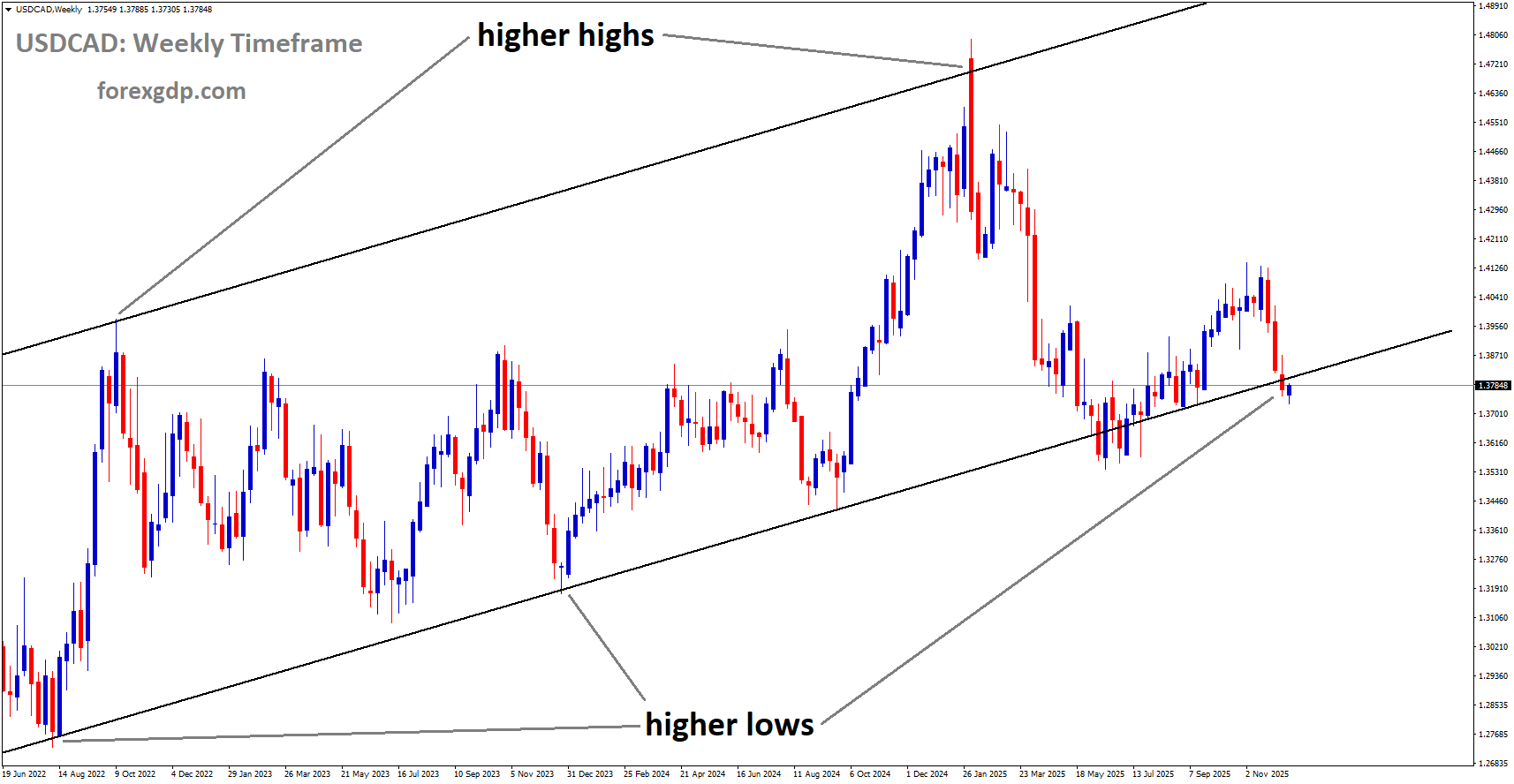
USDCAD is moving in an uptrend channel, and the market has reached a higher low area of the channel
This shift is closely tied to how investors are interpreting fresh US job data and what that could mean for the Federal Reserve’s next steps. At the same time, comments from Canada’s central bank and the latest Canadian inflation numbers are shaping expectations for where the Bank of Canada might go next.
A Small Rebound After a Tough Stretch for the Dollar
The US Dollar’s latest bounce doesn’t necessarily mean a major turnaround. It’s better described as the Dollar “trimming losses,” meaning it is recovering modestly after weakening. The earlier slide pushed USD/CAD down to levels that hadn’t been seen in about three months, and that kind of drop often attracts new buyers who feel the move may have gone far enough for now.
A key part of the story is the US Dollar Index, which tracks the Dollar against a group of major global currencies. That index has been moving slightly higher as traders absorb new economic updates and rethink their expectations for how soon the Federal Reserve might cut interest rates.
Even when a currency pair like USD/CAD is the main focus, broader Dollar sentiment matters. If the Dollar strengthens across the board, it often supports USD/CAD as well—unless Canada has its own strong reasons to outperform.
What the Latest US Jobs Numbers Are Telling Investors
The recent attention on the US Dollar is largely tied to a batch of US labour market reports that arrived later than usual. When these numbers finally landed, they gave investors more to think about—especially because they pointed to a job market that appears to be cooling.
The Nonfarm Payrolls data showed a drop of 105,000 jobs in October, followed by an increase of 64,000 jobs in November, which was stronger than many expected. At first glance, a better-than-forecast job gain might sound supportive for the Dollar. But markets rarely react to just one line of a report.
Other details were less encouraging for Dollar bulls. The unemployment rate climbed to 4.6%, reaching the highest level in four years. Wage growth also slowed, easing to 3.5% year-on-year from 3.7% in the previous month. Those two points matter because they can suggest weakening demand for workers and a slower pace of income growth—both of which can reduce inflation pressure over time.
Taken together, the message is mixed but leaning soft: jobs are still being created, but the overall trend looks less tight than it did earlier in the year.
Why Rate Cut Hopes Still Matter for the Fed

A softer labour market often keeps pressure on the Federal Reserve to consider easing monetary policy. If the Fed believes the economy is losing momentum and inflation pressures are fading, cutting rates becomes more likely. That expectation can weaken the US Dollar, because lower rates typically reduce the currency’s appeal to global investors looking for yield.
Right now, traders appear to have mostly ruled out a rate cut at the Fed’s January meeting. However, expectations for March are still in play. In fact, the market view is close to a split—meaning investors are divided on whether the Fed will cut rates by then.
That’s why upcoming US inflation data is such a big deal. The next key release is the US Consumer Prices Index (CPI), scheduled for Thursday. Inflation reports like CPI can quickly reshape rate cut expectations. If inflation comes in cooler than expected, traders may grow more confident that a cut is coming sooner rather than later. If inflation surprises on the upside, those expectations could be pushed back.
For USD/CAD, this matters because the US Dollar tends to react strongly when rate-cut odds shift. Even a small change in expectations can drive a noticeable move in currency markets, especially when traders are already positioned for one outcome.
Canada’s Central Bank Signals Steady Policy for Now
While investors are busy debating the Fed’s next move, the Bank of Canada is also in the spotlight. Bank of Canada Governor Tiff Macklem said that current monetary policy is “appropriate” to keep inflation close to the 2% target. That kind of language often signals a preference for stability rather than quick changes.
At the same time, Macklem pointed to modest growth ahead. That matters because slower growth can reduce the urgency for tighter policy. In simple terms, if the economy is not overheating, there is less reason to raise rates further. Those comments helped cool expectations for any near-term interest rate hike in Canada.
For the Canadian Dollar, a reduced chance of rate hikes can limit upside momentum, especially if the US Dollar finds support from data or shifting sentiment. When both central banks are seen as leaning toward easing (or at least not tightening), traders tend to focus on which one might move first and how quickly.
What Canada’s Latest Inflation Report Shows
Canada’s inflation picture also plays a big role in shaping expectations. The latest Canadian Consumer Prices Index (CPI) report showed inflation steady at 2.2% year-on-year in November. Many analysts had expected inflation to tick higher, closer to 2.4%, but that didn’t happen.
Canada’s core inflation—often watched closely because it can give a cleaner view of underlying trends—also showed signs of cooling. The Bank of Canada’s core measure fell 0.1% on the month and held steady at 2.9% on a yearly basis, unchanged from the prior month.
For policymakers, steady headline inflation combined with stable or easing core inflation can be taken as a sign that price pressures are not accelerating. That generally supports the idea of holding rates steady rather than raising them.
What Traders Are Watching Next in USD/CAD
With both the US and Canada sending mixed signals, traders are looking for the next clear push. In the US, inflation data is the immediate focus because it could settle the debate about whether March is a realistic timing for a Fed rate cut. In Canada, investors will continue to watch inflation trends and any new guidance from Bank of Canada officials, especially if growth slows more than expected.
Another important factor is that markets don’t just react to data—they react to how data changes expectations. For example, if US inflation comes in slightly cooler, it might not only raise rate-cut hopes, but also shift how investors feel about growth and risk. That can ripple into currency markets in a way that goes beyond interest rates alone.
For USD/CAD specifically, the pair is being pulled by two competing forces:
-
The US Dollar is finding some support as traders pause and reassess how quickly the Fed will cut rates.
-
The Canadian Dollar is being supported by inflation staying near target, but limited by signs of modest growth and reduced expectations for rate hikes.
Summary
The US Dollar has recovered slightly against the Canadian Dollar, moving above the 1.3780 area after bouncing from a three-month low near 1.3745. The shift comes as investors digest updated US labour market data showing a softer trend, including a higher unemployment rate and slower wage growth. Those details keep the possibility of further Federal Reserve easing on the table, even if a January cut looks unlikely and March remains uncertain ahead of the next US CPI report. In Canada, steady inflation and comments from Bank of Canada Governor Tiff Macklem suggest policy is likely to stay unchanged for now, with modest growth limiting expectations for any near-term rate increase.
EURGBP strengthens near 0.8800 with pound on the back foot, traders eye IFO data
EUR/GBP moved higher in European trading on Wednesday, climbing back after losses seen in the previous session. The main driver behind the shift was a weaker set of UK inflation numbers, which put pressure on the Pound and gave the Euro a clearer path to recover.
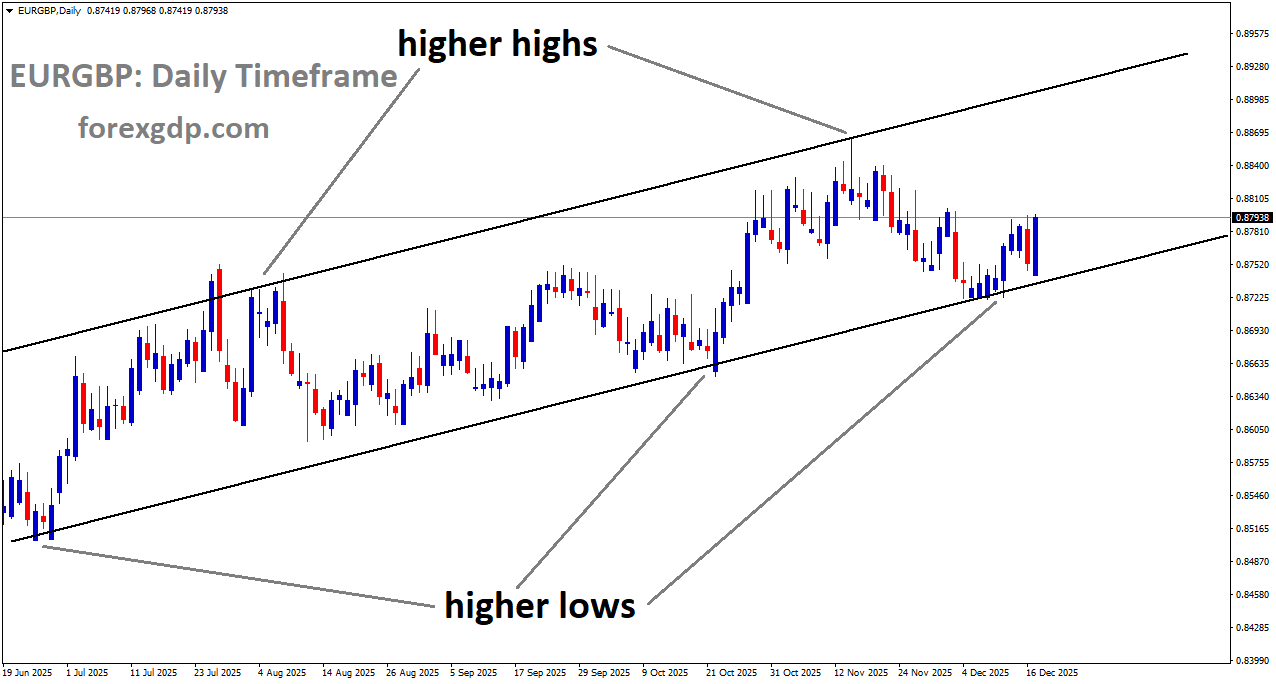
EURGBP is moving in an uptrend channel, and the market has reached a higher low area of the channel
When inflation data comes in below expectations, it often changes the market mood quickly. In this case, the UK’s latest Consumer Price Index (CPI) report suggested price pressures are cooling faster than many traders had predicted. That matters because inflation is one of the biggest factors central banks watch when deciding whether to keep interest rates high or start cutting them. With this new data in hand, attention has turned to what it could mean for the Bank of England’s next moves—and what could come next for the EUR/GBP pair.
Why the UK CPI Report Matters for EUR/GBP
The UK headline CPI rose **s the annual pace in November, showing inflation is still above the Bank of England’s long-term goal of 2%. Even so, the reading was weaker than expected. Markets had been looking for a higher yearly increase, and the latest result also marked a slowdown compared with October.
At the same time, monthly inflation slipped into negative territory. A negative monthly number can happen for several reasons, such as seasonal price drops or easing costs in certain categories. But regardless of the cause, the result added to the broader message that UK inflation may be losing momentum.
For currency markets, the direction is fairly straightforward: if inflation looks cooler, traders often start thinking rate cuts could come sooner or be deeper than previously assumed. That typically makes a currency less attractive compared with peers, since investors may expect lower returns in the future.
In this session, the Pound weakened after the CPI release, and that helped push EUR/GBP higher.
Core inflation also cooled
Beyond the headline figure, traders also paid attention to core CPI, which removes more volatile items like food and energy. Core inflation is often watched closely because it can give a clearer view of longer-term price trends.
The UK’s core CPI slowed in November compared with the prior month and also came in below forecasts. This reinforced the view that inflation pressures are easing not only at the surface level but also in underlying trends.
Retail Price Index added to the softer tone
The Retail Price Index (RPI), another inflation measure used in some UK-linked contracts and wage discussions, also came in weaker than expected. While CPI is the main metric markets focus on, a softer RPI reading can support the same general narrative: price growth is cooling.
Taken together—headline CPI, core CPI, and RPI—the overall message leaned toward a slower inflation path than markets had anticipated.
What the Data Could Mean for the Bank of England
Even with inflation still above the Bank of England’s target, the direction of the trend matters. A clear slowdown can increase confidence that inflation is moving toward a more manageable level, especially if demand in the economy is also weakening.
The weaker November data strengthened expectations that the Bank of England could move toward lower interest rates. Markets have been weighing the possibility of a quarter-point cut, and the latest inflation numbers added fuel to those expectations.
This is also happening against a wider backdrop of economic challenges. Rising unemployment and signs of economic stagnation can reduce pricing power for businesses and soften consumer demand. When demand cools, inflation often follows, which can give central banks more room to ease policy.
Of course, central bank decisions are rarely based on one report. Policymakers typically want to see a consistent trend over time, supported by broader data like wage growth, employment figures, and business activity. Still, inflation reports tend to be highly influential, especially when they surprise markets.
For the Pound, the near-term takeaway is clear: softer inflation increases the chance that UK rates may head lower, which can weigh on GBP—particularly when compared with currencies where rate-cut expectations are less aggressive.
Focus Shifts to Germany’s IFO Survey and Eurozone Inflation
With the UK CPI surprise now priced into the market conversation, traders are turning attention to the next set of major European data releases. Two key events on the calendar are Germany’s IFO Business Survey and the Eurozone’s core HICP inflation data, both due later in the day.
These releases matter because they can shape expectations around the European Central Bank (ECB), just as the UK CPI shapes expectations around the Bank of England.
Germany’s IFO Business Survey: a signal on confidence
Germany’s IFO Business Survey is one of the most closely watched indicators of business sentiment in Europe. It provides insight into how companies view current conditions and what they expect in the months ahead.
If the survey shows improving confidence, it can support the Euro by suggesting that the region’s largest economy may be stabilizing. On the other hand, weak readings could raise concerns about growth prospects and increase pressure on policymakers to support the economy.
Markets don’t treat sentiment surveys the same way they treat “hard” numbers like inflation, but they still matter because they offer early clues about where the economy might be headed.
Eurozone core HICP: the inflation yardstick to watch
Eurozone core HICP is a key measure the ECB monitors when assessing underlying inflation trends across the currency bloc. Like core CPI in the UK, it strips out volatile categories to highlight more persistent inflation pressures.
A stronger-than-expected core HICP reading could suggest that inflation is proving sticky, which may reduce the urgency for aggressive rate cuts. A weaker reading might do the opposite, pushing markets toward a more dovish ECB outlook.
For EUR/GBP, this matters because the pair often moves based on the relative outlook between the ECB and the Bank of England. If traders believe the BoE is more likely to cut sooner or faster than the ECB, EUR/GBP can rise. If the opposite happens, the pair can fall.
Why the Euro Is Holding Up: Changing ECB Expectations
Another factor supporting EUR/GBP is the shifting view on where European interest rates may be headed. Recently, expectations for deep or prolonged easing from the European Central Bank have been dialed back.
Part of this comes from signals by ECB officials suggesting that further rate cuts may not be necessary in 2026. Even small changes in guidance can affect market expectations, especially when investors are trying to estimate policy paths months or years ahead.
When the market reduces its expectations for future rate cuts, the currency often benefits. That doesn’t guarantee sustained strength, but it can improve sentiment and make the Euro more resilient—especially on days when the Pound is under pressure.
In this environment, EUR/GBP gains can reflect two stories happening at once: a softer UK inflation outlook that weighs on GBP, and a steadier ECB outlook that supports EUR.
What to Watch Next for EUR/GBP
Looking ahead, EUR/GBP traders are likely to keep their focus on three main themes:
UK data beyond inflation
Inflation is crucial, but it’s not the only factor. Employment trends, wage growth, and consumer demand will help shape whether the Bank of England feels comfortable moving toward rate cuts. If unemployment rises or growth remains weak, the pressure to ease policy could increase.
Eurozone inflation and growth signals
For the Euro, core HICP data and business surveys like the IFO will offer insight into whether inflation is easing smoothly and whether growth is stabilizing. These inputs help shape expectations around ECB policy decisions.
Central bank communication
Markets can change direction quickly based on comments from policymakers. Any shift in tone—from cautious to confident, or from hawkish to dovish—can move expectations and currencies, even without new data.
Summary
EUR/GBP climbed as the Pound weakened after softer-than-expected UK inflation data for November. The headline and core inflation readings, along with a lower Retail Price Index figure, encouraged expectations that the Bank of England may be moving closer to interest rate cuts. Attention now turns to Germany’s IFO Business Survey and the Eurozone’s core HICP data, which could influence expectations for the European Central Bank. With ECB easing expectations being scaled back in recent signals, the Euro has found support, helping EUR/GBP recover and hold firmer during the session.
Don’t trade all the time, trade forex only at the confirmed trade setups
Get more confirmed trade signals at premium or supreme – Click here to get more signals, 2200%, 800% growth in Real Live USD trading account of our users – click here to see , or If you want to get FREE Trial signals, You can Join FREE Signals Now!