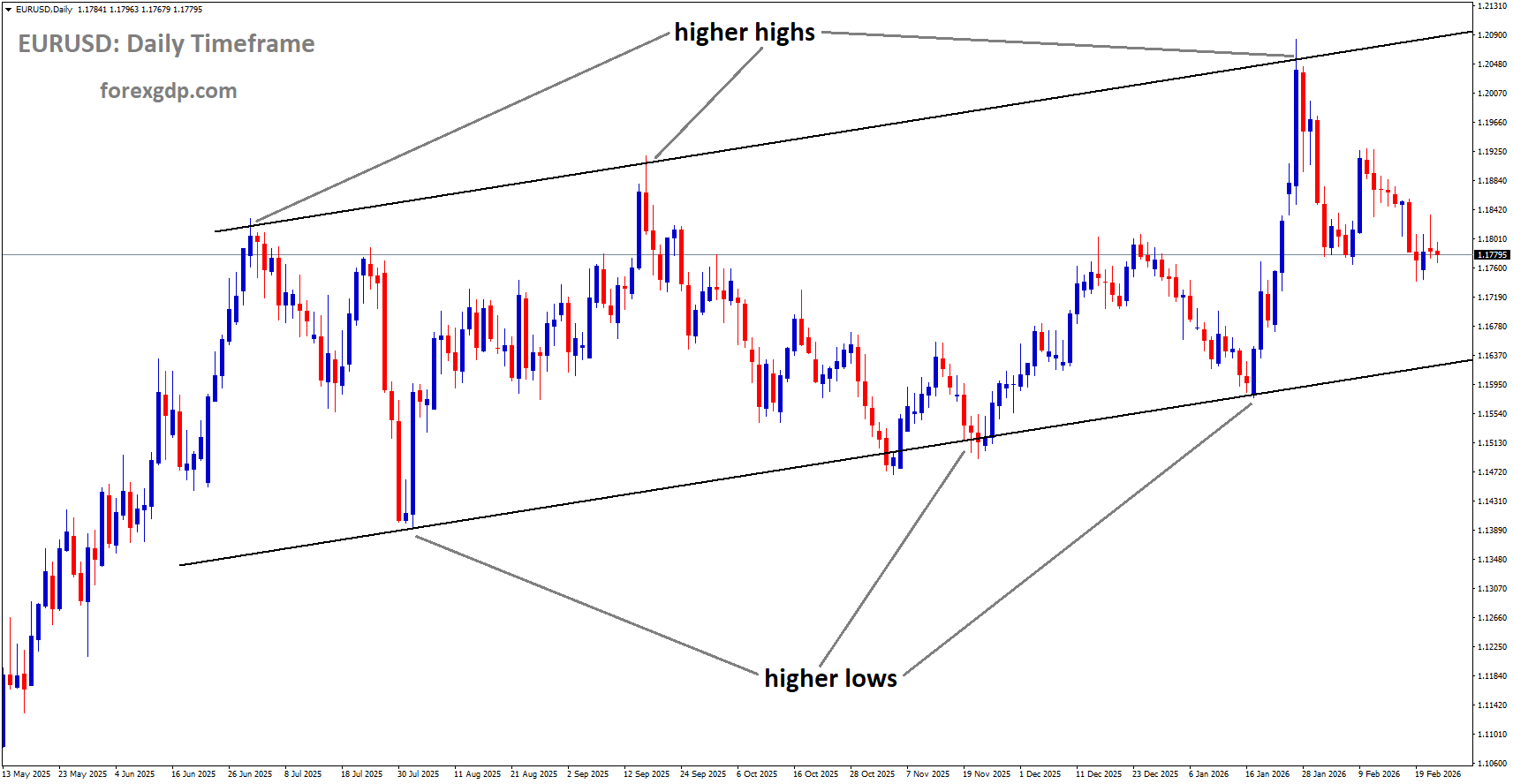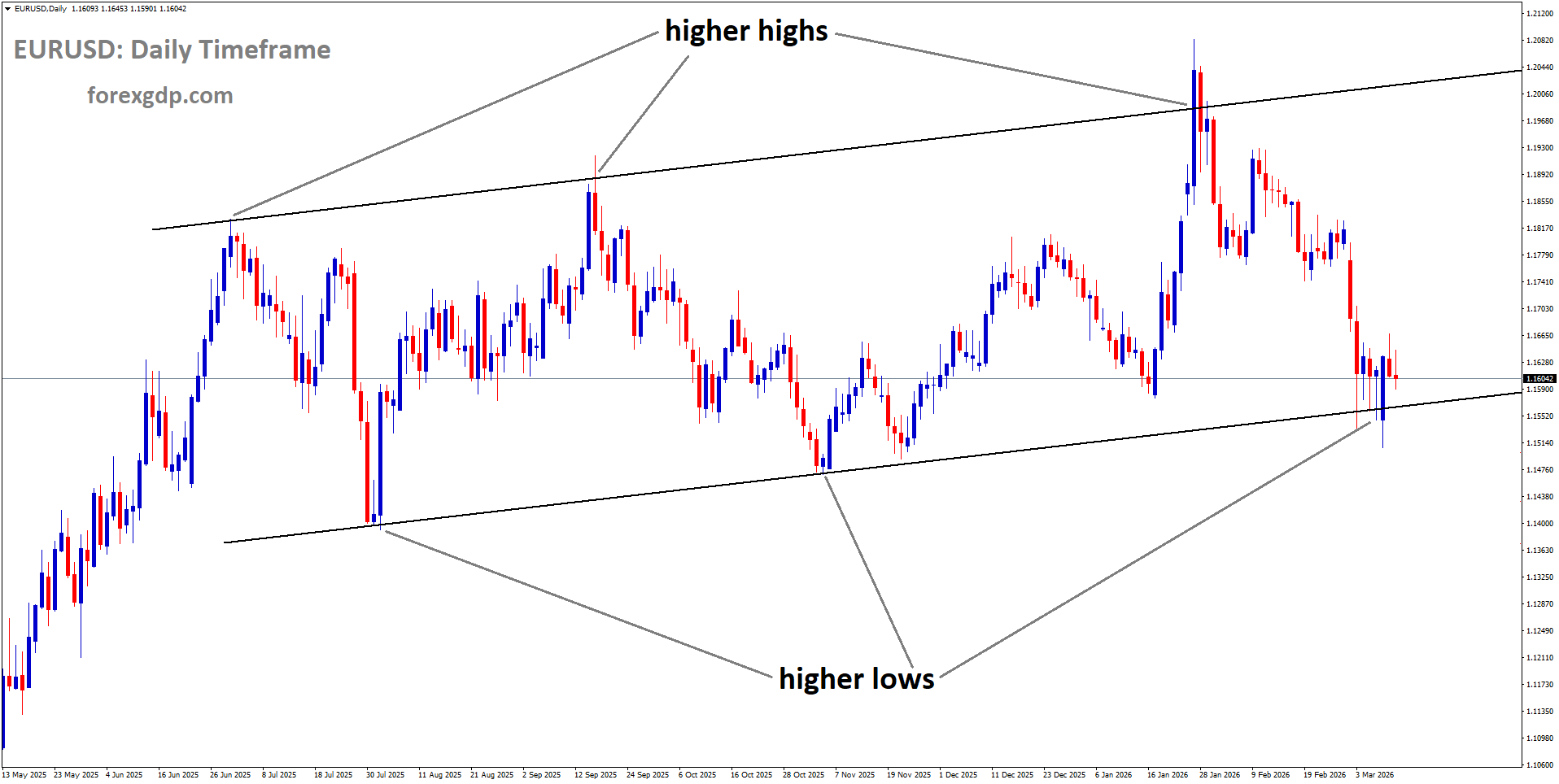
EURUSD is moving in an uptrend channel, and the market has reached a higher low area of the channel
EURUSD pushes higher beyond 1.1600 as investors step away from the US Dollar
The EUR/USD currency pair showed renewed strength during Wednesday’s early Asian trading session, climbing toward the 1.1620 level. After recently falling to a four-month low, the Euro has begun to recover against the US Dollar as global risk sentiment shows signs of improvement.
Several factors are shaping the direction of the currency pair. Political comments from the United States, ongoing tensions in the Middle East, and economic signals from Europe are all influencing how traders and investors view both currencies. As a result, the balance between risk appetite and safe-haven demand continues to play a key role in determining the pair’s movement.
Improving Market Sentiment Supports the Euro
One of the main drivers behind the Euro’s recovery is the improvement in global market sentiment. When investors feel more confident about the global outlook, they tend to move away from safe-haven assets like the US Dollar and shift toward riskier currencies such as the Euro.
Recent remarks from US President Donald Trump helped ease some of the concerns that had been weighing on markets. Trump suggested that the ongoing conflict in the Middle East might end sooner than expected. According to his comments, the military operation is already progressing much faster than the original timeline of several weeks.
These statements reassured many market participants who had been worried about a prolonged conflict. The possibility of a quicker resolution reduced fears about wider geopolitical instability, which encouraged investors to take on more risk.
As confidence improved, the demand for the US Dollar weakened slightly. Since the Dollar is often considered a safe-haven currency during times of uncertainty, a reduction in global anxiety can cause it to lose some of its strength. This shift created room for the Euro to recover and push higher against the Greenback.
Geopolitical Tensions Still Create Uncertainty
Despite the improvement in sentiment, the situation in the Middle East remains complicated. While there are signs that the conflict may not last as long as initially feared, there is still no clear timeline for when military operations might fully stop.
Reports from the region indicate that tensions are still active. The Israel Defense Forces announced a new wave of strikes targeting Iran. In addition, more missiles were reportedly launched toward Lebanon. According to the Israeli military, the operations are focused on infrastructure linked to Hezbollah in southern parts of the Lebanese capital.
These developments show that the situation remains unstable. Even though markets reacted positively to political comments about a potential end to the conflict, ongoing military actions remind investors that the geopolitical risk has not completely disappeared.
If tensions escalate again, investors may return to safer assets. In such cases, the US Dollar could regain strength because it is often seen as a reliable store of value during uncertain times. This dynamic could limit the Euro’s gains against the Dollar.
Key Economic Data in Focus
Another important factor influencing the EUR/USD pair is upcoming economic data from both Europe and the United States.
Later on Wednesday, Germany is scheduled to release the final reading of its Harmonized Index of Consumer Prices, commonly known as HICP. This measure is closely watched because it reflects inflation trends across the Eurozone’s largest economy.
Inflation data is important for currency markets because it often shapes expectations about central bank policies. If inflation appears stronger than expected, it could influence how policymakers respond in the future.
On the other side of the Atlantic, the United States will publish its Consumer Price Index data. The CPI report provides insight into price changes faced by consumers and is considered one of the most important indicators of inflation in the US economy.
Traders and investors will carefully study these reports to better understand how inflation is evolving in both regions. The results may affect expectations for future monetary policy decisions, which can influence the strength of both the Euro and the US Dollar.
Lagarde Highlights Challenges for the European Central Bank

The European Central Bank is also facing a complex economic environment. ECB President Christine Lagarde recently acknowledged that the current level of uncertainty and volatility is unusually high.
According to Lagarde, the unpredictable nature of global events makes it more difficult for policymakers to manage economic conditions effectively. Rapid changes in geopolitical risks, inflation trends, and market sentiment can all influence financial stability and economic growth.
Despite these challenges, Lagarde emphasized that the ECB remains committed to its primary objective: keeping inflation under control. She stated that the central bank will take the necessary steps if inflation pressures continue to pose risks to the Eurozone economy.
Her comments highlight the delicate balancing act facing central bankers. Policymakers must monitor global developments, economic data, and financial conditions while making decisions that support both price stability and economic growth.
The Role of Safe-Haven Demand in Currency Movements
To understand the recent movement in EUR/USD, it is important to look at how investors react to uncertainty.
When global risks increase—such as geopolitical conflicts or economic instability—investors typically seek safety. In these situations, they often move their money into assets considered stable or reliable. The US Dollar is one of the most widely recognized safe-haven currencies, which means it tends to strengthen when uncertainty rises.
However, when concerns begin to fade, investors usually feel more comfortable taking on risk. They may shift their investments toward currencies and assets that can offer better growth potential. The Euro often benefits from this change in sentiment.
This cycle of risk and safety plays a major role in currency markets. Even small changes in global sentiment can lead to noticeable shifts in exchange rates.
Market Participants Watch Multiple Global Factors
The direction of the EUR/USD pair is rarely determined by a single factor. Instead, it is shaped by a combination of political developments, economic data, central bank signals, and global market sentiment.
In the current environment, all of these elements are interacting at the same time. Political remarks about geopolitical conflicts are affecting investor confidence. At the same time, economic data releases are shaping expectations about inflation and monetary policy.
Central bank officials, including Christine Lagarde, continue to monitor these developments closely. Their statements and policy decisions can influence market expectations and potentially move currency markets.
Because of this complex mix of influences, traders remain cautious. While the Euro has shown signs of recovery, uncertainty in global politics and economic conditions means the outlook can change quickly.
Summary
The EUR/USD pair moved higher during Wednesday’s early Asian trading session as the Euro recovered from a recent low. Improved market sentiment played an important role, especially after comments suggesting that the conflict in the Middle East could end sooner than expected.
However, the situation remains uncertain due to continued military activity in the region. Any escalation could revive demand for safe-haven assets like the US Dollar.
At the same time, upcoming inflation data from Germany and the United States is attracting attention from investors. These reports could provide clues about the direction of future monetary policy.
Meanwhile, European Central Bank President Christine Lagarde highlighted the challenges created by high levels of uncertainty and volatility. Despite these difficulties, the ECB remains focused on controlling inflation and maintaining economic stability.
With geopolitical developments, economic indicators, and central bank policies all influencing the market, the EUR/USD pair is likely to remain sensitive to global news and changing investor sentiment.
GBPUSD moves higher as softer oil markets support investor optimism
The British Pound has recently gained strength against several major currencies, including the US Dollar, as global market sentiment improves. A combination of cooling oil prices, expectations surrounding Bank of England policy, and developments in the Middle East has helped boost confidence among investors.
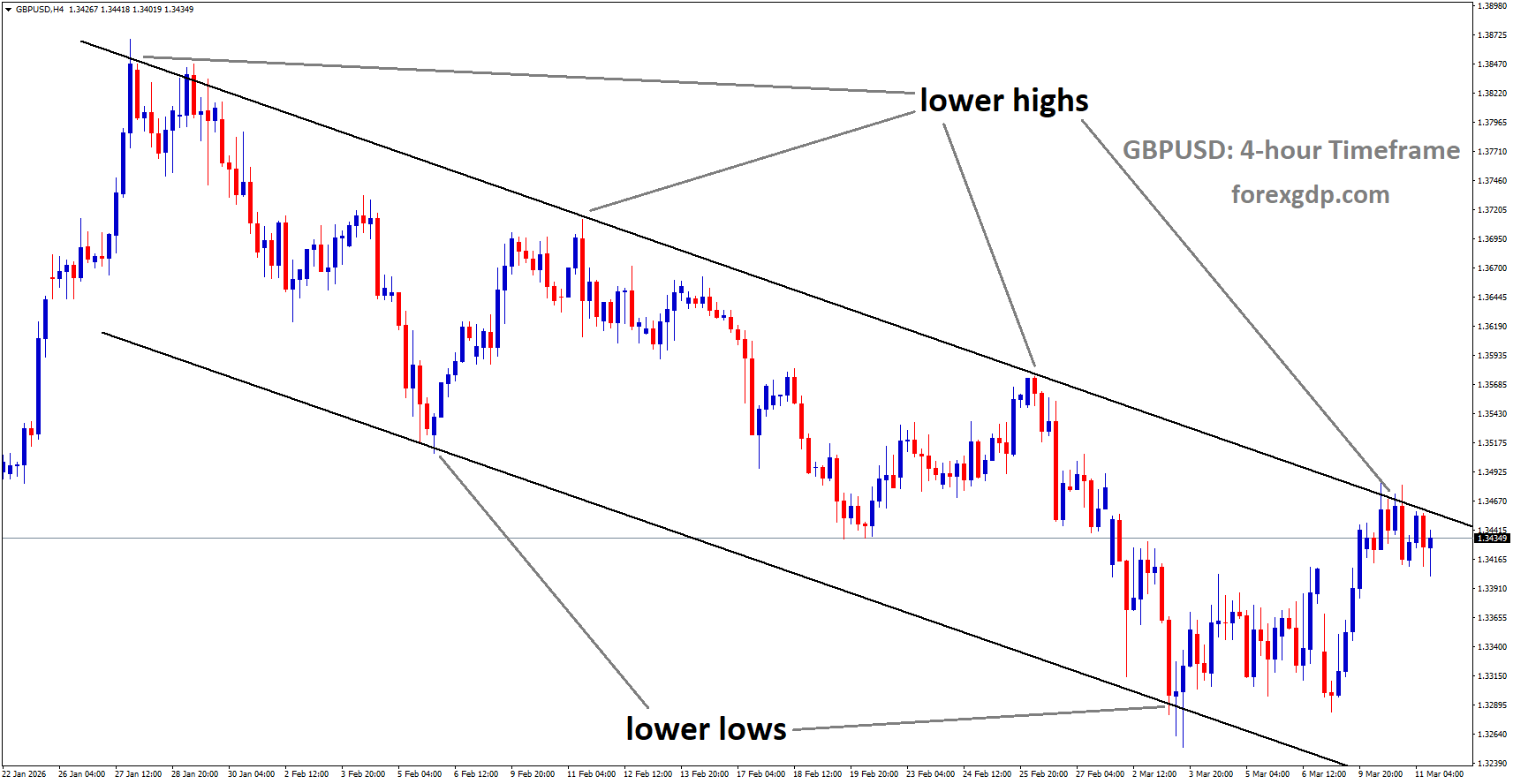
GBPUSD is moving in a descending channel, and the market has reached the lower high area of the channel
During Asian trading hours on Wednesday, the GBP/USD currency pair moved higher and traded near 1.3450 after experiencing small losses in the previous session. The Pound’s recovery reflects growing optimism that geopolitical tensions in the Middle East may not have as large an impact on global inflation as many investors initially feared.
At the same time, the US Dollar has remained relatively weak as markets wait for key economic data from the United States. This has provided additional support for the British currency.
Oil Prices Cool and Lift Market Sentiment
One of the main reasons behind the Pound’s recent strength is the improvement in global market sentiment after oil prices began to cool.
Earlier concerns about the Middle East conflict had pushed energy prices higher. Rising oil prices typically increase inflation pressure around the world because energy is a major cost for transportation, manufacturing, and daily consumption. When inflation rises, central banks may delay cutting interest rates, which can create uncertainty in financial markets.
However, sentiment improved after reports suggested that the International Energy Agency (IEA) could step in to stabilize oil markets.
According to reports, the IEA is considering releasing a large amount of oil from its strategic reserves to ease supply concerns. The potential release could exceed the 182 million barrels that were released in 2022 following Russia’s invasion of Ukraine.
If such a move happens, it would increase oil supply in the market and help prevent sharp price increases. Lower energy prices would reduce pressure on global inflation, which is positive news for investors and policymakers.
As a result, financial markets have become more optimistic, supporting currencies like the Pound that are sensitive to global economic confidence.
Developments in the Middle East Influence Markets
Geopolitical developments have also played an important role in shaping market sentiment.
Recent comments from US President Donald Trump suggested that the ongoing conflict in the Middle East could end sooner than expected. His statement raised hopes that tensions in the region may not escalate further.
In addition, the US government announced that the US Navy would escort oil tankers through the Strait of Hormuz. This strategic shipping route is one of the most important channels for global oil transportation.
Ensuring the safety of vessels moving through the Strait of Hormuz is essential because any disruption could significantly affect global energy supplies. The US naval presence is intended to protect shipping routes and maintain the steady flow of oil.
These developments helped calm markets, as investors began to believe that the conflict may not severely disrupt global trade or energy supply chains.
However, uncertainty still remains. Officials in the United States have indicated that military operations in Iran are intensifying, and diplomatic negotiations appear limited at the moment.
At the same time, Iran’s Revolutionary Guards warned that the blockade of the Strait of Hormuz could continue until attacks from the United States and Israel stop. This warning highlights the fragile nature of the situation and the potential for further tensions.
Expectations Shift for Bank of England Policy
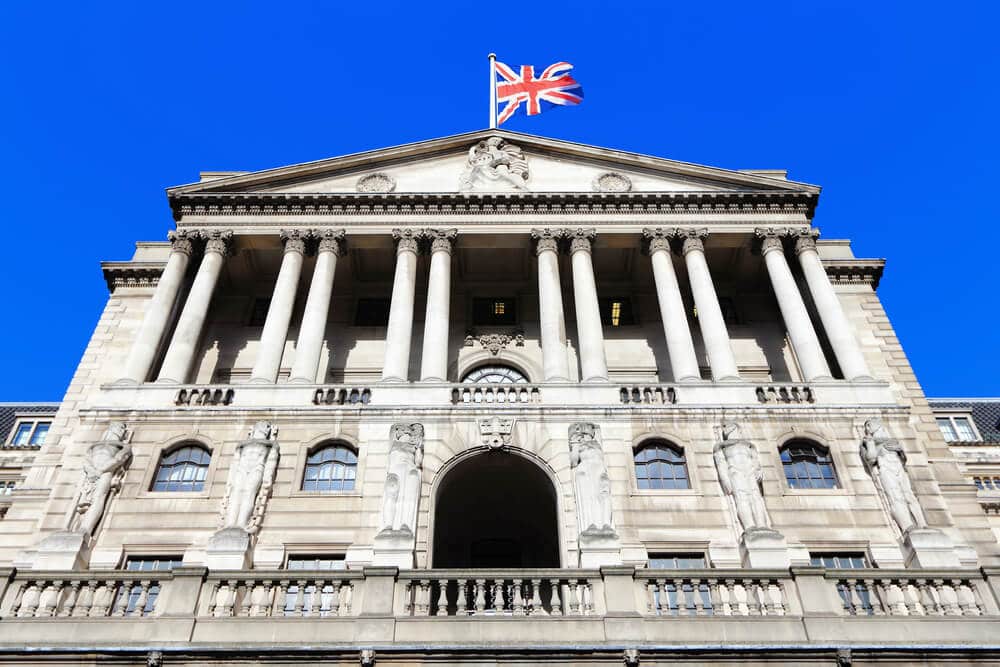
Another key factor influencing the Pound is the outlook for interest rates in the United Kingdom.
Central banks play a major role in currency movements because their decisions affect borrowing costs, economic growth, and inflation expectations.
Recently, financial institutions such as Standard Chartered and Morgan Stanley adjusted their forecasts for the Bank of England’s policy path.
Both banks now expect the BoE to begin cutting interest rates in the second quarter of the year. This represents a slight delay compared to earlier predictions, largely due to concerns that rising energy prices from the Middle East conflict could push inflation higher.
Higher inflation makes it more difficult for central banks to lower interest rates quickly. Policymakers must ensure that price pressures remain under control before easing monetary policy.
Despite these concerns, the overall outlook still points toward gradual rate cuts in the coming months as inflation continues to stabilize.
Markets Expect No Immediate Rate Change
For now, investors widely expect the Bank of England to keep interest rates unchanged in the near term.
Data compiled by the London Stock Exchange Group shows that markets currently see a very high probability that the BoE will maintain current rates this month.
This expectation reflects a cautious approach by policymakers. While inflation has been easing compared to previous peaks, global uncertainties—especially those related to energy prices—mean that the central bank may prefer to wait for clearer economic signals.
A British brokerage firm has also revised its forecasts regarding future rate changes. It has moved its expectation for the first rate cut from March to the second quarter and reduced the number of cuts expected afterward.
Under its latest outlook, the BoE’s benchmark rate could gradually decline to around 3.25 percent by the end of 2026.
This slower pace of rate reductions suggests that policymakers want to balance supporting economic growth while ensuring inflation does not return.
US Dollar Remains Under Pressure
The British Pound has also benefited from weakness in the US Dollar.
Investors are currently waiting for the release of the US Consumer Price Index (CPI), an important inflation report that often influences currency markets. Until the data is released, many traders are hesitant to make large bets on the direction of the Dollar.
When uncertainty surrounds major economic data, currency movements can become more sensitive to other global factors such as geopolitical developments or central bank expectations.
If US inflation comes in higher than expected, it could strengthen the Dollar because it might encourage the Federal Reserve to keep interest rates higher for longer. On the other hand, softer inflation data could keep the Dollar under pressure and allow other currencies to gain ground.
Despite its current weakness, the US Dollar could still regain strength if global risks increase. In times of geopolitical tension or economic uncertainty, investors often move money into safe-haven assets like the Dollar.
Summary
The British Pound has strengthened as global market sentiment improves and concerns about the Middle East conflict’s impact on inflation begin to ease. Cooling oil prices and the possibility of a large oil reserve release from the International Energy Agency have helped calm markets and reduce fears of rising energy costs.
Geopolitical developments, including efforts to protect shipping routes in the Strait of Hormuz, have also reassured investors that major disruptions to global energy supply may be avoided.
At the same time, expectations for Bank of England policy are evolving. Major financial institutions now anticipate that interest rate cuts could begin in the second quarter, although policymakers remain cautious due to ongoing inflation risks.
The US Dollar has stayed relatively subdued as traders wait for important inflation data from the United States, allowing the Pound to gain ground in currency markets.
While optimism has returned to financial markets for now, ongoing geopolitical tensions and upcoming economic data will continue to shape the direction of global currencies in the weeks ahead.
USDJPY rises as doubts over Bank of Japan’s next moves weigh on Yen
The USD/JPY currency pair continued to move higher for a second consecutive session on Wednesday, reaching around 158.30 during European trading hours. The recent rise reflects ongoing pressure on the Japanese Yen, while the US Dollar finds support from global uncertainty and strong demand for safe-haven assets.

USDJPY is moving in an uptrend channel, and the market has reached the higher low area of the channel
Several factors are influencing this movement. Uncertainty about the Bank of Japan’s future policy direction, concerns from Japan’s political leadership about interest rate increases, and geopolitical tensions in the Middle East are all shaping market sentiment. At the same time, investors are closely watching upcoming US inflation data, which could influence expectations about future decisions from the Federal Reserve.
Japanese Yen Faces Pressure Amid Policy Uncertainty
The Japanese Yen has struggled recently, mainly because investors remain unsure about the Bank of Japan’s next steps. Unlike many other major central banks, the BoJ has maintained a cautious approach to tightening monetary policy. This ongoing uncertainty is weighing on the currency.
Market participants believe that Japan’s Prime Minister Sanae Takaichi may encourage the central bank to take a careful approach toward further interest rate increases. Reports suggest that she previously expressed concerns about aggressive tightening during a meeting with Bank of Japan Governor Kazuo Ueda last month.
These concerns reflect broader worries about the potential impact of higher borrowing costs on Japan’s fragile economic recovery. While inflation in Japan has increased compared to previous years, policymakers remain cautious about making moves that could slow economic growth.
As a result, traders expect the Bank of Japan to maintain its current policy stance in the near term. This expectation has reduced support for the Yen, allowing the USD/JPY pair to rise.
Bank of Japan Signals a Patient Approach
Governor Kazuo Ueda recently indicated that the central bank may keep interest rates steady for an extended period. His comments highlighted the potential risks facing the global economy, especially those linked to geopolitical tensions.
The ongoing conflict in the Middle East is one of the major concerns. Global instability can affect trade, energy markets, and investor confidence, all of which can have ripple effects on economies worldwide, including Japan.
Because of these risks, the Bank of Japan appears willing to wait and observe how global conditions evolve before making any significant policy changes. This cautious tone has reinforced expectations that the upcoming BoJ meeting will result in no changes to interest rates.
For currency markets, this outlook creates a challenge for the Yen. When investors believe that a central bank will keep rates low for longer, the currency often loses attractiveness compared with currencies from countries where policy may become tighter.
US Dollar Supported by Safe-Haven Demand
While the Japanese Yen faces pressure, the US Dollar continues to attract attention from investors looking for stability. In times of global uncertainty, the Dollar often benefits because it is widely considered a safe-haven currency.
The situation in the Middle East remains a key driver of this demand. Although there have been occasional suggestions that the conflict could end soon, recent developments have kept tensions high.
Earlier this week, US President Donald Trump suggested that the conflict might conclude in the near future. However, statements from US officials the following day indicated that military operations involving Iran were intensifying rather than easing.
This mixed messaging has created uncertainty in global markets. When geopolitical risks remain unresolved, investors often shift their funds toward assets that are seen as more secure, including the US Dollar.
Rising Tensions in the Middle East Add to Market Uncertainty
The situation in the Middle East continues to evolve rapidly, and markets are reacting to every new development. Reports from US officials suggest that military activity related to Iran has increased, reducing the chances of immediate diplomatic negotiations.
At the same time, Iran’s Revolutionary Guards have warned that the blockade of the Strait of Hormuz will continue unless attacks by the United States and Israel come to an end.
The Strait of Hormuz is one of the world’s most important energy shipping routes. Any disruption in this area can have major consequences for global oil supply and energy markets.
Because energy prices and geopolitical stability play a major role in shaping economic expectations, developments in this region are closely monitored by traders and investors around the world.
When tensions rise, financial markets tend to experience increased volatility. In such periods, the US Dollar often strengthens as investors seek assets with perceived stability.
Key US Inflation Data in Focus
Apart from geopolitical developments, investors are also closely watching upcoming economic data from the United States. These reports may provide important clues about the future direction of Federal Reserve policy.
Later in the day, traders will analyze the latest Consumer Price Index data. This report measures changes in the prices of goods and services and is widely used to gauge inflation trends in the economy.
Inflation data is particularly important because it influences the decisions made by central banks. If inflation remains high, policymakers may consider maintaining tighter financial conditions to prevent prices from rising too quickly.
In addition to the CPI report, market participants are also preparing for the release of the Personal Consumption Expenditures Price Index later in the week. The PCE index is another key measure of inflation and is closely watched by the Federal Reserve.
These data points can significantly affect market expectations. If the figures suggest that inflation pressures remain persistent, investors may adjust their outlook regarding future policy actions.
Market Sentiment Remains Sensitive to Global Events
Currency markets are currently being shaped by a complex mix of economic signals and geopolitical developments. The direction of the USD/JPY pair reflects how these factors interact.
On one hand, uncertainty about the Bank of Japan’s policy outlook has weakened the Japanese Yen. On the other hand, ongoing global tensions are supporting the US Dollar through increased safe-haven demand.
At the same time, investors remain cautious as they wait for new economic data that could influence expectations for central bank policy in the United States.
Because multiple factors are unfolding at the same time, traders are paying close attention to both political headlines and economic indicators.
Summary
The USD/JPY pair has moved higher for the second day in a row as the Japanese Yen remains under pressure and the US Dollar benefits from global uncertainty. Concerns about the Bank of Japan’s policy direction, along with expectations that interest rates may stay unchanged, have weakened the Yen.
Meanwhile, ongoing geopolitical tensions in the Middle East are encouraging investors to seek safer assets, providing support for the US Dollar. Developments involving Iran and the Strait of Hormuz continue to add to market uncertainty.
In the coming days, attention will shift toward important US inflation data, including the Consumer Price Index and the Personal Consumption Expenditures Price Index. These reports could shape expectations about future monetary policy and influence the direction of currency markets.
USDCAD Edges Higher as Oil Weakness Offsets Soft US Dollar Ahead of Key Inflation Report
The USD/CAD currency pair is facing difficulty moving higher after recently touching its lowest level in nearly a month. During Wednesday’s Asian trading session, the pair remained under mild pressure, reflecting shifting market sentiment and mixed global signals.

USDCAD is moving in a descending channel, and the market has fallen from the lower high area of the channel
Although the US Dollar has shown some weakness recently, falling crude oil prices have helped prevent a deeper decline in USD/CAD. At the same time, investors are closely watching upcoming economic data from the United States, particularly the Consumer Price Index (CPI), which could shape expectations for future monetary policy decisions.
With geopolitical tensions still affecting energy markets and global investors balancing risk sentiment, the USD/CAD pair remains influenced by several key factors.
USD/CAD Struggles to Recover from Recent Lows
The USD/CAD pair recently dropped close to a one-month low and has struggled to gain strong upward momentum since then. Even though the pair has tried to stabilize slightly, market signals remain mixed.
Part of the pressure on the US Dollar comes from easing inflation concerns and improved risk appetite among investors. When investors feel more confident about the global economic outlook, they often move funds away from safe-haven assets such as the US Dollar and toward riskier investments like equities and commodities.
This shift in sentiment has contributed to the US Dollar losing some strength, which in turn has pushed USD/CAD slightly lower.
However, the decline has been relatively limited. While the pair remains under pressure, it has not experienced a sharp fall. This suggests that traders are cautious and waiting for clearer signals before taking stronger positions.
Oil Price Movements Influence the Canadian Dollar

Oil prices play a major role in the performance of the Canadian Dollar. Canada is one of the world’s major oil exporters, which means its currency often moves in response to changes in crude oil prices.
Recently, oil prices experienced a strong surge due to rising geopolitical tensions in the Middle East. However, prices have since pulled back after the International Energy Agency (IEA) proposed releasing a large amount of oil from global reserves. The goal of this move is to help stabilize supply and prevent energy prices from rising too quickly.
This potential release of oil reserves has placed downward pressure on crude oil prices. As oil prices fall, the Canadian Dollar often weakens because lower energy prices can reduce Canada’s export revenues.
Because of this relationship, declining oil prices have helped limit the downside for the USD/CAD pair. Even though the US Dollar has softened slightly, weakness in the Canadian Dollar has balanced the overall movement.
Why the Canadian Dollar Is Called the “Loonie”
The Canadian Dollar is often referred to as the “Loonie,” a nickname that comes from the loon bird featured on Canada’s one-dollar coin.
The term is widely used in financial markets, especially when discussing currencies influenced by commodity prices. Since Canada’s economy relies heavily on energy exports, movements in oil prices often have a noticeable impact on the Loonie’s value.
When oil prices rise, the Canadian Dollar typically strengthens. When oil prices fall, the currency can weaken.
Market Sentiment Shifts Away from the US Dollar
Another important factor affecting USD/CAD is the current mood in global financial markets.
In recent sessions, stock markets have shown a generally positive tone. When equities perform well, investors often reduce their exposure to traditional safe-haven assets such as the US Dollar. This shift in investment flows can weaken the greenback.
Additionally, the recent drop in oil prices has helped ease fears about rising inflation. Energy costs are a major driver of inflation in many economies, so lower oil prices can help reduce concerns about persistent price increases.
When inflation fears decrease, expectations for aggressive monetary policy measures from central banks can also soften. This can reduce demand for currencies that were previously supported by higher interest rate expectations.
However, the US Dollar still retains some support due to its status as the world’s primary reserve currency. During times of uncertainty or geopolitical tension, global investors often return to the Dollar as a safe and reliable asset.
Geopolitical Risks Continue to Influence Markets
Despite the recent improvement in risk sentiment, geopolitical tensions remain a key concern for investors.
The conflict involving the United States, Israel, and Iran has raised fears about potential disruptions to global energy supplies. One particular area of concern is the Strait of Hormuz, a critical shipping route through which a large portion of the world’s oil supply passes.
If tensions escalate and the strait becomes restricted or blocked, it could create major disruptions in global energy markets. Such a scenario would likely push oil prices higher again and increase uncertainty in financial markets.
In these situations, the US Dollar often benefits from increased demand as investors seek safety. This could provide support for the currency even if other factors weigh on it.
Because of this uncertainty, traders remain cautious and are closely monitoring developments in the region.
US Inflation Data Becomes the Next Major Focus
Another major factor influencing USD/CAD is the upcoming release of the US Consumer Price Index (CPI) report.
The CPI is one of the most important indicators used to measure inflation in the United States. It tracks changes in the prices consumers pay for everyday goods and services.
Investors pay close attention to this data because it can influence decisions made by the Federal Reserve, the central bank of the United States.
Why the CPI Report Matters for Currency Markets
If the CPI report shows that inflation is rising again, it could signal that price pressures remain strong in the economy. In such a case, the Federal Reserve might choose to keep interest rates higher for longer or delay any potential rate cuts.
Higher interest rates often support the US Dollar because they attract foreign investment into US assets.
On the other hand, if inflation appears to be slowing, it could strengthen expectations that the Federal Reserve will begin lowering interest rates sooner. Lower interest rates can reduce demand for the Dollar and put pressure on the currency.
Because of this, the CPI report is likely to play a significant role in shaping the next move for USD/CAD.
Energy Prices Remain a Key Driver
While inflation data will capture much of the market’s attention, energy prices will continue to play an important role in determining the direction of USD/CAD.
Oil market developments are closely linked to both geopolitical tensions and supply decisions made by global energy organizations. Any major shift in these factors can quickly affect crude oil prices and, by extension, the Canadian Dollar.
If oil prices stabilize or move higher again, the Canadian Dollar could gain strength, potentially pushing USD/CAD lower. On the other hand, further declines in oil prices may weaken the Canadian currency and support the pair.
Because of this strong relationship, traders will continue to monitor both economic data and developments in the global energy market.
Summary
The USD/CAD pair remains under moderate pressure as the US Dollar weakens slightly due to easing inflation concerns and improving risk sentiment. At the same time, falling crude oil prices have reduced the strength of the Canadian Dollar, helping prevent a larger drop in the currency pair.
Global events continue to play a major role in shaping market sentiment. Geopolitical tensions in the Middle East, concerns about potential disruptions to oil supply routes, and changes in energy prices all remain important influences.
Investors are now turning their attention to the upcoming US CPI report, which could shape expectations for future Federal Reserve policy decisions. Alongside inflation data, movements in oil prices will likely remain one of the most important drivers of the USD/CAD pair in the near term.
AUDUSD Pushes Upward as Markets Anticipate a Hawkish Shift from the RBA
The Australian Dollar has been gaining momentum in recent trading sessions, supported by rising expectations that the Reserve Bank of Australia (RBA) could increase interest rates soon. As investors look ahead to the central bank’s next policy decision, optimism surrounding the Australian economy and persistent inflation pressures have provided additional support for the currency.
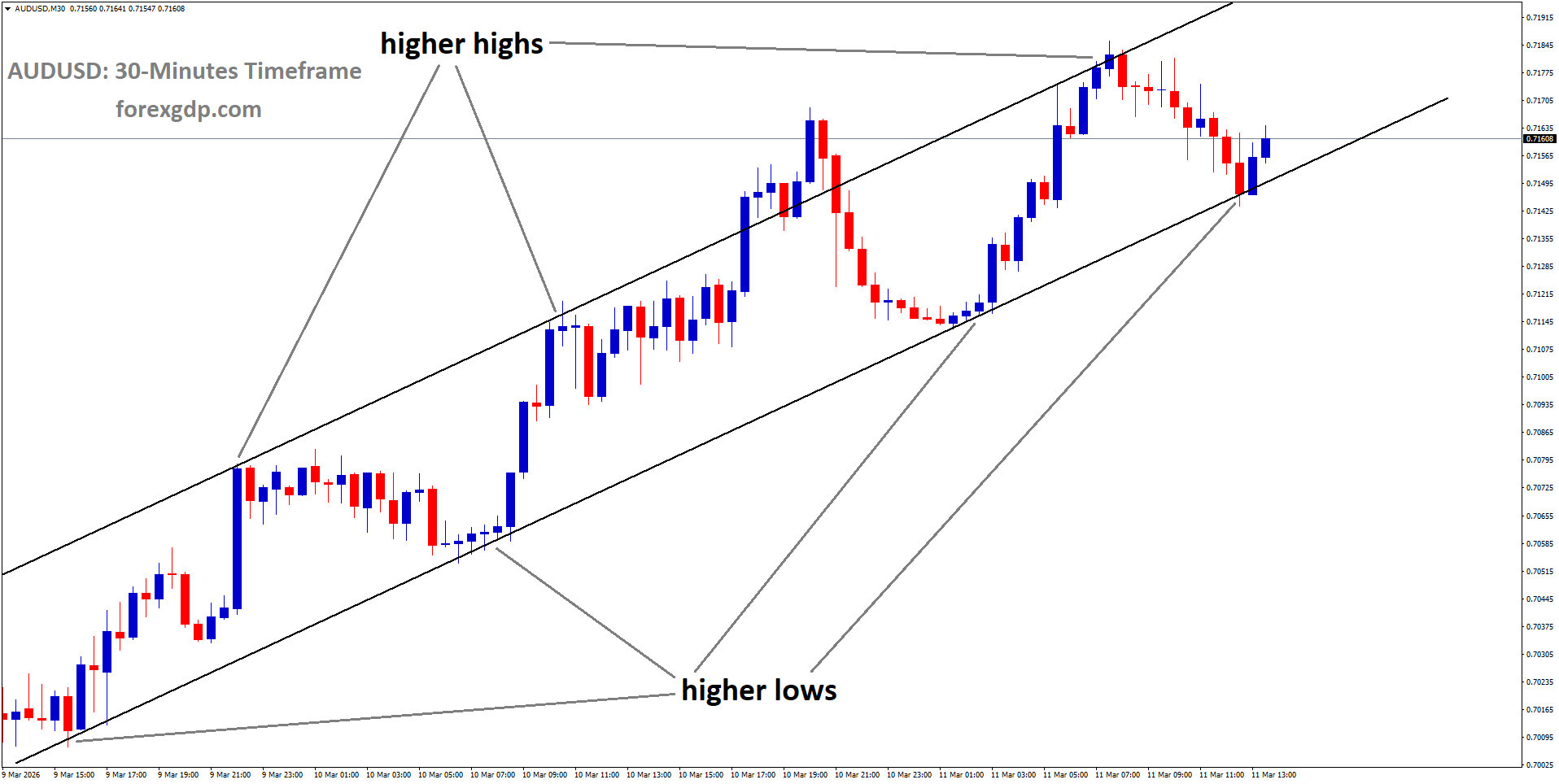
AUDUSD is moving in an uptrend channel, and the market has reached a higher low area of the channel
At the same time, global uncertainty—especially related to geopolitical tensions—continues to influence currency markets. While the Australian Dollar has been strengthening recently, the US Dollar could also attract attention from investors if demand for safe-haven assets increases.
Australian Dollar Extends Its Winning Momentum
The Australian Dollar has continued its upward movement against the US Dollar, marking several consecutive sessions of gains. This positive momentum reflects growing confidence among investors that the RBA may take further action to control inflation.
Currency traders are paying close attention to the upcoming monetary policy meeting, where policymakers are expected to review the current economic situation and decide whether interest rates should be raised again. Higher interest rates often strengthen a country’s currency because they can attract global investors seeking better returns.
Recent movements in the AUD/USD pair show that market participants are positioning themselves ahead of the potential decision. The possibility of tighter monetary policy in Australia has made the Australian Dollar more appealing compared to other currencies.
Inflation Pressures Continue to Influence Policy
Inflation remains a key factor shaping expectations for the Reserve Bank of Australia. Recent economic data suggests that price pressures in Australia are still above the central bank’s preferred range.
Headline inflation in the country currently stands around 3.8 percent. Some economists believe it could move above 4 percent in the near future, mainly due to rising petrol prices. Fuel costs have a significant impact on overall inflation because they affect transportation and production expenses across many industries.
Core inflation, which excludes more volatile items like food and energy, is also elevated. It remains around 3.4 percent, still above the RBA’s target range of 2 to 3 percent.
When inflation stays above the target range for an extended period, central banks often consider raising interest rates to slow down spending and stabilize prices. Because of this, the current inflation data has strengthened the case for additional policy tightening in Australia.
Comments From RBA Officials Add to Market Expectations
Recent remarks from Reserve Bank of Australia Deputy Governor Andrew Hauser have also influenced market sentiment. Speaking about global economic conditions, Hauser highlighted that volatility in oil prices and ongoing tensions in the Middle East are creating challenges for central banks worldwide.
Energy prices can quickly affect inflation levels. If oil prices rise sharply, transportation and production costs increase, which can push overall prices higher. Central banks must carefully assess how long these price shocks might last before deciding how to respond.
Hauser emphasized that the appropriate policy response depends on both the size of the price increase and how persistent it becomes. Since global conditions remain uncertain, policymakers must monitor developments closely before taking action.
Despite these challenges, Hauser noted that the Australian economy appears to be in relatively good condition. Recent economic indicators suggest the economy is operating with limited spare capacity. This means businesses and workers are already close to their maximum productive potential, which can also contribute to inflation if demand continues to rise.
The Role of Global Uncertainty in Currency Markets
While the Australian Dollar has been benefiting from domestic economic factors, global developments are still shaping currency movements.
The US Dollar recently lost some momentum after posting modest gains earlier. However, the currency could regain strength if investors begin to seek safety amid rising geopolitical risks.
Historically, the US Dollar has been viewed as a safe-haven currency. During times of global uncertainty, investors often move their funds into assets perceived as stable and reliable. This increased demand can push the value of the US Dollar higher.
Tensions in the Middle East remain a major source of uncertainty in global markets. Ongoing developments in the region have made investors cautious, as the situation could impact energy prices, global trade, and overall economic stability.
Mixed Signals on the Middle East Conflict
Recent statements from US officials have presented a mixed picture regarding the situation in the Middle East. Some comments have suggested that the conflict might be resolved soon, which could ease market concerns.
However, other reports indicate that military operations are intensifying, and diplomatic negotiations currently appear limited. These conflicting signals have made it difficult for investors to determine how the situation might evolve in the near future.
When geopolitical tensions rise, financial markets often become more volatile. Currency traders closely monitor these events because they can quickly shift investor sentiment and capital flows between different currencies.
How Interest Rate Expectations Affect the Currency
Interest rate expectations play a major role in shaping currency movements. When investors believe that a central bank will raise rates, the country’s currency often becomes more attractive.
Higher interest rates typically provide better returns on investments such as government bonds and savings instruments. As a result, global investors may move their capital into that country, increasing demand for the local currency.
In the case of Australia, expectations for a possible rate hike have strengthened the Australian Dollar in recent days. If the Reserve Bank of Australia does decide to tighten policy, it could reinforce this positive sentiment.
However, currency movements are rarely driven by a single factor. Global economic trends, geopolitical risks, and investor sentiment can all influence exchange rates simultaneously.
Market Focus Shifts to Upcoming Policy Decision
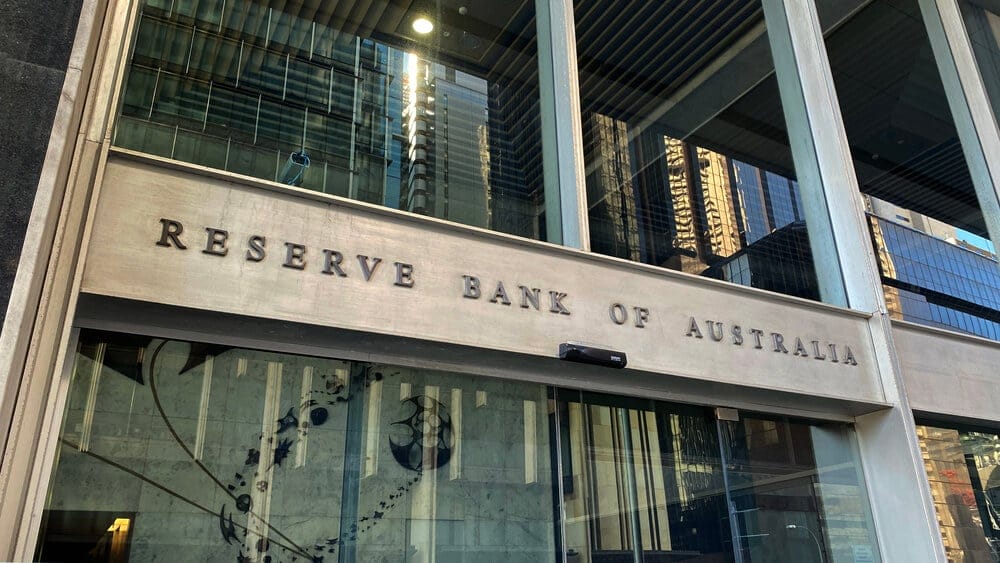
As the next Reserve Bank of Australia meeting approaches, investors are paying close attention to economic data and comments from policymakers. Any signals regarding future policy direction could significantly influence the Australian Dollar.
Inflation trends, energy prices, and global developments will likely remain key factors in the central bank’s decision-making process. Policymakers must balance the need to control inflation with the goal of maintaining steady economic growth.
At the same time, the broader global environment—especially geopolitical developments—could continue to affect currency markets and investor behavior.
Summary
The Australian Dollar has recently gained strength as expectations grow that the Reserve Bank of Australia may raise interest rates in the near future. Elevated inflation and solid economic conditions have increased the likelihood of further policy tightening, which has supported the currency’s upward movement.
Statements from RBA officials have highlighted the challenges posed by volatile energy prices and geopolitical tensions, particularly in the Middle East. These global factors remain important because they can influence inflation and investor sentiment worldwide.
Meanwhile, the US Dollar could still regain strength if global uncertainty increases and investors turn to safe-haven assets. As the upcoming RBA policy decision approaches, markets will continue watching inflation data, economic indicators, and geopolitical developments for clues about the next direction of currency movements.
Don’t trade all the time, trade forex only at the confirmed trade setups
Get more confirmed trade signals at premium or supreme – Click here to get more signals, 2200%, 800% growth in Real Live USD trading account of our users – click here to see , or If you want to get FREE Trial signals, You can Join FREE Signals Now!