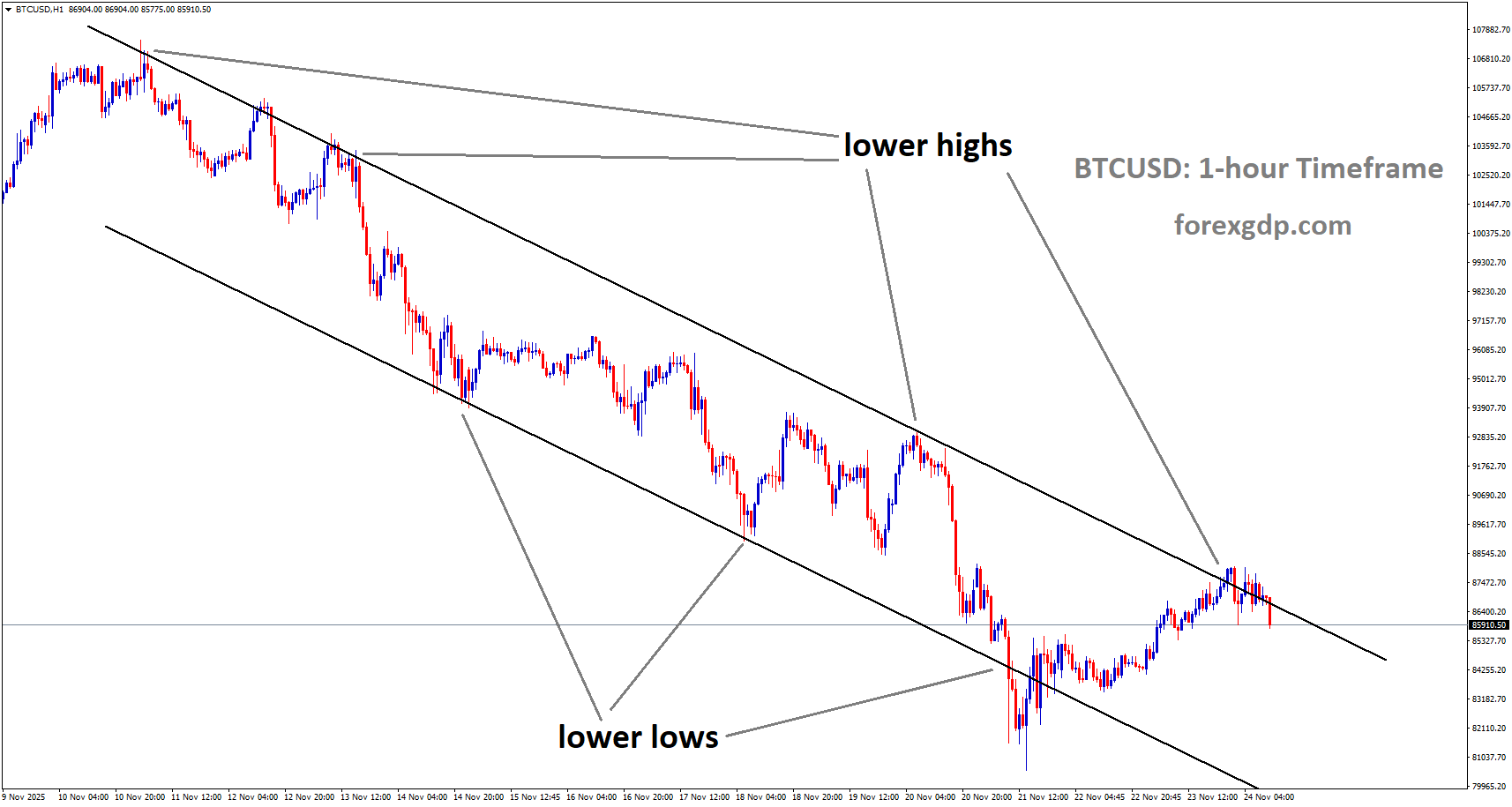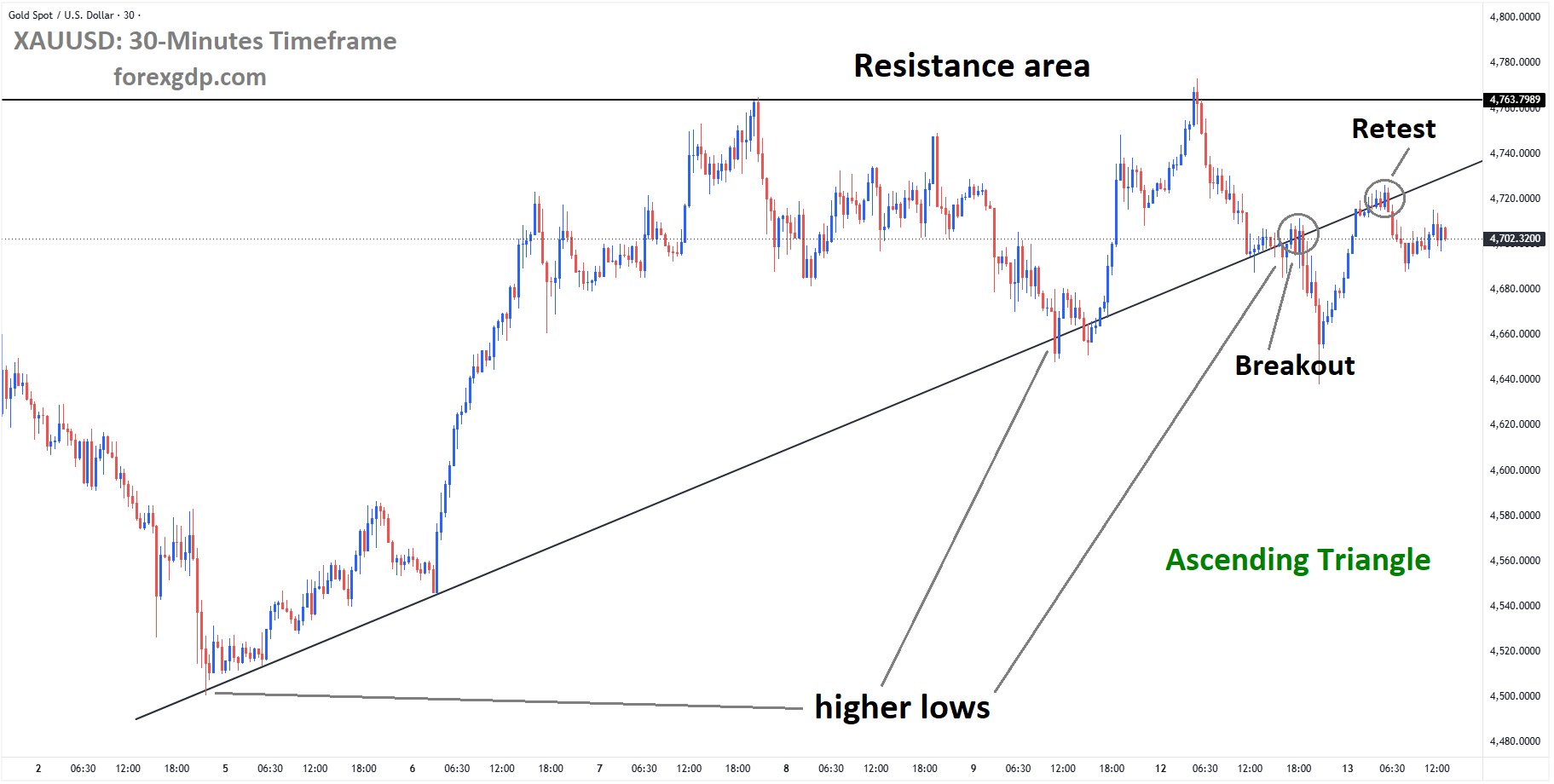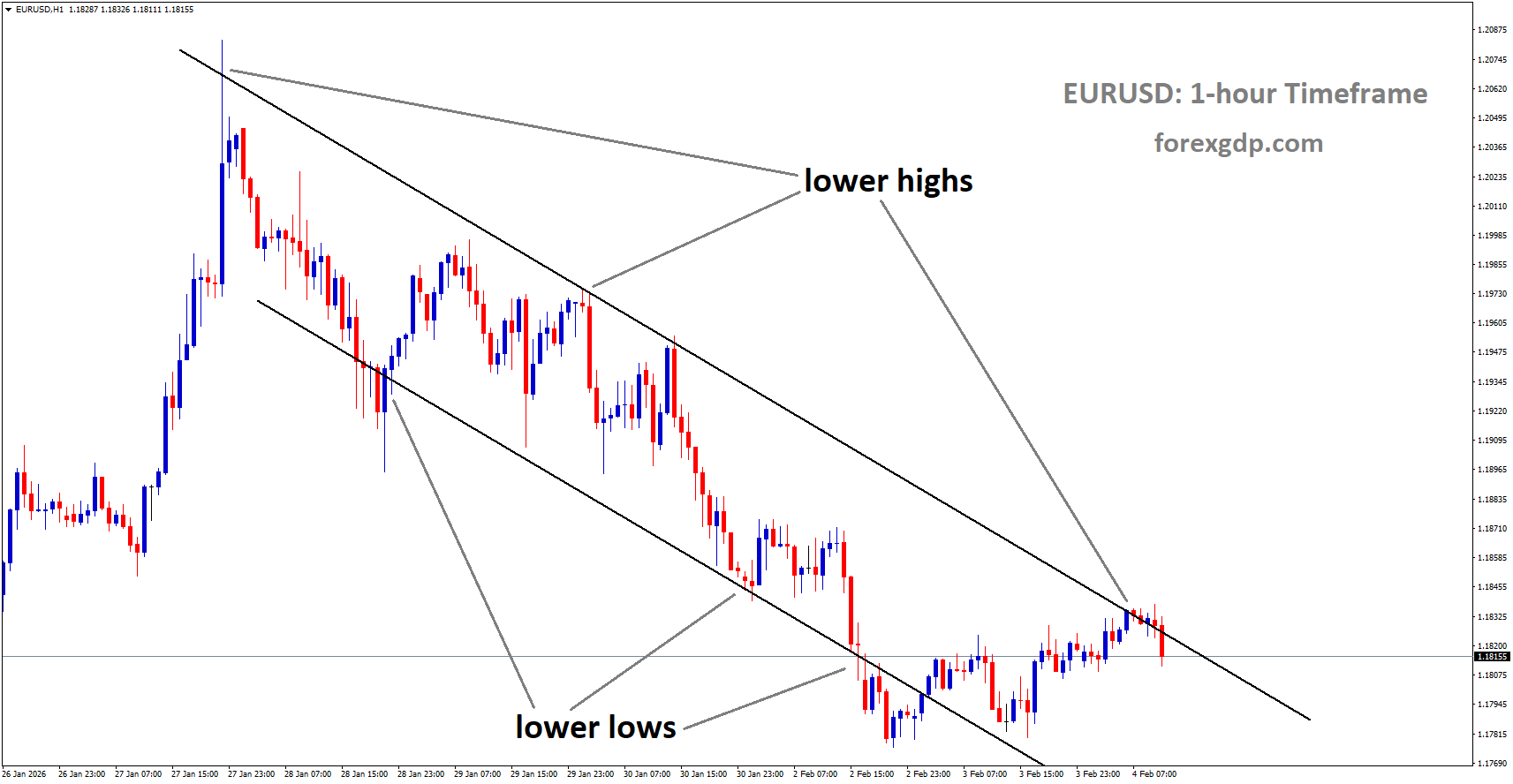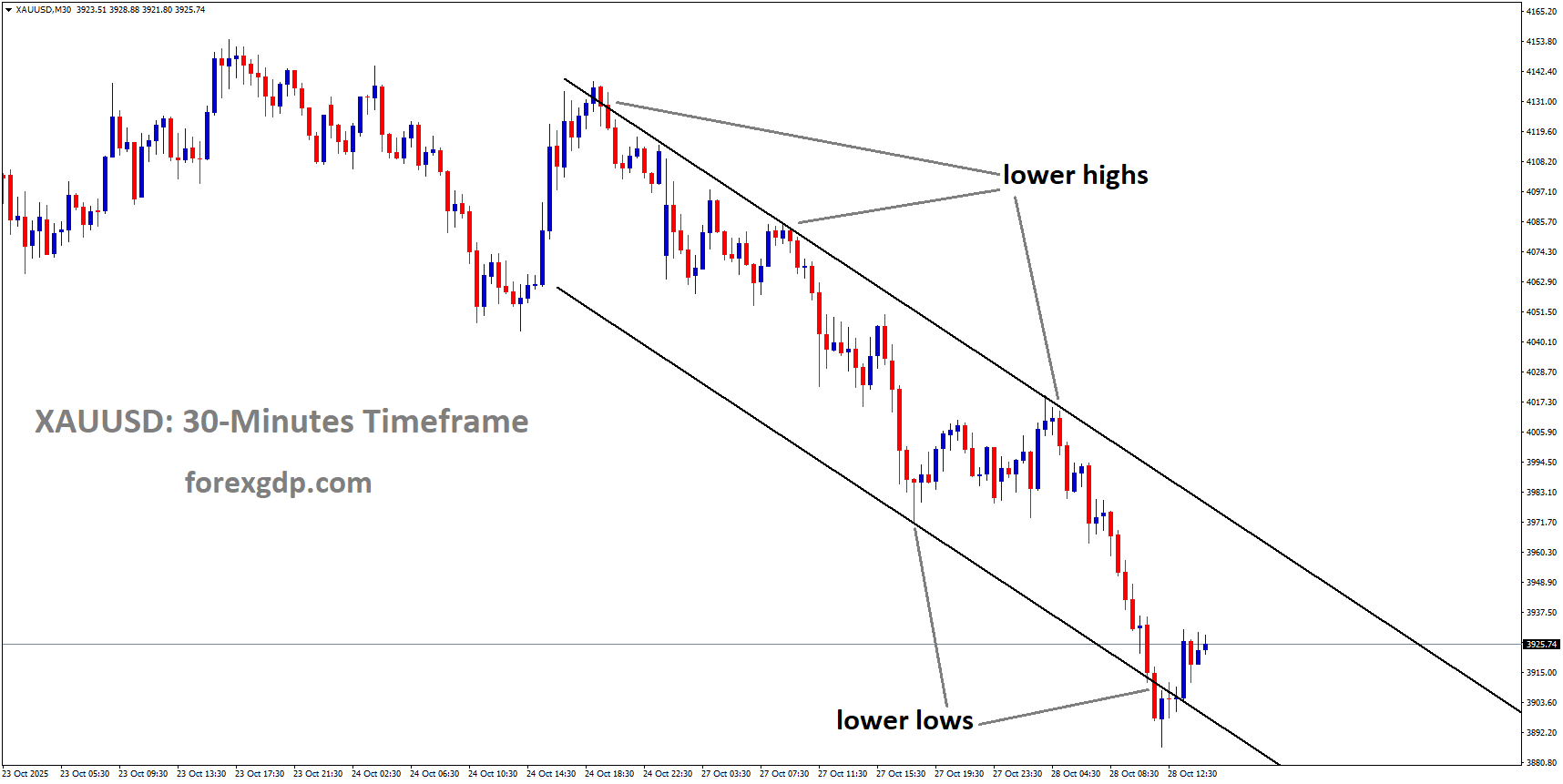
XAUUSD is moving in a downtrend channel, and the market has rebounded from the lower low area of the channel
Gold has continued its downward slide for the third straight day, struggling to regain momentum as global market sentiment shifts. The precious metal, often seen as a traditional safe-haven investment, is losing its shine due to easing trade tensions between the United States and China and mixed signals from the Federal Reserve. Let’s take a deeper look at what’s driving this movement and what traders might expect next.
The Drop in Gold: What’s Happening and Why It Matters
Gold’s recent decline isn’t an isolated event—it reflects broader shifts in global economic confidence. As optimism grows that the world’s two largest economies, the US and China, may finally ease their long-standing trade tensions, investors are feeling less pressure to seek refuge in gold. When uncertainty falls, demand for safe-haven assets like gold usually drops too.
Interestingly, even though expectations for lower US interest rates would normally support gold prices, this time they aren’t having a major positive effect. The Federal Reserve’s dovish stance—signaling possible rate cuts in the near term—has weakened the US dollar. Usually, that would make gold more attractive, since a softer dollar makes it cheaper for foreign investors to buy the metal. But that relationship isn’t playing out strongly right now, suggesting that the market is focusing more on trade developments than on monetary policy.
Adding to the mix, ongoing political uncertainty in the United States, including concerns about a possible government shutdown, hasn’t provided the usual boost to gold either. This shows that traders are currently prioritizing positive global trade signals over domestic political risks.
What’s Moving the Market: A Look at Key Influences
1. Easing US-China Tensions Shifts Investor Sentiment
The renewed optimism surrounding trade talks between the United States and China has played a major role in gold’s recent weakness. Reports indicate that both sides have reached a framework for a potential trade agreement, which will likely be discussed in an upcoming meeting between President Joe Biden and Chinese President Xi Jinping.
This potential thaw in relations is fueling a risk-on mood across global markets. Investors are moving money into equities and other riskier assets, reducing their exposure to gold and other safe-haven options. The improved tone in trade relations reduces fears of economic slowdown, giving markets a sense of relief and optimism.
In short, as investors regain confidence in the stability of global trade, their appetite for gold naturally declines.
2. The Federal Reserve’s Next Move: A Balancing Act

Even with a weaker dollar, gold hasn’t managed to gain traction. The main reason is that investors are already expecting the Fed to lower interest rates soon, meaning this information is already “priced in” by the market.
According to data from the CME Group’s FedWatch Tool, traders are almost certain that the central bank will announce a 25-basis-point rate cut at the conclusion of its two-day policy meeting. There’s even speculation about another potential cut later this year. While such moves typically make non-yielding assets like gold more appealing, traders are instead focusing on growth opportunities elsewhere, particularly in stocks and bonds that could benefit from a lower-rate environment.
The latest US inflation data also supports the idea of a rate cut. Consumer prices rose at an annual pace of 3% in September, matching forecasts. This steady inflation level gives the Fed room to reduce borrowing costs without stoking fears of runaway price increases.
3. Geopolitical Factors Offer Some Support
Despite the general bearish tone, some factors still lend mild support to gold. Geopolitical tensions remain high, with reports that Russia has successfully tested a new nuclear-powered cruise missile, sparking a response from the United States. President Biden’s warning about US military readiness near Russia’s coast underscores the potential for further instability.
These developments remind investors that while economic optimism may be rising, the global landscape is far from risk-free. Gold often benefits when geopolitical uncertainty spikes, but for now, those fears are being overshadowed by improving economic sentiment.
Investor Outlook: What’s Next for Gold Prices?
As the Federal Reserve prepares to meet, the spotlight is firmly on its policy announcement and tone. A clear signal of more aggressive rate cuts could reignite interest in gold by weakening the dollar further. However, if the Fed adopts a cautious or measured approach, gold could face continued selling pressure in the short term.
Meanwhile, developments in the US-China trade relationship will likely remain a key driver. If progress continues and markets maintain their positive outlook, gold may struggle to find support. On the other hand, any setback or renewed tension could quickly bring safe-haven demand back into the picture.
Market analysts also point out that investor psychology is playing a crucial role. Many traders view this as a phase of correction rather than a complete shift in long-term trends. After all, gold’s appeal as a hedge against inflation and uncertainty remains intact, even if short-term momentum is weak.
The Bigger Picture: Why Gold Still Matters
While short-term fluctuations may be frustrating for traders, gold’s long-term role in financial portfolios hasn’t changed. It continues to serve as a hedge against market volatility, inflation, and geopolitical turmoil. Even when other assets outperform, gold remains a key diversification tool for investors seeking stability.
The recent price decline could even be viewed as a healthy correction after months of strong performance. Many long-term investors see dips like this as buying opportunities, especially if they believe that global uncertainty could return later in the year.
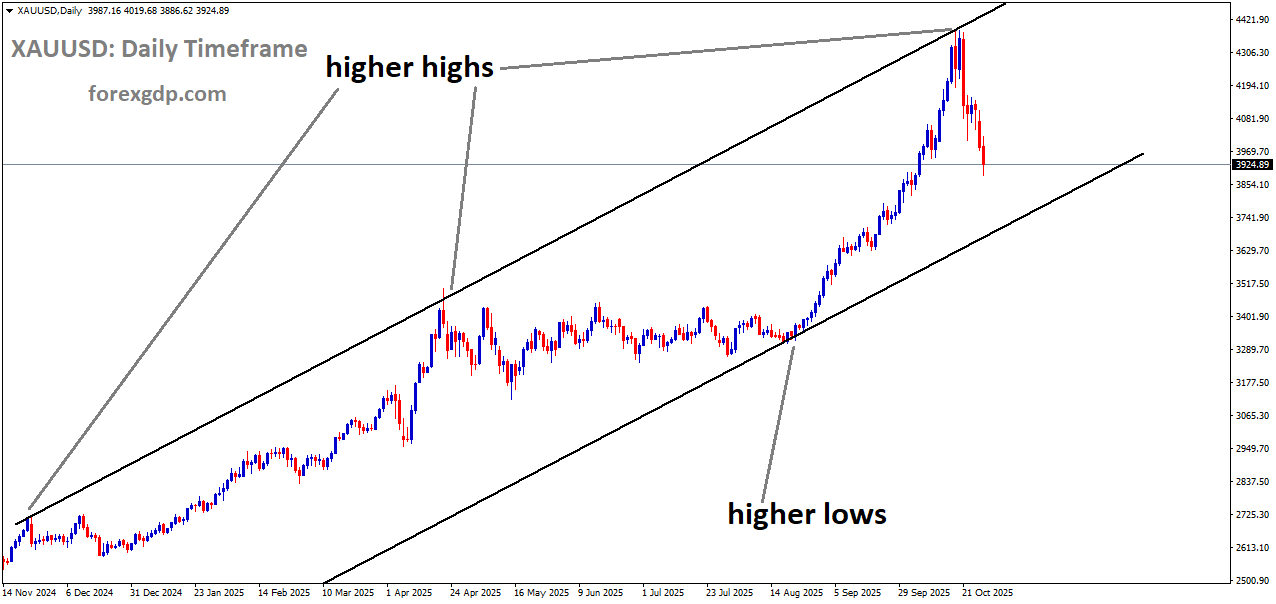
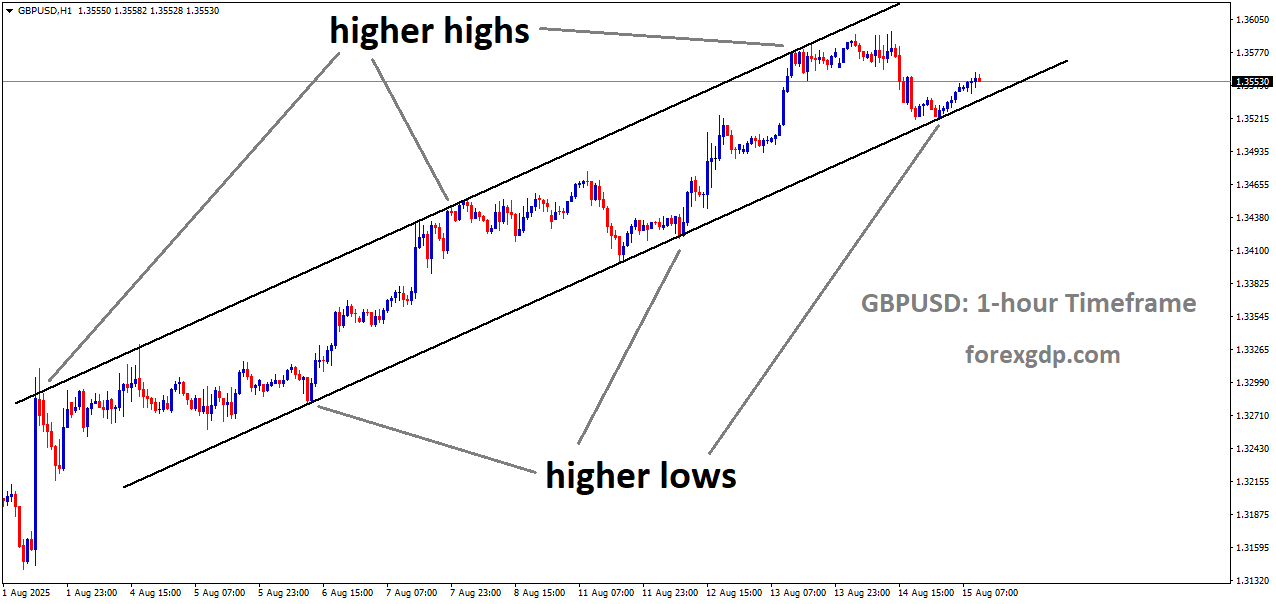
XAUUSD is moving in an uptrend channel, and the market has fallen from the higher high area of the channel
It’s also worth noting that gold demand is not just driven by traders and central banks. Consumer demand for jewelry and industrial use in emerging markets continues to provide a strong foundation for the metal’s long-term value. This broader demand base helps cushion against sudden swings caused by speculative trading.
Final Summary
Gold’s third straight day of decline reflects a combination of improving global sentiment, expectations of lower interest rates, and easing trade tensions between the US and China. Even though the Federal Reserve’s dovish tone and a weaker dollar would typically support gold, optimism in equity markets and risk assets has kept the metal under pressure.
Looking ahead, all eyes are on the upcoming Fed meeting and further trade negotiations. If the US central bank signals deeper rate cuts or if trade talks stumble, gold could regain its strength. But as long as optimism holds, the precious metal may continue to face challenges.
In the bigger picture, however, gold remains an essential component of diversified investment strategies. Short-term dips may come and go, but its long-term role as a safe-haven and wealth-preserving asset remains unshaken.