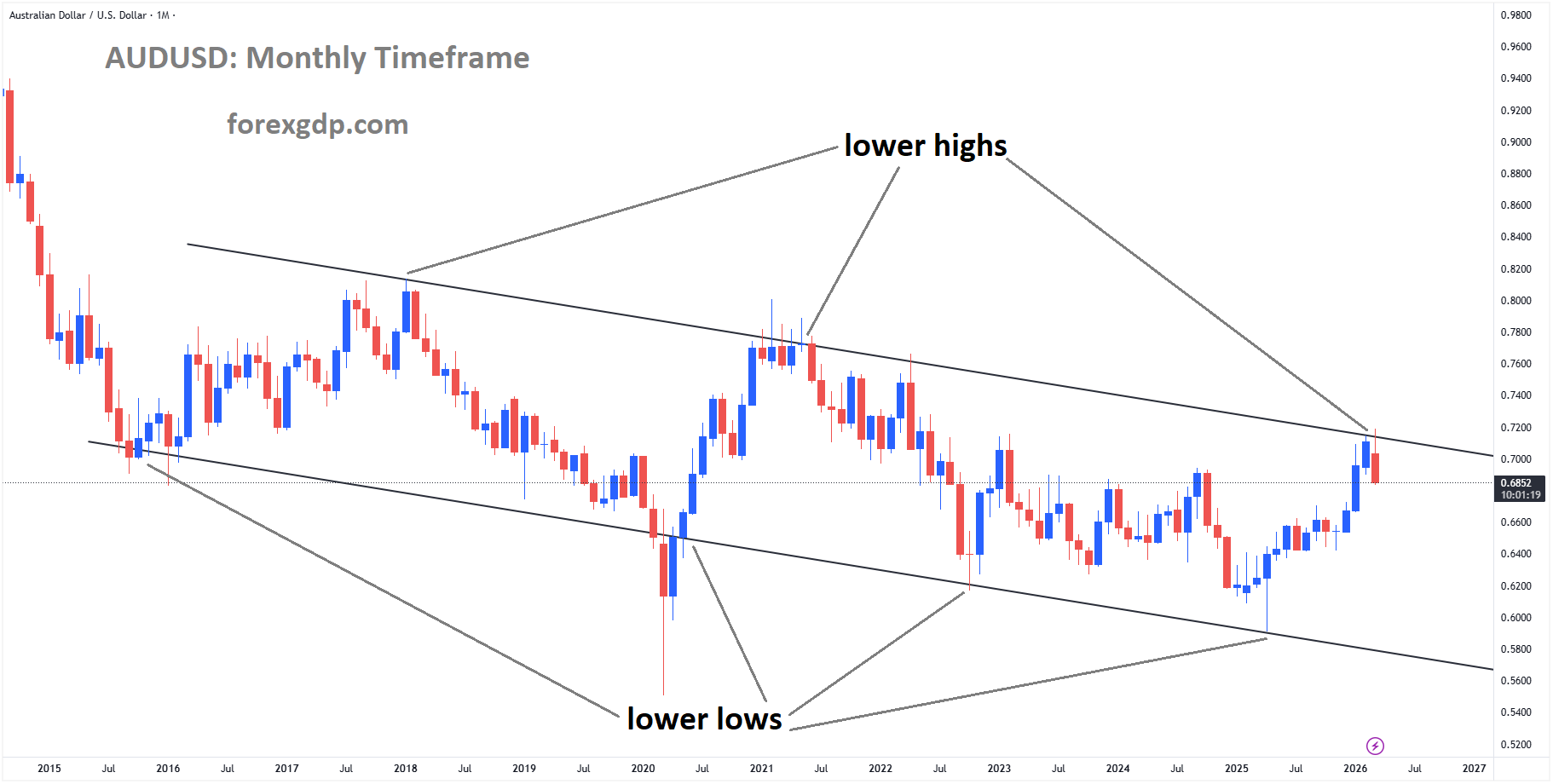
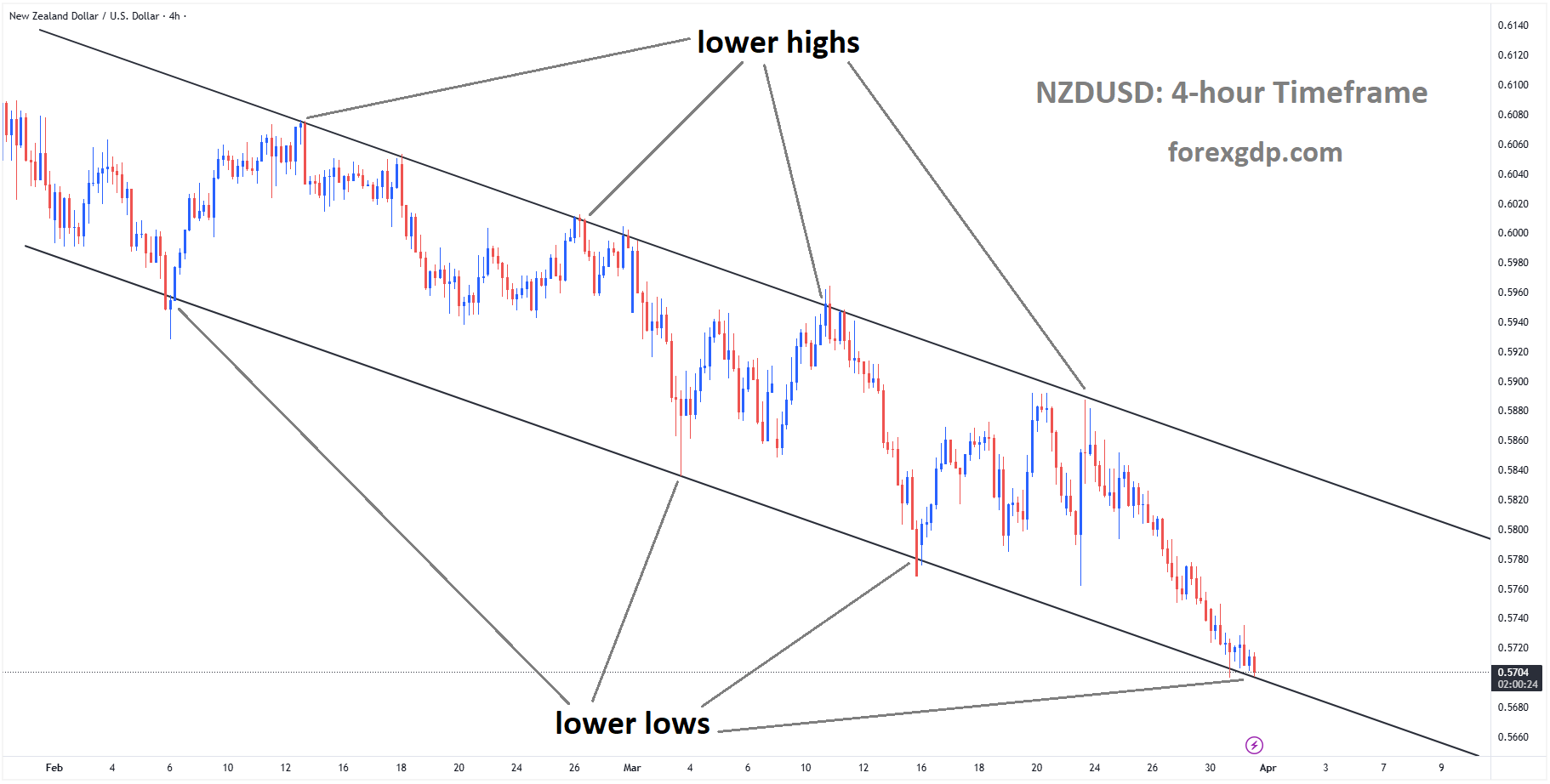
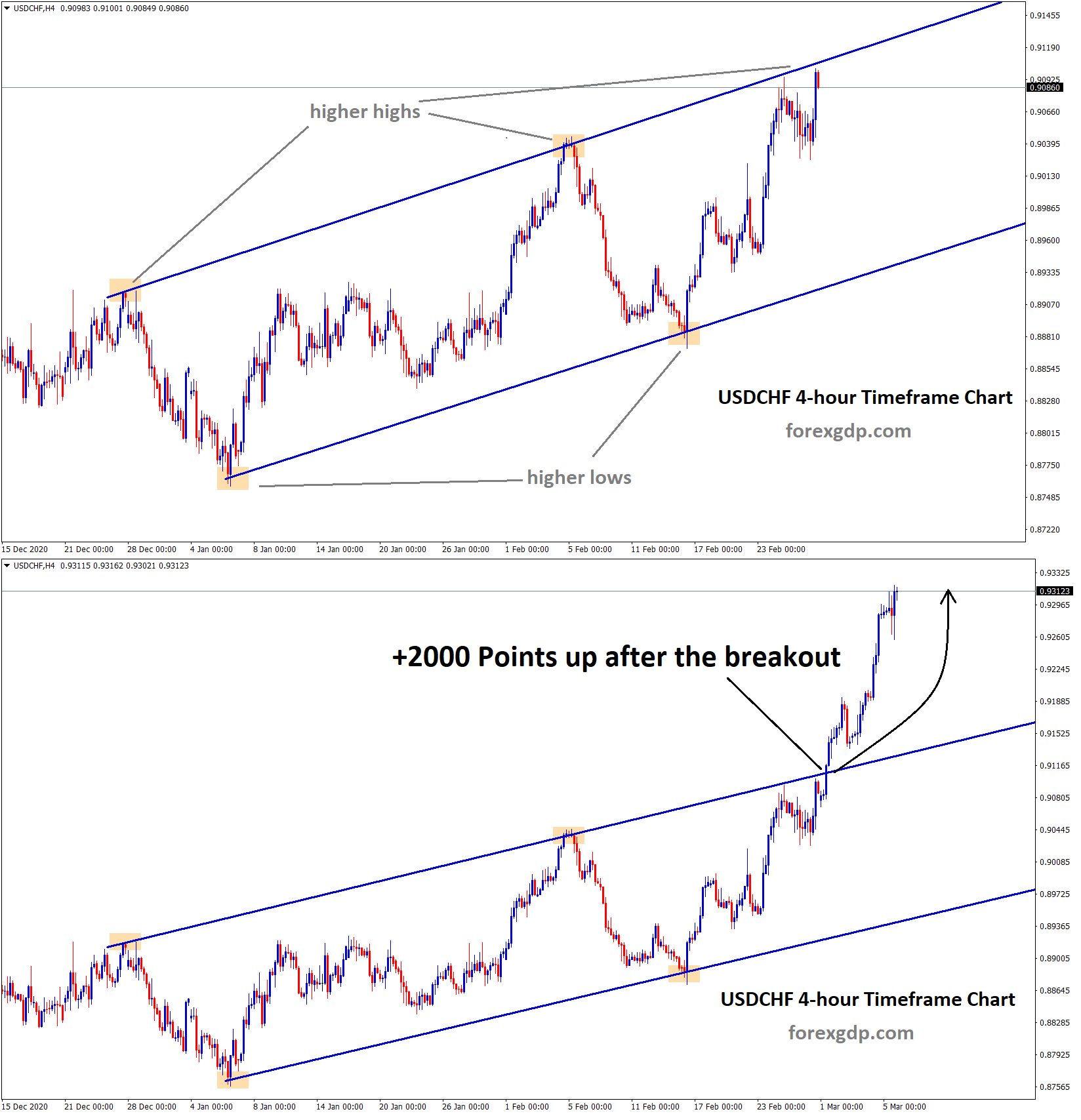
EURUSD is moving in a descending channel, and the market has reached the lower high area of the channel
EURUSD gains momentum as easing war concerns weigh on the US Dollar
The EUR/USD currency pair has shown signs of recovery after several days of decline, finding support near the 1.1450 level. During the Asian trading session on Tuesday, the pair moved slightly higher toward 1.1475, reflecting a change in market sentiment. This shift comes as the US Dollar softens, influenced by geopolitical developments and growing expectations of easing tensions in the Middle East.
At the same time, investors are closely watching upcoming economic data from the Eurozone, particularly inflation figures, which could play a key role in determining the next move for the euro.
US Dollar Weakens Amid Hopes for Peace
The US Dollar has eased slightly, contributing to the upward movement of the EUR/USD pair. The US Dollar Index (DXY), which measures the strength of the dollar against a basket of major currencies, has dipped to around 100.40. This decline reflects a cautious shift in investor sentiment as geopolitical risks appear to be moderating.
A key factor behind this change is the growing expectation that tensions in the Middle East could ease. Reports suggest that US President Donald Trump is open to ending the ongoing conflict involving the United States, Israel, and Iran. This development has raised hopes that the situation may move toward a diplomatic resolution rather than prolonged military engagement.
Markets tend to react quickly to such signals. When the possibility of peace increases, demand for safe-haven assets like the US Dollar often declines. This appears to be one of the reasons behind the recent pullback in the greenback.
Middle East Conflict Still Influences Global Markets
While hopes for peace are improving sentiment, the situation remains complex. One of the key concerns is the continued closure of the Strait of Hormuz, a critical route for global energy supply. Nearly 20% of the world’s oil passes through this narrow waterway, making it highly significant for global markets.
Even though there are signs of diplomatic willingness, the Strait remains largely closed. Reports indicate that the US is not planning a forceful reopening, as there is a desire to avoid extending military involvement beyond a limited timeframe. This cautious approach suggests that while tensions may ease, the situation is far from fully resolved.
The ongoing disruption in oil supply routes has important economic consequences. Reduced energy flow can support higher oil prices, which in turn influences inflation across the globe. This creates a complex environment where both optimism and risk exist at the same time.
Impact of Oil Prices on Inflation and Currency Trends

Higher oil prices have a direct effect on inflation, as energy costs are a key component of overall price levels. When oil prices remain elevated, it can push inflation higher, affecting central bank policies and currency movements.
In the United States, rising inflation expectations can reduce the likelihood of interest rate cuts by the Federal Reserve. If inflation stays high, the Fed may choose to maintain tighter monetary policy for longer. This has previously supported the US Dollar, as higher interest rates tend to attract investment.
However, the current situation is more nuanced. Despite the potential for higher inflation, the US Dollar has not strengthened significantly. This suggests that markets are balancing multiple factors, including geopolitical developments and expectations for future policy decisions.
Why the Euro Faces Its Own Challenges
While the US Dollar has weakened slightly, the Euro is not without its own pressures. One of the main challenges for the Eurozone is its dependence on energy imports. Unlike some regions that produce their own energy, the Eurozone relies heavily on external sources.
When oil prices rise, it increases costs for businesses and consumers across the region. This can weigh on economic growth and reduce the attractiveness of the euro. As a result, even when the US Dollar weakens, gains in the EUR/USD pair may remain limited.
This dynamic creates a delicate balance. On one hand, a softer dollar supports the euro. On the other hand, higher energy costs act as a drag on the Eurozone economy.
Investors Turn Attention to Eurozone Inflation Data
Beyond geopolitical developments, economic data remains a key focus for investors. The upcoming release of the Eurozone’s Harmonized Index of Consumer Prices (HICP) for March is particularly important.
This data provides a snapshot of inflation across the region and is closely watched by market participants and policymakers alike. Expectations suggest that inflation may have risen significantly on a yearly basis, potentially reaching around 2.7% compared to the previous reading of 1.9%.
If inflation comes in higher than expected, it could influence the European Central Bank’s (ECB) stance on monetary policy. Higher inflation may reduce the likelihood of policy easing, which could support the euro in the short term.
However, if the data falls short of expectations, it could raise concerns about economic momentum in the Eurozone, putting pressure on the currency.
Balancing Geopolitics and Economic Signals
The current movement in EUR/USD highlights how global markets are influenced by a mix of geopolitical events and economic indicators. On one side, hopes for peace in the Middle East are easing demand for the US Dollar. On the other side, ongoing risks related to energy supply continue to shape inflation expectations and economic outlooks.
Investors are navigating this complex environment by closely monitoring both developments. Any clear progress toward resolving the conflict could further weaken the dollar and support the euro. At the same time, continued disruptions in energy supply could keep inflation elevated, influencing central bank decisions on both sides of the Atlantic.
Market Sentiment Remains Cautious but Optimistic
Overall, market sentiment appears to be cautiously optimistic. The possibility of reduced geopolitical tension is encouraging, but uncertainty still lingers. Traders and investors are not fully committing to a single direction, as multiple factors remain in play.
Currency markets often reflect this kind of uncertainty through gradual movements rather than sharp trends. The recent recovery in EUR/USD after a prolonged decline is a good example of how sentiment can shift when new information emerges.
Summary
The EUR/USD pair has bounced back after several days of losses, supported by a softer US Dollar and improving sentiment around the Middle East conflict. Reports suggesting a willingness to pursue peace have reduced demand for safe-haven assets, helping the euro gain some ground.
However, the situation remains complex. The continued closure of a major global energy route is keeping oil prices elevated, which affects inflation and economic outlooks worldwide. This creates mixed signals for both the US Dollar and the Euro.
At the same time, investors are closely watching upcoming Eurozone inflation data, which could influence future policy decisions and currency movements. With both geopolitical and economic factors at play, the direction of EUR/USD will likely depend on how these developments unfold in the coming days.
GBPUSD strengthens as diplomatic signals from Trump fuel market optimism
The Pound Sterling has recently shown notable strength against major global currencies, supported by a shift in market sentiment and easing geopolitical tensions. As investors respond to changing global dynamics, the British currency has gained traction, particularly against the US Dollar. This movement reflects a broader trend where optimism in financial markets is influencing currency performance.
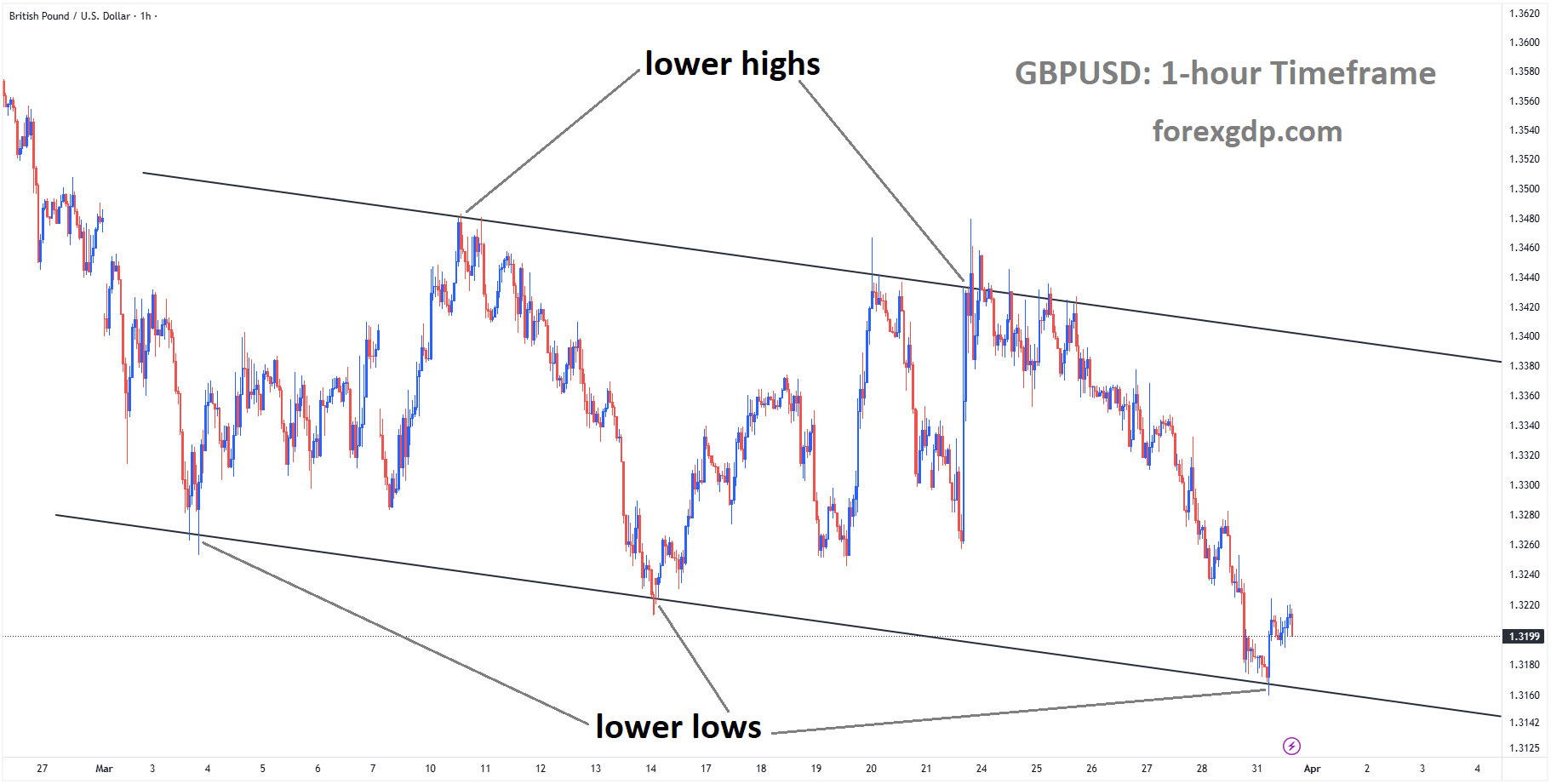
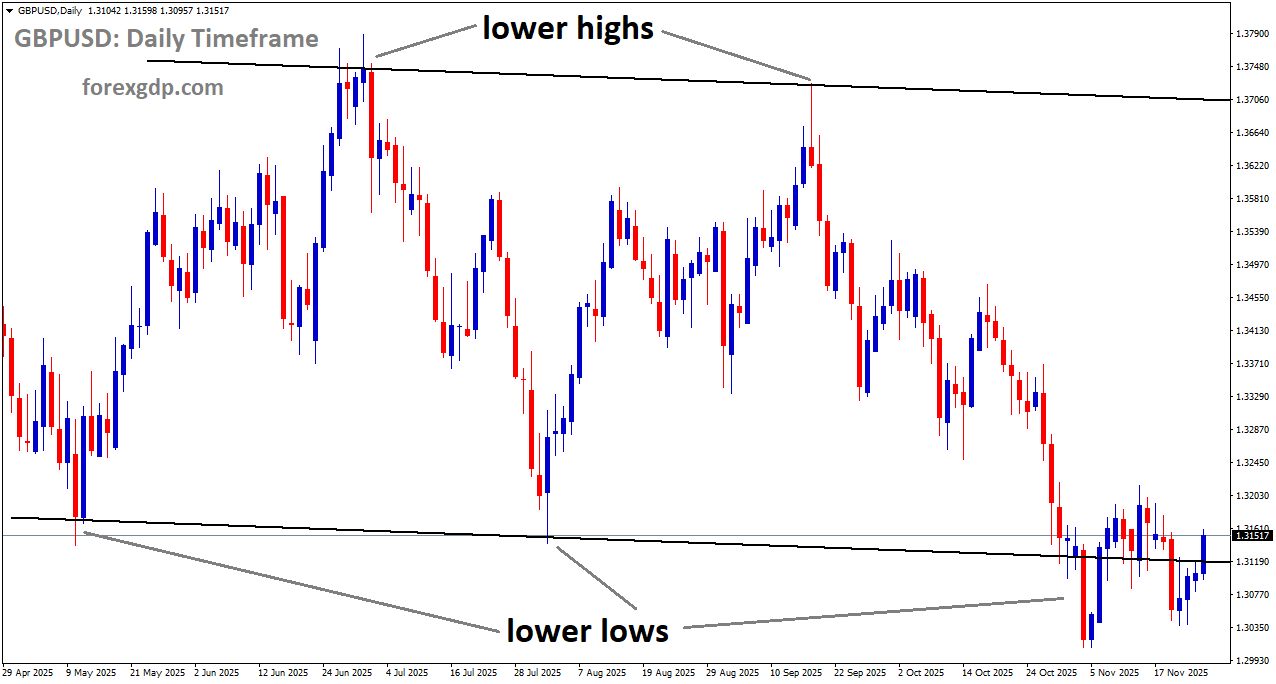
GBPUSD is moving in a descending channel, and the market has rebounded from the lower low area of the channel
Improving Market Mood Supports the Pound
A key factor behind the Pound’s rise is the improvement in overall market sentiment. Investors tend to move toward riskier assets when confidence grows, and this shift often benefits currencies like the British Pound.
During the European trading session on Tuesday, the Pound edged higher against several major currencies. Against the US Dollar, it climbed modestly, reflecting renewed investor confidence. This positive momentum is not happening in isolation—it is closely tied to developments on the global political stage.
Stock market indicators also point toward a stronger appetite for risk. Futures linked to the S&P 500, a major benchmark for US equities, showed solid gains ahead of market opening. This suggests that investors are feeling more comfortable taking on risk, which in turn supports currencies like the Pound.
Trump’s Truce Signal Changes the Narrative
One of the most influential drivers behind this shift in sentiment is a recent statement from US President Donald Trump. Reports indicate that he is open to ending the ongoing conflict with Iran through diplomatic means. This announcement has been interpreted by markets as a step toward reducing global uncertainty.
The possibility of a truce has created a sense of relief among investors. Geopolitical conflicts often lead to volatility and risk aversion, pushing investors toward safer assets. However, when there are signs of de-escalation, markets tend to react positively.
According to reports, the US administration is not planning to extend its military involvement beyond a limited timeframe. Instead, efforts may focus on resolving tensions through negotiation, particularly concerning the Strait of Hormuz—a critical route for global oil shipments.
While this approach signals a move toward peace, the situation remains delicate. The Strait of Hormuz continues to face disruptions, and its stability is crucial for global energy supply.
The Strait of Hormuz Remains a Key Concern
Even with encouraging signals of diplomacy, the ongoing situation in the Strait of Hormuz remains a major concern for global markets. This narrow waterway plays a vital role in the transportation of oil, and any disruption can have far-reaching consequences.
If tensions persist or escalate again, supply chains could be affected, leading to increased uncertainty. This risk keeps investors cautious, even as they welcome signs of progress toward peace.
The longer the uncertainty around the Strait continues, the more it influences global economic expectations. Energy prices, in particular, are sensitive to such developments. Any sustained disruption can lead to concerns about supply shortages, which may impact inflation trends worldwide.
Interest Rate Expectations Shape Currency Movements
Another important factor supporting the Pound is the outlook for interest rates in the United Kingdom. Market participants widely believe that the Bank of England is unlikely to reduce interest rates in the near future.
This expectation is largely driven by concerns over inflation. Rising energy costs, influenced by global geopolitical tensions, have made it difficult for central banks to ease monetary policy. When inflation remains elevated, central banks tend to hold or even raise interest rates rather than cut them.
For the Pound, this creates a supportive environment. Higher interest rates generally attract investors seeking better returns, which can strengthen a currency.
Bank of England’s Cautious Approach
The Bank of England appears to be taking a careful stance. With global inflation pressures still present, policymakers are likely to avoid premature rate cuts. This cautious approach signals stability and helps maintain investor confidence in the British economy.
At the same time, central banks must balance growth and inflation. While high rates can support the currency, they also need to ensure that economic activity remains steady.
Federal Reserve Mirrors Similar Strategy
The situation in the United States is somewhat similar. The Federal Reserve is also expected to keep interest rates unchanged in the near term. Like the UK, the US faces inflation risks linked to energy markets.
As a result, the US Dollar has remained relatively firm, even as the Pound gains ground. Both currencies are being supported by the expectation that central banks will maintain current policy levels rather than shift toward easing.
This creates a balanced dynamic between the two currencies, with movements driven more by sentiment and geopolitical developments than by major policy changes.
Risk Appetite Returns to Global Markets
The broader theme influencing currency movements is the return of risk appetite among investors. When uncertainty decreases, markets tend to shift toward growth-oriented assets.
This shift benefits not only equities but also currencies associated with stable and developed economies. The Pound, in this case, is benefiting from both improved sentiment and supportive domestic factors.
Investors are closely watching developments in global politics, particularly in the Middle East. Any further signs of de-escalation could reinforce the current trend, while renewed tensions might reverse it.
What This Means for the Pound Going Forward
The Pound’s recent strength reflects a combination of global and domestic influences. On one hand, easing geopolitical tensions have improved investor confidence. On the other hand, steady interest rate expectations in the UK are providing additional support.
However, the situation remains fluid. Much depends on how events unfold in the Middle East and how central banks respond to evolving economic conditions.
If diplomatic efforts continue to reduce tensions, the Pound may maintain its upward momentum. Conversely, any setbacks could quickly shift market sentiment and impact currency performance.
Final Summary
The Pound Sterling has gained strength as global markets respond positively to signs of easing geopolitical tensions and steady economic policies. Improved investor confidence, driven by hopes of a diplomatic resolution between the US and Iran, has encouraged movement toward riskier assets, benefiting the British currency.
At the same time, expectations that both the Bank of England and the Federal Reserve will hold interest rates steady have added stability to currency markets. While challenges remain—especially concerning the Strait of Hormuz and global energy supply—the overall outlook has become more optimistic.
As markets continue to monitor political developments and economic signals, the Pound’s performance will likely remain closely tied to global sentiment and central bank decisions.
USDJPY Drifts Lower Near 159.60 on Signs of Easing Regional Tensions
The USD/JPY currency pair edged lower during Tuesday’s European trading session, hovering around the 159.60 level. This modest decline comes as the US Dollar shows signs of weakness, influenced by changing geopolitical developments and shifting expectations in global markets. At the same time, the Japanese Yen is gaining strength due to growing confidence in Japan’s monetary policy direction.

USDJPY is moving in an uptrend channel, and the market has reached the higher low area of the channel
This combination of factors is shaping the current movement in the currency pair, with traders closely watching both global tensions and central bank signals.
US Dollar Weakens on Easing War Concerns
The US Dollar has been trading with a softer tone, largely due to reports suggesting a potential de-escalation in tensions between the United States and Iran. According to recent developments, US President Donald Trump is reportedly open to ending the conflict within a limited timeframe, even though the Strait of Hormuz remains closed.
This update has had a calming effect on global markets. Investors are beginning to feel more confident as the possibility of a prolonged conflict appears less likely. The situation had previously raised fears of wider instability in the Middle East, but the latest signals suggest a more controlled approach.
The report also highlighted that the US has already caused significant damage to Iran’s naval and missile capabilities. This indicates that the objectives of the military operation may have been largely achieved, reducing the need for further escalation.
Market Sentiment Improves as Risk Appetite Grows
As tensions show signs of easing, global market sentiment has improved. This is reflected in the performance of US stock futures, with the S&P 500 futures trading higher. Investors are becoming more willing to take on risk, moving away from safe-haven assets and back into equities.
Despite this shift, the US Dollar has not experienced a sharp decline. One key reason is the ongoing concern about oil supply disruptions. Even though the conflict may not escalate further, Iran’s continued control over the Strait of Hormuz is keeping oil prices elevated.
The Strait of Hormuz is a crucial route for global oil shipments, and any disruption there has a direct impact on energy markets. Higher oil prices tend to increase inflation expectations, which in turn supports the US Dollar. This creates a balancing effect, limiting the downside for the currency.
Oil Prices and Inflation Keep Dollar Supported
While geopolitical tensions may be easing, the economic consequences are still very much in play. Elevated oil prices remain a major concern for global economies, especially those that rely heavily on energy imports.
Higher oil prices often lead to increased transportation and production costs, which can push overall inflation higher. For the United States, this means the Federal Reserve may need to keep interest rates elevated for longer than previously expected.
Before the conflict began, many traders were expecting the Fed to cut interest rates twice this year. However, those expectations have now been largely removed from the market. The risk of persistent inflation has made policymakers more cautious, reducing the likelihood of rate cuts in the near term.
This shift in expectations has helped prevent a deeper decline in the US Dollar, even as market sentiment improves.
Japanese Yen Gains Strength on Rate Hike Expectations

On the other side of the currency pair, the Japanese Yen is showing strength. This is largely driven by growing confidence that the Bank of Japan will continue raising interest rates.
Recent insights from the Bank of Japan’s policy discussions suggest that several policymakers are supportive of further rate hikes. This marks a significant shift from Japan’s long-standing ultra-loose monetary policy stance.
One policymaker emphasized that interest rates should be raised without hesitation if the economic environment remains stable. This reflects a more proactive approach to managing inflation and supporting economic growth.
The possibility of higher interest rates in Japan makes the Yen more attractive to investors. As a result, demand for the currency increases, contributing to its strength against the US Dollar.
Central Bank Policies Shape Currency Movements
Currency markets are heavily influenced by the policies of central banks, and the current situation is a clear example of this dynamic. While the Federal Reserve is becoming more cautious about cutting rates, the Bank of Japan appears ready to move in the opposite direction.
This divergence in monetary policy is an important factor for traders. When one country is expected to raise interest rates while another holds steady or delays cuts, it can lead to shifts in currency values.
In this case, the narrowing gap between US and Japanese interest rates is supporting the Yen. At the same time, the US Dollar is facing pressure from changing expectations around future policy decisions.
Geopolitical Risks Still in Focus
Even though there are signs of de-escalation, the situation in the Middle East remains uncertain. The closure of the Strait of Hormuz continues to be a major risk factor for global markets.
Any further developments in the region could quickly change market sentiment. If tensions rise again, investors may return to safe-haven assets like the US Dollar and Japanese Yen. On the other hand, continued progress toward peace could support riskier assets and keep pressure on the Dollar.
Traders are therefore closely monitoring headlines and updates related to the conflict. Geopolitical events can have a rapid and significant impact on currency markets, often outweighing economic data in the short term.
Summary
The slight dip in the USD/JPY pair reflects a mix of global and economic influences. A softer US Dollar, driven by easing geopolitical tensions, is meeting a stronger Japanese Yen supported by expectations of higher interest rates.
At the same time, elevated oil prices and persistent inflation concerns are preventing a sharper decline in the Dollar. Central bank policies, especially the contrasting approaches of the Federal Reserve and the Bank of Japan, are playing a key role in shaping market direction.
With geopolitical risks still present and economic conditions evolving, the USD/JPY pair is likely to remain sensitive to both global events and policy signals in the days ahead.