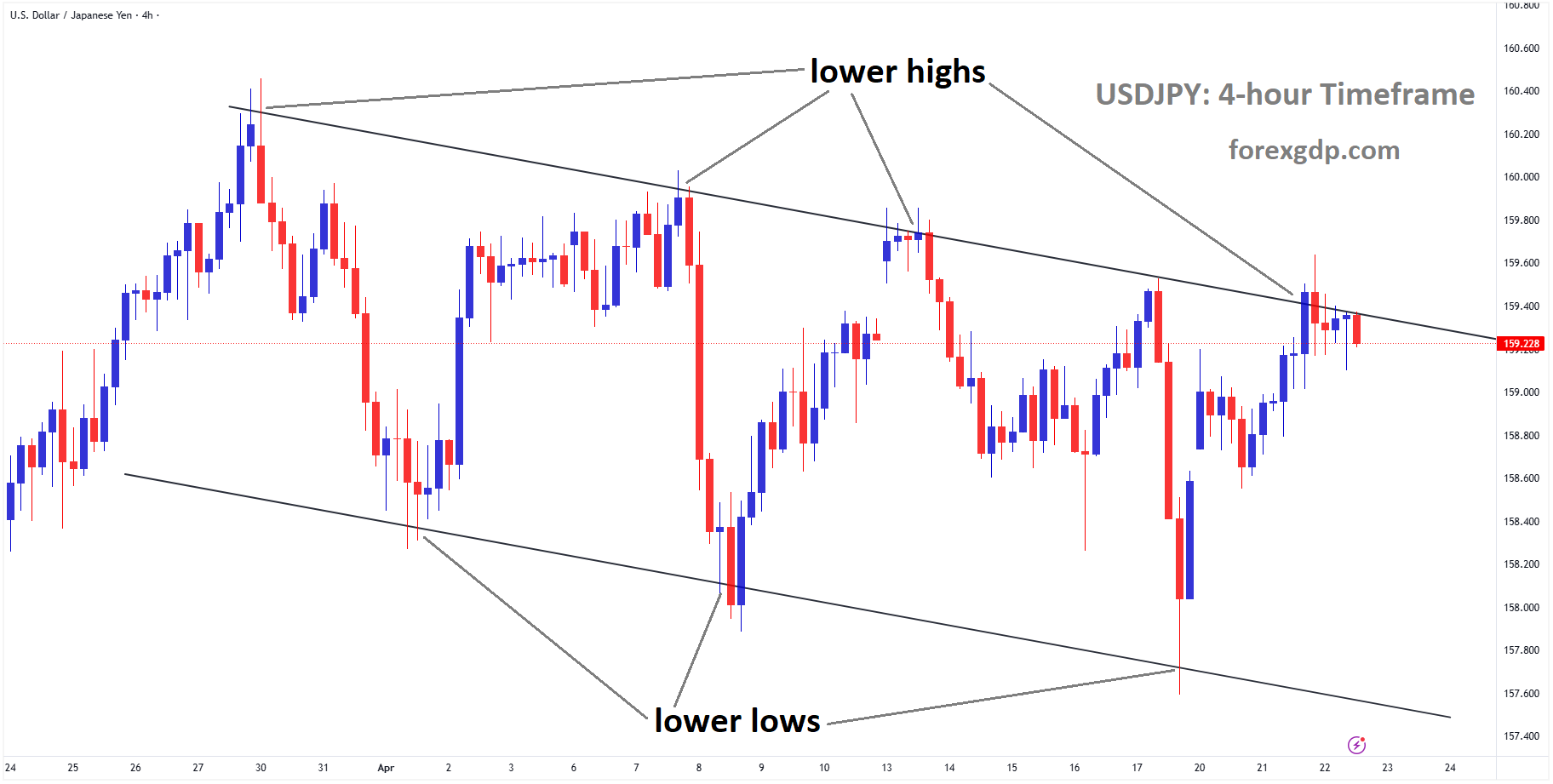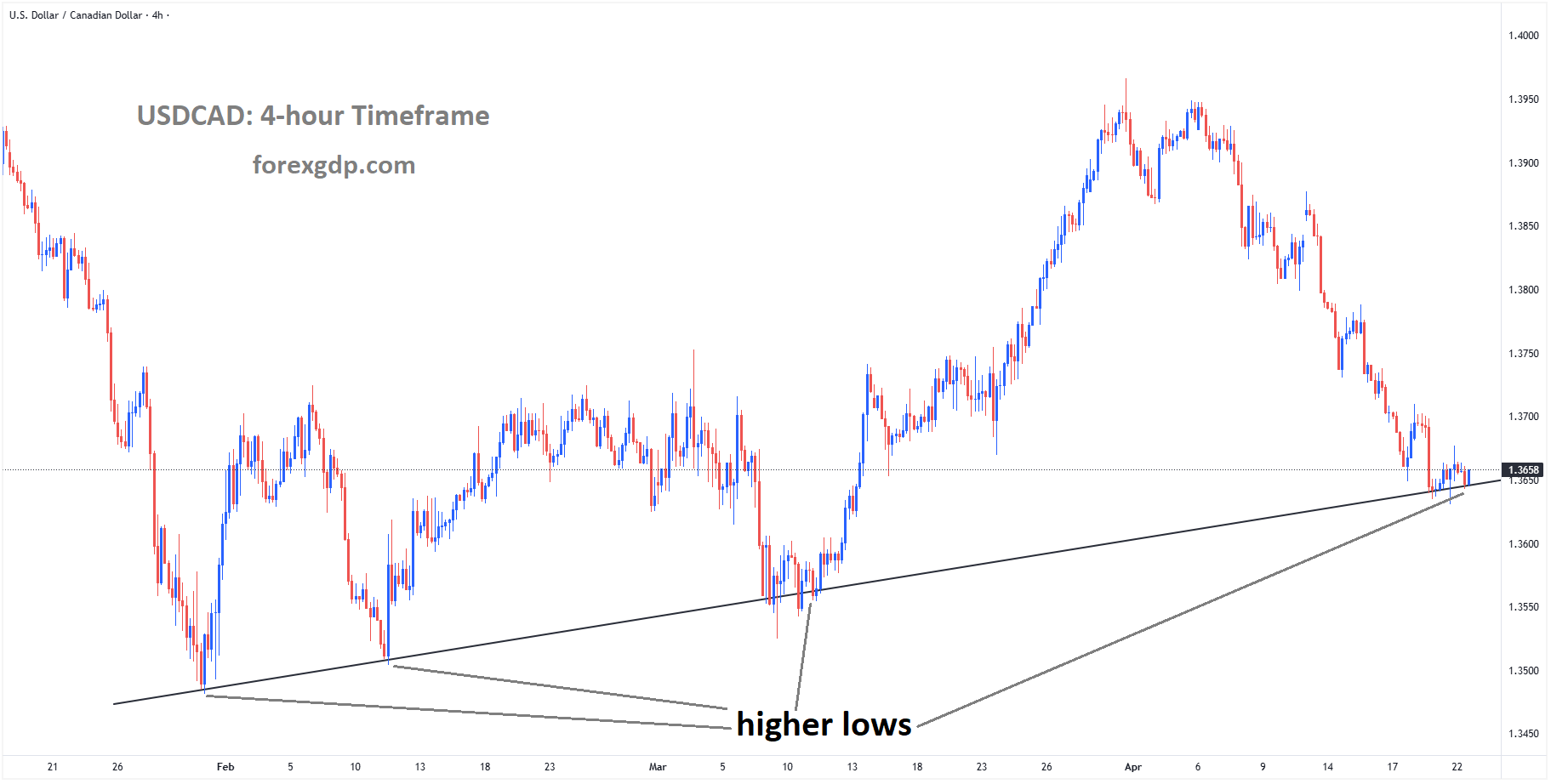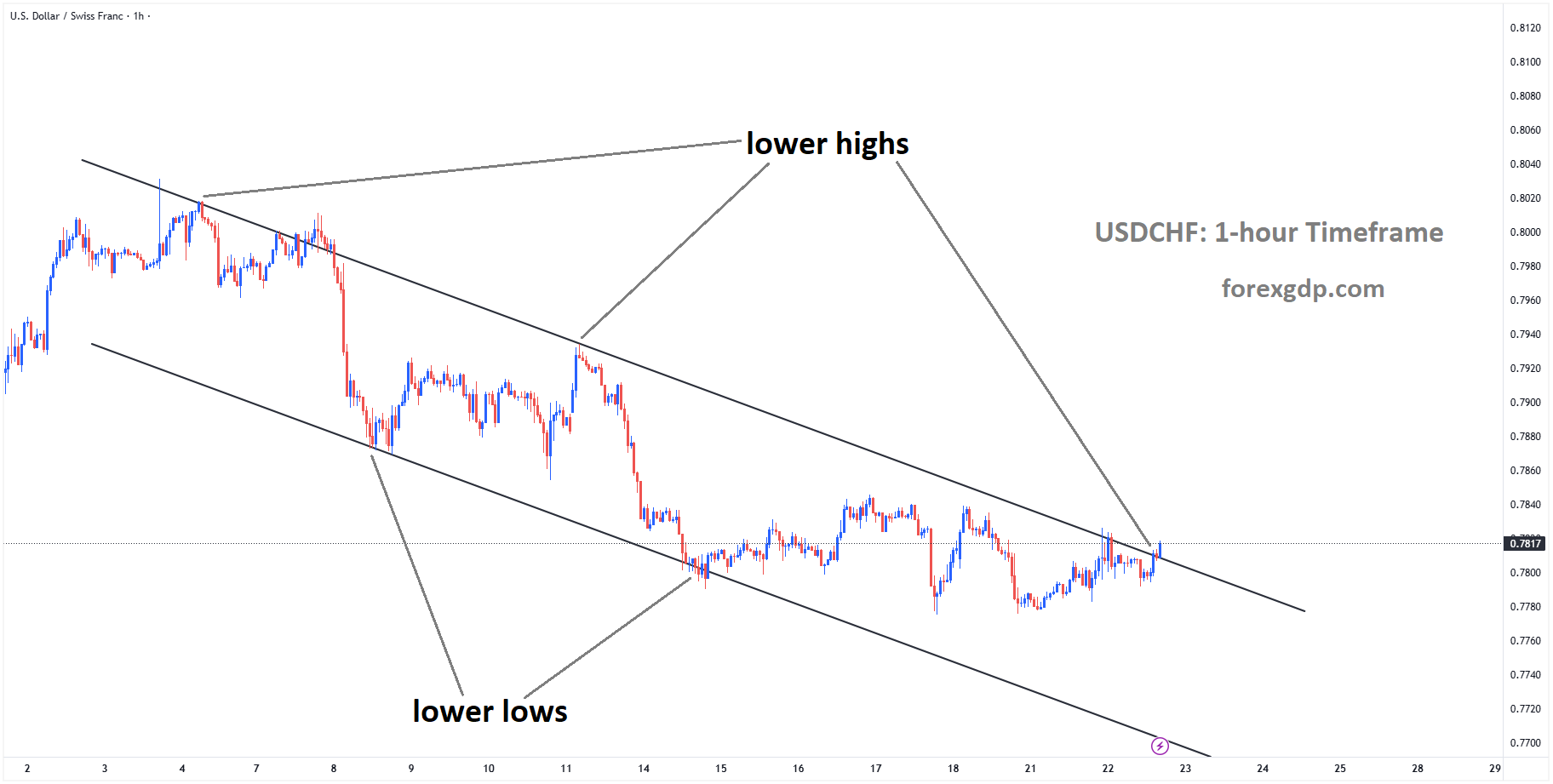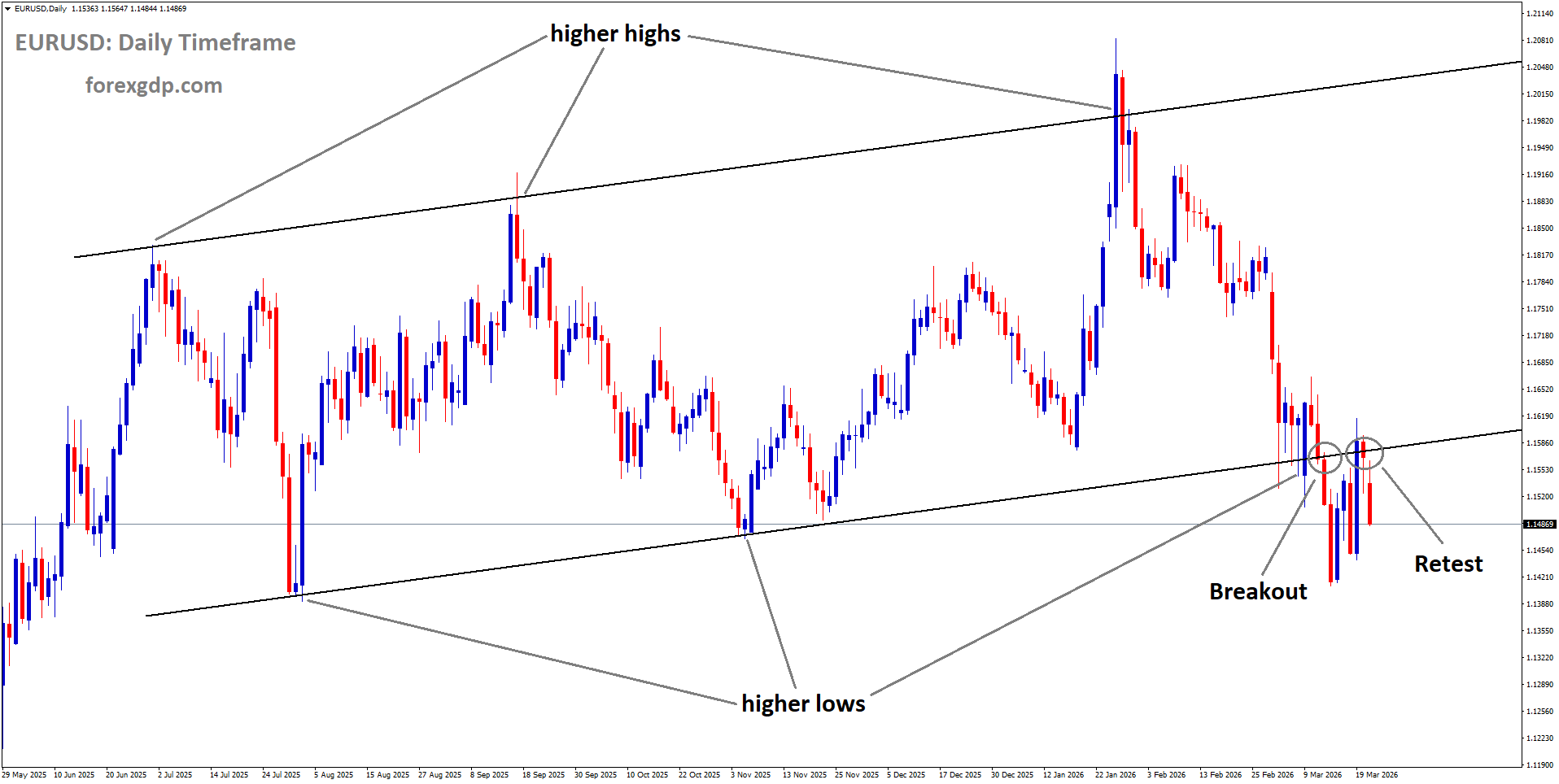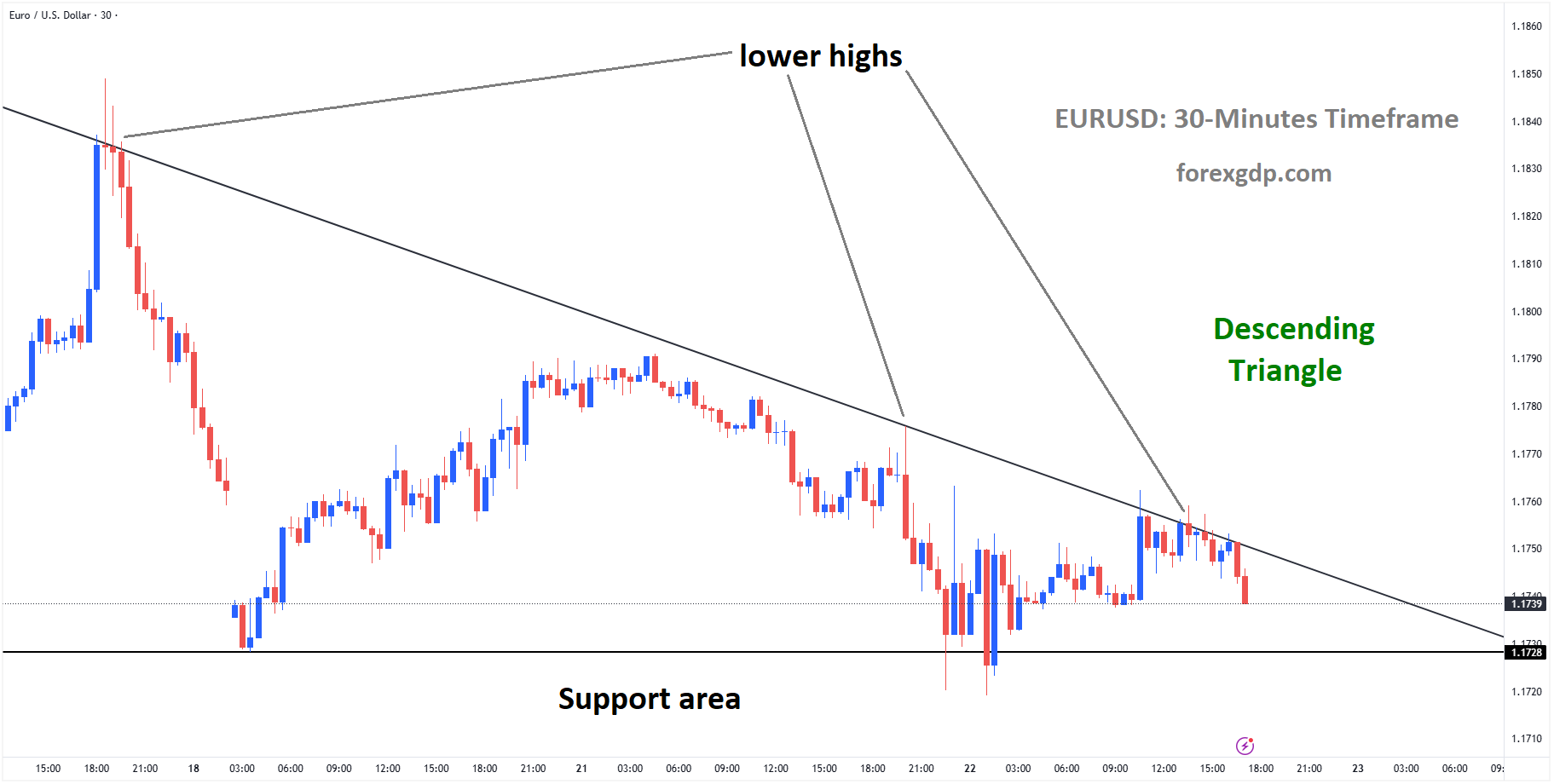
EURUSD is moving in a descending triangle pattern, and the market has fallen from the lower high area of the pattern
EURUSD struggles to rise as fragile Iran truce raises global uncertainty
The EUR/USD currency pair continues to face pressure, hovering near the 1.1750 level as global uncertainty and strong economic signals from the United States shape market sentiment. While the Euro has managed to show small gains, the broader picture remains cautious, with investors closely watching geopolitical developments and economic trends.
Ongoing Middle East Tensions Weigh on Market Sentiment
One of the key factors influencing the EUR/USD pair right now is the ongoing situation in the Middle East. Hopes for a quick resolution between the United States and Iran have faded, creating a sense of uncertainty among investors.
US President Donald Trump has extended the ceasefire period, but this move has not fully reassured markets. The extension is unilateral, meaning it was decided by the US without a confirmed agreement from Iran. At the same time, the US has maintained its blockade in the Strait of Hormuz, a critical shipping route for global oil supplies.
This blockade has raised concerns because Iranian authorities see it as a violation of the ceasefire. In their view, such actions could be interpreted as hostile, which increases the risk of further escalation.
Rising Tensions and Strong Warnings from Iran

Adding to the uncertainty, Iran has not confirmed whether it will participate in the next round of peace talks. This hesitation keeps markets on edge, as investors prefer clarity when it comes to geopolitical risks.
Meanwhile, Iran’s Islamic Revolutionary Guard has taken a stronger tone in its statements. Reports suggest that they have warned of “crushing blows” against what they describe as enemy assets. Such language signals rising tension and raises fears of potential conflict.
When geopolitical risks increase, investors often shift their focus toward safer assets. In many cases, the US Dollar benefits from this trend, as it is widely seen as a safe-haven currency during uncertain times.
Strong US Economic Data Boosts the Dollar
Apart from geopolitical factors, economic data from the United States has also played a major role in shaping the EUR/USD movement.
Recent Retail Sales data from the US came in stronger than expected. This suggests that consumer spending remains healthy, which is an important driver of economic growth. When consumers continue to spend, it signals confidence in the economy and supports the overall outlook.
This positive data has helped strengthen the US Dollar. A stronger Dollar typically puts pressure on the EUR/USD pair, as the value of the Dollar rises relative to the Euro.
Fed Leadership Outlook Adds Confidence
Another important factor supporting the US Dollar is the recent testimony from Kevin Warsh, the Federal Reserve Chair nominee. During his Senate confirmation hearings, Warsh presented a confident and clear outlook on the US economy.
His remarks were seen as reassuring by investors. A strong and steady approach to monetary policy often boosts confidence in a currency. In this case, Warsh’s testimony contributed to renewed demand for the US Dollar.
Investors tend to react quickly to signals from central bank leaders, especially when it comes to future economic direction. Positive impressions from such appearances can strengthen a currency even without immediate policy changes.
EUR/USD Struggles to Gain Momentum
Despite some minor gains on Wednesday, the Euro has struggled to build strong upward momentum against the Dollar. The EUR/USD pair remains close to the lower end of its recent trading range.
On Tuesday, the pair dropped by nearly 0.4%, reflecting both the impact of geopolitical concerns and the strengthening US Dollar. This decline highlights how sensitive the currency market is to both political and economic developments.
The Euro’s limited gains suggest that investors are still cautious. Without clear positive developments in global negotiations or stronger economic signals from the Eurozone, the currency may continue to face challenges.
Investor Focus Remains on Key Developments
Looking ahead, market participants are likely to keep a close eye on several important factors:
Geopolitical Updates
Any news related to US-Iran negotiations will play a crucial role. Signs of progress could ease tensions and support riskier assets, including the Euro. On the other hand, further escalation could strengthen the Dollar even more.
Economic Data Releases
Upcoming data from both the US and the Eurozone will influence market direction. Strong US data may continue to support the Dollar, while positive surprises from Europe could help the Euro recover.
Central Bank Signals
Statements from Federal Reserve officials and European Central Bank representatives will also be closely watched. Investors look for clues about future policy decisions, which can impact currency values significantly.
Why the US Dollar Often Gains in Uncertain Times
The current situation highlights a broader trend in global markets. During times of uncertainty, the US Dollar often attracts more demand. This is because it is considered a stable and reliable currency, backed by the size and strength of the US economy.
When geopolitical risks rise, investors tend to move their money into safer options. This shift increases demand for the Dollar, pushing its value higher.
In contrast, currencies like the Euro may face pressure if the situation does not directly benefit their region or if uncertainty affects global trade.
The Balance Between Risk and Opportunity
The EUR/USD pair is currently caught between two major forces: geopolitical uncertainty and economic strength in the United States.
On one side, rising tensions in the Middle East are driving investors toward safer assets. On the other, strong US economic data and positive signals from policymakers are reinforcing the Dollar’s position.
For the Euro to gain stronger ground, markets would likely need to see reduced geopolitical risks or improved economic performance in the Eurozone.
Final Summary
The EUR/USD pair remains under pressure near the 1.1750 level as global uncertainty continues to shape investor behavior. Ongoing tensions between the US and Iran, combined with the lack of clear progress in peace talks, have increased caution in the markets.
At the same time, strong US Retail Sales data and confident signals from Federal Reserve leadership have boosted the US Dollar. These factors have made it difficult for the Euro to gain meaningful strength.
As investors watch for updates on geopolitical developments and economic indicators, the direction of the EUR/USD pair will likely depend on how these key factors evolve in the coming days.
GBPUSD climbs slightly as UK inflation rises but US strength limits upside
The GBP/USD currency pair is trading near the 1.3515 level, showing a slight upward move during midweek trading. This modest gain comes as investors react to the latest inflation figures from the United Kingdom while also keeping a close eye on economic developments in the United States. The balance between these two major economies continues to influence the direction of the currency pair.
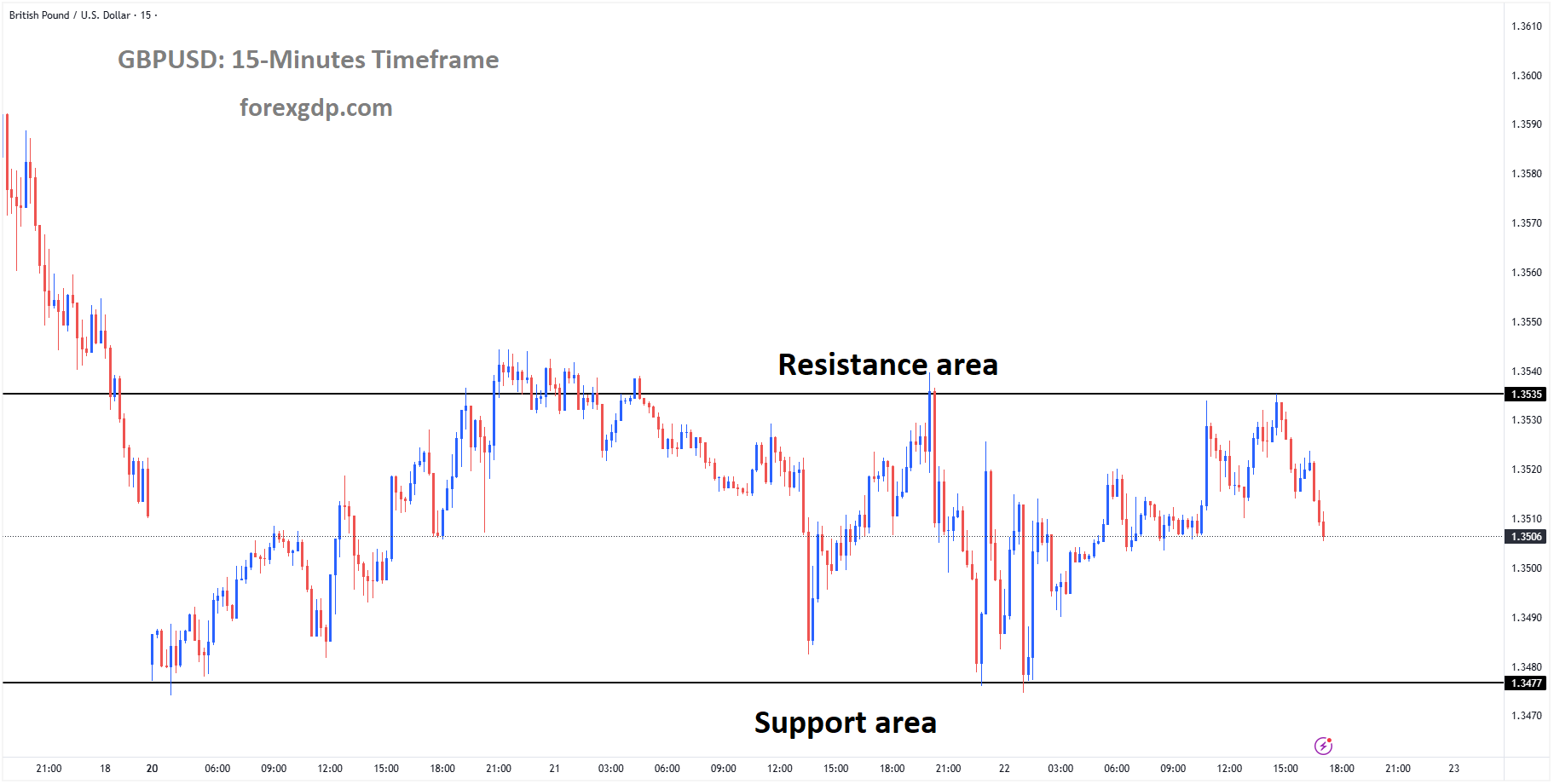
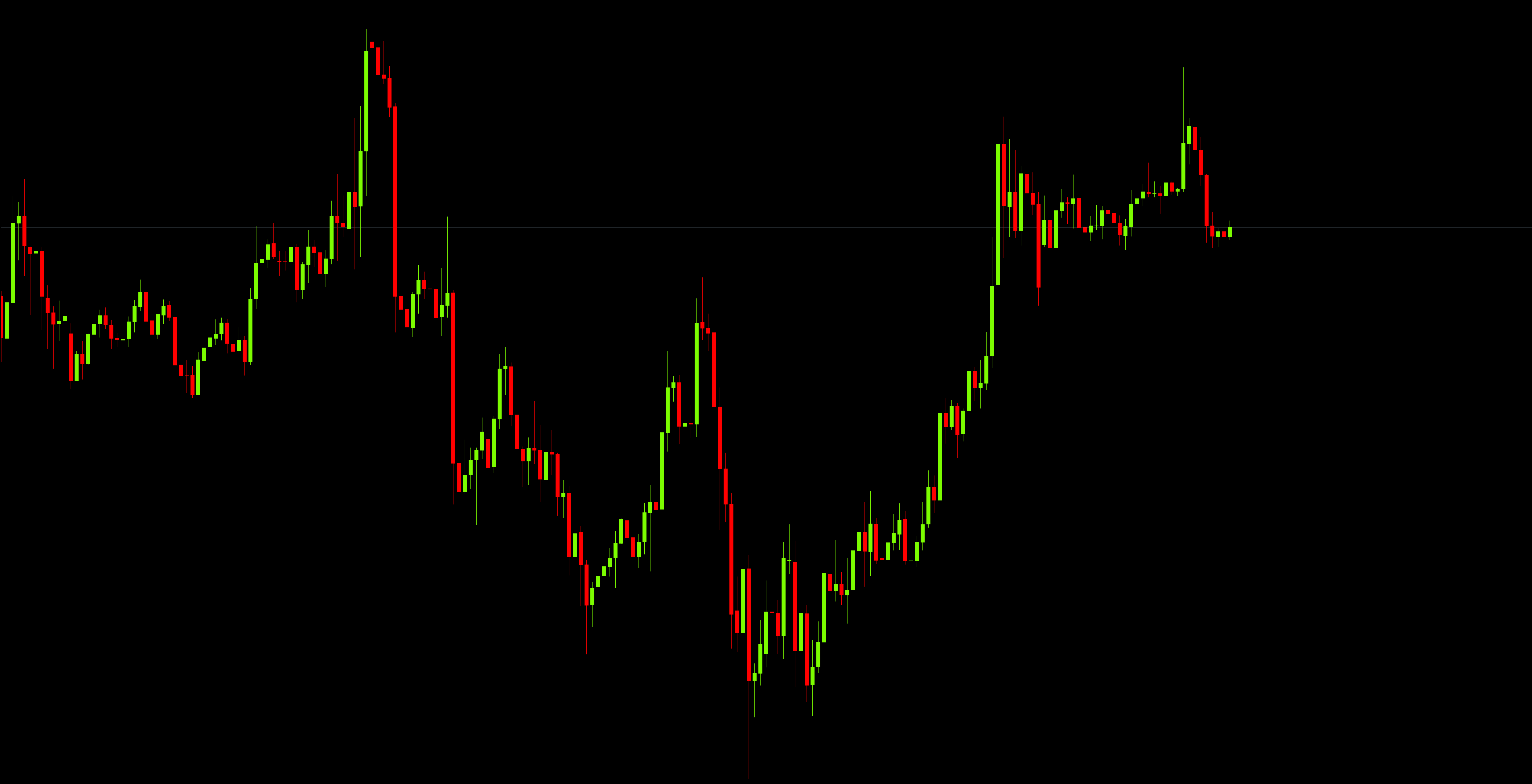
GBPUSD is moving in a box pattern, and the market has fallen from the resistance area of the pattern
Market participants are currently weighing the implications of inflation trends, central bank decisions, and global uncertainties. While the British Pound has found some support, strong economic signals from the US are limiting its ability to rise further.
UK Inflation Trends Send Mixed Signals
Recent data from the UK has provided a somewhat mixed picture of the country’s economic health. Headline inflation, which reflects the overall increase in prices, rose to 3.3% in March compared to the same time last year. This increase was expected and marks a steady climb from the previous month’s figure.
On a monthly basis, inflation rose by 0.7%, slightly higher than what analysts had predicted. This marks the fastest monthly increase in nearly a year, suggesting that price pressures are still present in the economy.
However, when looking deeper into the data, the story becomes more balanced. Core inflation, which removes the more volatile components such as food and energy, came in slightly lower than expected. This indicates that while overall prices are rising, the underlying inflation pressure may be easing a bit.
What It Means for the Bank of England
The combination of rising headline inflation and softer core inflation creates a complex situation for the Bank of England. Policymakers must decide whether inflation is still a major concern or if it is beginning to stabilize.
On one hand, higher energy prices—partly influenced by geopolitical tensions—are pushing overall inflation upward. On the other hand, the slowdown in core inflation suggests that long-term price pressures might not be as strong.
Because of this mixed outlook, the central bank may choose to take a cautious approach. Holding interest rates steady at the upcoming policy meeting appears to be a likely option. This would allow officials more time to assess whether inflation continues to rise or begins to cool down in the coming months.
Rising Producer and Retail Prices Add Pressure
In addition to consumer inflation, other economic indicators in the UK have also surprised to the upside. Producer prices, which measure the cost of goods before they reach consumers, showed a noticeable increase. This suggests that businesses are facing higher input costs, which could eventually be passed on to consumers.
Retail prices also climbed more than expected, both on a monthly and yearly basis. This indicates that consumers are already experiencing higher costs in everyday goods and services.
Together, these trends highlight ongoing inflation pressures within the economy. While some parts of inflation are easing, others remain strong, making it harder to predict the next steps for monetary policy.
Global Tensions Keep Markets on Edge
Beyond economic data, global political developments continue to influence currency markets. Tensions in the Middle East remain a key concern for investors.
Although there has been some effort to maintain a ceasefire, uncertainty still surrounds the situation. Planned negotiations have fallen apart, and both sides have taken cautious positions. The United States has maintained restrictions on certain activities, while Iran has warned of possible responses.
This uncertain environment tends to make investors more cautious. When global risks rise, traders often turn to safer assets, which can impact currency movements. In this case, it has contributed to a more restrained outlook for the British Pound.
Strong US Data Supports the Dollar
While the UK is dealing with mixed signals, the US economy has shown stronger momentum. One of the key highlights has been the latest retail sales data, which exceeded expectations.
Retail sales in the United States increased by 1.7% in March compared to the previous month. This was higher than forecasts and marked a significant improvement from February’s figures. On a yearly basis, retail sales also remained steady, showing consistent consumer demand.
This strong performance suggests that the US economy remains resilient. Consumers continue to spend, which is a positive sign for overall economic growth.
Federal Reserve Signals Add Confidence
In addition to solid economic data, comments from a leading figure connected to the Federal Reserve have helped boost confidence in the US Dollar. Reassurance about the independence of the central bank’s decision-making process has been well received by markets.
Investors tend to favor currencies backed by stable and predictable monetary policies. When there is confidence that a central bank will act independently and responsibly, it strengthens the appeal of that currency.
This has provided further support to the US Dollar, making it harder for the British Pound to gain significant ground despite positive domestic data.
Upcoming Data Could Drive Volatility
Looking ahead, traders are preparing for several important economic releases from the UK. These reports could play a key role in determining the next move for the Pound.

One of the most anticipated releases is the Purchasing Managers Index (PMI), which provides insight into business activity across different sectors. This data helps investors understand whether the economy is expanding or slowing down.
Following that, retail sales data will offer a closer look at consumer spending patterns. Strong results could support the Pound, while weaker figures might increase pressure on the currency.
Because these indicators are closely watched, they have the potential to create noticeable market movements in the coming days.
Market Outlook Remains Balanced
At the moment, the overall outlook for GBP/USD remains balanced. On one side, the UK economy is showing signs of persistent inflation, which could support the Pound. On the other side, strong US economic performance continues to boost the Dollar.
This creates a situation where neither currency has a clear advantage. Instead, short-term movements are likely to depend on incoming data and shifting market sentiment.
Investors are also paying close attention to central bank decisions. Any signals about future interest rate changes could quickly influence the direction of the currency pair.
Final Summary
The GBP/USD pair is currently moving within a narrow range as markets respond to a mix of economic and global factors. UK inflation data shows rising headline prices but softer underlying pressures, creating uncertainty around future policy decisions. At the same time, strong US economic performance and confidence in the Federal Reserve are supporting the Dollar.
Global tensions continue to add another layer of uncertainty, keeping investors cautious. With key economic reports scheduled in the coming days, the Pound could experience increased volatility. For now, the balance between the UK and US economies remains the key driver of market direction.