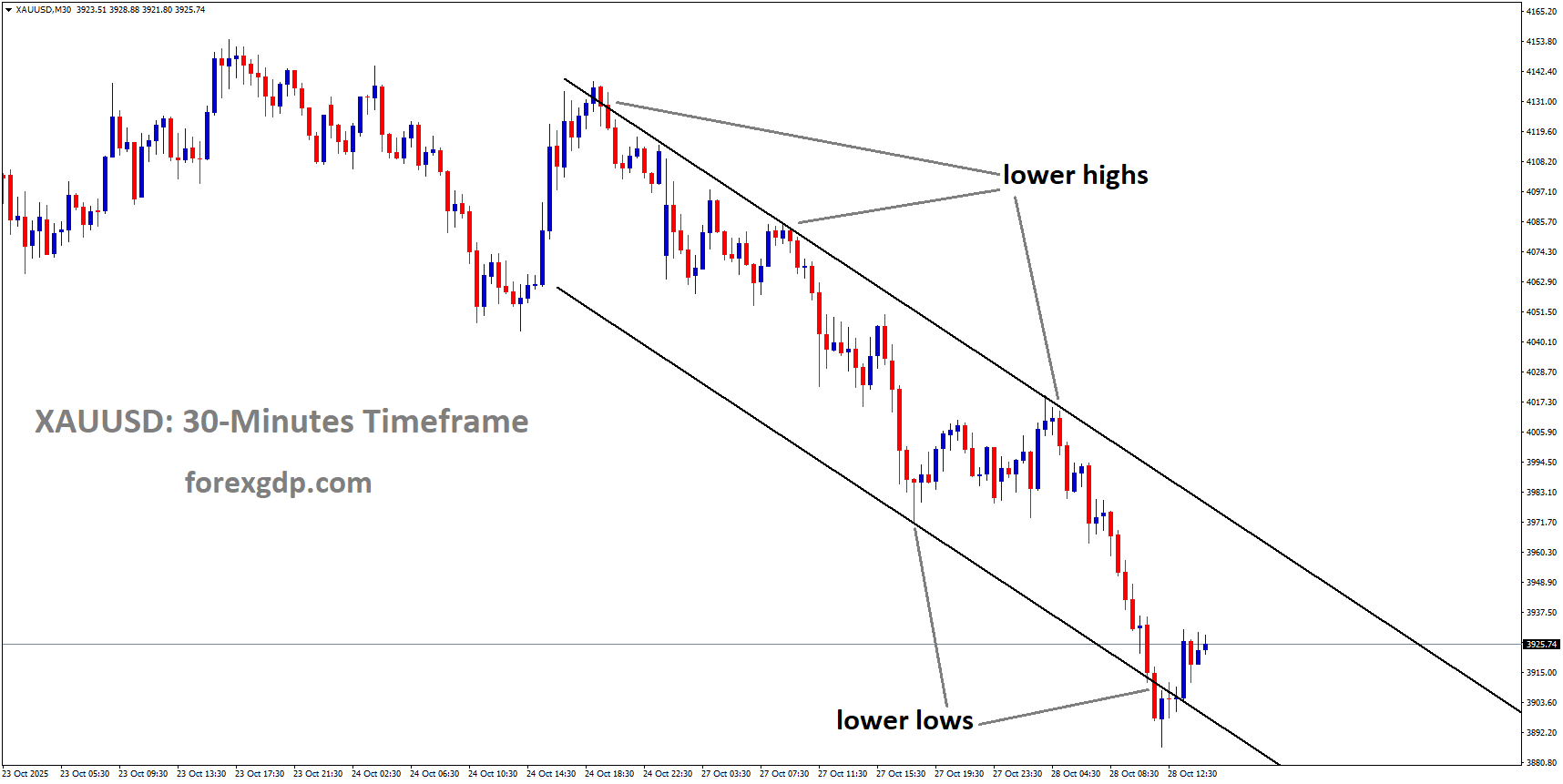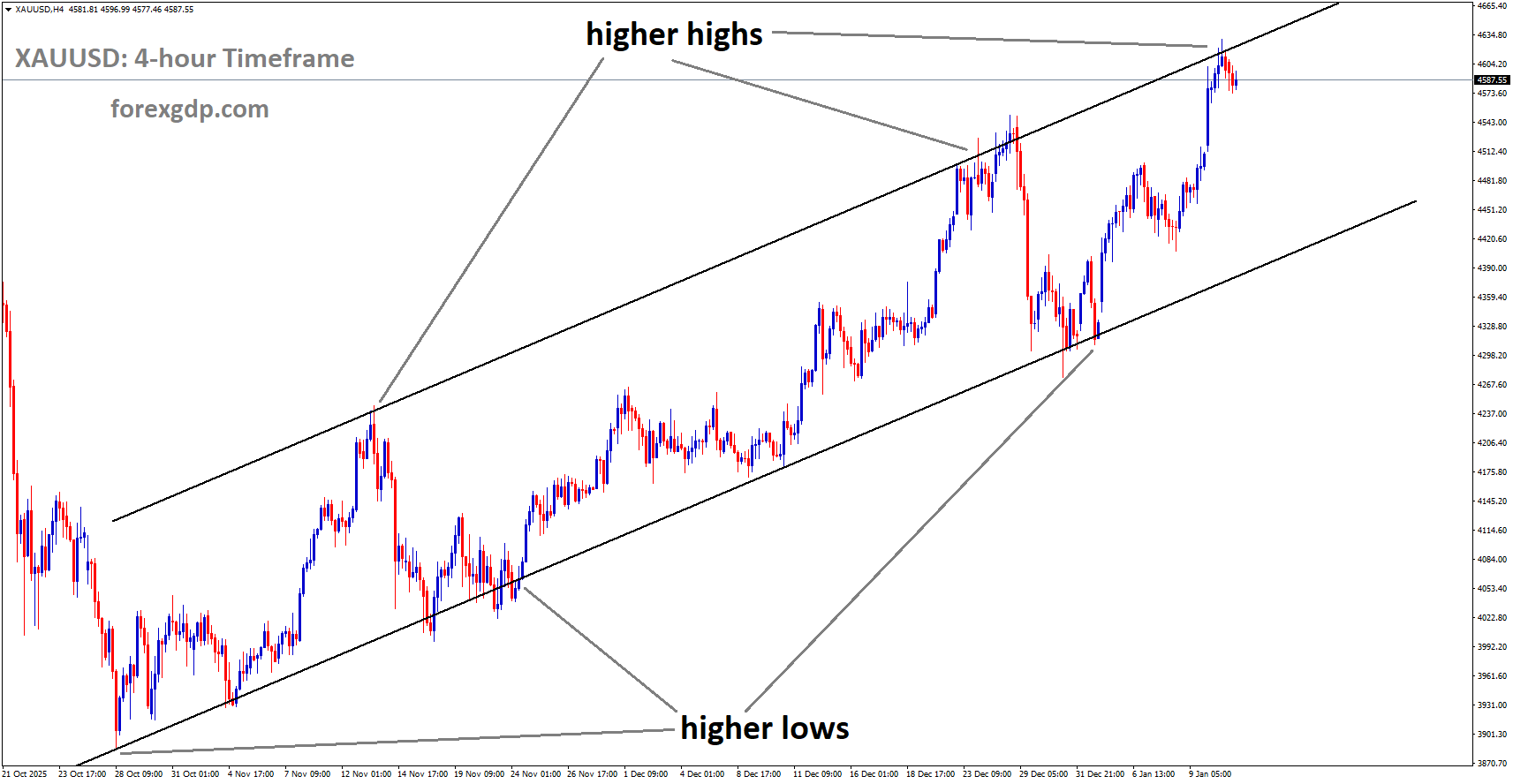
XAUUSD is moving in an uptrend channel, and the market has reached a higher high area of the channel
Gold has recently moved with caution, slipping slightly as the US dollar shows signs of renewed strength. Even so, the broader picture around the precious metal remains supportive. Investors are weighing a mix of political uncertainty, questions about central bank independence, and expectations around interest rate cuts. Together, these factors continue to shape the mood in the gold market and keep long-term optimism alive.
While short-term movements may look hesitant, the underlying reasons people turn to gold have not disappeared. Safe-haven demand, policy uncertainty, and global tensions are all still part of the story. This combination explains why gold remains resilient, even when facing brief pressure from a stronger dollar.
A Stronger Dollar Adds Pressure, but Not Conviction
The US dollar has recently found some support after a period of weakness. This has created mild headwinds for gold, as the two often move in opposite directions. When the dollar gains strength, gold can appear less attractive to international buyers, leading to short-term pullbacks.
However, this dollar rebound has lacked strong follow-through. One key reason is the growing concern about the independence of the US Federal Reserve. Political pressure on the central bank has raised questions about whether future decisions will be guided purely by economic data or influenced by outside forces. Such concerns tend to limit confidence in the dollar over the longer term.
At the same time, expectations for interest rate cuts remain in place. Even if rate reductions are delayed, markets still believe easing is likely later in the year. Lower interest rates generally reduce the appeal of holding cash or bonds, which do not offer the same protection against uncertainty as gold. This dynamic continues to act as a quiet source of support for the metal.
Federal Reserve Independence Under the Spotlight
The issue of central bank independence has moved into sharper focus following political developments in the United States. Reports of potential legal actions involving senior Federal Reserve leadership have stirred unease across financial markets. For many investors, this is not just a political story but a question of trust.
The Federal Reserve is expected to operate free from political influence, setting policy based on economic conditions rather than public pressure. When that independence appears threatened, it can shake confidence in monetary policy and the broader financial system. Gold often benefits in such moments, as it is viewed as a neutral store of value not tied to any government or institution.
Statements from Federal Reserve officials acknowledging political pressure have only added to the sense of uncertainty. Even if no immediate policy changes result, the mere perception of interference can push investors toward safer assets. This backdrop helps explain why gold remains well-supported despite periods of consolidation.
Interest Rate Expectations Continue to Favor Gold

Interest rates are another major driver behind gold’s resilience. Recent labor market data suggested that the economy remains stable, reducing the urgency for immediate rate cuts. Still, traders largely expect further easing later in the year.
Gold does not offer interest or yield, which means it tends to perform better when rates are low or falling. As expectations for future cuts remain alive, gold continues to attract interest from investors looking to protect purchasing power and reduce exposure to traditional financial assets.
Even modest shifts in rate expectations can influence currency markets and, by extension, gold. If investors believe borrowing costs will decline, the dollar may struggle to gain lasting strength. This creates an environment where gold can hold its ground and potentially benefit from renewed buying interest.
Geopolitical Tensions Strengthen Safe-Haven Demand
Beyond monetary policy, global political risks continue to play a major role in shaping gold demand. Tensions in the Middle East have remained elevated, with strong rhetoric and policy decisions adding to uncertainty. Sanctions, trade measures, and the possibility of military responses have all contributed to a cautious global mood.
Gold has long been viewed as a safe-haven asset during times of geopolitical stress. When international relations become strained, investors often seek assets that are less exposed to political decisions or economic disruption. This steady demand helps limit downside pressure on gold, even when other forces weigh on it.
Trade-related threats and sanctions also raise concerns about global growth and stability. These worries can reduce risk appetite in broader markets, further increasing the appeal of gold as a defensive holding.
Markets Await Key Inflation Data
In the near term, many traders are choosing to stay on the sidelines as they wait for important US inflation data. Consumer price figures are closely watched because they play a central role in shaping expectations around Federal Reserve policy.
If inflation shows signs of easing, it would strengthen the case for interest rate cuts. This outcome would likely weigh on the dollar and support gold. On the other hand, stubbornly high inflation could delay easing plans, creating short-term volatility across currency and commodity markets.
Either way, inflation data has the power to shift sentiment quickly. Investors are aware of this and are reluctant to make aggressive moves before seeing clearer signals. This cautious approach has contributed to gold’s recent steady, range-bound behavior.
Why Pullbacks May Attract Buyers
Despite occasional dips, many investors see short-term weakness in gold as an opportunity rather than a warning sign. The broader environment remains filled with uncertainty, from political pressure on central banks to unresolved global conflicts.
Gold’s role as a hedge against instability has not changed. When confidence in traditional systems wavers, the metal often regains attention. As a result, selling pressure tends to be limited, and buyers are ready to step in when prices soften.
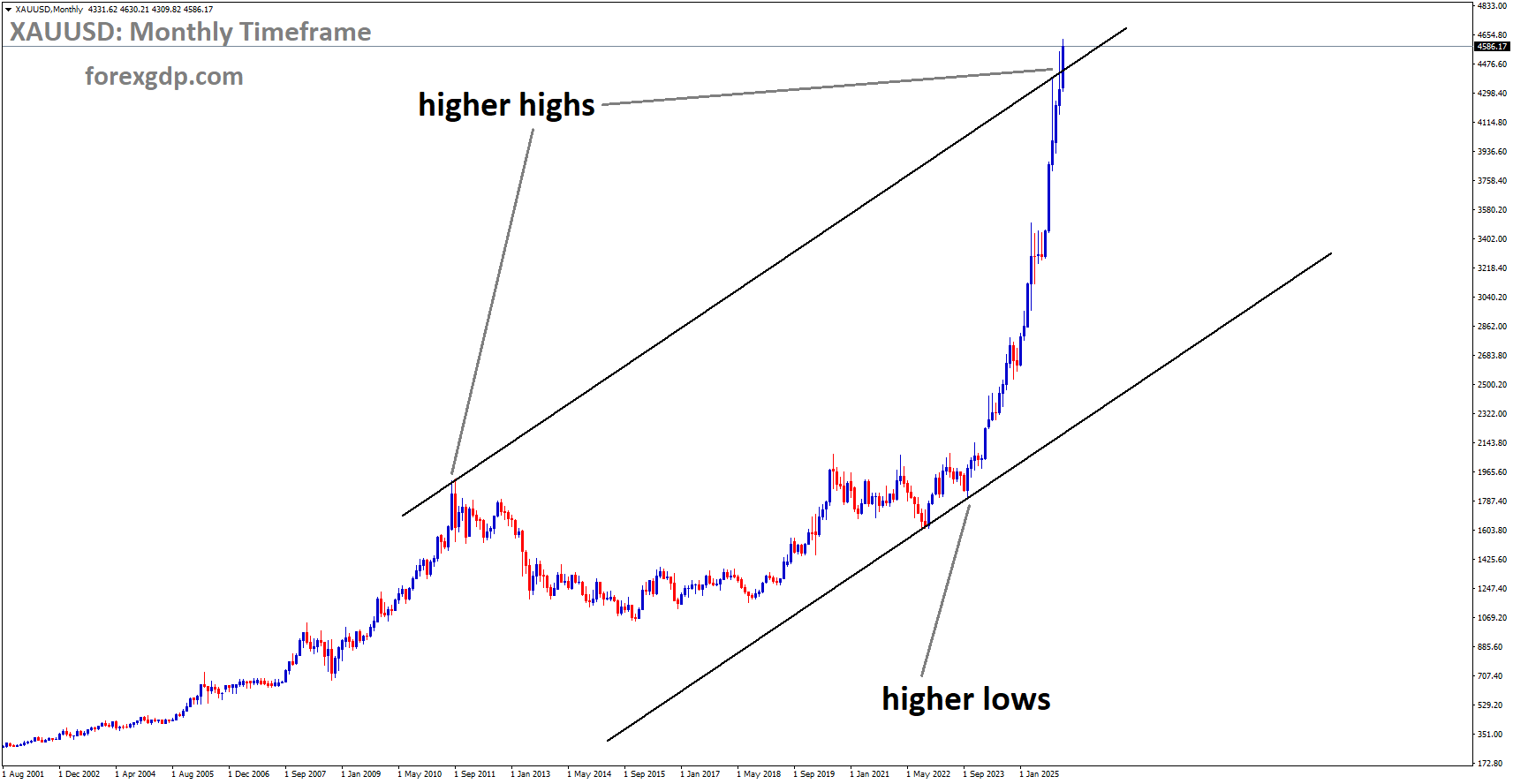
XAUUSD is moving in an Ascending channel, and the market has reached a higher high area of the channel
This pattern reflects a market that is not driven by speculation alone but by longer-term concerns about economic and political stability. It suggests that gold’s foundation remains firm, even when short-term movements appear cautious.
Summary: Gold’s Supportive Backdrop Remains Intact
Gold may be experiencing brief periods of hesitation, but its underlying support remains strong. A firmer US dollar has created some short-term pressure, yet doubts about Federal Reserve independence and expectations for future rate cuts continue to limit dollar strength. At the same time, ongoing geopolitical tensions reinforce gold’s role as a safe-haven asset.
With investors awaiting fresh inflation data, markets are likely to remain cautious in the near term. Still, the broader mix of political uncertainty, monetary policy expectations, and global risk suggests that gold remains well-positioned to retain its appeal as a trusted store of value.