
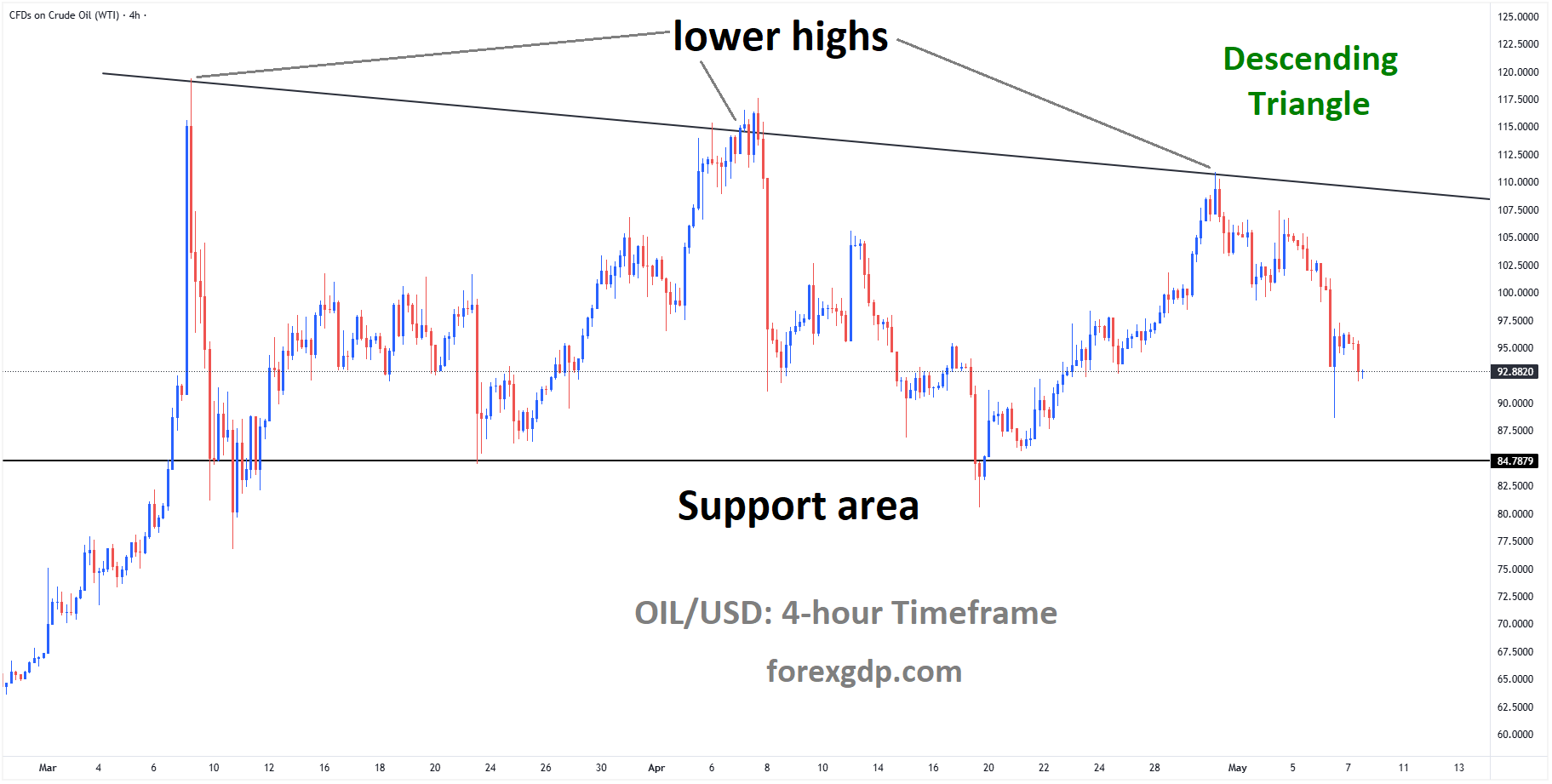
Crude oil is moving in a descending triangle pattern, and the market has fallen from the lower high area of the pattern
Oil prices weaken as reports hint at easing tensions around Hormuz route
WTI Crude Oil prices continued to fall on Thursday, marking the third straight day of losses as traders reacted to growing optimism around possible peace talks between the United States and Iran. The decline comes after reports suggested that negotiations are moving forward and discussions about reopening the Strait of Hormuz are gaining momentum.
West Texas Intermediate (WTI), the main benchmark for US crude oil, was trading near $90.50 during Thursday’s session. This places oil prices significantly lower than the highs recorded last week, showing how quickly market sentiment can shift when geopolitical tensions begin to ease.
Peace Talks Between the US and Iran Influence Oil Markets
One of the main reasons behind the recent drop in oil prices is the renewed hope for diplomatic progress between Washington and Tehran. Reports indicate that Iran is currently reviewing a proposal from the United States aimed at reducing tensions and potentially ending the ongoing conflict between the two nations.
Any positive movement in negotiations between the US and Iran usually attracts strong attention from energy markets. Iran remains one of the world’s major oil-producing countries, and changes in its relationship with the West can directly affect global oil supply expectations.
Investors are now closely watching developments in these discussions because improved relations could eventually lead to smoother oil exports from the region. As a result, fears of supply disruptions have started to ease, putting downward pressure on crude prices.
Strait of Hormuz Remains a Key Focus
Another major factor influencing oil prices is the growing speculation surrounding the Strait of Hormuz. This narrow waterway is considered one of the most important oil transit routes in the world.
Around 20% of global oil supply passes through the Strait of Hormuz, making it a critical route for international energy trade. Any disruption in this area can quickly trigger sharp increases in oil prices because traders fear delays or shortages in supply.
Recent reports from Al-Hadath, a sister channel of Al Arabiya, stated that intense communication efforts are underway to gradually reopen the Strait of Hormuz. The report cited sources familiar with the negotiations, adding further optimism to the market.
The possibility of the strait reopening more fully has reduced concerns about supply risks. This shift in sentiment has encouraged traders to pull back from earlier bullish positions that were driven by fears of escalating conflict in the Middle East.
Why Oil Prices Are Falling

Oil markets are highly sensitive to geopolitical developments, especially in regions that play a major role in energy production and transportation. During periods of conflict or uncertainty, prices often rise as traders prepare for possible supply shortages.
However, when tensions begin to ease or diplomatic solutions appear more likely, the opposite effect can happen. Traders become more confident that oil supplies will continue flowing without major disruptions, leading to lower prices.
In this case, the combination of possible US-Iran progress and discussions surrounding the Strait of Hormuz has weakened the risk premium that had previously supported higher crude prices.
Many investors had pushed oil prices higher in recent weeks because they feared the conflict could impact exports from the Middle East. Now that negotiations appear to be moving in a more positive direction, some of those concerns are fading.
Global Energy Markets Watch Closely
The situation remains fluid, and energy markets are expected to stay highly reactive to any new updates from the negotiations. Even small developments involving Iran or the Strait of Hormuz can create noticeable movements in oil prices within a short period.
Governments, investors, shipping companies, and energy producers are all paying close attention to the outcome of these talks. Stability in the region is considered crucial for maintaining smooth global energy supply chains.
At the same time, uncertainty still remains. While reports of communication and negotiations have improved market confidence, there has not yet been a final agreement. Any setbacks in the discussions could quickly reverse the current trend in oil prices.
The Importance of the Strait of Hormuz in Global Trade
The Strait of Hormuz has long been one of the most strategically important waterways in the world. It connects the Persian Gulf with the Arabian Sea and serves as a major route for oil exports from countries such as Saudi Arabia, Iraq, Kuwait, the United Arab Emirates, and Iran.
Because such a large portion of the world’s oil moves through this narrow channel, any military tension or political conflict in the area immediately affects global energy markets.
Over the years, the strait has frequently been at the center of geopolitical disputes. Threats of closures or attacks on shipping vessels have often caused spikes in oil prices due to fears of interrupted supply.
Now, the possibility of gradually reopening and stabilizing the route is giving traders hope that energy shipments can continue more smoothly in the coming months.
Investor Sentiment Shifts Rapidly
Financial markets often react quickly to headlines, especially when geopolitical tensions are involved. Oil traders are known for responding almost instantly to reports related to wars, sanctions, peace talks, or supply disruptions.
The latest reports surrounding the US-Iran negotiations have encouraged a more cautious approach among bullish investors. Some traders who previously expected prices to continue rising are now reassessing the situation.
This change in sentiment explains why oil prices have experienced three consecutive days of declines. Market participants are adjusting their expectations based on the possibility that supply risks may become less severe if diplomacy succeeds.
Final Summary
WTI crude oil prices continued to move lower on Thursday as hopes for improved relations between the United States and Iran boosted confidence across energy markets. Reports suggesting active discussions about reopening the Strait of Hormuz have further reduced concerns about supply disruptions.
The Strait of Hormuz remains one of the world’s most critical oil transit routes, carrying a large share of global crude exports every day. As negotiations progress, traders are closely monitoring developments that could shape the future direction of oil markets.
While uncertainty still exists, the recent decline in crude prices reflects growing optimism that diplomatic efforts may help stabilize the region and support smoother global energy flows.
EURUSD Gains Momentum With Investors Turning Away From Safe-Haven Dollar
The EUR/USD currency pair remained stable on Thursday after pulling back slightly from a more than two-week high reached in the previous session. The pair found support during the Asian trading hours as the US Dollar continued to struggle under growing pressure from global political developments and changing expectations around the US Federal Reserve.
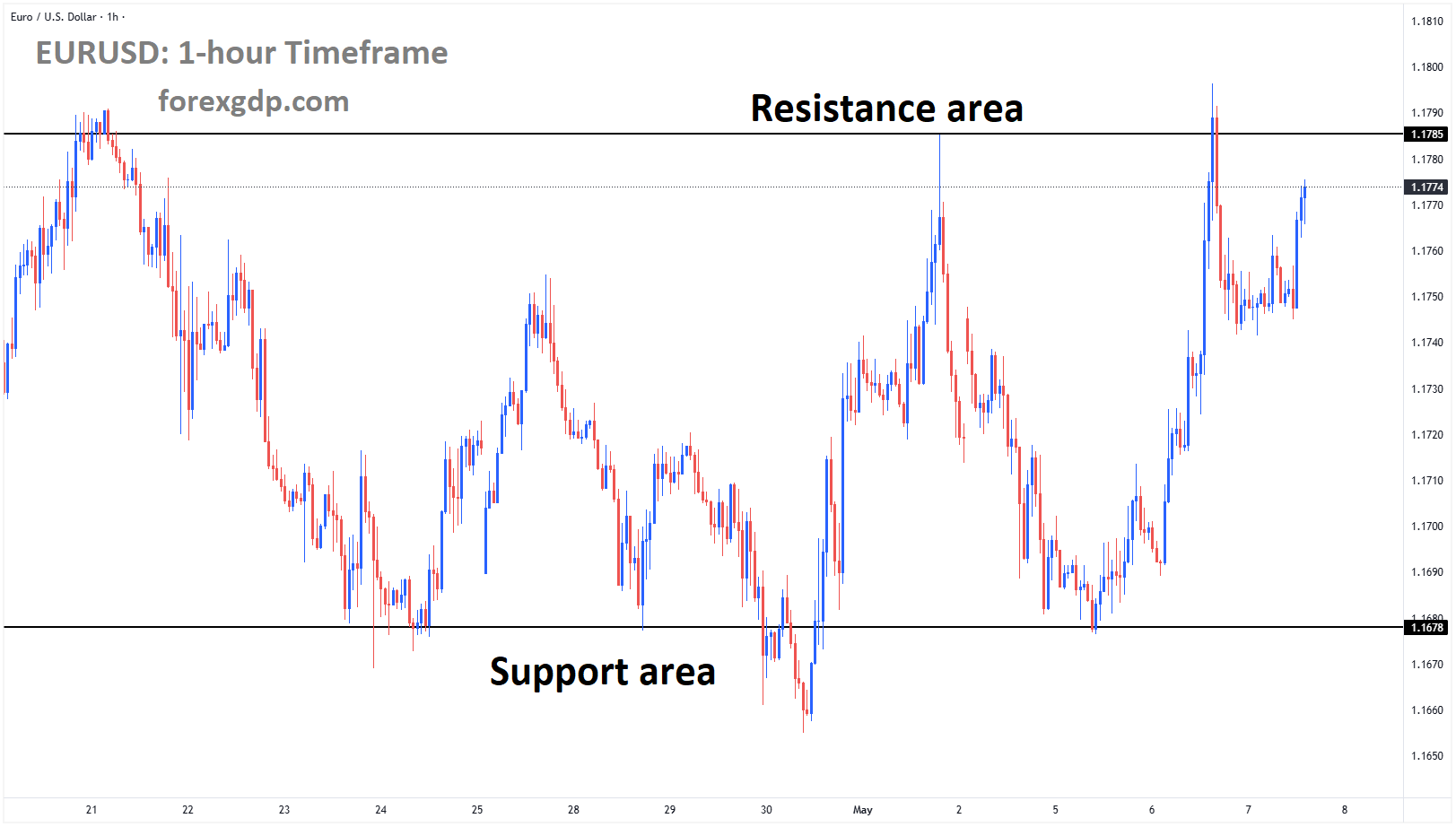
EURUSD is moving in a box pattern
Although the US Dollar attempted to recover after stronger-than-expected employment data earlier this week, that momentum quickly faded. Investors are now closely watching upcoming economic reports and geopolitical headlines, especially developments related to the ongoing talks between the United States and Iran.
US Dollar Weakness Continues to Support EUR/USD
The Euro gained support mainly because the US Dollar failed to maintain its recent rebound. The Greenback has remained under pressure for two straight sessions as traders react to increasing hopes of a possible peace agreement between the US and Iran.
Recent employment data from the United States initially gave the Dollar some strength. The ADP employment report showed that private companies added 109,000 jobs in April. This was better than market expectations and higher than the revised 61,000 jobs recorded in the previous month.
Normally, stronger labor market data would support the US Dollar because it signals a healthy economy. However, investors shifted their attention away from economic numbers and focused more on global political developments.
US President Donald Trump recently stated that discussions with Iran had shown progress over the past 24 hours. According to him, Iran appears willing to move toward an agreement. Reports from US officials also suggested that both sides were getting closer to signing a memorandum aimed at ending tensions.
This optimism reduced demand for the US Dollar as a safe-haven currency. When global risks begin to ease, investors often move away from safer assets like the Dollar and shift toward higher-risk investments or other major currencies such as the Euro.
Federal Reserve Expectations Remain Unclear
Another factor weighing on the US Dollar is the market’s changing view of the Federal Reserve’s future policy direction.
Over the past few months, traders expected the Fed to maintain a tough stance on inflation by keeping interest rates higher for longer. Those expectations helped support the Dollar. However, confidence in additional aggressive policy moves has started to weaken.
Investors are becoming less certain about whether the Fed will continue tightening monetary policy later this year. As a result, the Dollar has lost part of its earlier strength.
Still, the situation remains far from settled.
Data from the CME FedWatch Tool shows that some traders continue to believe there is still a possibility of another interest rate increase before the end of the year. This keeps uncertainty alive in financial markets and prevents investors from making aggressive moves against the US Dollar.
Iran Deal Hopes Create Mixed Market Sentiment
While hopes for a peace agreement between the US and Iran have weakened the Dollar, not everyone is fully convinced that a final deal will happen soon.
There are still major disagreements surrounding Iran’s nuclear program, and these unresolved issues continue to create caution among investors. Market participants understand that negotiations can quickly change direction, especially when dealing with sensitive geopolitical matters.
Because of this uncertainty, traders remain careful when placing large bets on the EUR/USD pair. Any sudden negative headlines from the Middle East could quickly increase demand for the US Dollar again.
This mixed market sentiment explains why the EUR/USD pair has struggled to build stronger momentum despite the recent weakness in the Dollar.
Investors Focus on Upcoming Economic Reports

Financial markets are now turning their attention toward several important economic reports scheduled for release before the end of the week.
European data releases include German Factory Orders and the French Trade Balance report. These indicators will offer more insight into the health of the Eurozone economy and could influence the Euro’s short-term direction.
In the United States, traders are waiting for reports on Challenger Job Cuts and Weekly Initial Jobless Claims. These numbers will help investors better understand the current condition of the American labor market.
However, the biggest event for markets remains Friday’s US Nonfarm Payrolls (NFP) report.
The NFP report is considered one of the most important economic indicators because it provides a detailed picture of job growth in the United States. Strong employment figures could support the US Dollar by reinforcing confidence in the economy and increasing expectations that the Federal Reserve may keep interest rates elevated.
On the other hand, weaker-than-expected data could place additional pressure on the Dollar and give further support to EUR/USD.
Geopolitical Headlines Could Drive Market Volatility
Apart from economic data, traders are also paying close attention to developments in the Middle East.
Any fresh updates related to US-Iran negotiations could create sudden volatility in currency markets. Positive headlines may continue to weaken the Dollar by reducing global risk concerns, while rising tensions could push investors back toward safe-haven assets.
This creates a highly sensitive market environment where both political and economic news can influence currency movements very quickly.
For now, traders appear cautious as they wait for stronger signals before making larger decisions. The EUR/USD pair remains supported by Dollar weakness, but uncertainty surrounding Federal Reserve policy and geopolitical risks continues to limit stronger upward momentum.
Final Summary
The EUR/USD pair remains steady after reaching a recent multi-week high, supported mainly by ongoing weakness in the US Dollar. Optimism surrounding possible US-Iran peace talks and fading expectations of aggressive Federal Reserve action have reduced demand for the Dollar in recent sessions.
At the same time, uncertainty still surrounds both the Middle East situation and the Fed’s future policy path. This has kept traders cautious ahead of major economic reports, especially the upcoming US Nonfarm Payrolls data.
As markets continue to react to economic indicators and geopolitical developments, volatility is likely to remain high in the days ahead.
GBPUSD Holds Steady as Traders Await US Payrolls and Iran’s Next Move
The Pound Sterling remained mostly stable against major global currencies as investors focused on growing hopes of a peace agreement between the United States and Iran. Currency markets showed limited movement, with traders avoiding major positions while waiting for further updates on geopolitical discussions and upcoming US economic data.
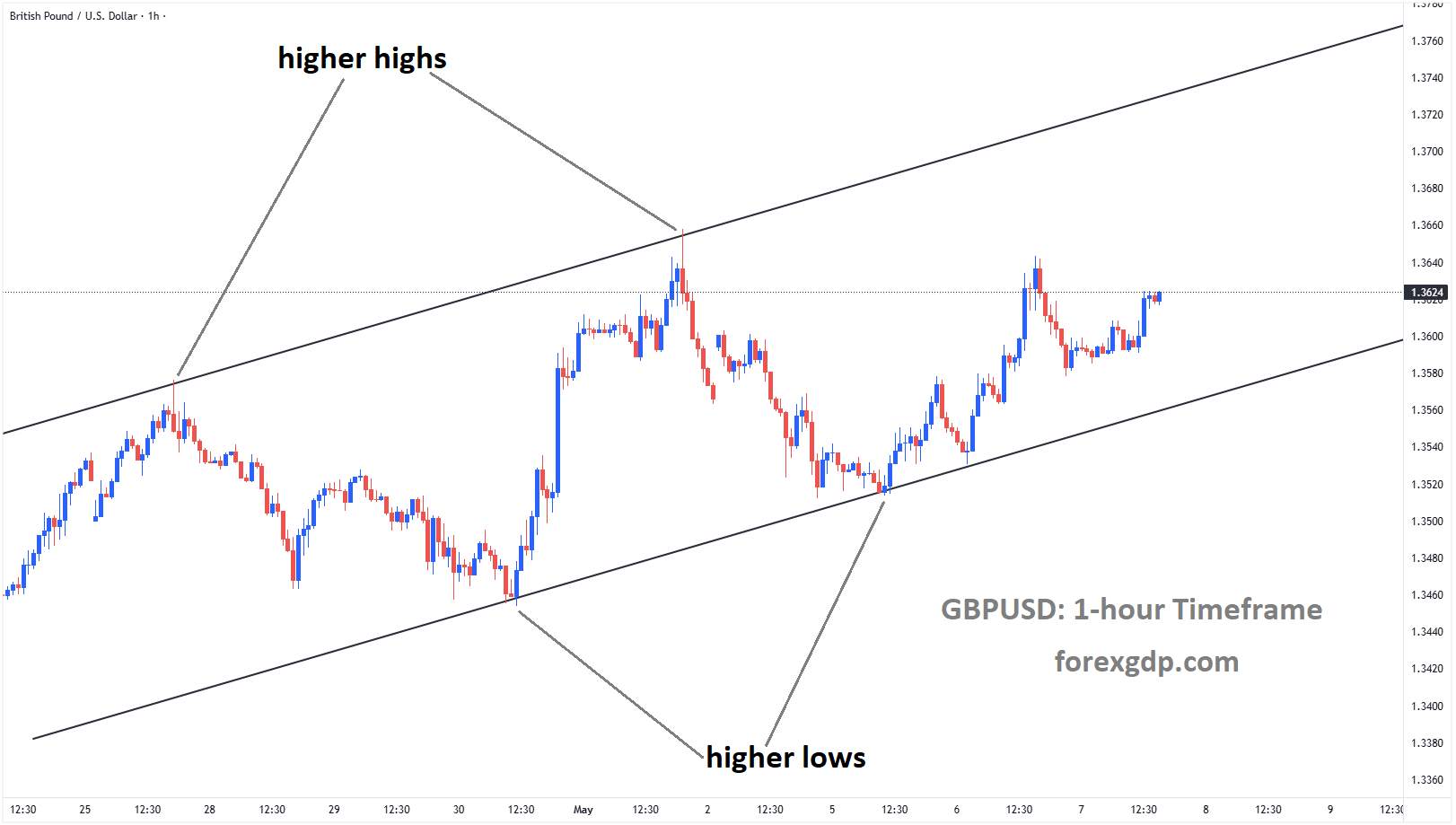
GBPUSD is moving in an uptrend channel
Against the US Dollar, the British Pound stayed near the 1.3600 level during Thursday’s European trading session. The calm movement reflected cautious market behavior as global investors monitored political developments in the Middle East and assessed what they could mean for financial markets worldwide.
Investors Focus on US-Iran Negotiations
One of the biggest drivers of market sentiment has been the ongoing diplomatic efforts between the United States and Iran. Reports suggest that Washington has proposed a one-page agreement that includes restrictions on Iran’s nuclear activities, the reopening of the Strait of Hormuz, and a temporary 30-day ceasefire framework.
Iran confirmed that it is reviewing the proposal carefully. At the same time, Pakistan, which has reportedly been helping mediate discussions between the two countries, indicated that both sides are moving closer to reaching a possible agreement.
The situation has become extremely important for investors because tensions in the Middle East often create uncertainty across global financial markets. Any progress toward peace tends to improve investor confidence, while delays or rising tensions usually increase fear and cautious trading behavior.
So far, the overall market mood remains positive. Investors appear hopeful that both nations may eventually agree on a diplomatic solution, reducing the risk of a prolonged conflict.
Risk Appetite Improves Across Global Markets
The improved optimism surrounding the US-Iran situation has supported a broader “risk-on” market environment. In financial markets, this term refers to periods when investors feel more comfortable buying assets linked to growth and economic stability.
US stock futures continued holding recent gains, showing that investors are becoming more confident about the global economic outlook. This stronger appetite for risk also reduced demand for safe-haven assets such as the US Dollar.
As a result, the US Dollar Index, which measures the Dollar’s strength against a group of major currencies, remained under pressure. The index stayed close to a two-month low reached earlier in the week.
A weaker Dollar often provides support for currencies like the Pound Sterling. However, traders are still avoiding aggressive moves until they receive more clarity from economic data and geopolitical headlines.
US Jobs Report Becomes the Next Major Focus
While political developments continue to influence market sentiment, attention is now shifting toward the upcoming US Nonfarm Payrolls report.
The monthly employment report is considered one of the most important economic indicators in global markets because it offers insight into the strength of the US economy and labor market conditions.
Economists expect the report to show slower job creation compared to previous months. At the same time, the unemployment rate is forecast to remain stable, suggesting that the labor market is cooling gradually rather than weakening sharply.
Wage growth is also expected to rise slightly. Higher wage growth can influence inflation expectations because stronger salaries often increase consumer spending power.
The results of the report could significantly affect expectations regarding future monetary policy decisions from the US Federal Reserve. If the data shows stronger-than-expected employment growth, the Dollar may recover some strength. On the other hand, weaker figures could increase pressure on the US currency.
Pound Sterling Remains Sensitive to Bank of England Expectations
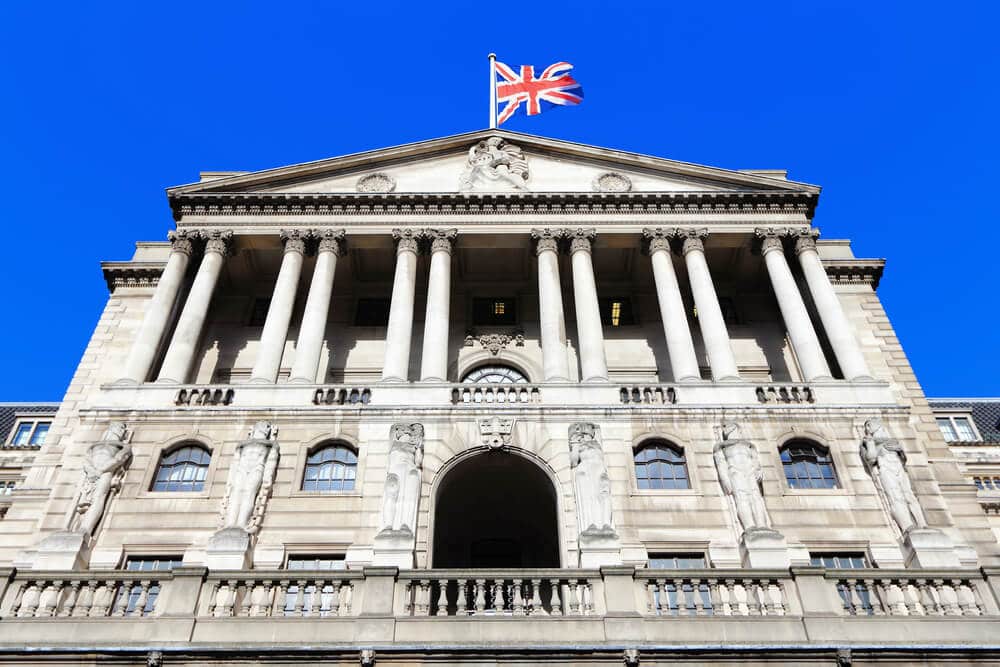
On the UK side, investors are closely watching expectations surrounding the Bank of England and its future interest rate decisions.
Market analysts currently believe the central bank is likely to maintain a cautious approach. According to experts at Societe Generale, the Bank of England could leave interest rates unchanged throughout 2026 if geopolitical tensions do not escalate further.
This outlook reflects concerns about the balance between inflation risks and slowing economic growth. Policymakers are trying to ensure inflation continues moving toward target levels without placing excessive pressure on businesses and consumers.
However, analysts also warned that the situation could change if conflict-related disruptions continue for an extended period. In such a scenario, inflationary pressures may rise again, potentially forcing the central bank to consider additional policy tightening measures.
Global Uncertainty Keeps Currency Markets Calm
Currency traders have largely avoided making major directional bets in recent sessions. The combination of geopolitical uncertainty and important economic data releases has encouraged a wait-and-see approach.
Markets are currently balancing several competing factors:
- Expectations for a possible US-Iran peace agreement
- Concerns about global economic growth
- Future interest rate decisions from central banks
- Upcoming labor market data from the United States
These factors continue to shape investor behavior across global financial markets.
The Pound Sterling has managed to remain relatively stable during this period because both the UK and US face similar uncertainty regarding future economic growth and monetary policy direction.
Why the Strait of Hormuz Matters
One important aspect of the proposed US-Iran agreement is the reopening of the Strait of Hormuz.
This narrow waterway is one of the world’s most critical oil shipping routes. A significant percentage of global oil exports passes through the region every day. Any disruption there can affect energy markets, inflation, and overall economic stability worldwide.
Investors closely monitor developments in the area because higher energy prices often increase inflation pressures for many economies, including the UK and the United States.
A stable and open Strait of Hormuz would help reduce concerns about supply disruptions and could improve confidence in global markets.
Financial Markets Waiting for Clarity
Despite improving optimism, traders remain cautious because negotiations between the US and Iran are still ongoing. Political agreements can change quickly, and markets are aware that unexpected developments could still trigger volatility.
At the same time, the upcoming US jobs report may provide clearer direction for the Dollar and broader currency markets. Strong employment data could reinforce confidence in the US economy, while weaker results may strengthen expectations for future policy adjustments from the Federal Reserve.
For now, the Pound Sterling continues trading within a relatively narrow range as investors wait for more certainty on both geopolitical and economic fronts.
Summary
The Pound Sterling remained steady as global investors monitored ongoing diplomatic discussions between the United States and Iran. Hopes for a peace agreement supported positive market sentiment and reduced demand for safe-haven assets like the US Dollar.
Attention is also turning toward the upcoming US Nonfarm Payrolls report, which could influence expectations for future Federal Reserve policy decisions. Meanwhile, investors continue evaluating the Bank of England’s outlook, with many analysts expecting interest rates to remain unchanged unless global tensions create fresh inflation risks.
With political uncertainty and economic data both shaping market direction, traders are likely to remain cautious until clearer signals emerge in the coming days.
USDJPY Holds Tight Range While Traders Brace for US Jobs Report and Yen Action
The USD/JPY currency pair moved cautiously around the 156.30 level on Thursday as traders waited for fresh economic signals from both Japan and the United States. The pair showed only small daily losses, reflecting a market that remains uncertain about what could happen next.
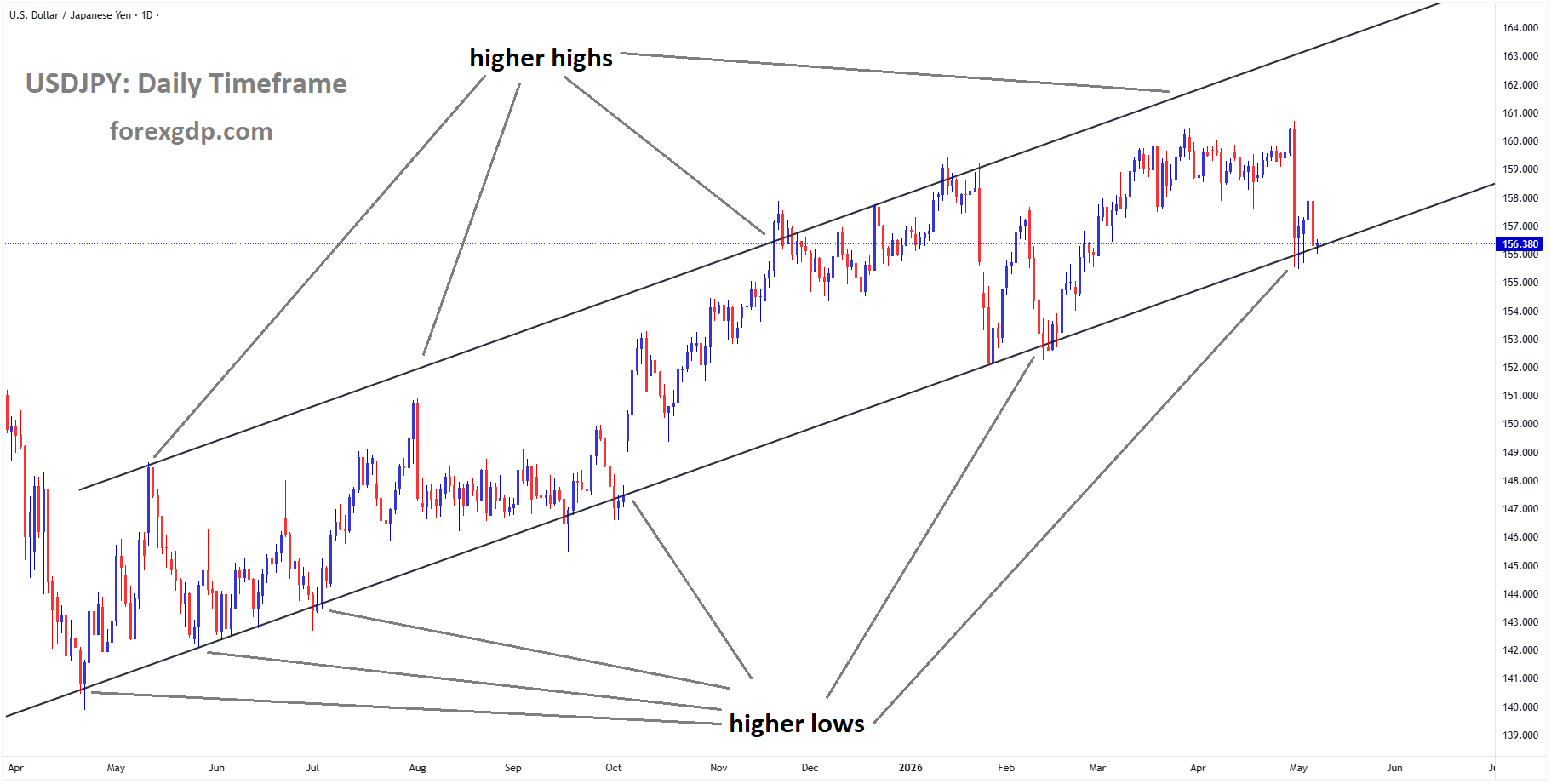
USDJPY is moving in an ascending channel, and the market has reached the higher low area of the channel
Investors are paying close attention to comments from Japanese officials and upcoming US economic data. Concerns about possible intervention by Japanese authorities continue to support the Japanese Yen, while expectations around future US Federal Reserve policy are keeping pressure on the US Dollar.
Japanese Authorities Keep Currency Markets on Alert
Japanese officials have once again signaled that they are ready to step into the foreign exchange market if needed. These repeated warnings are aimed at slowing the Yen’s weakness against the US Dollar.
Japan’s top currency official, Atsushi Mimura, stated that authorities are carefully monitoring market movements and are prepared to respond to excessive speculation. Although he avoided directly confirming possible intervention, his comments were enough to remind traders that Japan could act again if the Yen weakens too quickly.
This cautious tone from officials has become increasingly common in recent weeks. Japan’s Ministry of Finance has repeatedly stressed that rapid currency movements are undesirable and could harm the economy. Investors remember the sudden sharp swings recently seen in USD/JPY, which many believe were caused by direct intervention from Japanese authorities.
As a result, traders are becoming more careful about pushing the pair too aggressively higher. The fear of government action is creating hesitation across the market.
Why Japan Wants to Support the Yen
A weaker Yen can help Japanese exporters because it makes Japanese products cheaper overseas. However, it also increases the cost of imports such as food and energy, putting pressure on households and businesses.
Japan has already faced rising inflation in recent years, partly due to higher import costs. If the Yen continues to weaken sharply, inflation could become more difficult to control.
This explains why officials are trying to slow speculative currency moves. Authorities are not necessarily targeting a specific exchange rate, but they want to avoid sudden and disorderly market movements that could damage economic stability.
Some analysts now believe the level that could trigger stronger action from Japan may be closer to 158 rather than 160. That suggests officials may become more aggressive if the Dollar continues climbing against the Yen.
Bank of Japan Signals More Confidence on Interest Rates
Another important factor supporting the Yen is the changing tone from the Bank of Japan (BoJ).
Minutes from the BoJ’s March meeting showed that several policymakers are becoming more open to additional interest rate hikes. Board members expressed concern that global energy-related inflation risks, especially those connected to geopolitical tensions, could create lasting inflation pressure inside Japan.
Some officials also argued that Japan’s real interest rates remain deeply negative and may need adjustment soon.
For many years, Japan maintained extremely low interest rates to support economic growth and fight deflation. However, inflation trends have changed, and the central bank now appears more willing to slowly normalize policy.
This shift has increased speculation that the BoJ could raise rates again in the near future, possibly as early as June.
Can Higher Japanese Rates Strengthen the Yen?
While expectations of future BoJ rate hikes are helping the Yen, many analysts believe that monetary policy alone may not fully reverse the broader trend in USD/JPY.
One major reason is the large difference between Japanese and US interest rates. Even if Japan raises rates modestly, US rates are still much higher, which continues to attract investors toward the Dollar.
In addition, energy prices remain an important issue for Japan. Since the country imports large amounts of energy, higher oil prices can weaken the Yen by increasing import costs.
Market analysts from OCBC noted that intervention efforts may temporarily push USD/JPY lower toward the 150–155 region. However, they also warned that lasting Yen strength would likely require stronger policy changes from the Bank of Japan alongside lower US bond yields and softer energy prices.
US Employment Data Becomes the Main Focus
While developments in Japan remain important, traders are now largely focused on upcoming economic data from the United States.
The biggest event is Friday’s US employment report for April, which could strongly influence expectations for Federal Reserve policy.
Economists currently expect the US economy to add around 60,000 jobs during the month. Meanwhile, the unemployment rate is projected to remain stable at 4.3%.
These numbers matter because the labor market plays a major role in the Federal Reserve’s interest rate decisions. A weaker jobs report could strengthen expectations that the Fed may move toward interest rate cuts or a more supportive policy stance later this year.
On the other hand, stronger-than-expected employment data could support the US Dollar by reducing expectations for policy easing.
Federal Reserve Expectations Weigh on the Dollar
The US Dollar has recently struggled as markets increasingly expect the Federal Reserve to adopt a more accommodative approach.
The US Dollar Index, which measures the Dollar against a basket of major currencies, has fallen near two-month lows around 97.90. This decline reflects growing investor belief that US interest rates may have peaked.
Slowing economic momentum and signs of a cooling labor market have encouraged speculation that the Fed could eventually shift toward lower borrowing costs. These expectations are limiting the Dollar’s strength against currencies like the Japanese Yen.
Investors are also watching weekly US Initial Jobless Claims data, which can provide additional clues about the health of the labor market before the main employment report is released.
Market Sentiment Remains Fragile
The current market environment reflects a balance between several competing forces.
On one side, traders remain cautious about possible Japanese intervention and the potential for additional Bank of Japan rate hikes. These factors are helping support the Yen and preventing USD/JPY from rising too aggressively.
On the other side, US interest rates remain relatively high, and the Federal Reserve has not yet clearly signaled when policy easing might begin. This continues to provide underlying support for the US Dollar.
As a result, USD/JPY is moving without a strong directional trend for now. Investors appear unwilling to make large bets until they receive clearer economic signals from both countries.
What Traders Will Watch Next
The next major move in USD/JPY will likely depend on a combination of economic data and official policy signals.
Key areas investors are monitoring include:
- The strength of the US labor market
- Future Federal Reserve policy expectations
- Any signs of direct intervention from Japan
- Upcoming Bank of Japan policy decisions
- Global energy price movements
If US data weakens further and the Fed becomes more dovish, the Dollar could face additional pressure. At the same time, stronger action or more aggressive language from Japanese authorities could further support the Yen.
However, if US economic data remains resilient, the Dollar may continue holding an advantage despite intervention concerns.
Summary
USD/JPY remains stuck near the 156 level as traders carefully assess signals from both Japan and the United States. Japanese officials continue warning against excessive currency speculation, keeping intervention fears alive and offering support to the Yen.
At the same time, the Bank of Japan is showing a more hawkish tone, increasing expectations for future interest rate hikes. However, analysts believe broader Yen strength may still require lower US yields and softer energy prices.
Attention is now turning toward key US employment data, which could shape expectations for Federal Reserve policy and determine the next major move for the US Dollar. Until clearer signals emerge, market sentiment is likely to remain cautious and highly sensitive to economic developments.
USDCAD Stays Flat as Iran Deal Optimism Pressures Oil and Weakens Loonie
The USD/CAD currency pair moved sideways on Thursday, trading near the 1.3630 level with very little movement during the day. Both the US Dollar and the Canadian Dollar faced pressure from different market factors, leaving the pair stuck in a narrow range.
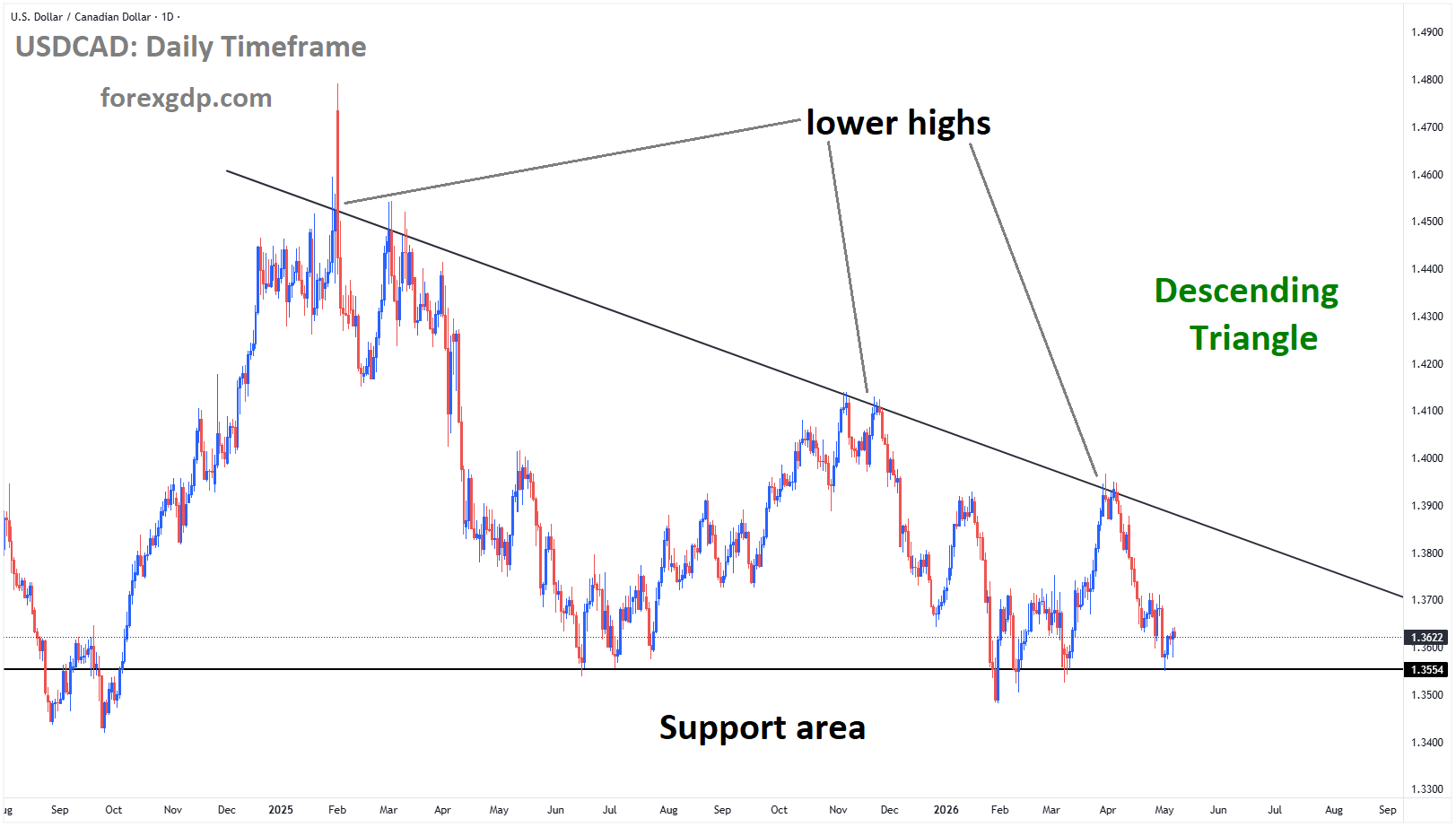
USDCAD is moving in a descending triangle pattern, and the market has reached the support area of the pattern
A major reason behind the cautious trading tone was the decline in Oil prices, which weakened the Canadian Dollar. At the same time, the US Dollar also struggled to gain strength as investor confidence improved globally.
Oil Prices Pressure the Canadian Dollar
The Canadian Dollar, often called the “Loonie,” is closely connected to Oil prices because Canada is one of the world’s largest Oil exporters. When Oil prices fall, the Canadian Dollar usually loses support.
On Thursday, Crude Oil prices stayed under pressure after signs of improving relations between the United States and Iran raised hopes for a possible agreement between the two countries.
US President Donald Trump said that discussions with Iran had gone very well and added that a deal still looked possible. Meanwhile, Iranian Foreign Ministry spokesman Esmaeil Baghaei confirmed that a proposal from Washington was still being reviewed.
Reports also suggested that Iran is studying a 14-point peace proposal from the United States. In addition, discussions related to reopening the Strait of Hormuz are reportedly continuing. The Strait of Hormuz is one of the most important shipping routes for global Oil transportation, so any progress in that region can strongly affect energy markets.
These developments improved investor confidence and reduced fears of supply disruptions in the Oil market. As a result, Crude Oil prices moved lower, putting more pressure on the Canadian Dollar.
Lower Oil Weakens Support for the Loonie
West Texas Intermediate (WTI) Crude remained under pressure above the $90 per barrel mark, while Brent Crude stayed below $100 per barrel.
Although prices are still relatively high, the recent pullback reduced support for the Canadian currency. Since Canada benefits from strong energy exports, falling Oil prices often limit demand for the Loonie in currency markets.
This explains why the Canadian Dollar struggled to gain momentum despite the US Dollar also showing weakness.
US Labor Data Becomes the Main Focus
Investors are now turning their attention toward important labor market data from the United States.
The weekly Initial Jobless Claims report is expected later on Thursday, followed by the highly watched Nonfarm Payrolls (NFP) report on Friday. These reports are closely monitored because they provide insight into the health of the US economy and the future direction of Federal Reserve policy.
Economists expect the US economy to have added around 60,000 jobs in April. Meanwhile, the Unemployment Rate is forecast to remain unchanged at 4.3%.
Strong employment data could support the US Dollar by increasing expectations that the Federal Reserve may keep interest rates higher for longer. On the other hand, weaker data may increase pressure on the Greenback.
Federal Reserve Maintains a Careful Approach
Boston Federal Reserve President Susan Collins also attracted attention with her latest comments on monetary policy.
Collins stated that the Federal Reserve may need to keep interest rates unchanged for an extended period. However, she still believes that interest rate cuts remain the most likely scenario later in the future.
She also mentioned that the central bank could even consider raising rates again if economic conditions change significantly.
Her comments reflected the cautious stance currently being taken by the Federal Reserve. Policymakers continue to balance inflation risks with concerns about economic growth.
Despite the Fed’s careful tone, the US Dollar remained under pressure because investors were more willing to move into riskier assets after the positive headlines surrounding US-Iran discussions.
Improved Market Sentiment Limits US Dollar Strength

The US Dollar Index (DXY), which measures the strength of the Greenback against a basket of major currencies, edged slightly lower and traded near 97.90.
An improved risk environment usually reduces demand for safe-haven assets like the US Dollar. When investors feel more optimistic about global stability and economic conditions, they often shift money into higher-risk investments instead of defensive currencies.
That trend helped keep the US Dollar capped, even as Federal Reserve officials continued to sound cautious about future policy decisions.
Market Outlook Remains Uncertain
Currency traders are now waiting for clearer direction from upcoming US economic reports. Employment data will likely play a major role in shaping short-term market sentiment.
If the labor market remains strong, expectations for delayed interest rate cuts could support the US Dollar. However, softer employment numbers may increase concerns about slowing economic momentum.
For the Canadian Dollar, movements in Oil prices remain extremely important. Any further progress in US-Iran talks could continue to pressure Crude prices lower, which may keep the Loonie under pressure.
At the same time, geopolitical developments in the Middle East could still create sudden volatility in energy markets.
Analysts See Ongoing Pressure on the US Dollar
According to analysts at Scotiabank, the short-term outlook for the US Dollar against the Canadian Dollar still appears weak.
The bank believes the USD/CAD pair would need to move back above the 1.3720 area and hold that level consistently to show stronger bullish momentum. Until then, market participants may continue viewing temporary US Dollar recoveries as opportunities to sell.
This cautious market outlook reflects the current uncertainty surrounding economic growth, interest rates, and global geopolitical developments.
Final Summary
USD/CAD remained largely unchanged near 1.3630 as weakness in both the US Dollar and Canadian Dollar balanced the market. Falling Oil prices, driven by hopes of improving US-Iran relations, continued to pressure the Canadian currency.
Meanwhile, investors shifted their focus toward upcoming US labor market reports, which could strongly influence Federal Reserve expectations and future US Dollar direction. While Fed officials remain cautious on interest rates, improved global sentiment has limited safe-haven demand for the Greenback.
With Oil prices, geopolitical headlines, and US economic data all influencing the market, traders are likely to remain cautious in the near term.
USDCHF Drops Sharply as US-Iran Peace Hopes Weigh on Dollar Demand
The USD/CHF currency pair moved lower during Thursday’s European trading session, slipping closer to the 0.7775 level as pressure on the US Dollar continued to grow. Investors reacted to increasing optimism that the United States and Iran could move toward a peace agreement, reducing demand for the safe-haven US Dollar.
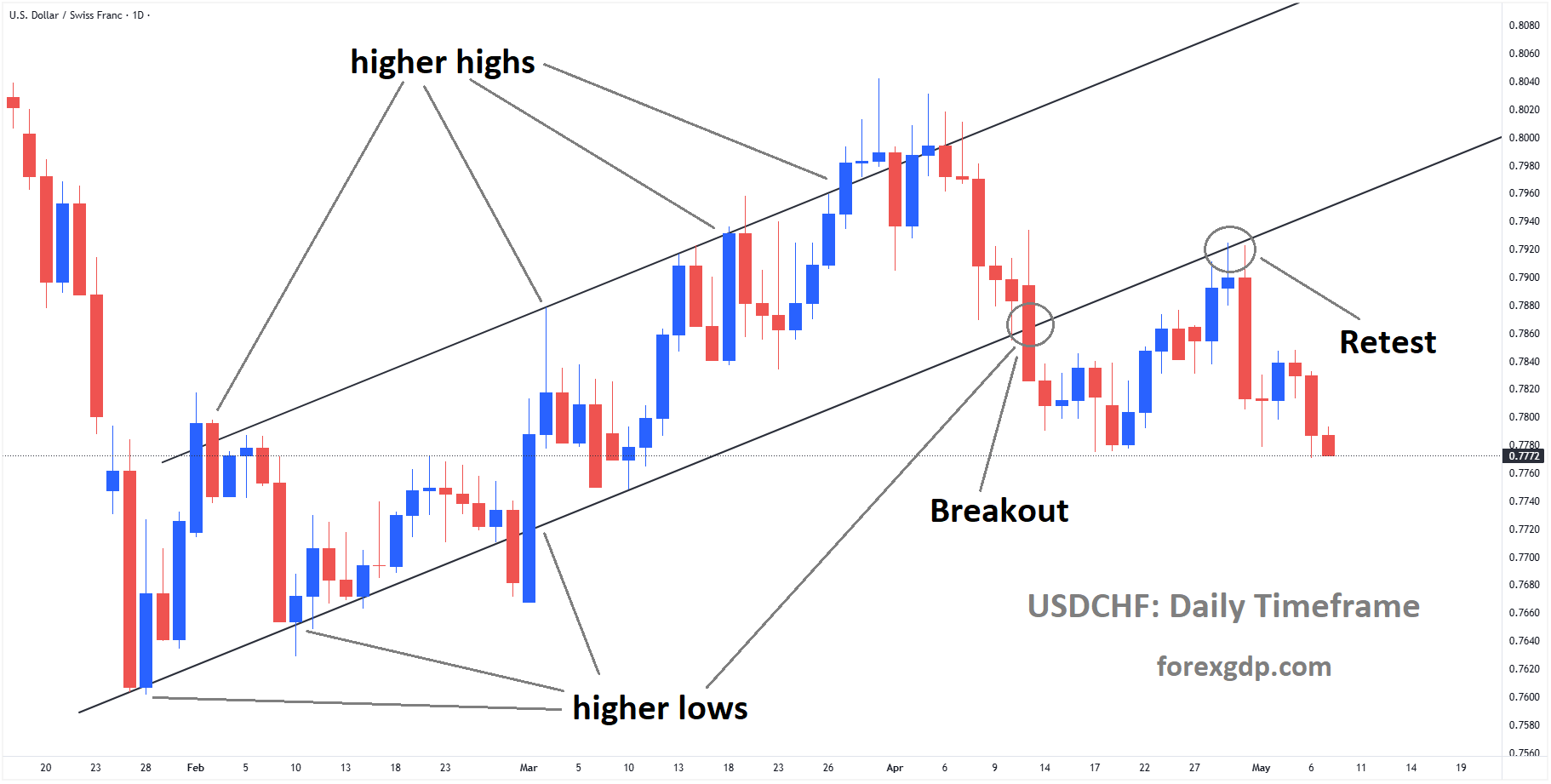
USDCHF is falling from the retest area of the broken ascending channel
At the same time, traders are waiting for the upcoming US Nonfarm Payrolls (NFP) report, which could play an important role in shaping expectations around future Federal Reserve policy decisions.
US Dollar Weakens Amid Diplomatic Optimism
The US Dollar lost ground against several major currencies after reports suggested progress in discussions between the US and Iran. According to Al-Hadath, a sister channel of Al Arabiya, active communications are taking place between both countries regarding the reopening of the Strait of Hormuz.
The Strait of Hormuz is one of the world’s most important shipping routes because a large portion of global energy supplies passes through it. Any disruption in this area often creates uncertainty in global financial markets and increases demand for safer assets such as the US Dollar.
However, recent reports pointed to the possibility of a breakthrough in negotiations within the coming hours. The news raised hopes that ships currently stranded in the region could soon move freely again.
This development helped improve overall market sentiment. When geopolitical tensions ease, investors usually shift away from safe-haven assets and move toward riskier investments. As a result, the US Dollar came under pressure.
The US Dollar Index (DXY), which measures the Greenback against a basket of six major currencies, also moved lower during European trading. The decline reflected weaker investor demand for the currency as fears surrounding the Middle East situation eased.
Why the Strait of Hormuz Matters to Global Markets
The Strait of Hormuz plays a major role in the global economy. Nearly one-fifth of the world’s energy supply moves through this narrow waterway. Because of this, any political or military tensions in the region often influence oil markets, inflation expectations, and global investor confidence.
When there are concerns about supply disruptions, markets typically react with caution. Investors often move money into safe-haven assets, including the US Dollar and government bonds.
On the other hand, signs of stability or diplomatic progress usually reduce market fears. This can lower inflation concerns and weaken support for the US Dollar.
The latest reports suggesting possible cooperation between the US and Iran have therefore shifted investor sentiment. Traders now believe that reduced geopolitical risks may give central banks, including the Federal Reserve, more flexibility regarding future monetary policy decisions.
Federal Reserve Expectations Remain in Focus
The weakening of the US Dollar is also connected to changing expectations surrounding the Federal Reserve.
In recent months, investors have closely watched inflation trends and economic data to understand whether the Fed would maintain a strict policy stance. Concerns over rising energy prices and geopolitical tensions previously supported expectations that the central bank could remain cautious about cutting interest rates.
However, easing tensions in the Middle East may help reduce inflation worries, especially if energy supplies stabilize. This has encouraged traders to reduce some of their earlier expectations for aggressive monetary tightening.
As a result, the US Dollar has struggled to maintain strength against currencies like the Swiss Franc.
Swiss Franc Shows Mixed Market Performance
While the US Dollar weakened, the Swiss Franc showed mixed performance against other major currencies.
The Swiss Franc is traditionally considered another safe-haven currency. Investors often turn to it during periods of global uncertainty because of Switzerland’s stable economy and financial system.
However, traders remain uncertain about the future direction of the Swiss National Bank (SNB). Market participants are still looking for fresh signals regarding the central bank’s next policy steps.
Focus on Swiss National Bank Policy
The Swiss National Bank has faced growing attention in recent months as inflation pressures in Switzerland remain relatively moderate compared to other major economies.
Because of this, investors are trying to determine whether the SNB will continue supporting the Franc through its current policy approach or make adjustments in the coming months.
This uncertainty has created mixed trading conditions for the Swiss Franc, even as the US Dollar faces broader weakness.
Investors Await Key US Jobs Report

Market attention is now shifting toward the upcoming US Nonfarm Payrolls report for April, which is scheduled for release on Friday.
The NFP report is one of the most closely watched economic indicators in global markets because it provides insight into the strength of the US labor market. Strong employment growth could support the US Dollar by reinforcing confidence in the US economy and influencing Federal Reserve expectations.
On the other hand, weaker-than-expected data could increase pressure on the Greenback by strengthening the case for future interest rate cuts.
Investors will also closely monitor wage growth and unemployment figures included in the report, as these numbers can provide additional clues about inflation trends and the overall economic outlook.
Market Sentiment Remains Sensitive
Currency markets are currently reacting to a combination of geopolitical developments and economic expectations. The latest reports surrounding possible progress between the US and Iran have improved investor confidence and reduced demand for the US Dollar as a defensive asset.
At the same time, uncertainty surrounding future Federal Reserve decisions and Swiss National Bank policy continues to influence trading activity in the USD/CHF pair.
With the important US labor market report approaching, traders are expected to remain cautious in the near term. Any surprises in the employment data could quickly shift market sentiment and impact the direction of both the US Dollar and the Swiss Franc.
Final Summary
The USD/CHF pair moved lower as optimism surrounding potential US-Iran diplomatic progress weakened demand for the US Dollar. Reports about possible reopening efforts involving the Strait of Hormuz improved market sentiment and eased concerns about global energy disruptions.
Meanwhile, investors continue to assess the outlook for both the Federal Reserve and the Swiss National Bank. Attention is now firmly focused on the upcoming US Nonfarm Payrolls report, which could provide fresh direction for currency markets and influence expectations for future monetary policy decisions.
Don’t trade all the time, trade forex only at the confirmed trade setups
Get more confirmed trade signals at premium or supreme – Click here to get more signals, 2200%, 800% growth in Real Live USD trading account of our users – click here to see , or If you want to get FREE Trial signals, You can Join FREE Signals Now!