Gold traders are waiting for the US employment report before making their next major move. With interest rate expectations, energy costs, and geopolitical tensions all influencing sentiment, investors have several reasons to remain cautious.
The US Nonfarm Payrolls report could offer a clearer picture of how the American economy is performing. It may also influence expectations about the Federal Reserve’s next policy decision, making it an important event for both gold and the US Dollar.
For now, a firm Dollar and elevated US government bond yields are making it harder for gold to attract fresh demand. At the same time, tensions involving the United States and Iran are adding uncertainty, creating competing forces for the precious metal.
US Employment Report Takes Center Stage
The upcoming US jobs report is the main focus for gold investors. Markets are expecting hiring to slow compared with the previous month, while the unemployment rate is forecast to remain unchanged.
However, the headline payroll figure will tell only part of the story. Investors will also examine wage growth, changes to earlier employment figures, and whether job creation remains broad across different industries.
These details matter because the Federal Reserve uses employment conditions alongside inflation to assess the economy. Strong hiring can suggest that businesses remain confident and consumers have enough income to keep spending. That could give policymakers more room to maintain restrictive interest rates.
A weaker report could lead investors to question how much additional tightening the economy can handle. If hiring slows noticeably, expectations for another rate increase may ease.
For gold, the effect will depend on how the results change the wider policy picture. Slower employment growth could provide some relief, but persistent wage pressure might limit that benefit. Investors will therefore be looking for a consistent message across the report.
A Firm US Dollar Creates a Challenge for Gold

The US Dollar remains an important obstacle for gold. Because gold is generally traded in Dollars, a stronger US currency makes it more expensive for buyers using other currencies. This can reduce demand from some international investors.
The Dollar is receiving support from uncertainty about global growth and expectations that US interest rates may remain elevated. Geopolitical tensions are also encouraging investors to seek assets they view as relatively safe and easy to trade.
Gold can attract defensive buying during uncertain periods, but the Dollar often benefits from the same concerns. This means rising global anxiety does not always produce an immediate gain for gold.
The employment report could change this balance. Stronger-than-expected hiring may reinforce confidence in the US economy and support the currency. A disappointing result could weaken some of that support, particularly if investors lower their expectations for future interest rates.
The key issue is how the figures compare with expectations. Markets often react most strongly when a report changes the view investors already hold.
Energy Costs Keep Inflation Concerns Alive
Uncertainty surrounding oil supplies is keeping inflation firmly in focus. Higher energy costs can affect much more than fuel bills. They can increase transportation expenses, raise production costs, and put pressure on household budgets.
Businesses may pass some of those expenses on to customers. If that happens widely, inflation could remain difficult to control even as other parts of the economy slow.
The manufacturing survey described in the market report adds to these concerns. It points to continued expansion in factory activity alongside ongoing increases in raw material costs. Together, those developments suggest that inflation pressures have not fully disappeared.
This creates a difficult decision for the Federal Reserve. Policymakers must consider whether higher costs are temporary or likely to spread through the economy. They also need to assess how businesses and consumers are coping with expensive borrowing.
For gold, inflation can have mixed effects. Some investors buy the metal to protect purchasing power over time. However, if inflation leads to tighter monetary policy and higher bond yields, gold can face pressure in the shorter term.
Bond Yields and Fed Expectations Shape Demand
Elevated US bond yields are another challenge for gold because the metal does not pay interest. When government bonds offer attractive returns, some investors may prefer them over an asset that generates no regular income.
Recent comments from Federal Reserve officials suggest there may be no urgent need for an immediate additional rate increase. That has encouraged some investors to reconsider the likelihood of another near-term hike.
Still, a pause would not necessarily mean that the Fed is ready to lower rates. Policymakers could keep borrowing costs elevated while waiting for clearer evidence that inflation is easing.
That distinction matters for gold. Reduced expectations for further hikes may help sentiment, but sustained high yields can continue to limit demand.
The jobs report will feed into this debate. Employment strength, wage growth, and inflation developments together will help determine whether investors expect a longer pause or renewed tightening.
Middle East Tensions Add Another Layer of Uncertainty
The standoff between the United States and Iran is also influencing investor decisions. Reports of possible military deployments and attacks involving tankers have increased concern about shipping security in the Persian Gulf.
Disruption around the Strait of Hormuz could affect energy supplies and raise costs for businesses dependent on international trade. It could also deepen uncertainty about the global economic outlook.
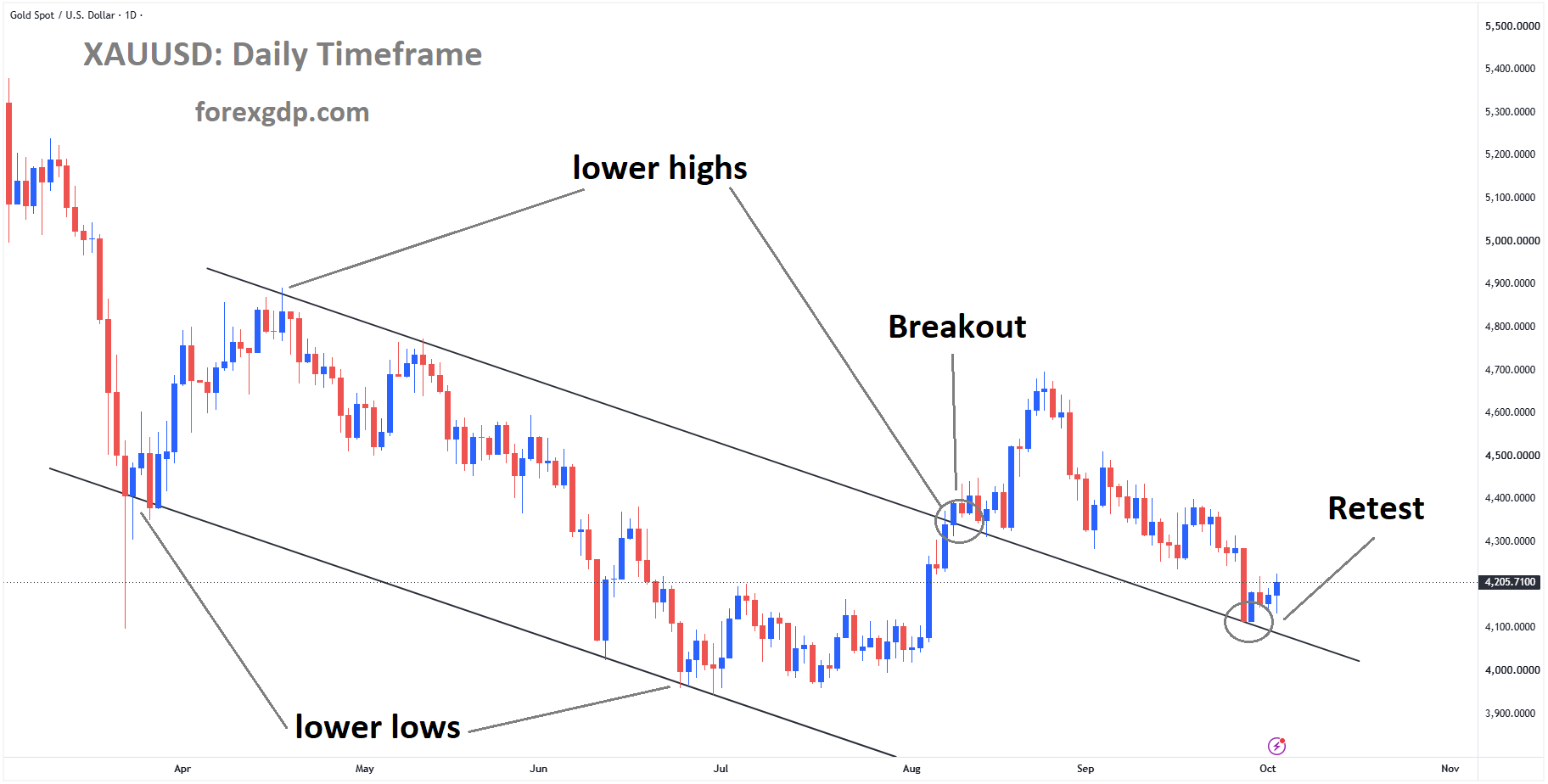
XAUUSD is rebounding from the retest area of the broken descending channel
Gold may attract buyers seeking protection from these risks. Yet the same developments can support the Dollar and strengthen inflation concerns, both of which may work against the metal.
This helps explain the cautious mood. Investors are weighing gold’s appeal during uncertainty against the effects of a firm US currency and elevated yields.
Further developments in the region could change that balance quickly, especially if they alter expectations for oil supplies or the direction of US monetary policy.
Final Summary
Gold faces several competing influences as investors await the US Nonfarm Payrolls report. Employment and wage figures could reshape Federal Reserve expectations, with consequences for the Dollar, bond yields, and demand for the precious metal.
A firm Dollar and elevated yields remain challenges, while energy-related inflation concerns complicate the policy outlook. Middle East tensions add potential demand for gold but also support other defensive assets.
The next meaningful shift in sentiment will depend on whether the jobs report and subsequent developments give investors a clearer view of interest rates and economic conditions.