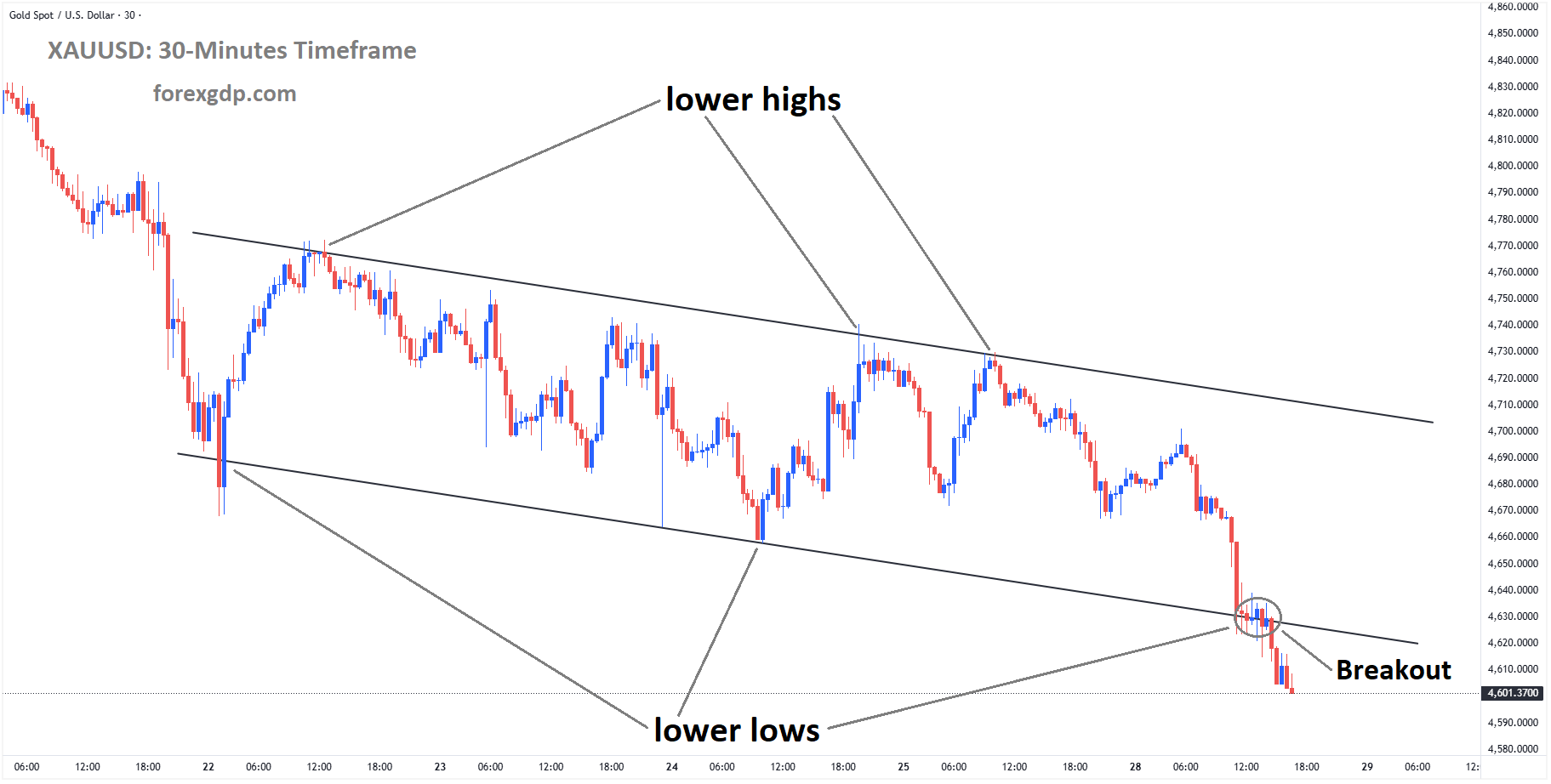
XAUUSD has broken the descending channel on the downside
Gold prices have slipped to their lowest level in nearly a month, reflecting a mix of global uncertainty, rising inflation concerns, and a stronger US Dollar. Investors are closely watching geopolitical developments, especially the ongoing situation involving the United States and Iran, while also keeping an eye on central bank decisions that could influence the direction of the precious metal.
Why Gold Prices Are Falling
Gold has long been seen as a safe-haven asset, often rising during times of uncertainty. However, the current market environment is presenting a different picture. Instead of climbing, gold prices are under pressure, and there are a few key reasons behind this trend.
Strength of the US Dollar
One of the biggest factors weighing on gold is the strength of the US Dollar. When the dollar becomes stronger, gold tends to become more expensive for buyers using other currencies. This reduces demand and puts downward pressure on prices.
The US Dollar Index, which measures the value of the dollar against major global currencies, has shown resilience. Even after minor dips, it has recovered quickly, signaling continued confidence in the currency. This strength is partly driven by global uncertainty, as investors often turn to the dollar during unstable times.
Limited Progress in US-Iran Talks
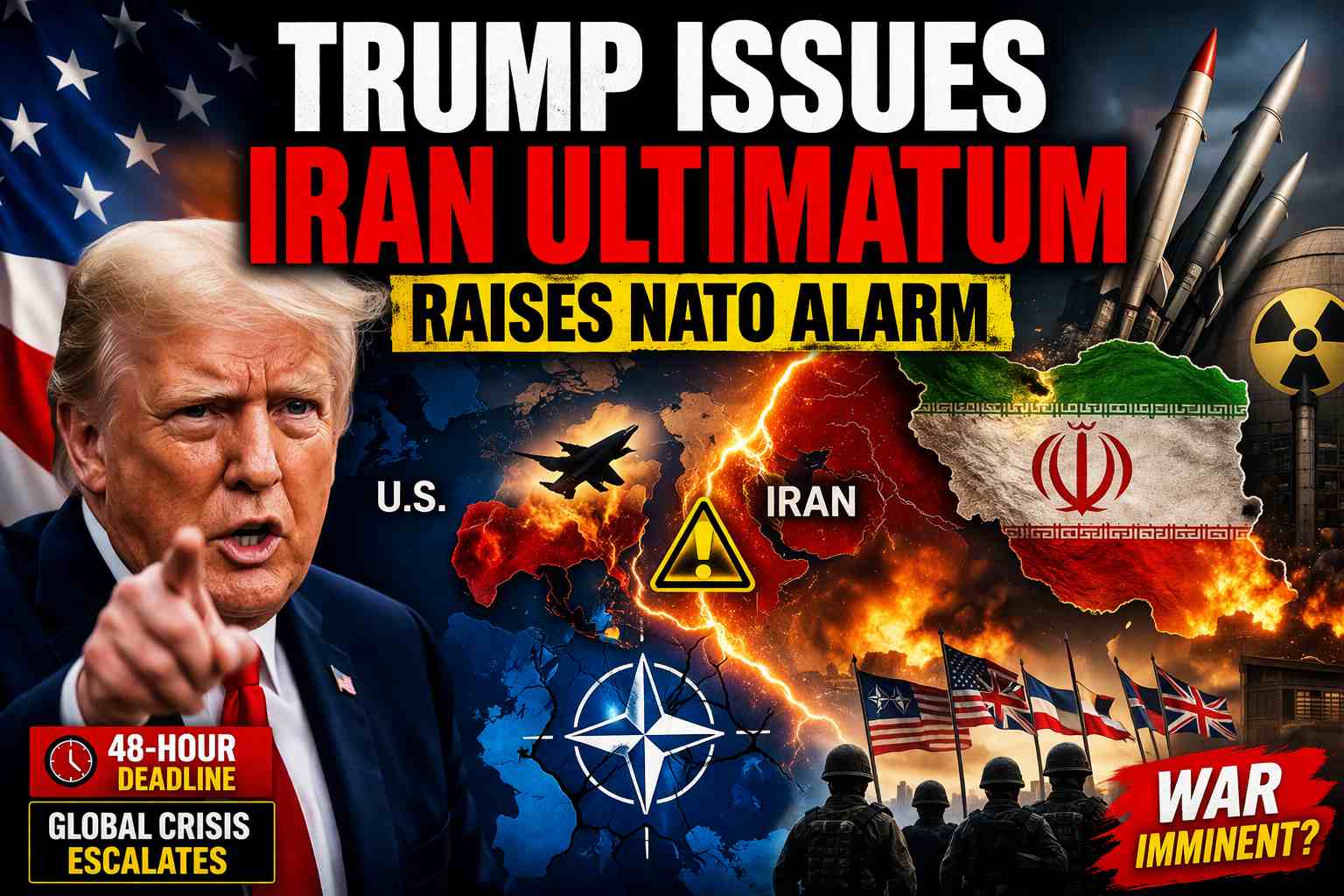
Geopolitical tensions are another major influence. It has been two months since military actions involving the United States, Israel, and Iran began. While a ceasefire seems to be holding, there has been little progress toward meaningful peace discussions.
The United States is currently reviewing proposals from Iran, but early signals suggest hesitation from American leadership. The lack of clear direction in these negotiations is keeping markets cautious. This uncertainty is helping support the US Dollar rather than boosting gold, which is somewhat unusual compared to past trends.
Rising Oil Prices and Inflation Concerns
Another important factor affecting gold is the rise in oil prices. Disruptions in supply, particularly around the Strait of Hormuz, are keeping oil prices elevated. This region is a critical route for global energy shipments, and any blockage or slowdown can quickly impact supply.
Impact of Supply Disruptions
A dual blockade in the region has reduced the flow of oil, leading to higher prices. When oil becomes more expensive, it often increases the cost of goods and services across the economy. This creates inflationary pressure, which central banks must respond to carefully.
Inflation and Interest Rates
Higher inflation usually leads to higher interest rates. Central banks, especially the US Federal Reserve, may keep borrowing costs elevated for longer to control rising prices. There is even speculation that rates could increase further if inflation does not ease.
This environment is not favorable for gold. Unlike stocks or bonds, gold does not provide any income or yield. When interest rates rise, investors often prefer assets that offer returns, making gold less attractive.
Market Focus on Federal Reserve Policy
The Federal Reserve plays a central role in shaping market expectations. Investors are now turning their attention to the upcoming policy decision, which is expected to maintain current interest rates.
What Investors Are Watching
While no immediate rate change is expected, the focus is on the Fed’s forward guidance. This means investors are more interested in what the central bank signals about future policy moves.
If the Fed indicates a continued commitment to keeping rates high, it could further pressure gold prices. A firm stance on controlling inflation would likely strengthen the US Dollar even more, adding to the challenges gold is already facing.
Opportunity Cost of Holding Gold
The concept of opportunity cost is key here. When interest rates are high, holding gold becomes less appealing because investors miss out on earning interest from other assets. This shift in preference can lead to reduced demand for gold and lower prices.
Key Economic Data to Watch
Beyond central bank decisions, economic data also plays a significant role in shaping market sentiment. Several important indicators are on investors’ radar.
Employment and Consumer Confidence
Reports such as the ADP Employment Change and the Consumer Confidence Index provide insights into the health of the economy. Strong data could reinforce expectations of higher interest rates, while weaker data might ease some of the pressure on gold.
These indicators help investors understand whether the economy is strong enough to handle higher borrowing costs or if there might be a need for policy adjustments.
Ongoing Geopolitical Developments
At the same time, developments related to US-Iran relations remain a key factor. Any progress toward peace talks or a resolution could shift market sentiment quickly. On the other hand, continued delays or rising tensions may keep uncertainty high, influencing both the US Dollar and gold.
Market Sentiment and Investor Behavior
The current market environment highlights how different factors can interact in unexpected ways. Traditionally, gold benefits from uncertainty, but this time, the strength of the US Dollar and rising interest rate expectations are dominating the narrative.
Fragile Risk Sentiment
Investors remain cautious, with risk sentiment described as fragile. This means markets are sensitive to new information, and even small developments can lead to significant price movements.
Shifting Preferences

XAUUSD is moving in a descending channel, and the market has reached the lower high area of the channel
There is also a noticeable shift in investor preferences. Instead of turning to gold, many are choosing the US Dollar as their safe haven. This change is influencing the overall demand for gold and contributing to its recent decline.
Summary
Gold prices have fallen to a near one-month low as multiple forces shape the market. A strong US Dollar is making gold more expensive for global buyers, while stalled US-Iran negotiations are adding to uncertainty without boosting demand for the metal. At the same time, rising oil prices are fueling inflation concerns, leading to expectations that interest rates will remain high for an extended period.
With the Federal Reserve expected to maintain its current stance, investors are focusing on future guidance and economic data to understand what comes next. Until there is more clarity on global tensions and inflation trends, gold may continue to face pressure in the near term.