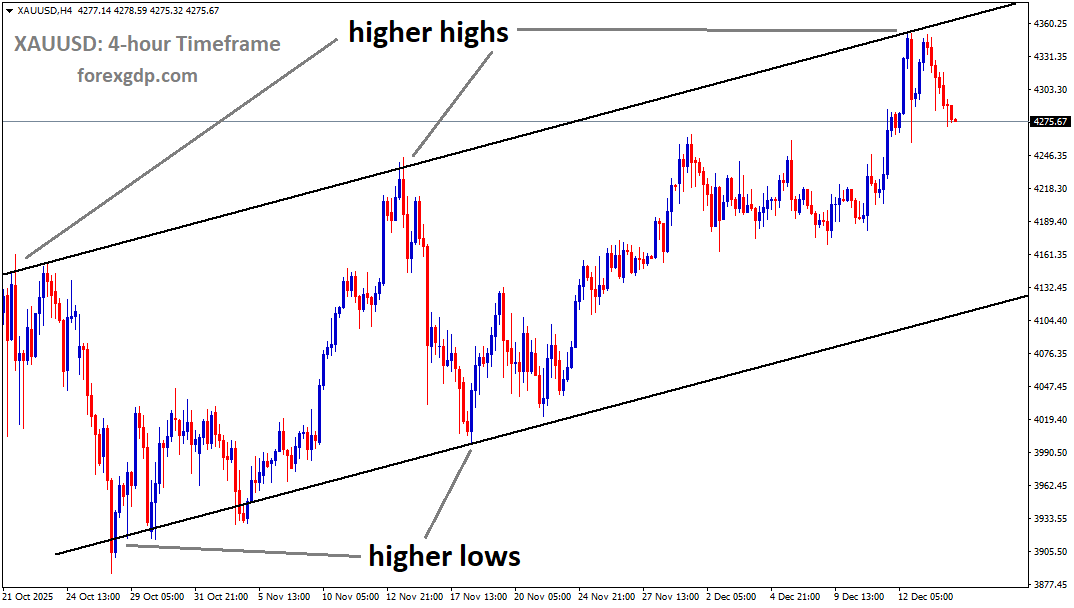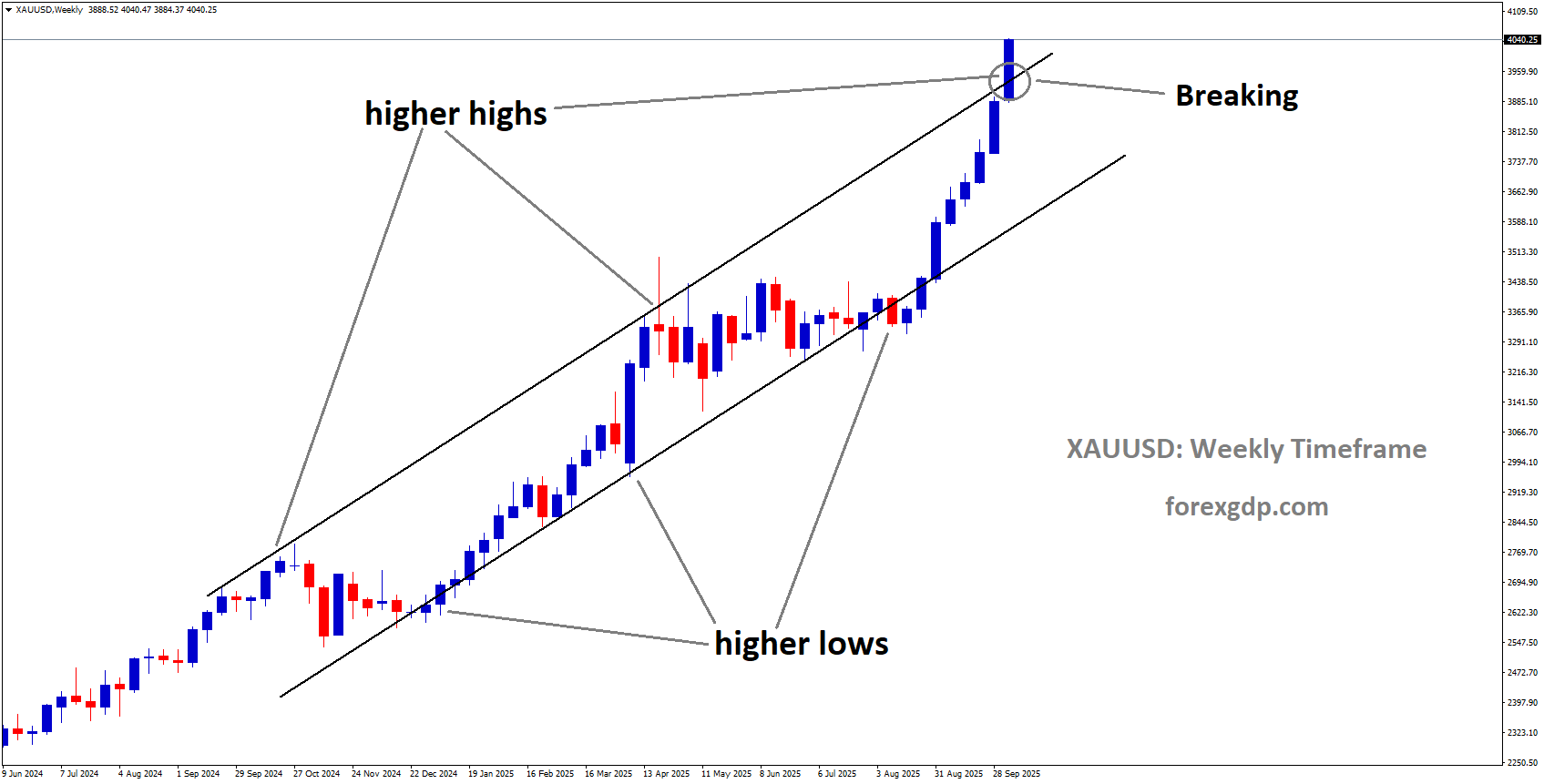
XAUUSD is breaking the higher high area of the Ascending channel
Gold has always been seen as a symbol of security, wealth, and stability. And once again, the precious metal is proving its worth as investors around the world rush to buy it. With growing worries about the economy, a possible U.S. government shutdown, and expectations of interest rate cuts by the Federal Reserve, gold continues to attract attention. Despite a strong U.S. dollar, the enthusiasm for gold hasn’t faded. Let’s take a closer look at what’s driving this renewed wave of demand for the yellow metal and what it could mean in the coming months.
The Growing Appeal of Gold in Uncertain Times
Why Investors Are Turning Back to Gold
When global markets become unpredictable, investors often search for assets that can hold their value. Gold, being a “safe-haven” asset, fits this role perfectly. It doesn’t rely on the performance of governments or companies, and it’s not affected by inflation or currency devaluation in the same way paper money is. Recently, several major factors have made gold even more appealing.
Firstly, growing speculation about interest rate cuts by the U.S. Federal Reserve has been a key driver. Many traders believe the Fed will reduce borrowing costs at least twice before the end of the year. When interest rates go down, the opportunity cost of holding non-yielding assets like gold decreases. That means investors are less worried about missing out on interest income, making gold a more attractive investment.

XAUUSD has broken the Ascending channel on the upside
Secondly, the possibility of a prolonged U.S. government shutdown has added a fresh layer of anxiety. Political standoffs that halt government operations can hurt economic growth and undermine confidence in financial markets. During such times, investors often rush to gold to protect their wealth from potential market downturns.
Global Demand Is Strengthening
The demand for gold isn’t just rising among individual investors—it’s also climbing on a larger, institutional level. According to data from the World Gold Council, investment in bullion-backed exchange-traded funds (ETFs) has reached record highs this year. In fact, investors added billions of dollars’ worth of gold to their portfolios in just a few months. This trend highlights how major investors are preparing for potential market shocks and uncertainties that could hit other asset classes.

Central Banks Are Quietly Building Their Gold Reserves
Diversification Away from the Dollar
Central banks play a major role in shaping global financial stability, and lately, many have been increasing their gold holdings. The goal? Diversification. For decades, most central banks held large portions of their reserves in U.S. dollars and Treasury bonds. But with rising debt levels in the United States and fluctuating currency values, many nations are rethinking their strategies.
Gold provides a stable alternative that isn’t tied to any single country’s economy. In recent months, several central banks—led by countries like Kazakhstan—have been adding more gold to their reserves. This growing accumulation reflects a broader global movement to reduce dependence on the U.S. dollar as the world’s primary reserve currency.
A Strategic Long-Term Move
This isn’t a short-term reaction. Central banks understand that economic cycles come and go, but gold maintains its value over time. By steadily increasing their gold reserves, they’re building a financial buffer against potential future crises, currency fluctuations, or geopolitical tensions. When official institutions start accumulating gold, it sends a strong signal to private investors that the metal remains a cornerstone of financial security.
The U.S. Dollar Factor: Why Gold Still Stands Strong
Rising Dollar, Yet Gold Holds Firm
Under normal circumstances, a stronger U.S. dollar tends to weigh on gold prices because it makes the metal more expensive for foreign buyers. However, what’s happening now is rather unique. Despite the dollar climbing to its highest level in months, gold continues to attract strong buying interest. This suggests that investors are prioritizing safety over short-term exchange rate fluctuations.
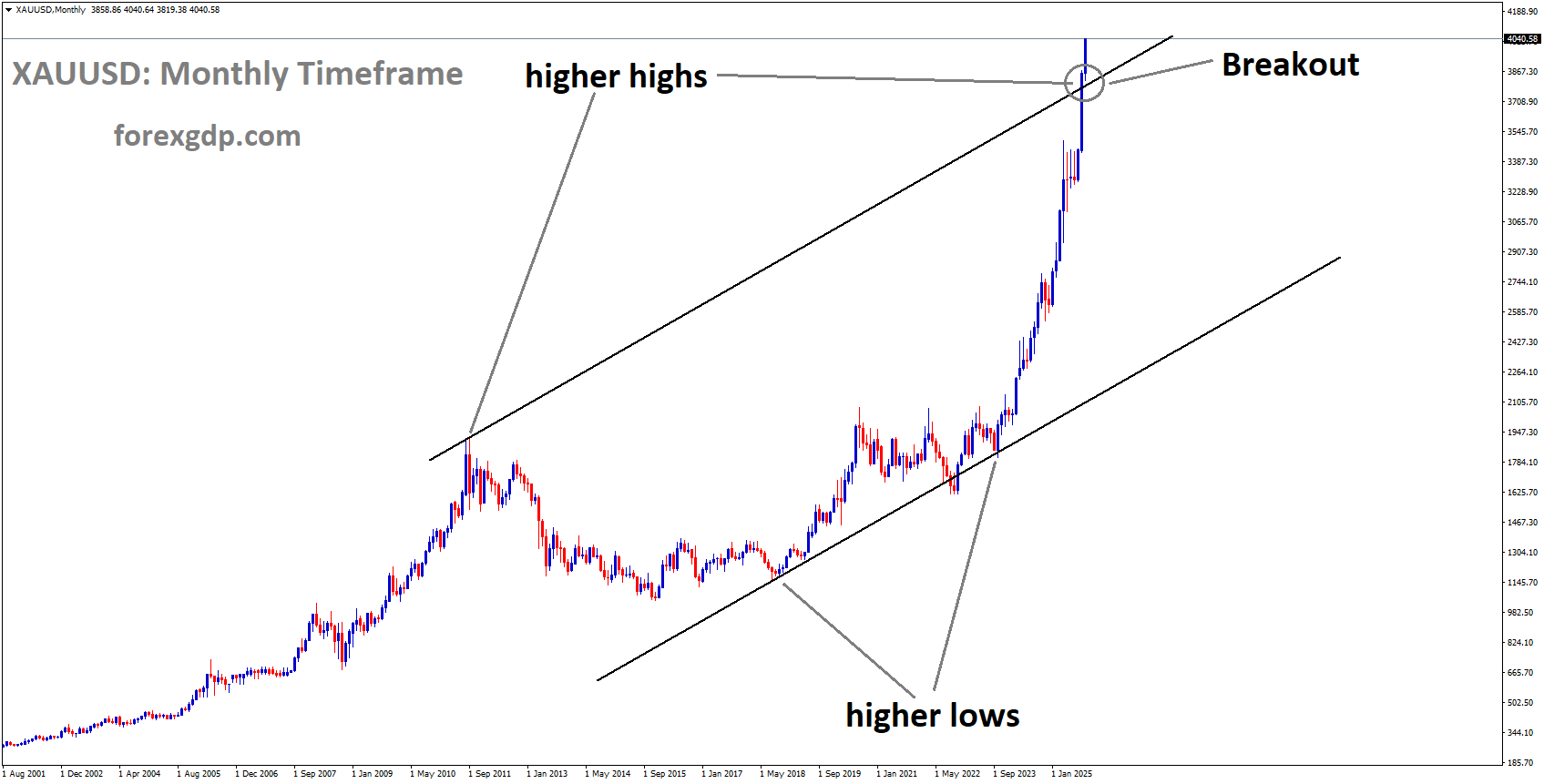
XAUUSD is breaking the higher high area of the uptrend channel
The U.S. dollar’s recent strength has been driven by global economic uncertainties and political instability in other regions, such as Europe and Japan. Yet even with this, gold remains in high demand. This shows that investors aren’t just seeking returns—they’re seeking protection. And in times like these, gold’s reputation as a safe-haven asset becomes even stronger.
What Traders Are Watching Next
All eyes are now on the Federal Reserve’s upcoming meeting minutes and the next public appearances from key policymakers. Investors are hoping for clearer guidance about how the Fed plans to manage interest rates going forward. Any hint of additional rate cuts could provide another wave of support for gold. On the other hand, if the Fed adopts a more cautious tone, we might see short-term pauses in gold buying. But overall, the long-term sentiment remains optimistic.
Why Gold Remains the Star of Safe-Haven Investments
Investor Confidence Keeps Growing
Gold’s current rally isn’t just about short-term market movements—it’s about a broader shift in investor sentiment. With inflation still lingering in many parts of the world, global trade uncertainties, and rising public debt levels, confidence in traditional investments is weakening. This makes gold’s timeless appeal even stronger. Whether it’s geopolitical tensions, currency instability, or slowing growth, gold remains a symbol of reliability when other assets falter.

ETFs and Retail Investors Add Momentum
The surge in gold-backed ETFs shows how institutional investors are embracing gold again. At the same time, retail investors—ordinary people looking to protect their savings—are also showing increased interest. Many are turning to gold as a way to balance their portfolios and reduce exposure to volatile markets like stocks or cryptocurrencies.
This dual demand—from both professional and individual investors—is what keeps gold’s upward momentum alive. Unlike previous rallies driven by speculation, today’s demand appears to be based on genuine concerns about global stability and a long-term view of wealth preservation.
Final Summary
Gold’s resilience in the face of economic and political uncertainty highlights its unmatched role in global finance. Even as the U.S. dollar strengthens and central banks adjust their monetary policies, the appetite for gold continues to grow. With investors anticipating further interest rate cuts, ongoing concerns about the U.S. government shutdown, and rising global demand from both individuals and central banks, the outlook for gold remains bright.
What makes this phase particularly interesting is how widespread the confidence in gold has become. From large financial institutions to individual investors, everyone seems to be seeking the same thing—stability. In a world full of economic shocks and policy shifts, gold continues to shine as the ultimate safeguard for wealth.
In the months ahead, the focus will remain on central bank actions, inflation trends, and the broader global economic climate. But no matter what happens, one thing seems certain—gold isn’t going anywhere. Its value as a trusted store of wealth and a reliable hedge against uncertainty remains as strong as ever.