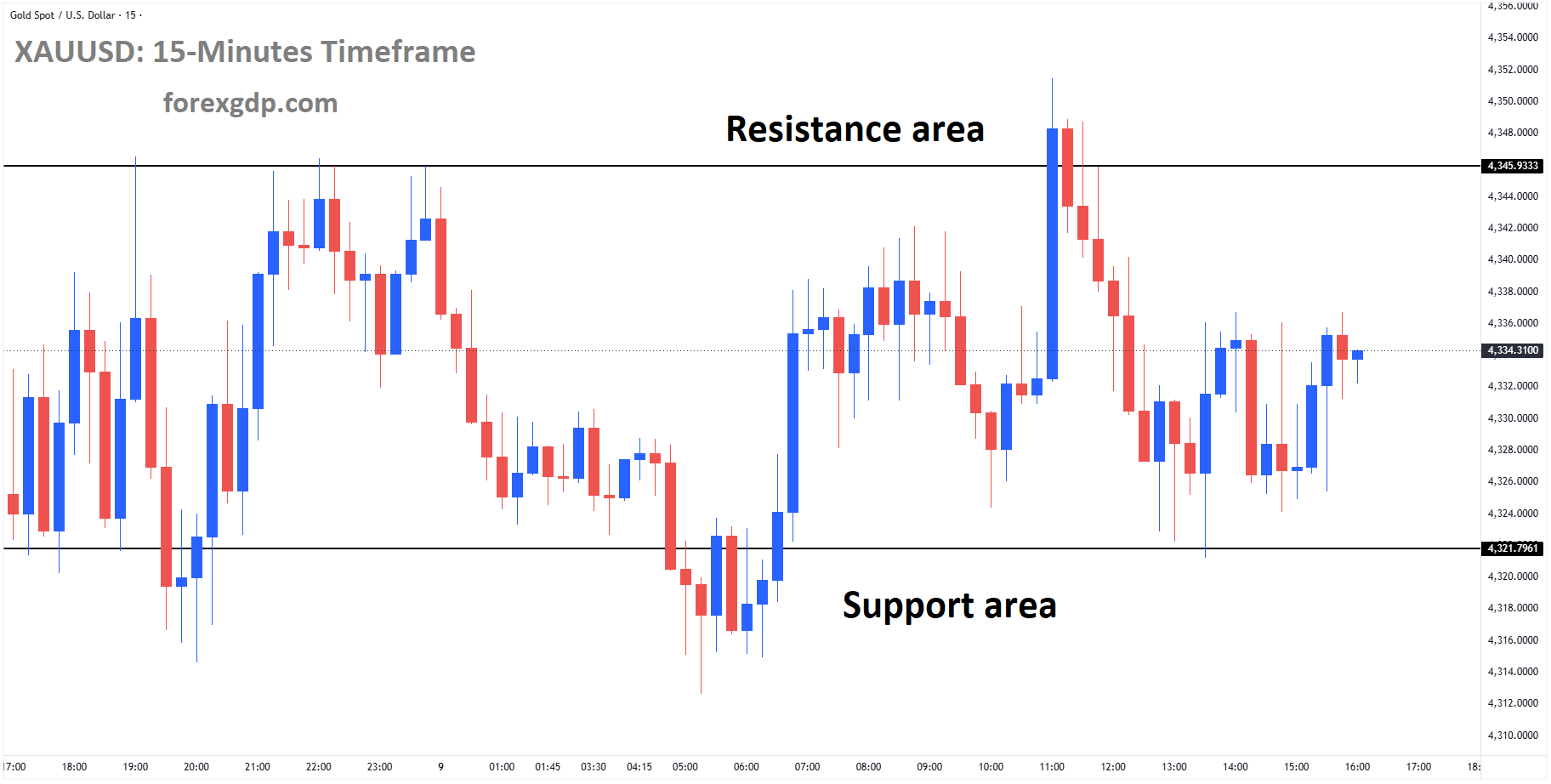
XAUUSD is moving in a box pattern, and the market has rebounded from the support area of the pattern
Gold prices remained relatively stable during Tuesday’s trading session, holding close to their lowest level in more than three months. The precious metal found some support after a recent rebound, but gains remained limited as investors balanced easing geopolitical tensions against expectations that US interest rates could stay higher for longer.
The market continues to navigate a mix of global developments, including the situation in the Middle East, movements in the US Dollar, and upcoming economic data that could influence the Federal Reserve’s next policy decisions.
Gold Finds Support as US Dollar Pulls Back
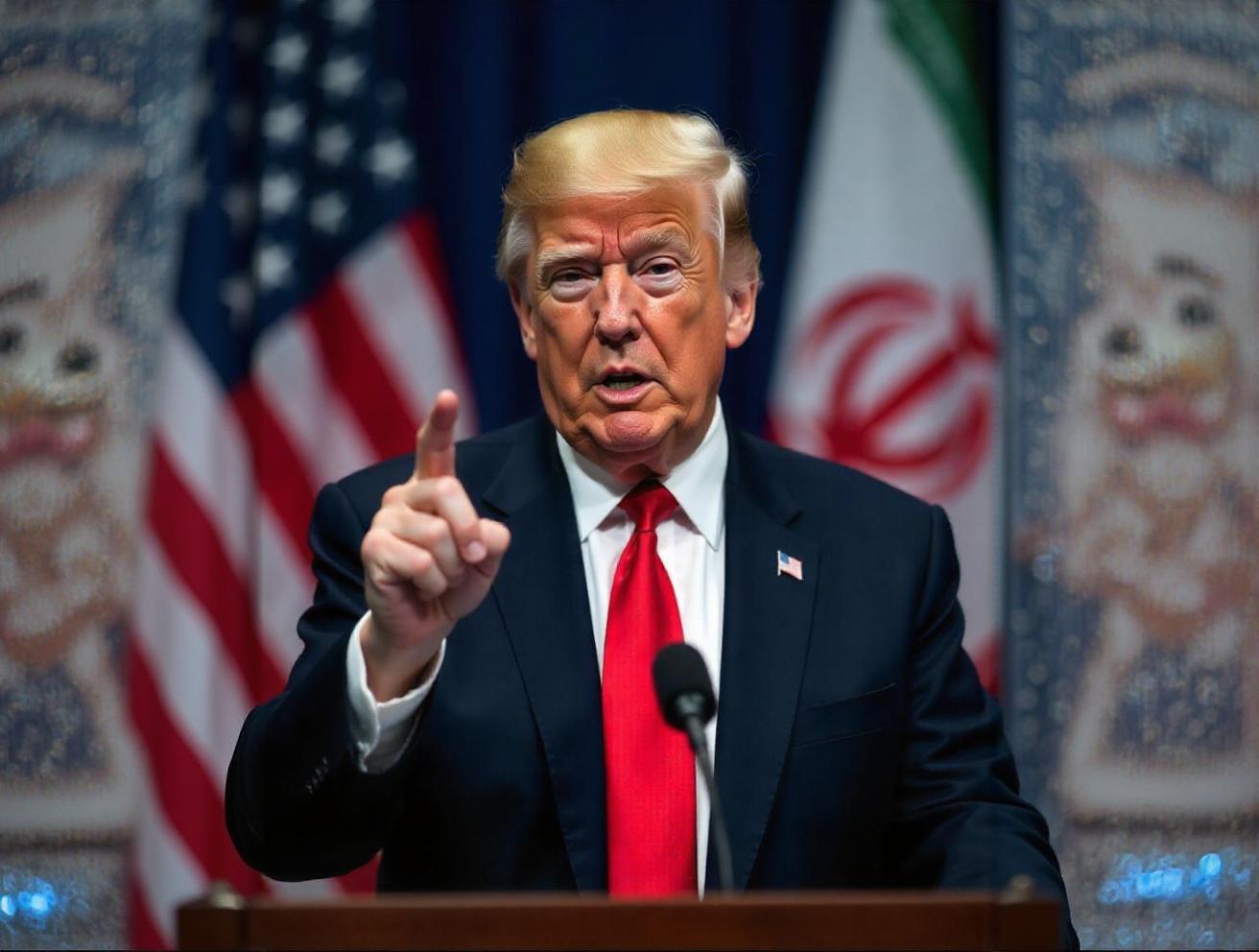
One of the key factors helping gold stabilize was a retreat in the US Dollar. The currency weakened after reports indicated that Israel and Iran had paused direct attacks against each other following diplomatic efforts led by US President Donald Trump.
The reduction in immediate military tensions eased demand for the Dollar, which is often viewed as a safe-haven asset during periods of uncertainty. As the Dollar weakened, gold became more attractive to international buyers because the metal is priced in US currency.
Despite this support, traders remain cautious. Many investors are waiting for clearer signs that tensions in the Middle East are genuinely easing before making larger moves in the gold market.
Middle East Uncertainty Continues to Influence Markets
Although both Israel and Iran have signaled a halt in hostilities, broader diplomatic challenges remain unresolved.
Negotiations involving the United States and Iran continue to face significant obstacles, particularly regarding Iran’s nuclear program. Washington has maintained that any future agreement must prevent Iran from developing nuclear weapons. Meanwhile, Iran is seeking several major concessions, including the removal of international sanctions, access to frozen financial assets, and recognition of its authority over important regional waterways.
These differences highlight how far apart the two sides remain on key issues. As a result, investors continue to monitor developments closely, knowing that any deterioration in relations could quickly increase market volatility.
This ongoing uncertainty has helped maintain some demand for safe-haven assets such as gold, even as immediate military tensions appear to have cooled.
Shipping Disruptions Keep Inflation Concerns Alive
Another important factor affecting financial markets is the continued disruption to shipping activity through the Strait of Hormuz, one of the world’s most critical energy transportation routes.
Restrictions and uncertainty surrounding this strategic passage have contributed to instability in energy markets. Higher energy costs can eventually translate into broader inflation pressures across economies, creating challenges for central banks.
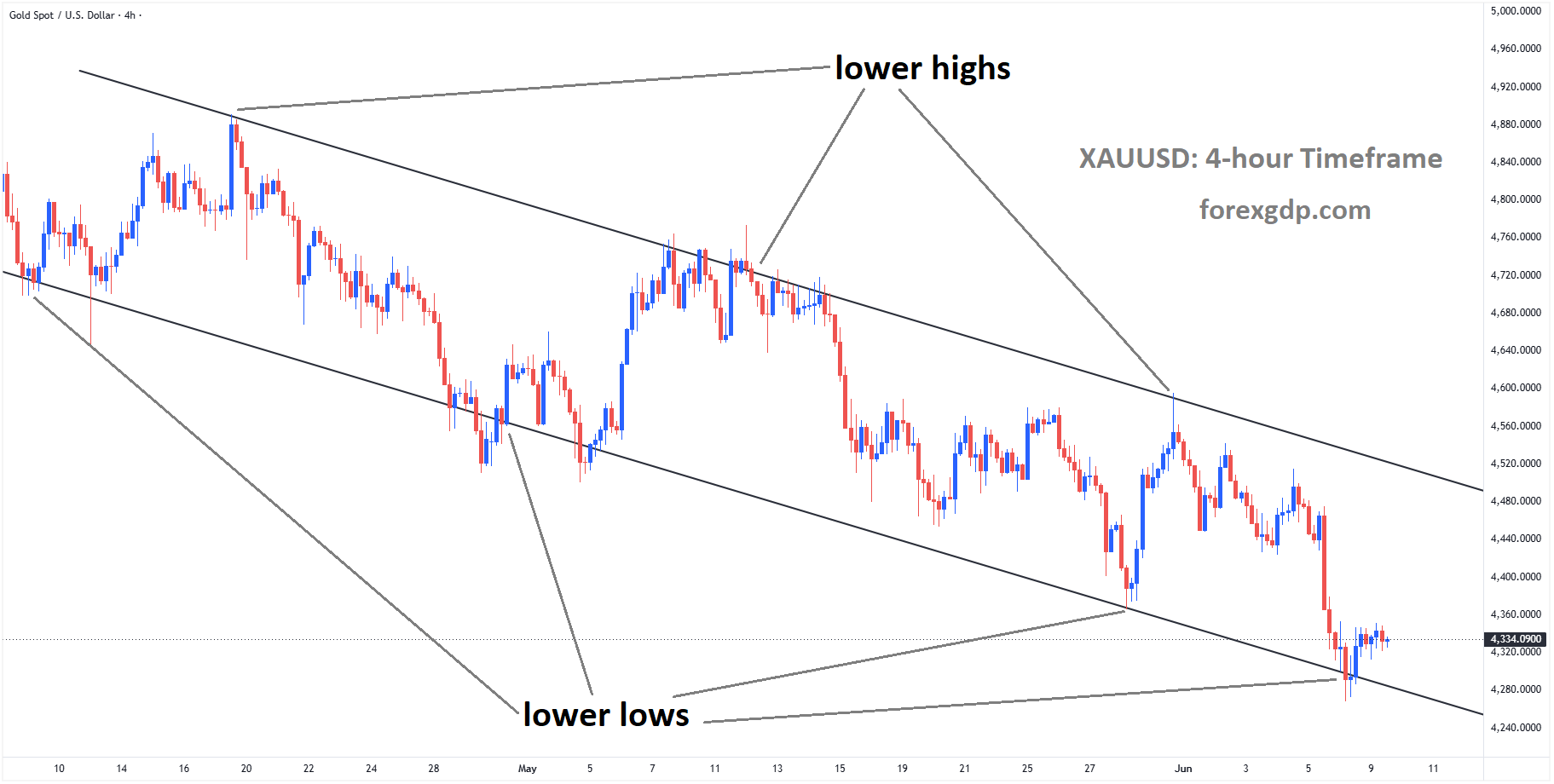
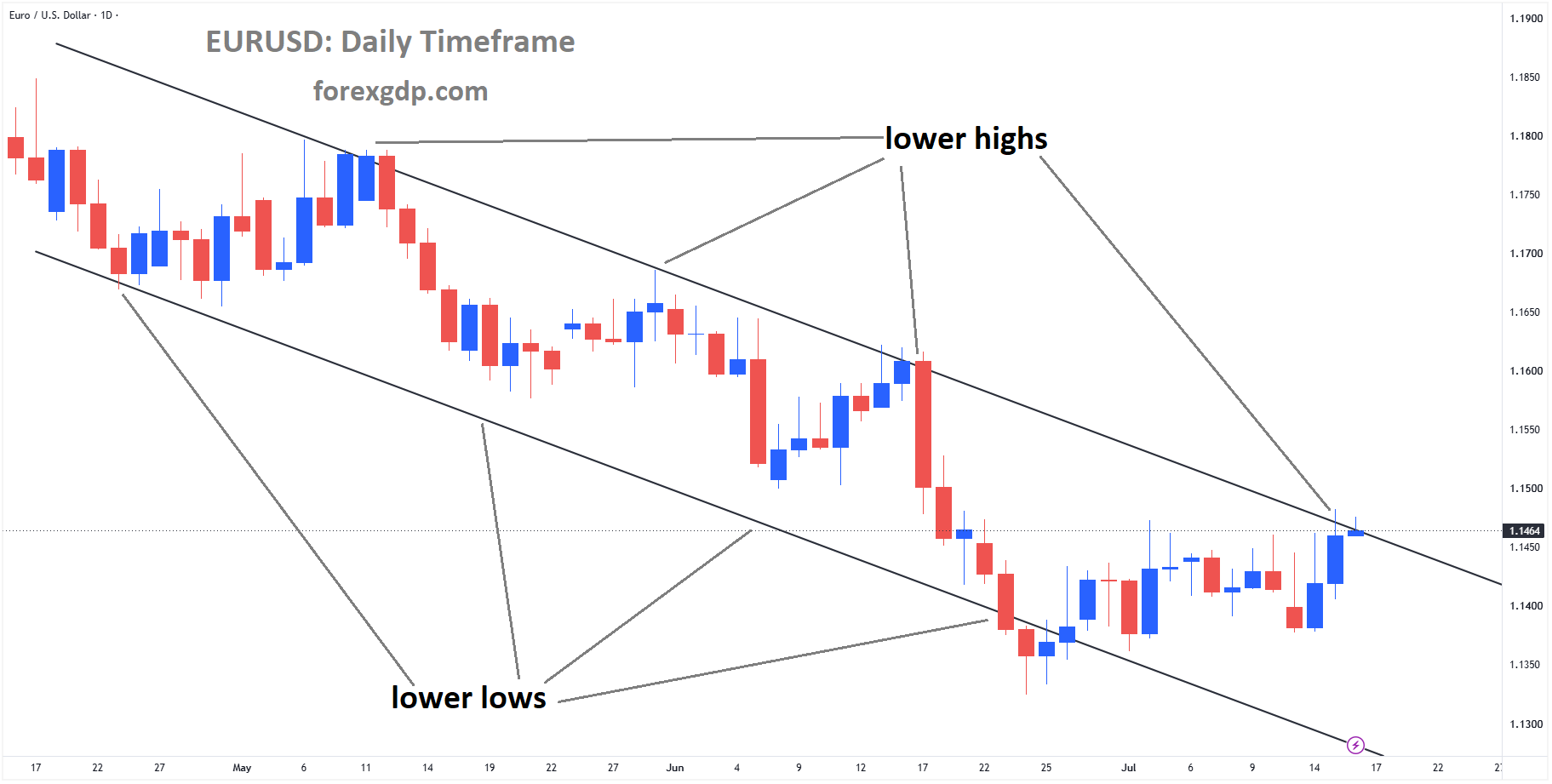
XAUUSD is moving in a descending channel, and the market has rebounded from the lower low area of the channel
Investors are increasingly concerned that persistent inflation could force policymakers to maintain a tougher stance on monetary policy. Such expectations have become a major influence on gold prices in recent weeks.
Federal Reserve Expectations Limit Gold’s Upside
While geopolitical concerns have offered some support to gold, expectations surrounding the US Federal Reserve continue to act as a major obstacle for stronger gains.
Market participants increasingly believe that the central bank may keep interest rates elevated for an extended period. Some investors even see the possibility of additional policy tightening if inflation remains stubbornly high.
These expectations have supported US Treasury bond yields, which remain elevated. Higher bond yields generally reduce the appeal of gold because the metal does not generate interest or income.
When investors can earn stronger returns from government bonds and other interest-bearing assets, demand for non-yielding assets like gold often becomes more limited.
As a result, even when gold receives support from geopolitical uncertainty, rising yields can prevent the metal from making significant upward moves.
Focus Shifts to Key US Inflation Data

Attention is now turning toward a series of important economic reports from the United States that could shape expectations for future Federal Reserve decisions.
The Consumer Price Index (CPI) report is scheduled for release on Wednesday, followed by the Producer Price Index (PPI) data on Thursday. These reports are closely watched because they provide insight into inflation trends across the economy.
If inflation remains higher than expected, investors may strengthen their expectations that the Federal Reserve will maintain a restrictive policy stance. On the other hand, signs of cooling inflation could reduce pressure on policymakers and potentially weaken the Dollar.
The outcome of these reports could have a significant impact on both currency markets and gold prices in the coming days.
Investors Remain Cautious Ahead of Major Catalysts
For now, many traders appear reluctant to make aggressive bets in either direction. The combination of geopolitical uncertainty, inflation concerns, and upcoming economic data has created a complex environment for financial markets.
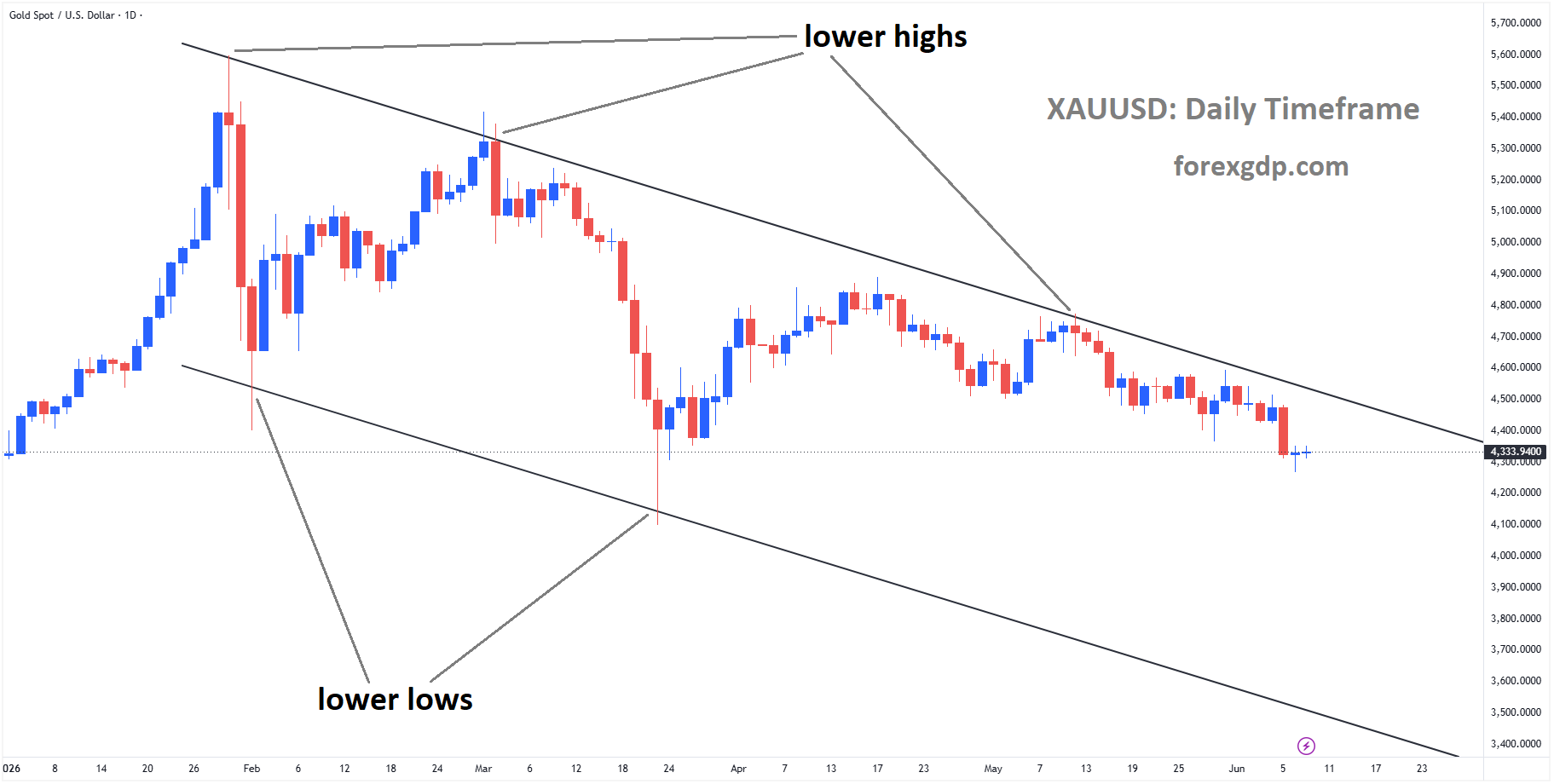
XAUUSD is moving in a descending channel, and the market has fallen from the lower high area of the channel
Any new developments involving Iran, Israel, or broader Middle East diplomacy could quickly influence investor sentiment. At the same time, inflation figures from the United States will provide fresh clues about the Federal Reserve’s future policy path.
Because of these competing factors, gold continues to trade within a relatively narrow range as market participants wait for stronger signals.
Summary
Gold prices are holding steady after recovering from their lowest levels since late March, supported by a weaker US Dollar and lingering geopolitical uncertainty in the Middle East. However, expectations that the Federal Reserve may keep interest rates elevated continue to limit the metal’s upside potential.
Investors are closely watching developments surrounding US-Iran relations, disruptions in energy markets, and upcoming US inflation reports. These factors are likely to determine the next major move for gold, while caution remains the dominant theme across financial markets.