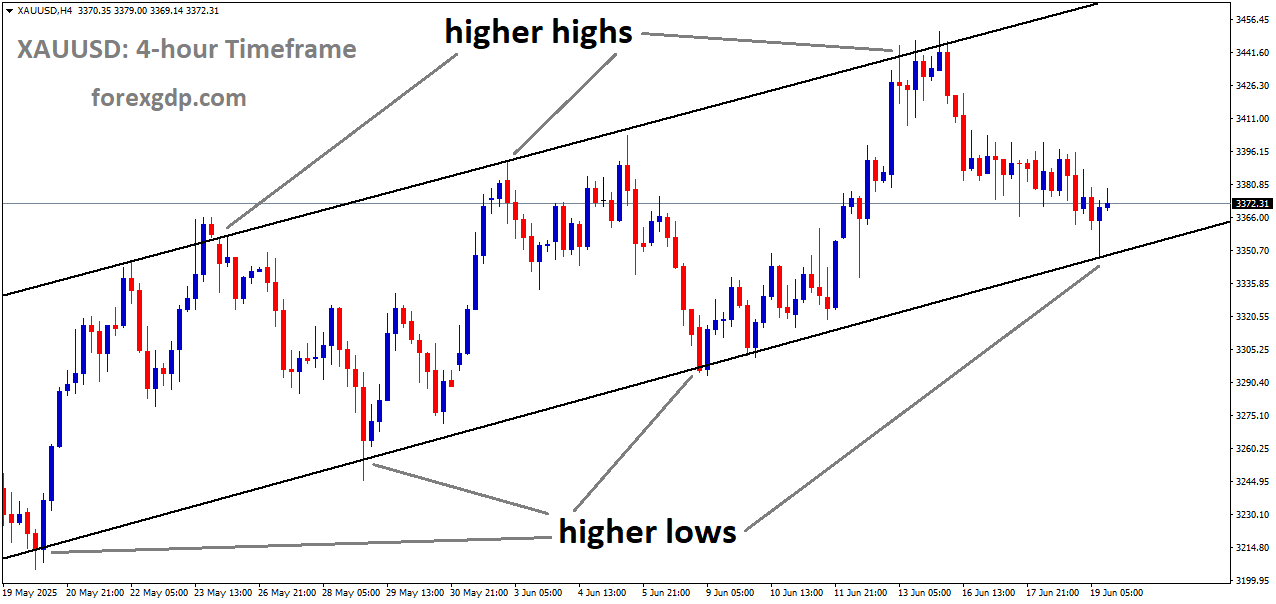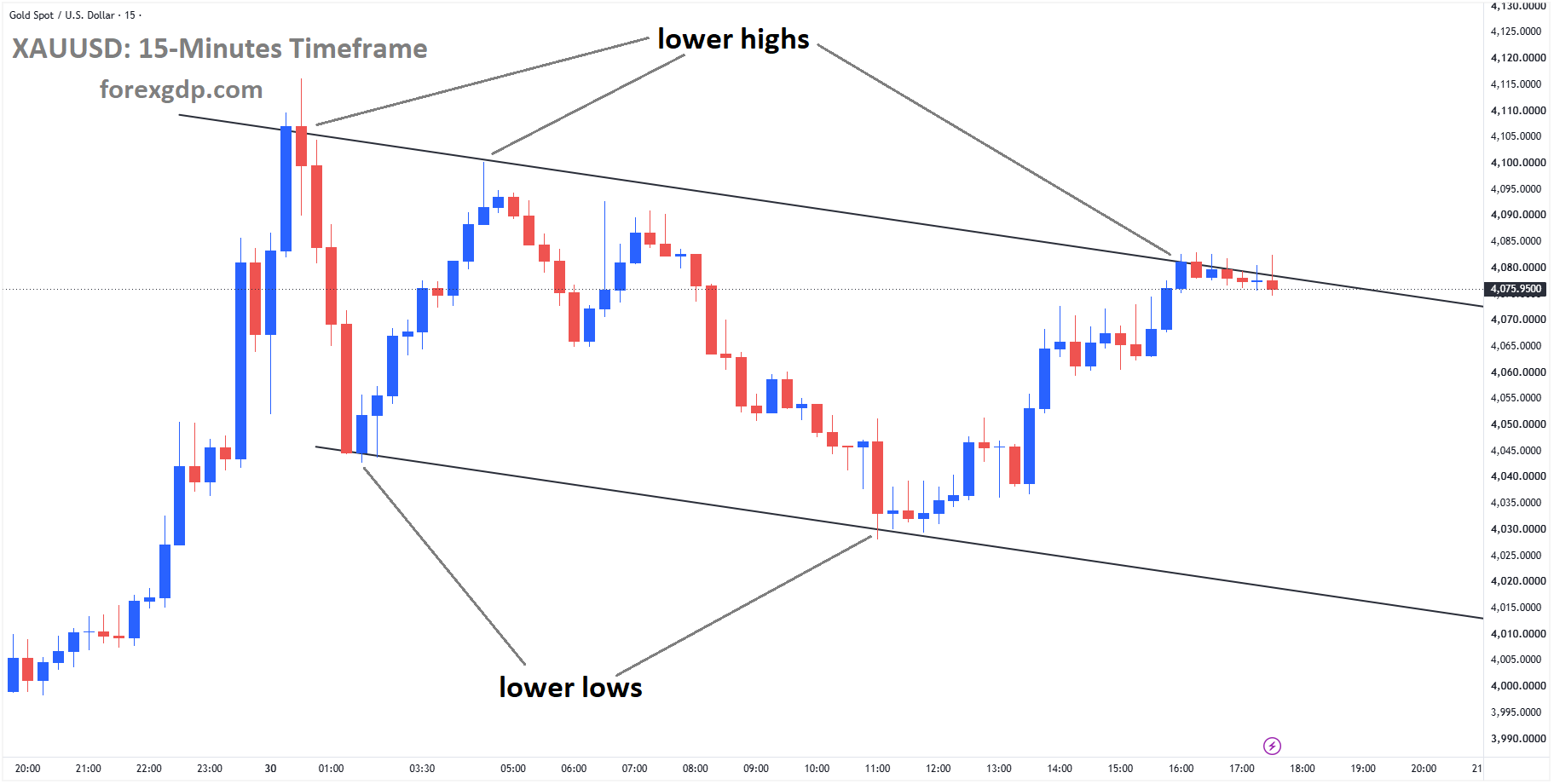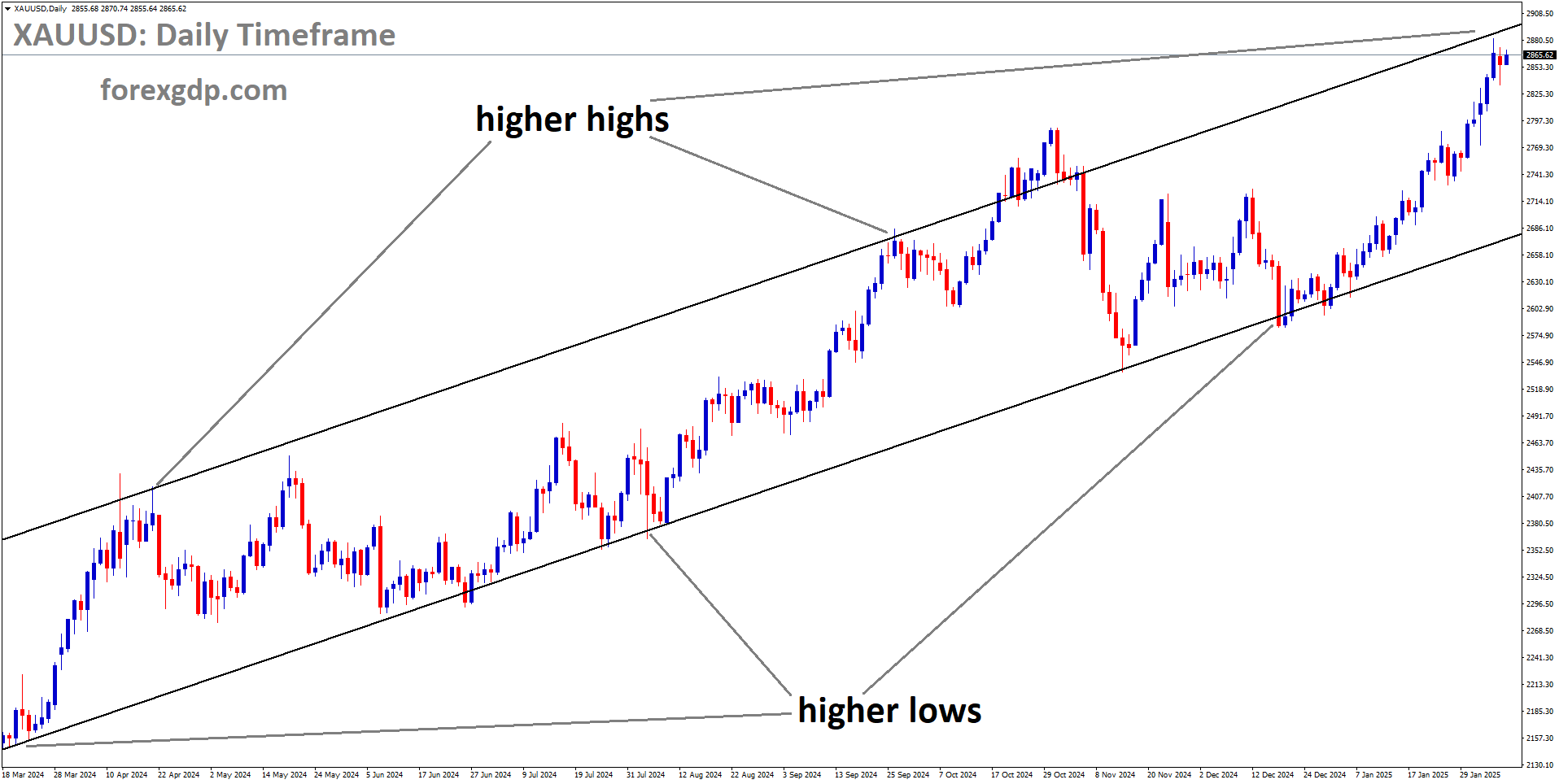

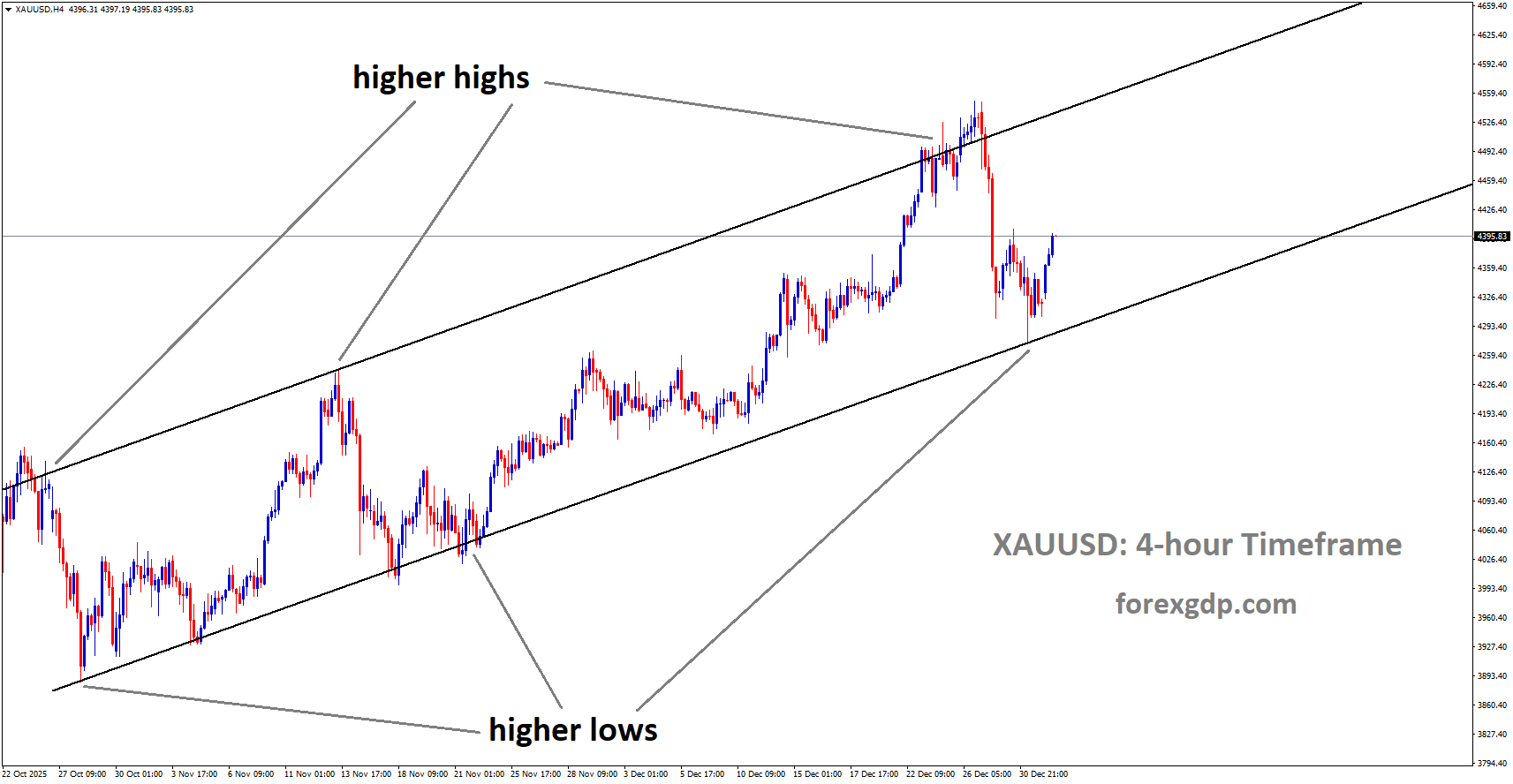
XAUUSD is moving in an uptrend channel, and the market has rebounded from the higher low area of the channel
Gold has continued to attract strong interest as investors look for stability in an uncertain global environment. Growing expectations that the US Federal Reserve may lower interest rates in the coming years, combined with rising geopolitical tensions, have helped keep demand for the precious metal firm. At the same time, new trading requirements introduced by major exchanges could slow the pace of gains by making gold trades more expensive to hold.
This mix of supportive long-term drivers and short-term constraints is shaping how investors view gold as both a store of value and a strategic asset.
Why Interest Rate Expectations Matter for Gold
One of the biggest forces influencing gold right now is the outlook for US interest rates. The Federal Reserve recently reduced borrowing costs, bringing its benchmark rate to a lower range. While policymakers agree that inflation needs to continue cooling, many officials believe further rate cuts may be appropriate over time.
This matters because gold does not pay interest. When interest rates are high, investors often prefer assets that generate income, such as bonds or savings accounts. When rates fall, the opportunity cost of holding gold decreases, making it more attractive in comparison.
Lower Rates and Investor Behavior
As expectations grow for future rate reductions, especially beyond the near term, gold tends to benefit. Investors begin to position themselves early, anticipating a prolonged period of easier monetary policy. Even the possibility of lower rates can support gold prices, as markets often move ahead of official decisions.
Economic data from the United States will continue to play a key role in shaping these expectations. Reports on employment, inflation, and consumer activity help investors assess how the economy is performing and whether the Federal Reserve has room to ease policy further. Strong or weak data can quickly shift sentiment, which is why traders watch these releases closely.
Gold’s Role as a Safe-Haven Asset

Beyond interest rates, gold remains one of the most trusted safe-haven assets during times of uncertainty. When political tensions rise or conflicts escalate, investors often seek assets that can hold their value even when financial markets become volatile.
Recent developments involving Russia and Ukraine have added to global unease. Accusations of drone attacks and strong responses from both sides have raised concerns about a possible escalation. Situations like these remind investors why gold has been valued for centuries as a form of financial protection.
Preserving Value During Uncertainty
Gold’s appeal during geopolitical stress comes from its history. Unlike paper currencies or financial contracts, gold is a physical asset that is not tied to the economic health of any single country. This makes it attractive when trust in governments or institutions is tested.
During periods of conflict or diplomatic strain, demand for gold often rises as investors look to reduce exposure to riskier assets. Even if tensions do not immediately worsen, the uncertainty alone can be enough to drive interest in gold higher.
The Impact of Trading Rules on Gold Markets
While the broader outlook for gold remains positive, some factors could limit how quickly prices move higher. One such factor is the decision by the Chicago Mercantile Exchange Group to raise margin requirements for gold, silver, and other metals.
Margin requirements determine how much cash traders must deposit to hold futures contracts. When these requirements increase, traders need more capital to maintain their positions. This can discourage speculative activity and reduce short-term trading volume.
Why Higher Margins Can Slow Momentum
Higher margin requirements are designed to reduce risk in volatile markets. By asking traders to commit more funds upfront, exchanges aim to protect against defaults if prices move sharply. While this adds stability, it can also lead some traders to scale back or close positions.
As a result, gold may see periods of consolidation as investors reassess their exposure. Some may choose to take profits after recent gains, while others may wait for clearer signals before increasing their positions again.
Balancing Long-Term Confidence With Short-Term Caution
The current gold market reflects a balance between strong long-term drivers and short-term caution. On one hand, expectations of lower interest rates and ongoing geopolitical risks provide solid support. On the other hand, tighter trading conditions and profit-taking can slow upward momentum.
Long-term investors often focus on gold’s role as a hedge against economic uncertainty, inflation risks, and political instability. For these investors, short-term fluctuations are less important than the broader trend and the asset’s ability to preserve value over time.
Short-term traders, however, may be more sensitive to changes in trading costs and market sentiment. For them, adjustments in margin requirements or shifts in economic data can influence decisions more quickly.
What to Watch Going Forward
Several factors will continue to shape the outlook for gold in the months ahead. Economic reports from the United States will remain central, as they influence expectations around monetary policy. Any signs that inflation is easing or that economic growth is slowing could strengthen the case for further rate cuts.
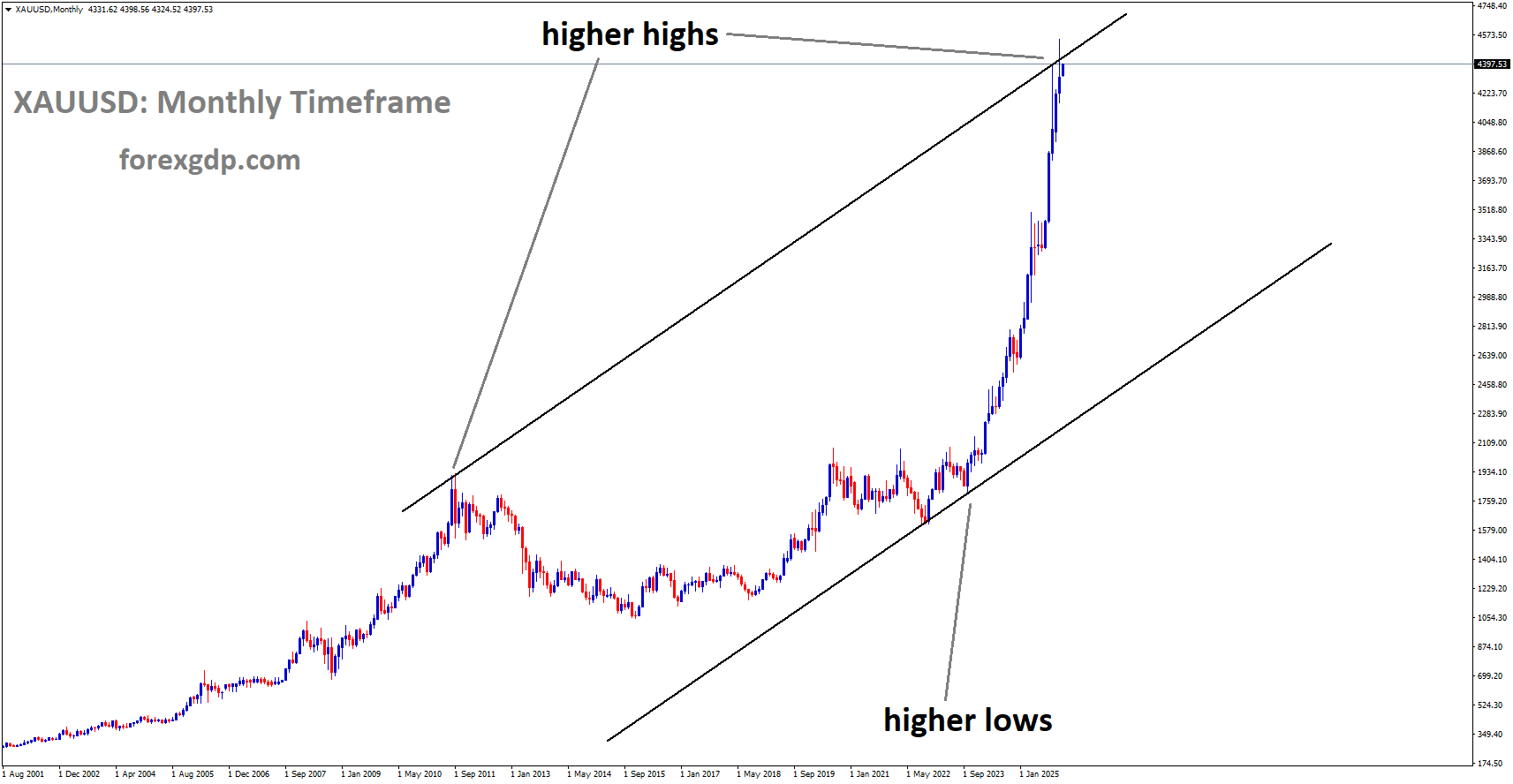
XAUUSD is moving in an uptrend channel, andthe market has reached a higher high area of the channel
Geopolitical developments will also stay in focus. Even if current tensions ease, new risks can emerge elsewhere, reinforcing gold’s role as a safe-haven asset. Investors tend to respond not only to events themselves but also to how unpredictable the global landscape feels.
Finally, changes in market rules and trading conditions will continue to affect short-term dynamics. While higher margin requirements may limit speculative activity, they do not change the underlying reasons many investors hold gold.
Final Summary
Gold continues to benefit from a combination of supportive factors, including expectations of lower US interest rates and persistent geopolitical uncertainty. These elements reinforce its appeal as a non-yielding asset that can preserve value during challenging times. At the same time, higher margin requirements introduced by major exchanges may slow short-term momentum by increasing trading costs and encouraging some investors to reduce exposure.
Overall, gold’s outlook remains closely tied to economic data, central bank policy signals, and global political developments. As long as uncertainty remains part of the global picture, gold is likely to stay an important asset for investors seeking stability and diversification.