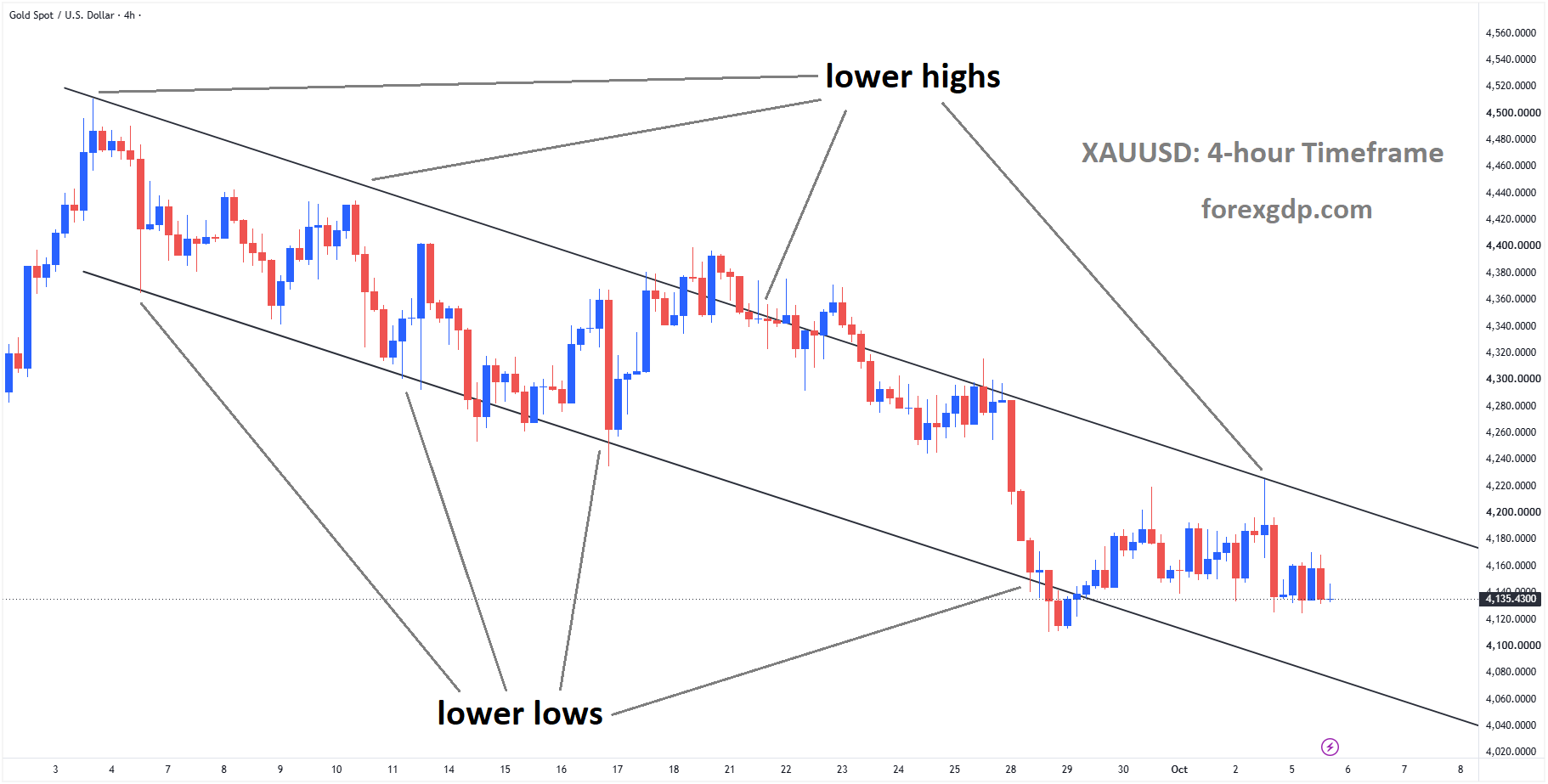
XAUUSD is moving in a descending channel, and the market has fallen from the lower high area of the channel
Gold remains relatively steady as investors weigh weaker US economic data against continued concerns about inflation and the future direction of Federal Reserve policy. Recent reports from the United States have reduced expectations for an immediate interest-rate increase, giving the precious metal some support. At the same time, a firm US Dollar and elevated Treasury yields are limiting stronger demand for Gold.
The current environment leaves investors with several factors to consider. Signs of weakness in employment and softer inflation have raised questions about whether the Federal Reserve needs to tighten policy again at its upcoming meeting. However, policymakers are still dealing with inflation that remains above their preferred level, while geopolitical tensions and energy-related risks could create renewed price pressures.
Weak US Employment Data Changes Fed Expectations
The latest US employment report delivered a much weaker picture than economists had expected. Job creation slowed sharply during September, while employment figures from previous months were also revised lower.
These revisions are important because they suggest that weakness in hiring may not be limited to a single month. Instead, businesses may be becoming more cautious about expanding their workforce as they adjust to restrictive borrowing conditions and uncertainty about the economic outlook.
The US unemployment rate also moved slightly higher, adding another sign that the labour market is gradually losing some of its earlier strength. Wage growth slowed as well, reducing concerns that rapidly rising salaries could continue feeding inflation.
For the Federal Reserve, employment conditions are an important part of the policy discussion. A strong labour market can give policymakers more freedom to keep interest rates restrictive because the economy appears capable of handling tighter financial conditions. A softer labour market makes that decision more difficult.
As a result, investors have significantly reduced expectations for another interest-rate increase at the Fed’s October meeting. This change in expectations has offered some support to Gold because the metal does not generate interest income and can become more attractive when expectations for higher borrowing costs decline.
Inflation Data Gives the Fed Another Reason for Caution
Employment was not the only area showing signs of moderation. Recent US inflation data also came in softer than expected, while some previous figures were revised lower.
This combination of weaker hiring and easing inflation pressure has encouraged investors to question whether another immediate increase in interest rates is necessary. If inflation continues moving in a favourable direction while economic activity gradually cools, the Federal Reserve could have more room to wait and study incoming data before making another policy adjustment.
However, the inflation story remains complicated.
Consumer price pressures have not completely disappeared, and inflation is still an important concern for policymakers. The Federal Reserve wants confidence that inflation is moving sustainably toward its long-term objective before becoming comfortable with a less restrictive policy stance.
Energy costs are another potential source of uncertainty. Continuing tensions in the Middle East could affect global energy markets, potentially increasing costs for businesses and consumers. A renewed increase in energy-driven inflation could make the Fed more cautious about declaring victory over price pressures.
This explains why weaker economic reports have reduced expectations for an immediate rate increase without completely removing the possibility of additional tightening later.
Federal Reserve Policy Remains the Main Focus
Investors are now trying to determine whether recent weak economic figures represent the beginning of a broader slowdown or simply temporary softness within an otherwise resilient US economy.
Some economists continue to believe that the Federal Reserve could raise interest rates further over the coming quarters. Their argument is based on the idea that the wider labour market remains healthier than the latest employment report alone suggests.
Other employment measures, including private-sector hiring information and jobless claims, can provide a broader picture of economic conditions. If these indicators remain relatively stable, Fed officials may continue to believe that the economy can withstand restrictive monetary policy.
Communication from Federal Reserve officials will therefore remain extremely important. Investors will closely examine comments from policymakers for clues about how they view the balance between slowing employment, moderating inflation and the possibility of renewed price pressures.
The Fed’s previous projections also indicated that policymakers were prepared to maintain a restrictive approach if inflation remained persistent. One weak employment report may not be enough to completely change that broader strategy.
Strong US Dollar Limits Gold Demand

Another major factor affecting Gold is the strength of the US Dollar.
The Greenback has received support from several sources, including uncertainty surrounding Europe. Political and fiscal concerns in France have placed pressure on the Euro, indirectly increasing demand for the US Dollar.
A stronger Dollar can create a difficult environment for Gold because the precious metal is internationally traded using the US currency. When the Dollar strengthens, Gold becomes more expensive for buyers using other currencies, which can reduce international demand.
This creates an unusual balance for the precious metal. Softer US economic data can help Gold by reducing expectations for higher interest rates, but Dollar strength can offset part of that benefit.
The direction of the Euro and broader developments in Europe may therefore continue to influence Gold indirectly through their impact on the US Dollar.
High Treasury Yields Remain a Major Headwind
US Treasury yields are another important part of the wider Gold story.
Government bond yields remain elevated as investors continue to assess inflation risks and expectations for Federal Reserve policy. Higher yields make interest-paying assets more attractive compared with Gold, which does not provide regular income.
This opportunity-cost effect can limit investor interest in the precious metal even when expectations for an immediate Fed rate increase decline.
For Gold to receive stronger support from the interest-rate environment, investors may need greater confidence that US borrowing costs have reached their peak and that inflation is moving consistently lower.
Until that becomes clearer, elevated Treasury yields could continue competing with Gold for investor demand.
Upcoming US Reports Could Shape the Next Fed Debate
The coming days will provide investors with more information about the health of the US economy and the Federal Reserve’s policy thinking.
Attention will be particularly focused on the Federal Open Market Committee meeting minutes. These minutes can offer greater detail about how policymakers viewed inflation, employment conditions and the need for additional monetary tightening at their previous meeting.
Initial Jobless Claims will also be closely followed. After the latest employment report showed weaker hiring, investors will want to see whether unemployment claims point toward further deterioration in labour-market conditions.
Consumer confidence and inflation expectations will provide another important piece of the economic picture. Expectations matter because households that anticipate higher future inflation can change their spending and wage behaviour, potentially making inflation more persistent.
Together, these reports could help determine whether investors continue reducing expectations for additional rate increases or begin preparing for a more restrictive Federal Reserve stance again.
Gold Faces a Delicate Macro Balance
Gold is currently caught between supportive and negative forces.
On the supportive side, weaker employment growth, softer inflation readings and lower expectations for an immediate Federal Reserve rate increase have improved the environment for the precious metal. Continued geopolitical uncertainty may also maintain interest in Gold as investors seek traditional defensive assets.
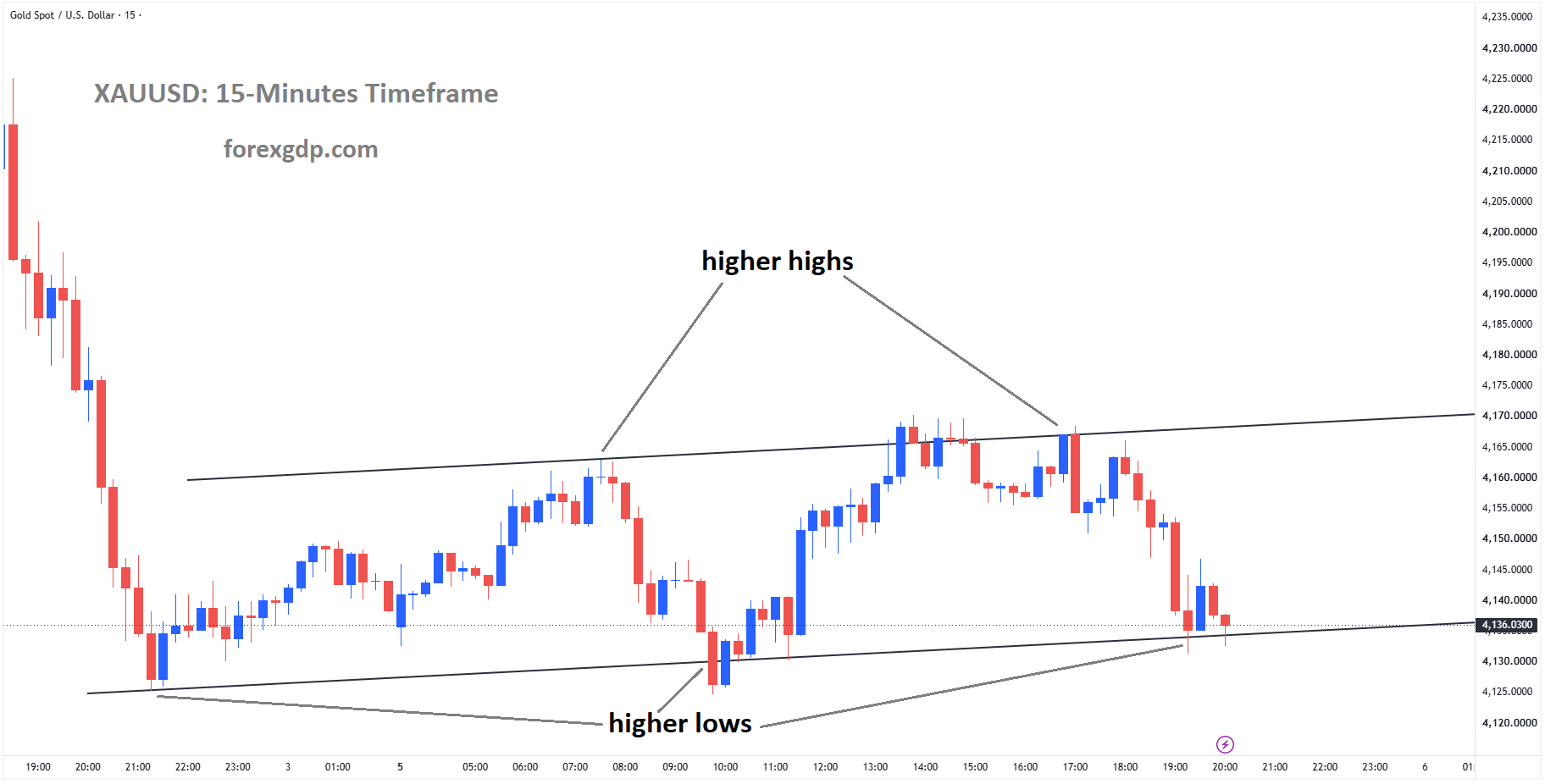
XAUUSD reached the higher low area of the ascending channel
On the other side, the US Dollar remains firm, Treasury yields are elevated and the Federal Reserve has not completely closed the door on additional monetary tightening.
Much will depend on whether upcoming economic reports confirm that the US economy and inflation are cooling. If they do, investors could become increasingly confident that the Fed can remain patient. If inflation risks return or the broader economy proves stronger than expected, expectations for further tightening could quickly increase again.
Final Summary
Gold remains supported by softer US employment and inflation data, which have reduced expectations for an immediate Federal Reserve interest-rate increase. Weak job creation, slower wage growth and signs of easing inflation have encouraged investors to reconsider how aggressively the Fed may need to act.
However, the broader monetary policy picture remains uncertain. Inflation is still a concern, geopolitical tensions could create fresh energy-related price pressures, and some economists continue to expect additional Fed tightening over the coming quarters.
At the same time, a firm US Dollar and elevated Treasury yields are limiting Gold’s ability to benefit fully from changing rate expectations. Investors will now focus on Federal Reserve communication, labour-market figures, consumer sentiment and inflation expectations for clearer evidence about the direction of US monetary policy and the wider economic outlook.