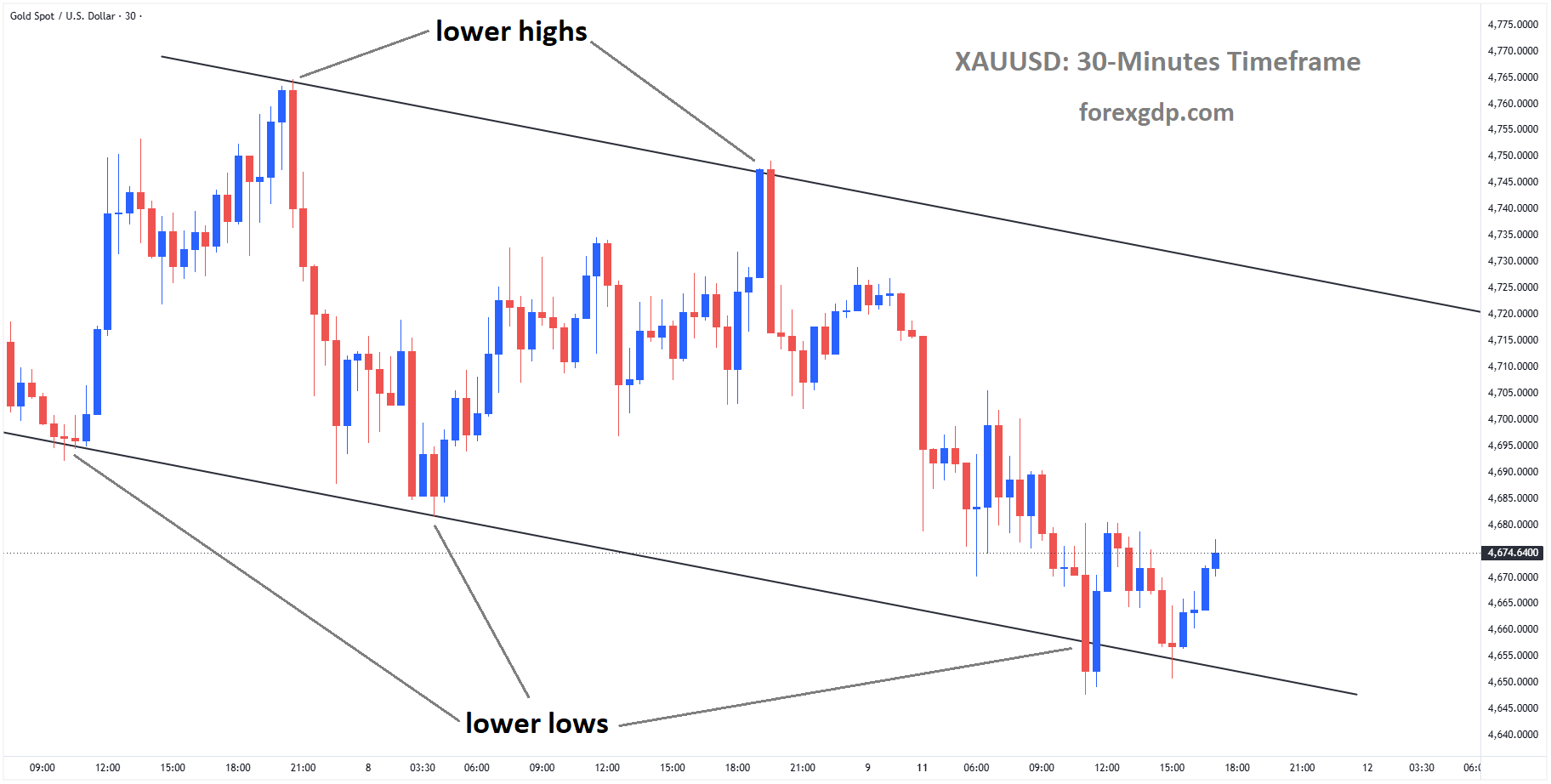
XAUUSD is moving in a descending channel, and the market has rebounded from the lower low area of the channel
Gold started the week under pressure, slipping lower as investors reacted to rising geopolitical tensions and growing concerns about inflation. The precious metal opened with a bearish gap after ongoing disagreements between the United States and Iran kept global markets nervous. At the same time, rising Oil prices continued to strengthen expectations that interest rates may remain high for a longer period, creating additional pressure on Gold prices.
Although Gold is often considered a safe-haven asset during uncertain times, the current market environment has created mixed signals for investors. Concerns over inflation and elevated borrowing costs are limiting the metal’s upward momentum, even as geopolitical risks continue to support demand.
US-Iran Tensions Continue to Worry Global Markets

One of the biggest factors affecting market sentiment is the stalled diplomatic progress between the United States and Iran. Hopes for a quick resolution weakened after US President Donald Trump rejected Iran’s response to a US-backed proposal designed to end the ongoing conflict.
The rejection added fresh uncertainty to an already tense geopolitical situation. Iran’s government responded by defending its position, saying its demands were fair and focused on protecting national interests. Iranian officials also criticized Washington for making what they described as unreasonable demands during negotiations.
A major point of disagreement remains Iran’s nuclear program. Both sides continue to struggle to find common ground, reducing optimism for a near-term agreement. As negotiations remain deadlocked, investors are increasingly worried about how long the conflict could continue and what impact it may have on the global economy.

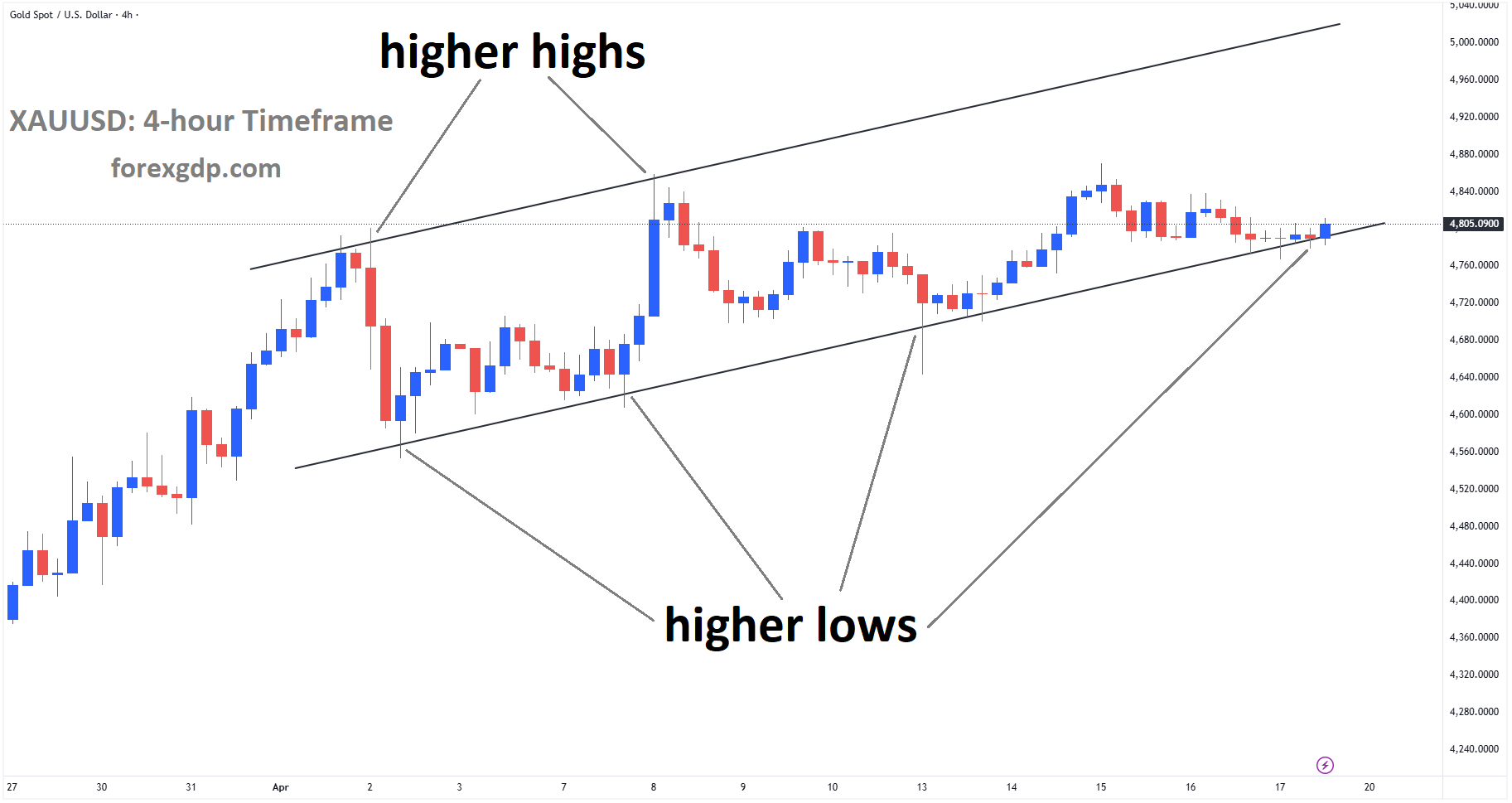
XAUUSD reached the retest area of the broken Ascending channel
The Strait of Hormuz remains a major concern in this situation. This strategic shipping route is one of the world’s most important channels for Oil transportation. Any threat to supply flows through the region can quickly push Oil prices higher and increase fears of global supply disruptions.
Because of these risks, traders continue to build a geopolitical premium into Oil prices. Higher energy costs are now becoming one of the main drivers behind inflation concerns across financial markets.
Rising Oil Prices Add to Inflation Fears
Oil prices have climbed sharply due to fears that geopolitical tensions could disrupt global supply chains. Higher energy prices usually increase transportation and production costs, which can eventually push consumer prices higher across many sectors of the economy.
This has become an important issue for central banks, especially the US Federal Reserve. Policymakers are closely monitoring inflation trends and may decide to keep interest rates elevated if price pressures remain strong.
Investors are now waiting for upcoming US inflation data, particularly the Consumer Price Index (CPI) report. The data could play a major role in shaping expectations for future Federal Reserve decisions.
If inflation remains stubbornly high, markets may continue to believe that borrowing costs will stay elevated for a long period. Some traders are even considering the possibility that another interest rate increase could happen later this year if inflation accelerates further.
This environment creates challenges for Gold because the precious metal does not generate interest or yield.
Why Higher Interest Rates Hurt Gold

Gold is traditionally viewed as a store of value and a hedge against uncertainty. However, when interest rates remain high, investors often move money into assets that offer returns, such as government bonds and fixed-income investments.
Higher borrowing costs increase the opportunity cost of holding Gold. Since Gold does not pay interest, it becomes less attractive compared to assets that provide steady income.
This is one of the main reasons why Gold has struggled to build strong upward momentum despite ongoing geopolitical tensions. Investors are balancing safe-haven demand against expectations that central banks may maintain tighter monetary policies for longer than previously expected.
The current market environment shows how sensitive Gold prices are to both inflation expectations and central bank decisions. Even though uncertainty in the Middle East continues to support demand for defensive assets, concerns about high interest rates are preventing stronger gains.
Safe-Haven Demand Still Provides Support
Despite recent weakness, Gold continues to receive support from investors seeking protection during uncertain times. Geopolitical instability often increases demand for assets that are considered safer during periods of market stress.
The ongoing US-Iran conflict has created fears about broader regional instability, which keeps some investors interested in Gold as a defensive investment. Concerns over global economic uncertainty also continue to support long-term demand for the precious metal.
In addition to geopolitical factors, central bank purchases have remained an important source of support for Gold. Many countries continue to increase their Gold reserves as part of broader diversification strategies. Retail investors and institutional buyers have also maintained steady interest in the market.
These factors are helping limit downside pressure even as interest rate expectations remain unfavorable for Gold prices.
Market Attention Turns to Economic Data
With geopolitical tensions already influencing market sentiment, investors are now shifting their focus toward upcoming economic reports. Inflation data from the United States could become a key driver for both Gold and broader financial markets in the coming days.

XAUUSD is moving in a descending channel, and the market has reached the lower high area of the channel
A stronger-than-expected inflation reading may reinforce expectations that the Federal Reserve will keep monetary policy tight. On the other hand, softer inflation data could ease some pressure on Gold by reducing fears of prolonged high interest rates.
Financial markets are likely to remain highly sensitive to any updates related to inflation, central bank policy, and developments in the Middle East conflict.
For now, traders continue to weigh two competing forces. Rising geopolitical risks are increasing safe-haven demand, while elevated interest rate expectations are limiting Gold’s ability to move significantly higher.
Summary
Gold entered the week facing downward pressure as unresolved US-Iran tensions and rising Oil prices fueled concerns about inflation and interest rates. The lack of progress in diplomatic talks has increased fears of prolonged geopolitical instability, especially around the strategically important Strait of Hormuz.
At the same time, higher Oil prices are strengthening expectations that central banks may keep borrowing costs elevated to control inflation. This has reduced the appeal of non-yielding assets like Gold, creating a difficult environment for the precious metal.
Even so, ongoing geopolitical uncertainty, steady central bank buying, and safe-haven demand continue to provide underlying support for Gold. Investors are now closely watching upcoming US inflation data for further clues about the direction of interest rates and the future outlook for financial markets.
Don’t trade all the time, trade forex only at the confirmed trade setups
Get more confirmed trade signals at premium or supreme – Click here to get more signals, 2200%, 800% growth in Real Live USD trading account of our users – click here to see , or If you want to get FREE Trial signals, You can Join FREE Signals Now!