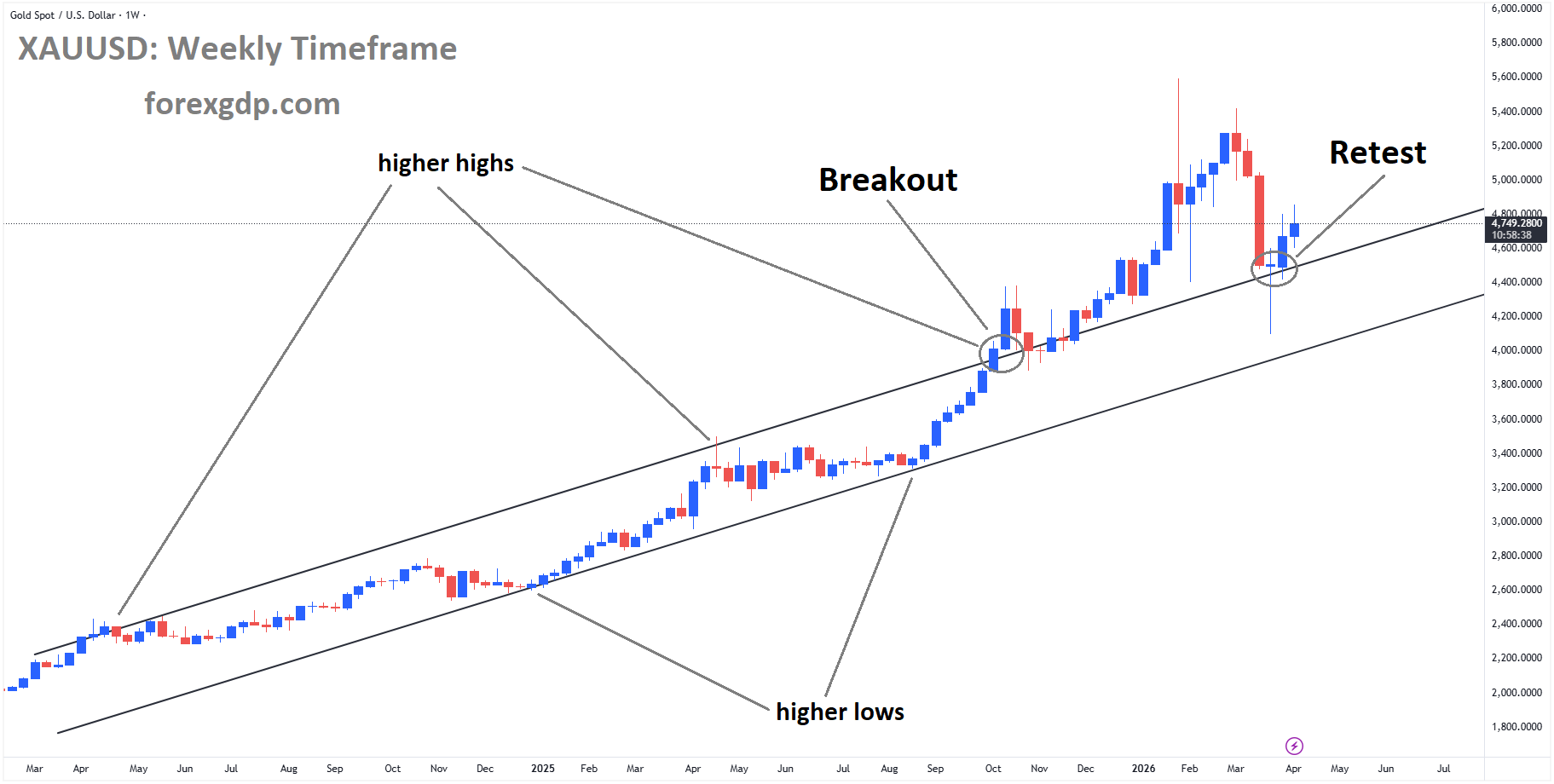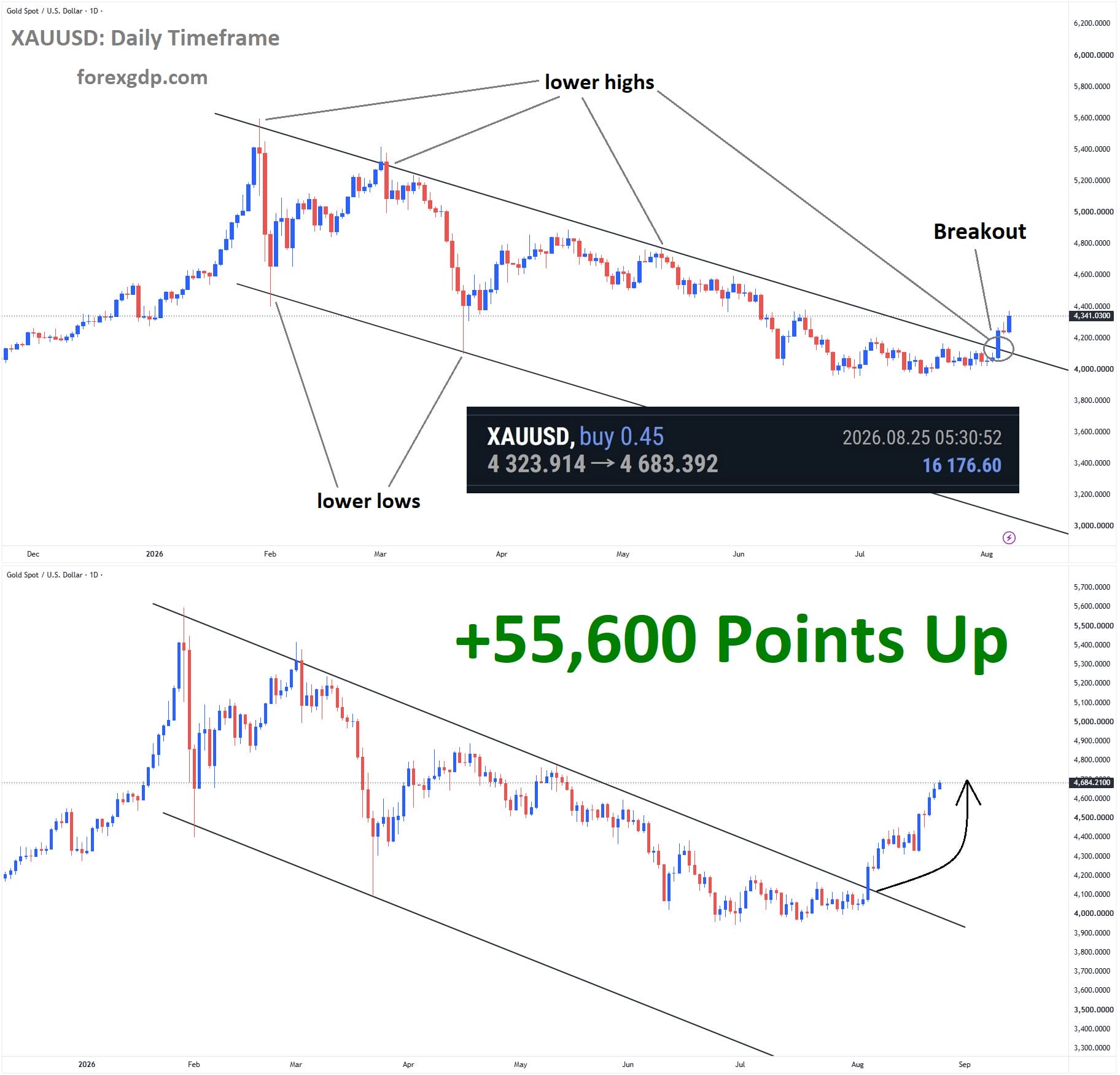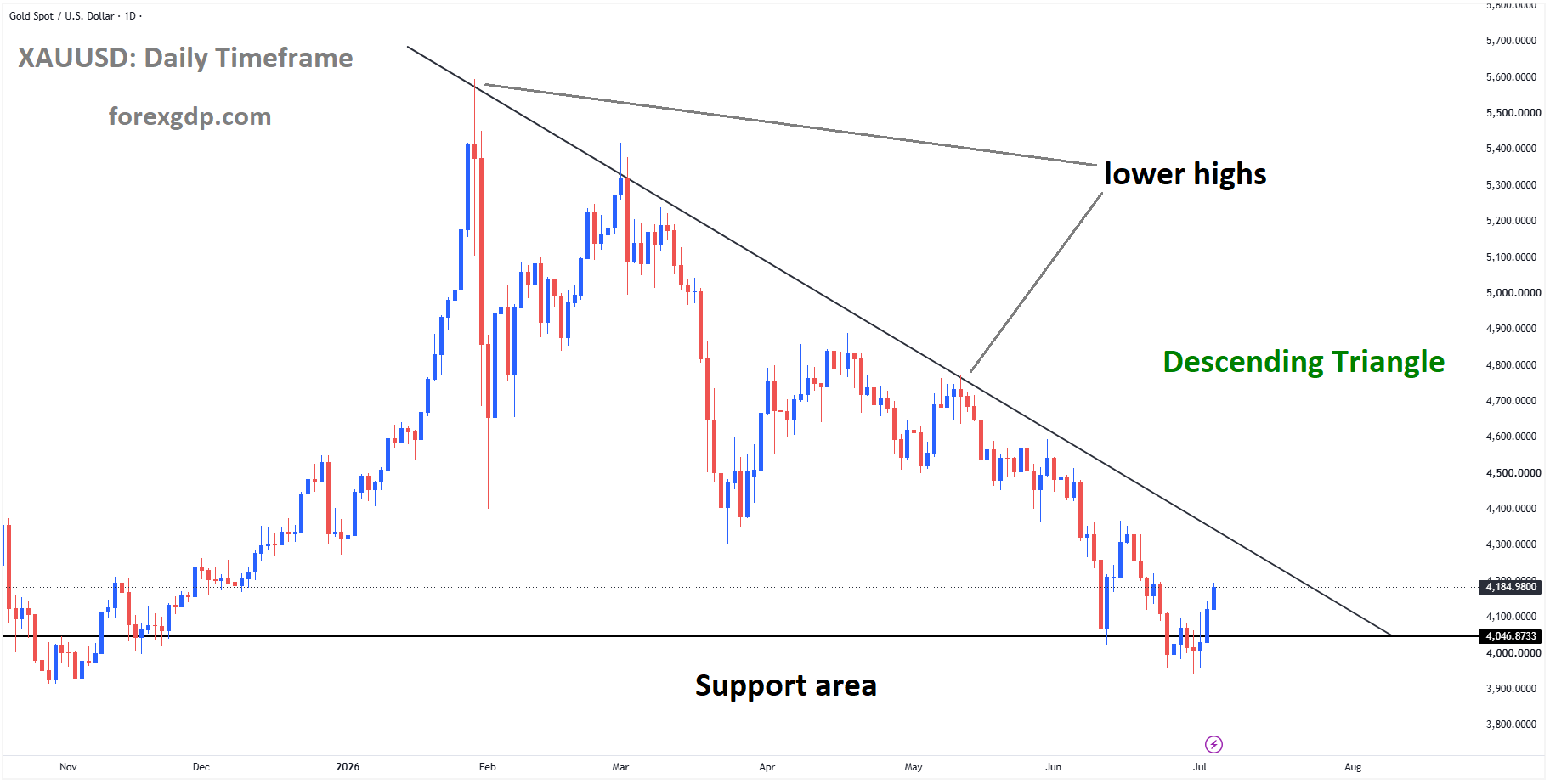
XAUUSD is rebounding from the support area of the descending triangle pattern
Gold continued to move higher after weaker-than-expected US employment data reduced confidence in the strength of the US economy. The disappointing labor market report pushed the US Dollar lower and encouraged investors to believe that the Federal Reserve may delay any future interest rate increases.
As expectations for tighter monetary policy eased, Gold attracted fresh buying interest. Investors often turn to Gold during periods of economic uncertainty, especially when concerns grow about slowing economic activity and changes in central bank policy.
Weak US Employment Report Changes Market Expectations
The latest US Nonfarm Payrolls report showed that job creation slowed much more than economists had expected. The weaker hiring numbers suggest that businesses may be becoming more cautious, raising concerns that the labor market is losing momentum.
A slower job market often influences the Federal Reserve’s decisions because employment is one of its key economic indicators. With hiring slowing, many investors now believe the central bank has less reason to raise interest rates quickly.
This shift in expectations immediately affected financial markets. The US Dollar weakened as traders adjusted their outlook for future monetary policy, creating a more supportive environment for Gold.
Why a Softer Dollar Helps Gold
Gold and the US Dollar often move in opposite directions. When the Dollar loses strength, Gold becomes more attractive to buyers using other currencies. This increased demand can support higher Gold prices.
The latest weakness in the Dollar followed changing expectations about Federal Reserve policy. Instead of expecting an earlier interest rate increase, investors are now looking toward a later timeline.
For Gold investors, this delay reduces one of the biggest challenges facing the precious metal. Higher interest rates generally make interest-paying investments more attractive, while Gold does not generate income. When rate hike expectations fade, Gold becomes more competitive as a safe investment.
Federal Reserve Outlook Remains Important
Although expectations have shifted, the Federal Reserve has not ruled out additional policy tightening if inflation remains above its long-term target.
Officials continue to focus on bringing inflation under control before making significant policy changes. This means future economic reports, especially those covering inflation and employment, will remain extremely important.
If inflation remains stubbornly high, policymakers could still maintain a restrictive approach for an extended period. On the other hand, continued signs of slower economic growth could encourage a more balanced stance.
Because of this uncertainty, investors are closely monitoring every major US economic release for clues about the Fed’s next move.
Lower Energy Costs Reduce Inflation Pressure
Another important factor supporting the current market outlook is the recent decline in oil prices. Lower energy costs reduce one of the biggest sources of inflation across the global economy.
When fuel prices fall, transportation and production costs often become more manageable for businesses. This can help ease overall inflation pressures, giving central banks slightly more flexibility in their policy decisions.
Combined with weaker employment data, lower energy prices strengthen the view that the Federal Reserve may not need to act as aggressively as previously expected.
However, policymakers will still want stronger evidence that inflation is moving steadily toward their long-term objective before making any significant changes.
Can Gold Continue Moving Higher?
Gold has shown resilience after recovering from recent weakness. The latest rebound reflects improving investor confidence as concerns over immediate interest rate increases have eased.
Still, the future direction of Gold will largely depend on the broader economic picture. Stronger economic data could revive expectations for tighter monetary policy, while weaker reports may continue supporting demand for safe-haven assets.
Investor sentiment can also change quickly as new economic information becomes available. This makes upcoming reports on inflation, employment, and overall economic growth especially important for determining Gold’s next move.
Rather than relying on a single report, markets will likely continue evaluating the overall trend in the US economy.
Central Banks Continue Building Gold Reserves
One of the strongest long-term supports for Gold remains steady buying from central banks around the world.
According to the World Gold Council, central banks continued adding Gold to their reserves during May. This ongoing demand highlights Gold’s importance as a reserve asset during periods of global uncertainty.
The Council’s latest Central Bank Gold Reserves Survey also revealed growing confidence in Gold among policymakers. A large majority of central banks expect global Gold reserves to increase over the coming year, while nearly half plan to expand their own holdings.
These purchases reflect confidence in Gold’s role as a store of value and a way to diversify national reserves away from traditional assets.
Consistent buying by central banks provides an important source of long-term demand that can help support Gold even during periods of market volatility.
What Investors Should Watch Next
The direction of Gold will continue to depend on several major economic developments over the coming months.
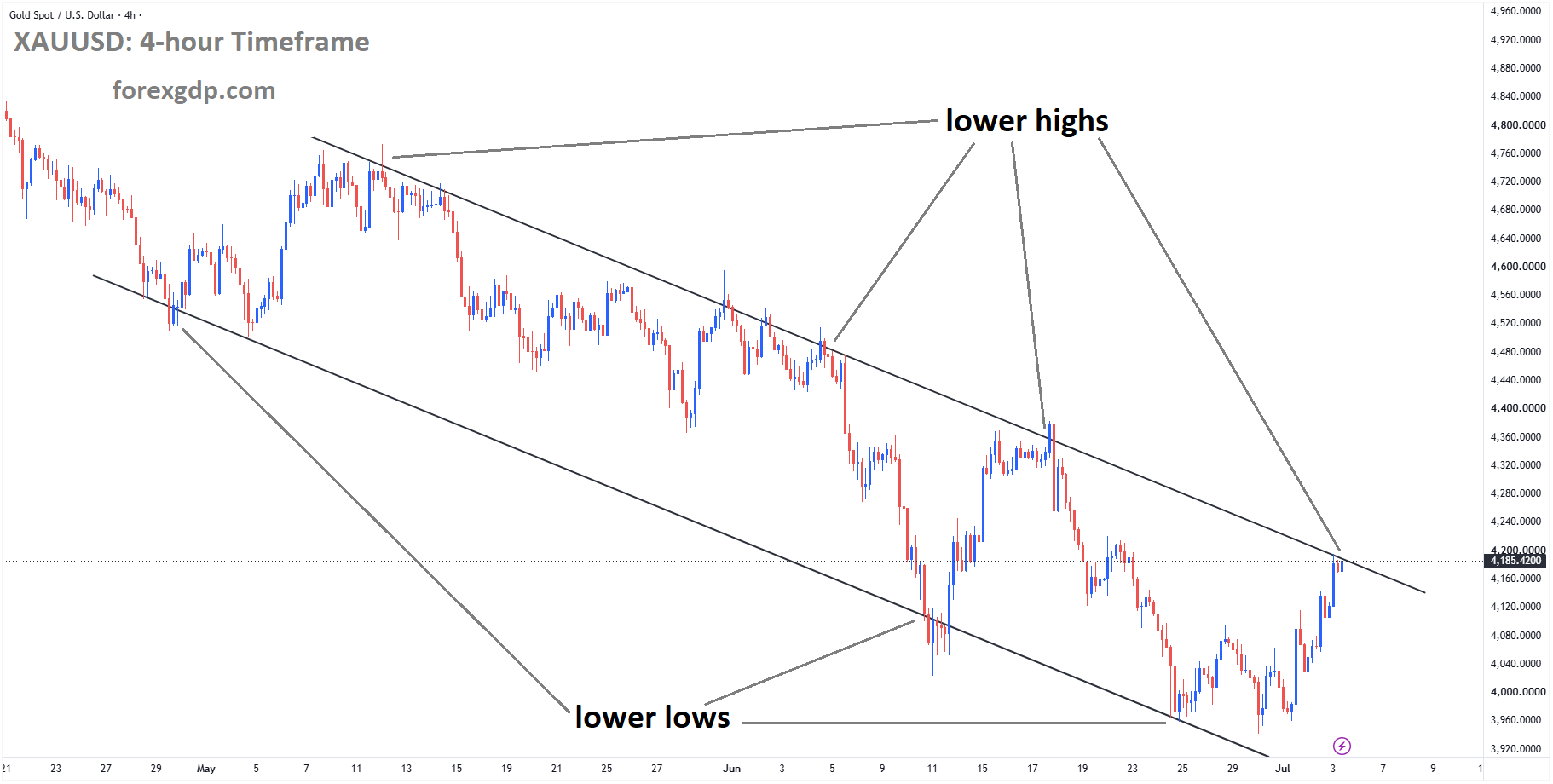
XAUUSD reached the lower high area of the descending channel
Future employment reports will reveal whether the recent slowdown is temporary or the beginning of a broader cooling trend. Inflation data will also play a major role in shaping Federal Reserve policy.
In addition, investors will closely follow comments from Federal Reserve officials for any signals about future interest rate decisions.
Global economic conditions, geopolitical developments, and continued central bank demand will also influence investor sentiment toward Gold.
Final Summary
Gold has regained strength after weaker US employment data reduced expectations for an immediate Federal Reserve interest rate increase. A softer US Dollar, easing inflation pressures from lower energy costs, and continued demand from central banks have all contributed to improved confidence in the precious metal.
While uncertainty surrounding future monetary policy remains, Gold continues to benefit from its reputation as a safe-haven asset during periods of economic uncertainty. Going forward, investors will closely monitor US economic data, Federal Reserve guidance, and global market developments to assess whether Gold can maintain its positive momentum.
Don’t trade all the time, trade forex only at the confirmed trade setups
Get more confirmed trade signals at premium or supreme – Click here to get more signals, 2200%, 800% growth in Real Live USD trading account of our users – click here to see , or If you want to get FREE Trial signals, You can Join FREE Signals Now!