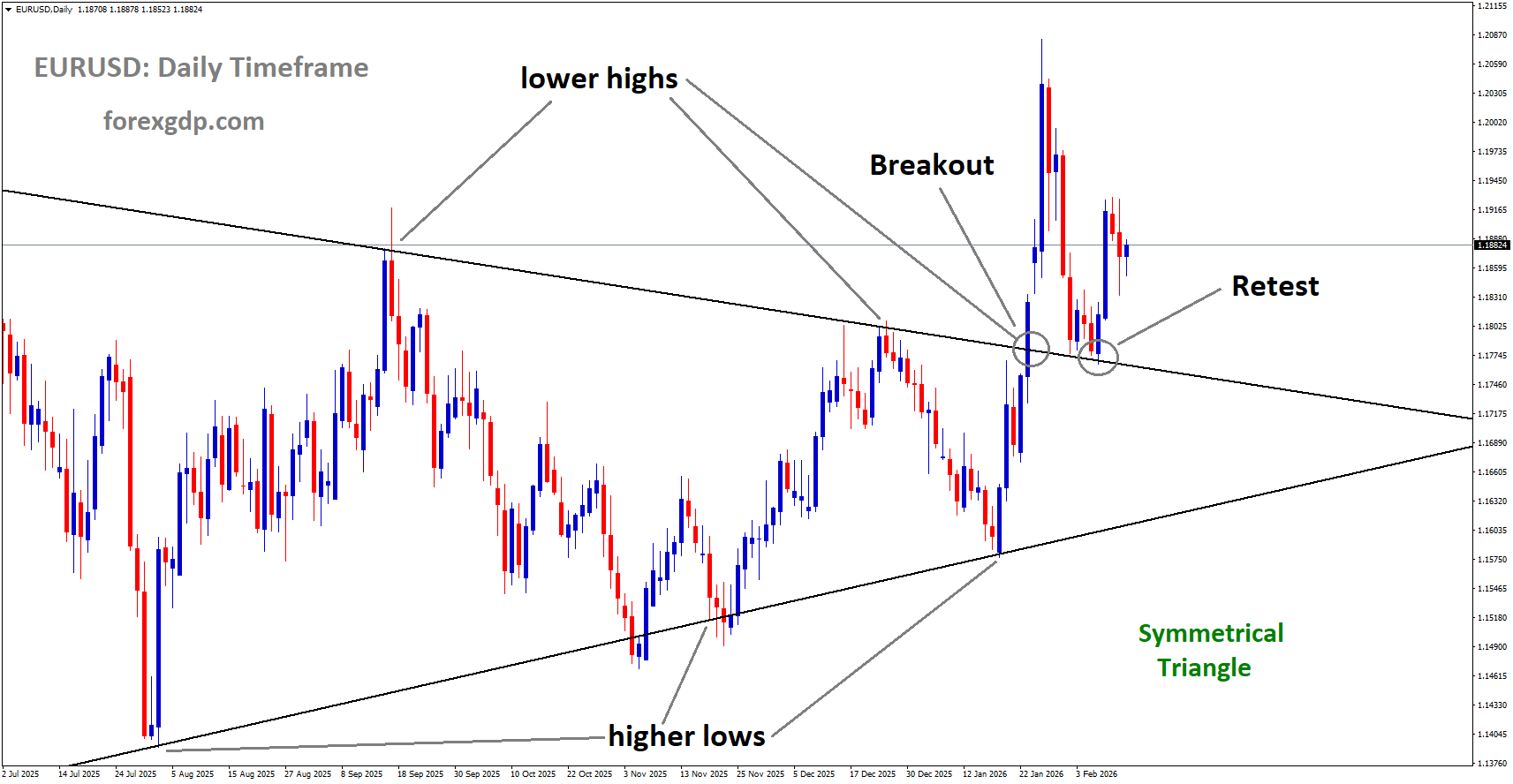

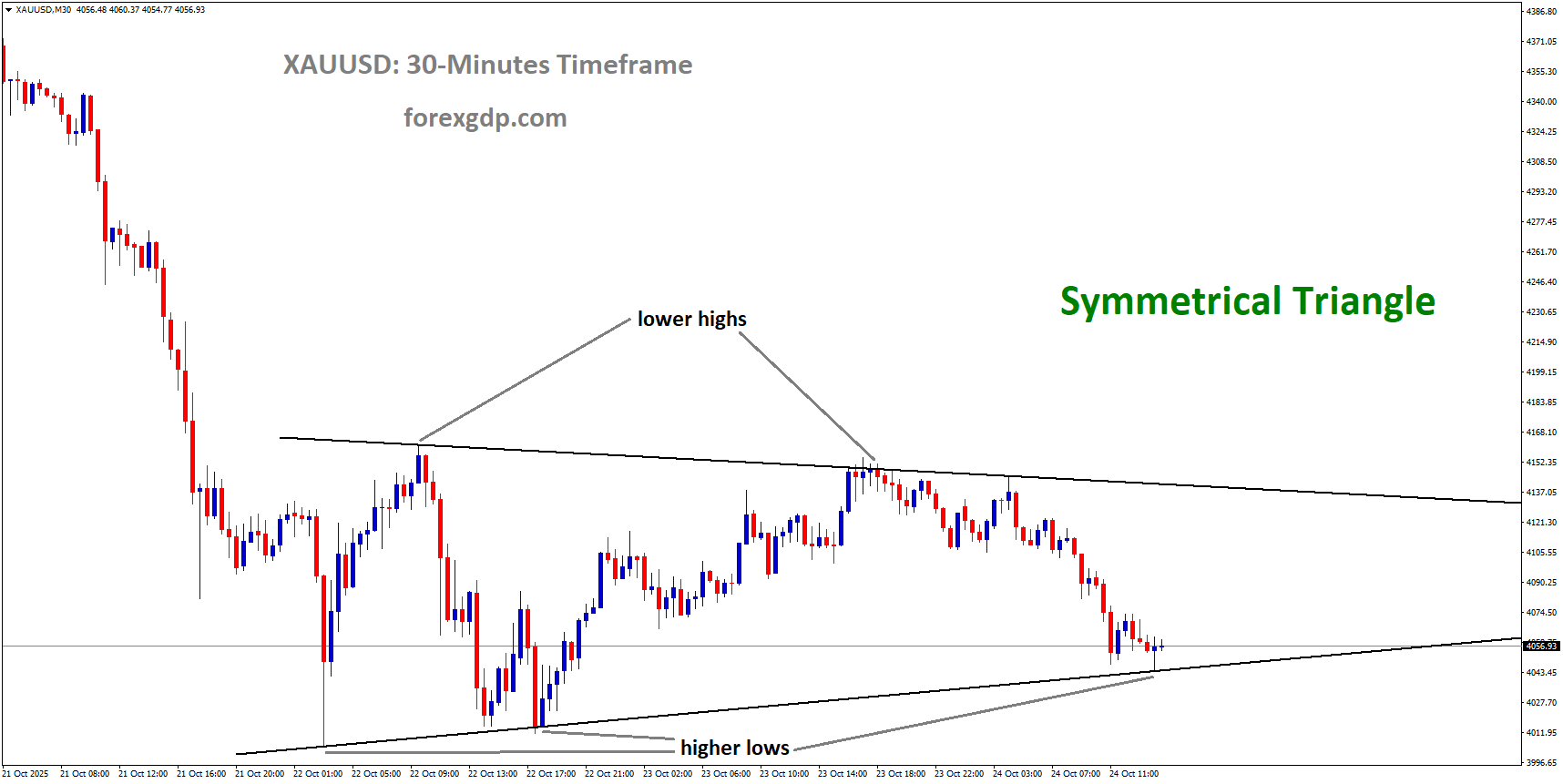
XAUUSD is moving in a symmetrical triangle, and the market has reached the higher low area of the pattern
Gold prices have taken a dip as traders across global markets show signs of caution. The renewed strength of the U.S. Dollar, combined with the end of the Diwali season in India—a key period for gold demand—has triggered some profit-taking among investors. As the week wraps up, everyone’s attention is turning toward the much-anticipated U.S. inflation report, which could shape the next move for the precious metal.
Why Gold Prices Are Facing Selling Pressure
Gold has always been more than just a shiny metal—it’s a symbol of safety during uncertain times. But this week, it’s showing signs of fatigue. The U.S. Dollar has made a strong comeback, pulling investors away from gold and back toward dollar-based assets. When the dollar rises, gold—priced in dollars—typically loses some of its appeal to buyers holding other currencies.
Impact of Diwali’s End on Global Gold Demand
In India, gold plays a deep cultural role, especially during Diwali, when jewelry purchases surge. With the festival season now behind us, the usual spike in physical gold buying is fading. This seasonal decline in demand often creates short-term pressure on gold prices, as traders in the global market anticipate a slowdown in Indian imports.
Profit-Taking After a Strong Run
Gold had been performing strongly in recent weeks, driven by uncertainty around interest rates and global politics. However, traders now appear to be locking in profits. After several days of gains, even a modest pullback in price can spark selling, especially among short-term investors. This kind of behavior isn’t unusual—it’s part of the market’s natural rhythm after a strong rally.
Factors That Could Still Support Gold Prices
While gold is currently facing selling pressure, not everything points to weakness. In fact, several underlying factors could lend support in the near future.
Safe-Haven Demand in a Volatile World
Despite the pullback, global uncertainty remains high. The ongoing U.S. government shutdown, lingering trade tensions between the U.S. and China, and geopolitical disputes in Eastern Europe are keeping investors on edge. These kinds of global developments tend to push investors back into safe-haven assets like gold when confidence in other markets wanes.
Gold’s reputation as a hedge against political and economic instability continues to attract long-term investors who prefer security over short-term gains. When stock markets fluctuate or government policies appear unpredictable, gold often shines brightest.
The Role of U.S. Interest Rates
The possibility of upcoming interest rate cuts by the Federal Reserve could also work in gold’s favor. Lower interest rates generally weaken the dollar and reduce the opportunity cost of holding non-yielding assets like gold. Simply put, when savings or bonds offer lower returns, gold becomes more appealing as a store of value.
Market analysts are already expecting at least one rate cut soon, with another possible before the end of the year. These expectations could keep investor sentiment toward gold positive even if short-term volatility continues.
U.S. Inflation Data: The Next Big Catalyst
The real market mover this week is the upcoming U.S. Consumer Price Index (CPI) report. Scheduled for release later today, this report could provide fresh clues about how quickly prices are rising across the American economy—and how the Federal Reserve might respond.
Economists are predicting that headline inflation will remain steady, while core inflation—excluding food and energy—might show only a modest rise. If the data shows inflation cooling off, it could strengthen the argument for a rate cut, which would likely boost gold’s appeal. On the other hand, if inflation remains stubbornly high, the Fed could delay cutting rates, giving the dollar more room to strengthen and potentially keeping gold under pressure.
Global Tensions and Economic Headlines Adding to Market Jitters
This week’s news cycle has been packed with stories that could influence global investor sentiment. Let’s break down some of the most important ones.
U.S.-China Trade Talks Back in Focus
High-level talks between U.S. and Chinese officials are underway, with both sides aiming to ease tensions that have been simmering for years. While no major breakthroughs are expected immediately, even small signs of progress could affect global markets, including gold. Trade negotiations always inject uncertainty, and gold often benefits when investors grow anxious about potential conflicts or disruptions.
The U.S. Government Shutdown and Political Uncertainty
The ongoing U.S. government shutdown, which has dragged on for weeks, is another source of instability. Each day without resolution adds to worries about economic fallout, public services, and market confidence. Historically, such events tend to lift demand for gold, as it’s seen as a hedge against political gridlock and fiscal risk.
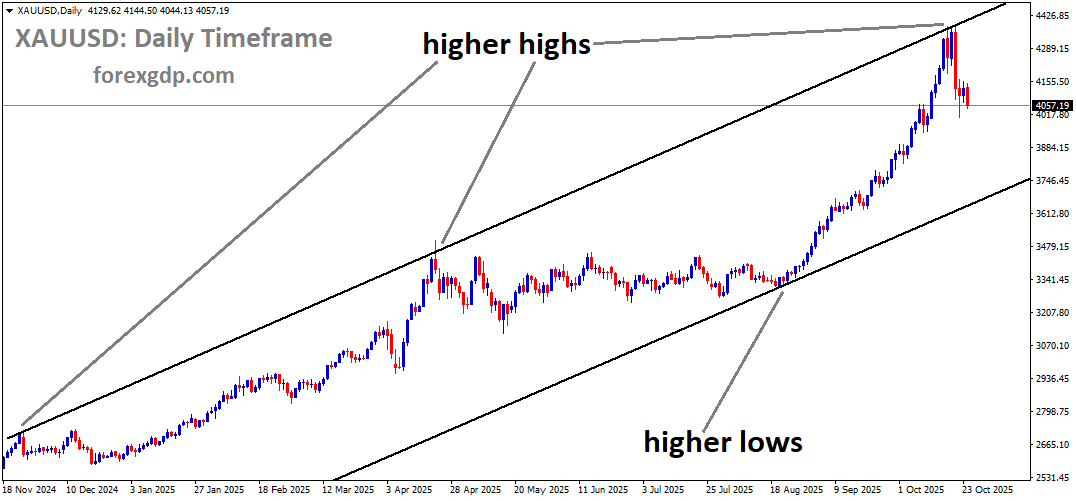
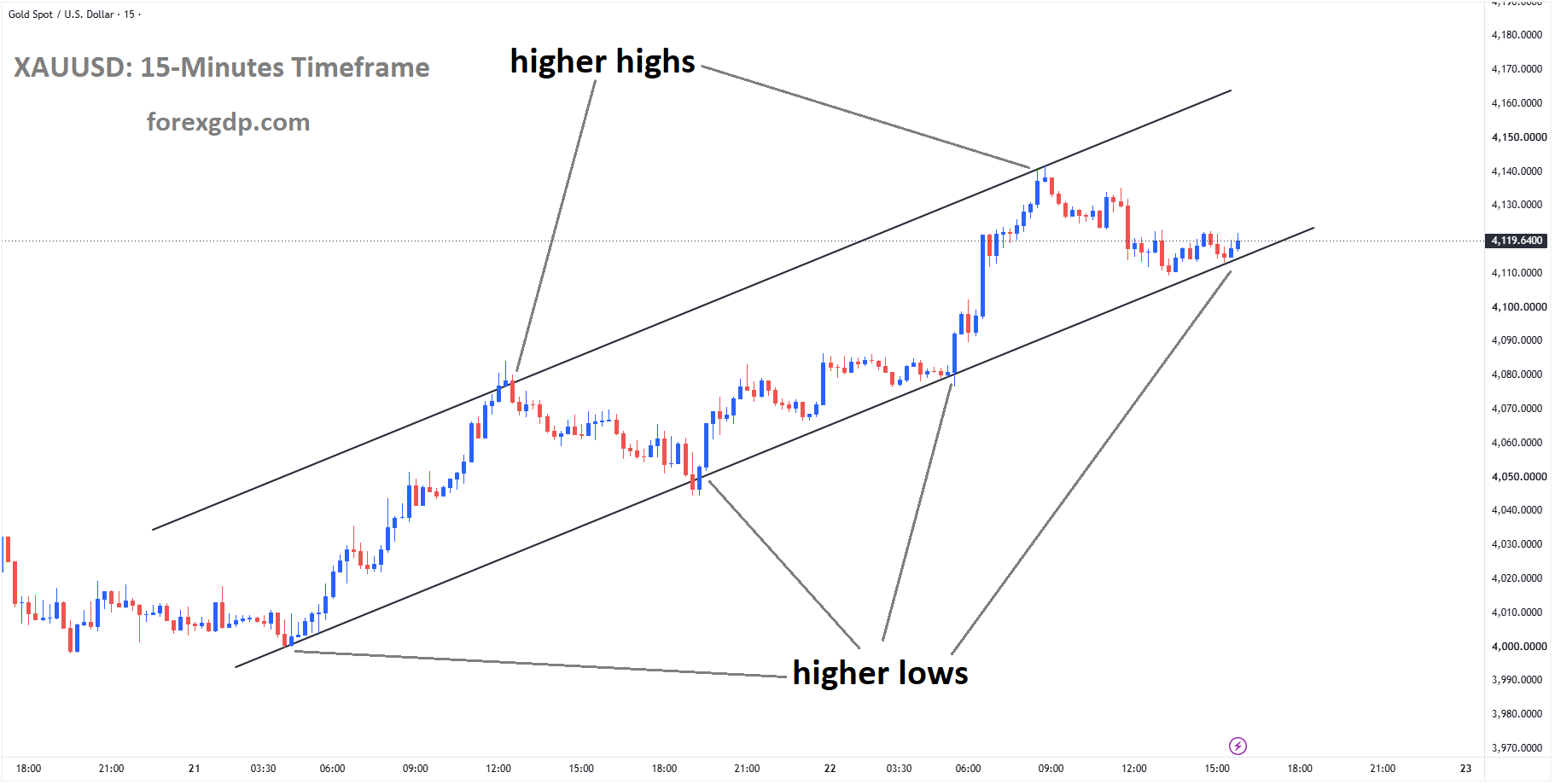
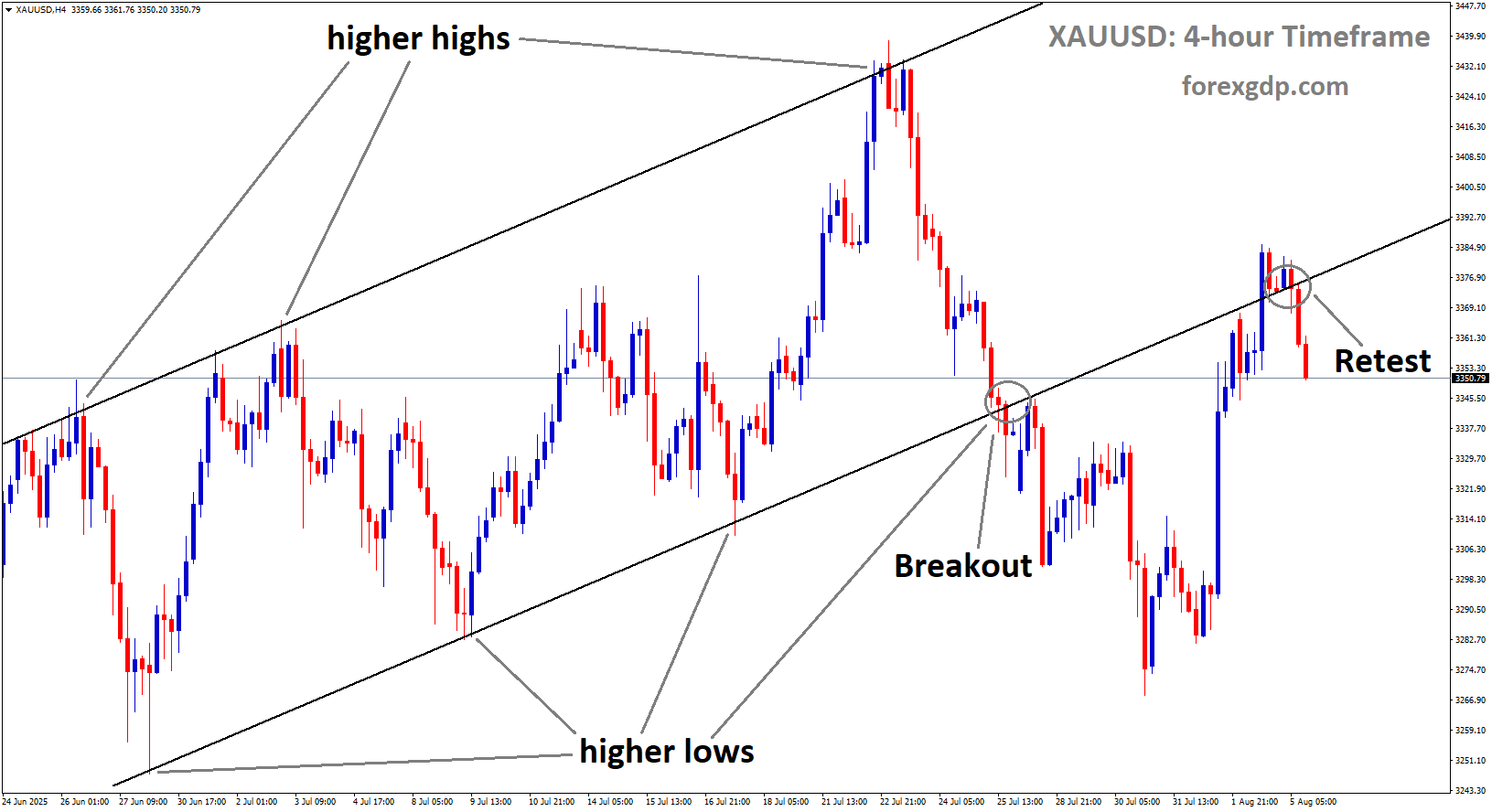
XAUUSD is moving in an ascending channel, and the market has fallen from the higher high area of the channel
Geopolitical Moves in Russia and Beyond
Recent sanctions imposed on Russian oil companies have added another layer of tension to the global landscape. Moves like these tend to make investors wary of broader economic consequences, especially in energy markets. When global trade and supply chains are at risk, gold becomes an attractive alternative for preserving wealth.
What Traders Are Watching Next
Looking ahead, gold traders are likely to keep their focus on three main areas:
-
Inflation Trends: If U.S. inflation continues to ease, rate cut expectations will grow stronger—potentially lifting gold.
-
Federal Reserve Decisions: The next policy meeting will be key. Any hint of a softer stance could drive gold prices higher.
-
Global Risk Factors: From trade negotiations to government shutdowns, any escalation in uncertainty could quickly reignite demand for the yellow metal.
Long-term investors often use such pullbacks as buying opportunities, believing that gold’s role as a safe haven will hold firm in the face of unpredictable economic conditions.
Final Summary
Gold is currently facing short-term challenges, driven by a stronger U.S. Dollar, seasonal drops in Indian demand, and cautious trading ahead of key economic data. However, its long-term outlook remains supported by broader global uncertainty, the potential for lower U.S. interest rates, and persistent inflation concerns.
While traders may be taking profits now, many analysts believe that gold’s underlying strength remains intact. In a world still grappling with political tensions, economic instability, and shifting central bank policies, gold continues to stand as one of the most trusted assets for safety and long-term value. Whether prices rise or fall in the near term, gold’s enduring appeal as a secure investment remains as strong as ever.