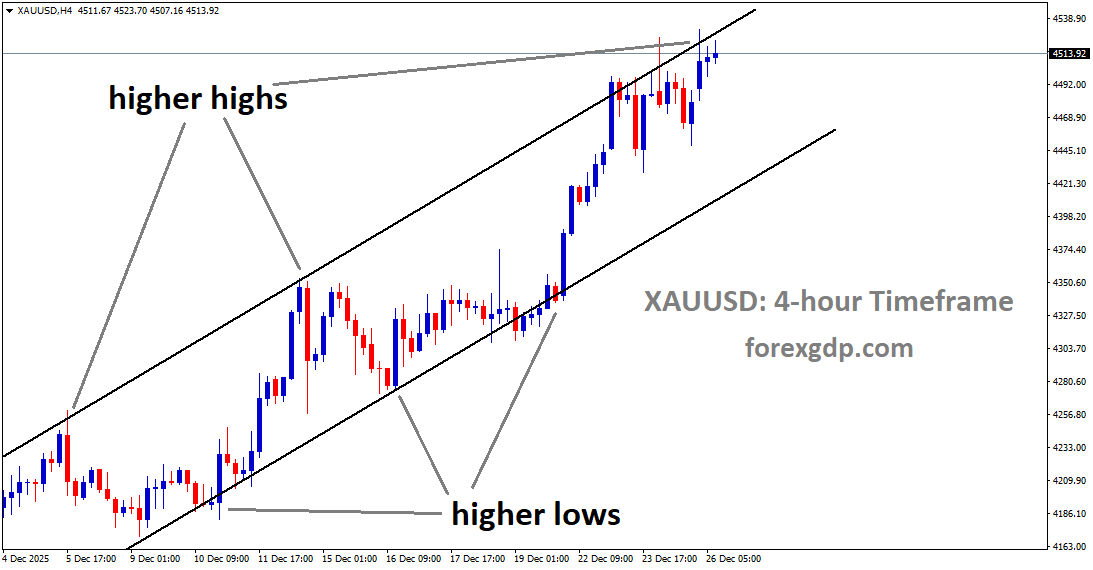

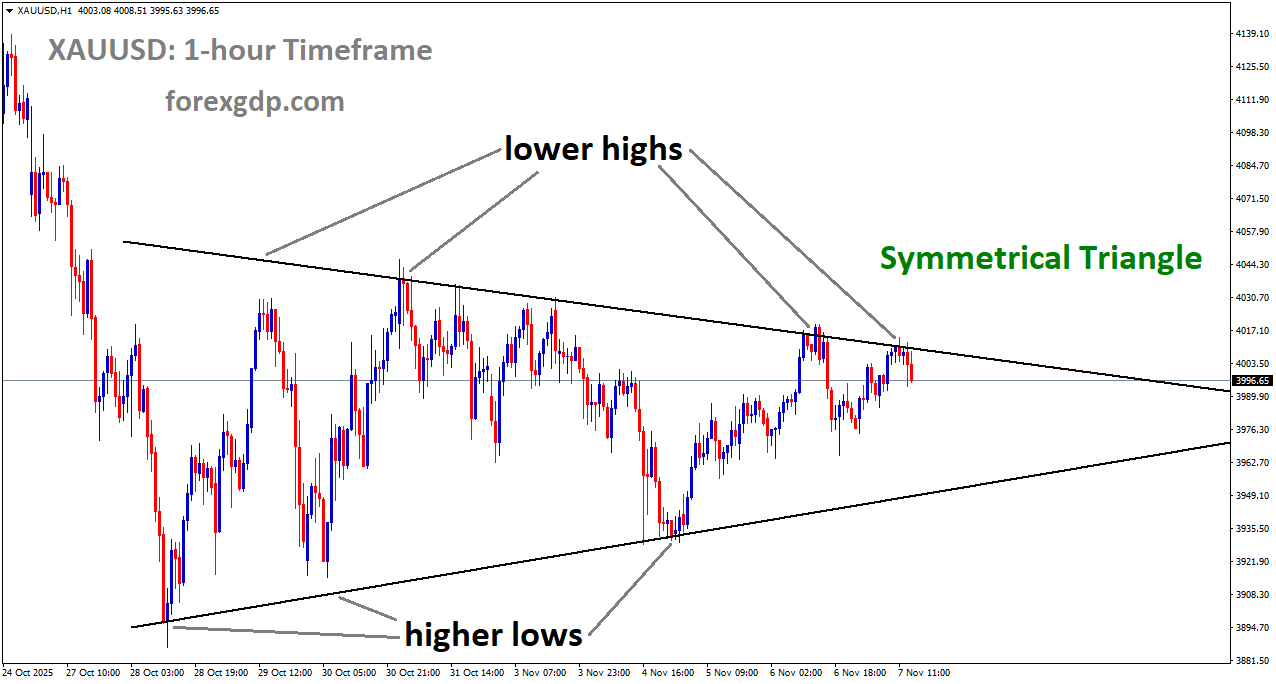
XAUUSD is moving in a symmetrical Triangle pattern
When it comes to global markets, few assets capture attention like gold. The yellow metal has long been seen as a safe haven—something people turn to when the world feels shaky. Right now, gold prices are holding steady as investors weigh a combination of political uncertainty, economic slowdown fears, and cautious market sentiment. Let’s take a closer look at what’s happening, why gold remains steady, and what traders are keeping an eye on next.
The Calm Before the Storm: Gold’s Steady Performance
Gold has managed to stay relatively stable even as global markets continue to face a mix of challenges. The ongoing U.S. government shutdown has stretched on, creating anxiety about potential economic fallout. Investors are trying to figure out how long it might last and what kind of impact it could have on government spending, employment, and overall growth.
With so much uncertainty, gold continues to attract attention from cautious investors. It’s the kind of asset people buy when they don’t trust the market’s direction. Even though there’s no major buying rush, gold remains supported by the simple fact that people are nervous.
Safe-Haven Appeal Remains Strong
Gold tends to shine the brightest when risk appetite fades. Right now, global stock markets are showing weakness, especially in technology and artificial intelligence-linked sectors. These areas had seen massive gains earlier, but concerns about overvaluation and potential corrections are pushing investors to rotate their money into safer assets like gold.
In times like these, investors don’t necessarily expect big profits from gold—they just want safety. When the economy looks uncertain, or when political gridlock in Washington dominates the headlines, gold becomes a comforting store of value.
What’s Happening Behind the Scenes: U.S. Policy and Global Concerns
The biggest headline at the moment is the prolonged U.S. government shutdown. It’s been dragging on for weeks, and there’s little sign of resolution. Negotiations between political parties remain stuck, with each side pushing its own agenda. As a result, the country’s financial operations are operating in limbo, and the public sector is feeling the strain.
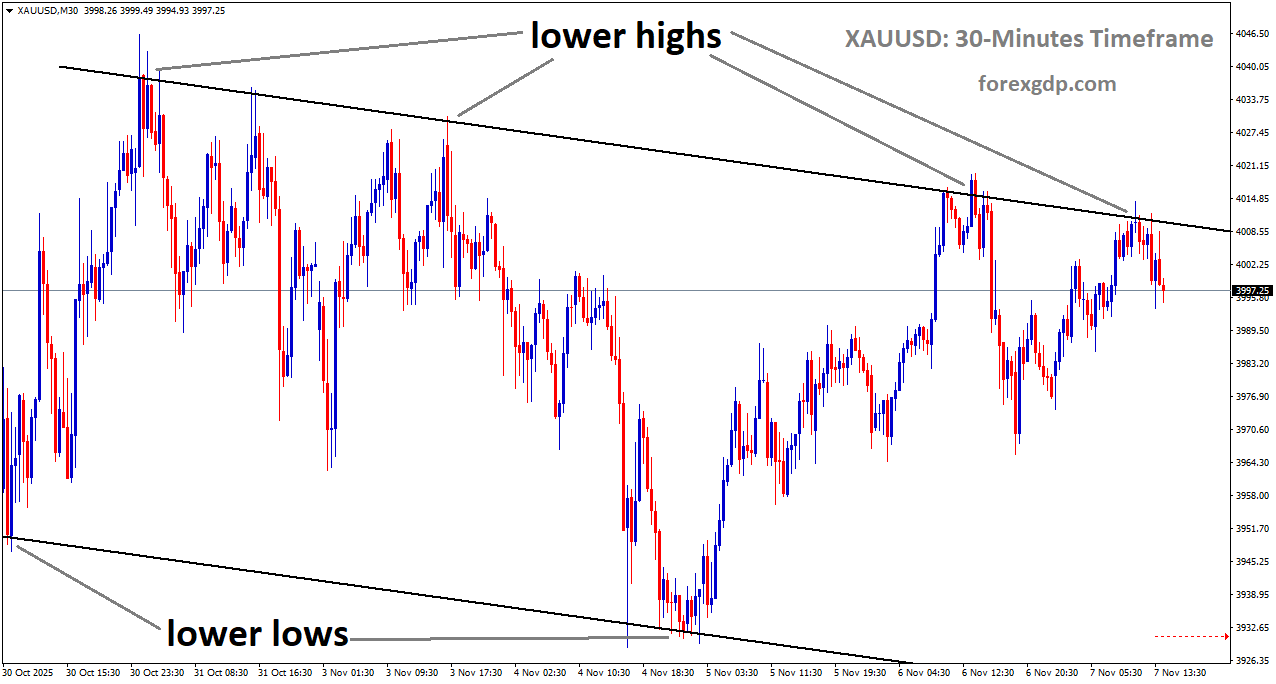
XAUUSD is moving in a descending channel
Economic Data Delays and Rising Job Concerns
Because of the shutdown, many official U.S. economic reports have been delayed. That makes it harder for investors and policymakers to get a clear picture of what’s happening in the economy. Private research firms are stepping in to fill the gap, but their reports show mixed signals.
For example, while some data suggests that private payrolls are still growing modestly, other reports show a sharp rise in job cuts—the highest monthly total in years. This contradiction adds another layer of confusion, leaving investors unsure about the true state of the labor market.
The combination of fewer government updates and worrisome private data points has made the market mood even more cautious. Investors know that employment trends can influence consumer spending, inflation, and ultimately, interest rate decisions. So any hint of weakness in jobs data can have ripple effects across global markets.
The Federal Reserve’s Balancing Act

Another key factor shaping the gold market right now is the Federal Reserve’s stance on interest rates. Over the past year, the Fed has been walking a tightrope between keeping inflation in check and preventing the economy from slowing down too much. Normally, when the Fed hints at cutting rates, gold tends to rise, since lower interest rates make non-yielding assets like gold more attractive.
Mixed Messages from Policymakers
Recent comments from several Federal Reserve officials have added to the uncertainty. Some members have warned against moving too quickly with rate cuts, emphasizing that inflation remains a concern. Others have suggested that the economy might already be slowing enough to justify a more cautious approach.
Without clear data due to the shutdown, these mixed messages have left investors unsure about the Fed’s next move. As a result, gold prices are staying steady rather than making big moves in either direction. It’s a classic case of “wait and see” for the markets.
Global Demand for Gold Shows Interesting Shifts
Even though prices have remained relatively stable, the demand side of the gold market tells an intriguing story. Recent data from the World Gold Council shows that gold-backed exchange-traded funds (ETFs) saw significant inflows in October. Investors in North America and Asia were particularly active, while Europe recorded some outflows.
This pattern suggests that investors in certain regions are becoming more risk-averse, turning to gold as a shield against uncertainty. At the same time, central banks continue to quietly add to their reserves. For example, China’s central bank increased its gold holdings again in October, continuing a steady trend of accumulation.
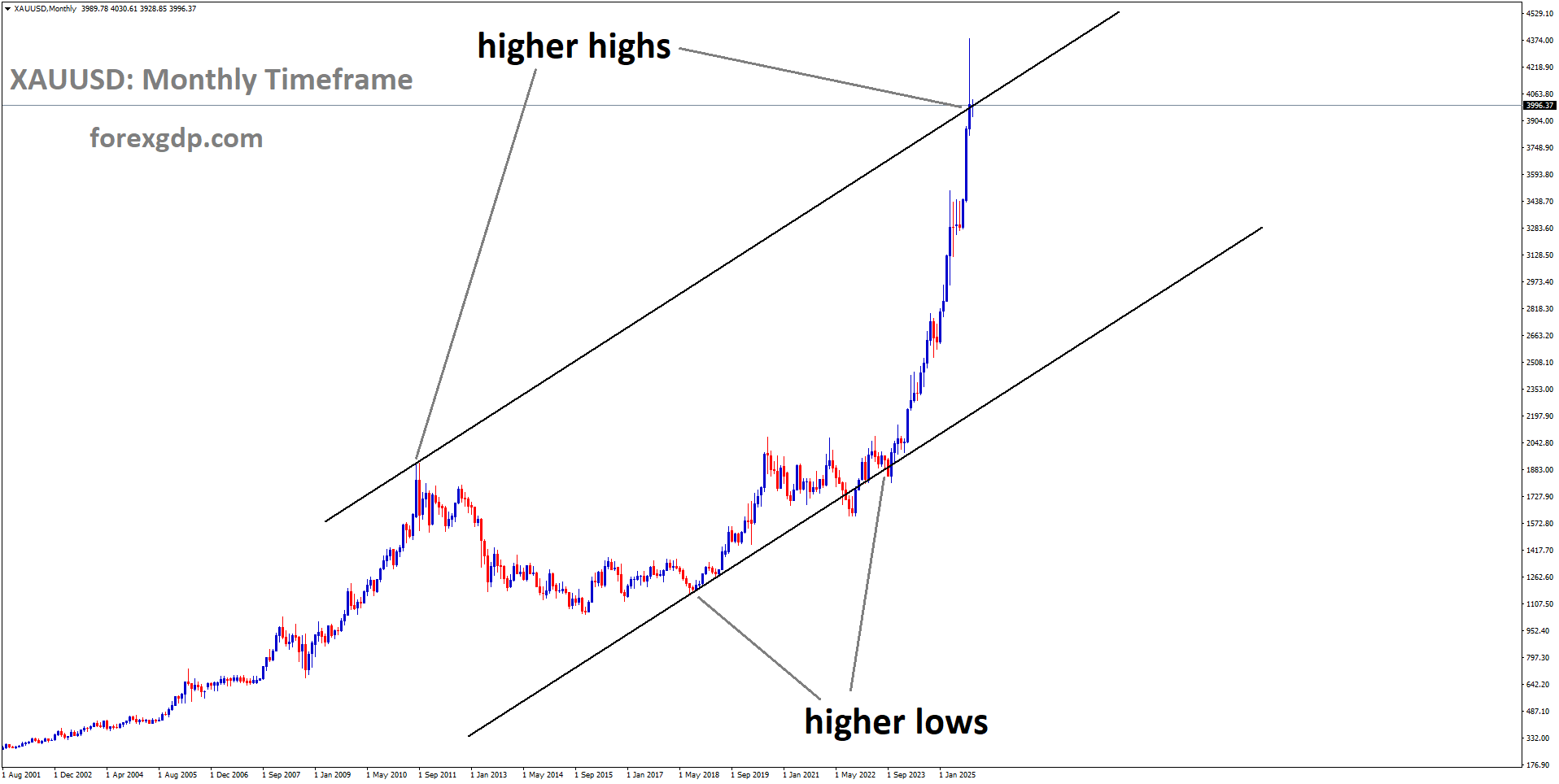
XAUUSD is moving in a descending channel
These developments highlight how gold isn’t just influenced by short-term traders—it’s also part of a larger global strategy. When countries like China or India increase their reserves, it sends a strong signal about how they view long-term financial stability.
The Market’s Next Focus: Consumer Confidence and Outlook
While the political standoff and global caution dominate the headlines, traders are also watching upcoming economic data closely. One key report in focus is the University of Michigan’s Consumer Sentiment Index. This survey gives insight into how American households feel about the economy—their confidence in job security, income, and future spending power.
If consumer sentiment drops sharply, it could reinforce fears that the economy is slowing down faster than expected. That, in turn, might increase demand for gold as investors look for safety. On the other hand, if the data shows that consumers remain optimistic, it could calm markets slightly and reduce the immediate need for safe-haven assets.
Either way, the results will likely shape short-term market direction. For now, traders seem content to hold their positions and avoid taking big risks until more clarity emerges.
Why Gold Still Matters in Uncertain Times

Gold’s staying power isn’t just about price movements—it’s about trust. For centuries, gold has been the go-to asset when confidence in governments, currencies, or economies starts to shake. That tradition still holds true today. Even with the rise of digital assets and complex financial products, gold remains the one thing that feels tangible and reliable.
When markets turn volatile or politics get messy, gold quietly does its job—offering a sense of security. Whether it’s individual investors buying small amounts or central banks adding tons to their reserves, the underlying motivation is the same: stability.
Final Summary
Gold is currently standing firm in a world full of uncertainty. The prolonged U.S. government shutdown, cautious global sentiment, and mixed economic signals are all keeping investors on edge. While there’s no explosive rally happening, the steady demand for safety continues to support gold prices.
With delayed data, conflicting economic reports, and divided policymakers, the market mood remains one of patience and caution. Investors are keeping an eye on upcoming consumer sentiment numbers and any signs of progress in Washington. Until there’s a clearer direction, gold will likely remain a preferred refuge for those seeking stability amid chaos.
In the end, gold’s appeal lies not just in its value, but in what it represents—security when the world feels uncertain. Whether you’re a trader, an investor, or simply an observer of the global economy, gold serves as a quiet reminder that even in turbulent times, some things never lose their shine.