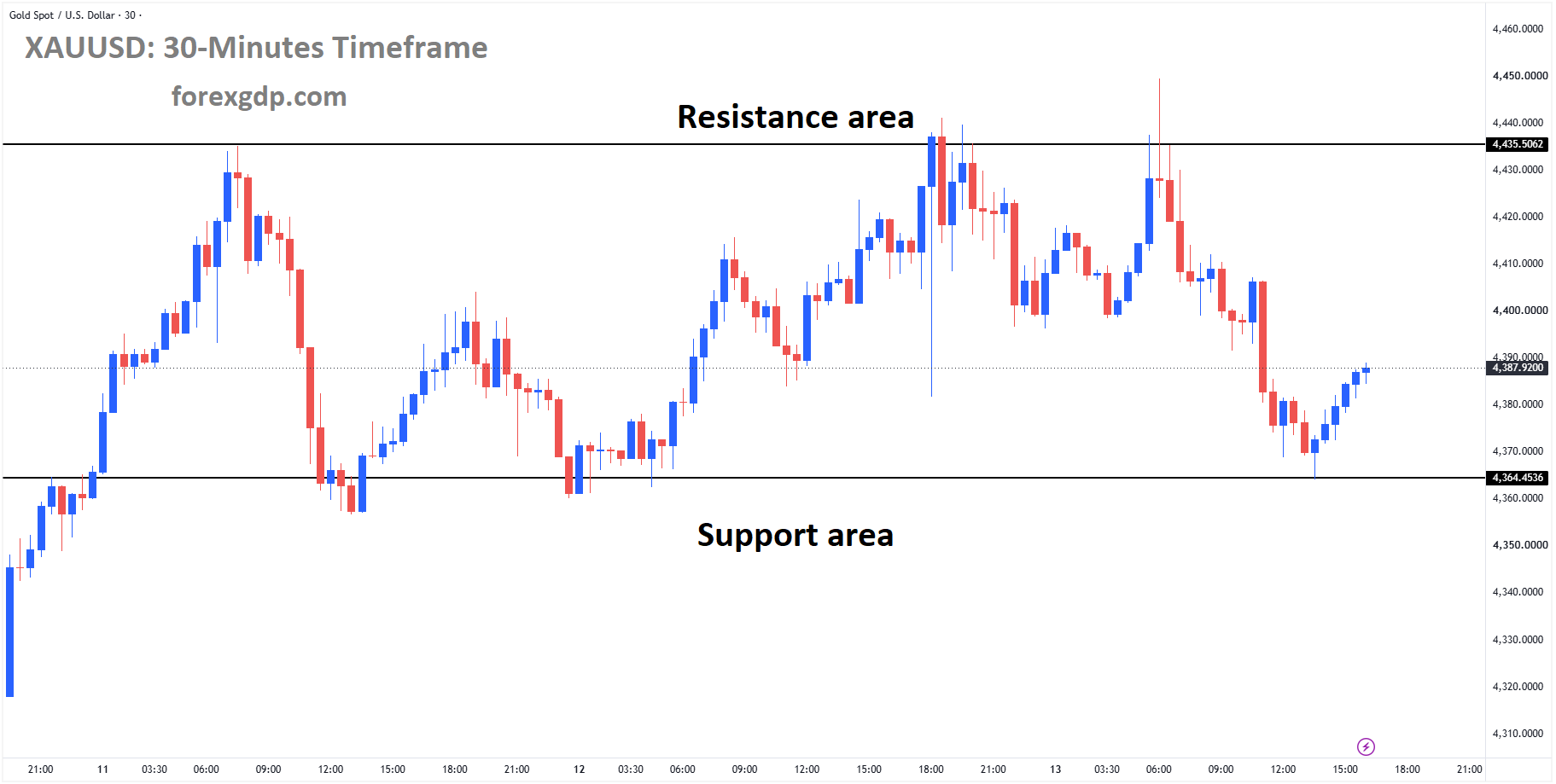
XAUUSD is moving in a box pattern, and the market has rebounded from the support area of the pattern
Gold gave up its earlier gains on Thursday after briefly reaching its strongest level in more than two months. The precious metal initially benefited from signs that inflation in the United States was beginning to cool. However, the positive mood did not last long.
Investors quickly turned their attention back to rising energy costs and the possibility that expensive oil could create a fresh wave of inflation. These concerns helped strengthen expectations that the US Federal Reserve could raise interest rates during 2026.
The US dollar also gained support from geopolitical uncertainty in the Middle East. As the dollar recovered, gold lost some of its appeal and moved lower during the European trading session.
The pullback showed that investors remain divided about the outlook for inflation, interest rates, and global economic conditions. Although weaker US employment data and softer inflation figures have provided some support for gold, concerns about energy supplies continue to shape market sentiment.
US Inflation Shows Signs of Moderation
The latest US Consumer Price Index report offered evidence that inflation was gradually easing. Data released by the US Bureau of Labor Statistics showed that annual headline inflation slowed slightly in July, matching economists’ expectations.
Core inflation, which removes food and energy costs because they can change sharply from month to month, also increased at the pace analysts had predicted. The figures suggested that underlying inflation was not accelerating as quickly as some investors had feared.
This development initially supported gold. Lower inflation can reduce pressure on the Federal Reserve to raise interest rates. It may also give policymakers more time to study the economy before making another decision on borrowing costs.
Gold often benefits when expectations for higher interest rates weaken. The metal does not provide regular interest payments, so it can become less attractive when investors can earn stronger returns from bonds and other interest-bearing assets. When borrowing costs are expected to remain steady or decline, that disadvantage becomes less significant.
The inflation report followed a weaker-than-expected US employment update. Recent labor market figures indicated that job creation had lost momentum, adding to the argument that the Federal Reserve could keep rates unchanged at its September meeting.
Together, softer inflation and weaker employment growth appeared to give the central bank more flexibility. Policymakers may not need to act immediately if the economy continues to cool at a controlled pace.
However, the economic picture is being complicated by events outside the United States.
Oil Volatility Revives Inflation Fears

Energy prices remain a major concern for investors because oil affects transportation, manufacturing, agriculture, and consumer goods. A sustained increase in oil costs can spread through the wider economy and make everyday products more expensive.
The continuing standoff between the United States and Iran has increased fears about possible disruptions to global energy supplies. The Strait of Hormuz remains at the center of these concerns. It is one of the world’s most important shipping routes for oil and other energy products.
US President Donald Trump claimed that Washington had gained “total control” over the strategic waterway. Iran, meanwhile, said it would continue restricting access until its demands were satisfied.
Any prolonged disruption in the region could create serious challenges for international shipping. Even when physical supplies are not immediately affected, the threat of conflict can raise insurance, security, and transportation costs.
Tensions have also increased around the Red Sea and the Bab el-Mandeb Strait. Iran-backed Houthi forces in Yemen have stepped up attacks on commercial vessels, including ships linked to Saudi Arabia.
These attacks have encouraged shipping companies and insurers to demand higher war-risk premiums. Some vessels may also be forced to use longer routes to avoid dangerous waters. Such changes can increase delivery times and operating expenses, placing additional pressure on global supply chains.
The uncertainty has helped keep oil supported, despite signs that US inflation is moderating. Investors fear that rising energy costs could reverse some of the recent progress made in controlling consumer prices.
Federal Reserve Expectations Support the Dollar
Renewed inflation concerns have kept the possibility of another Federal Reserve rate increase on the table. Market participants continue to see a strong chance that the central bank will raise borrowing costs at least once during 2026.
Federal Reserve officials must balance several competing risks. Keeping rates high for too long could weaken economic activity and place greater pressure on the labor market. On the other hand, easing policy too early could allow inflation to return, especially if energy prices remain elevated.
This difficult balance has encouraged investors to remain cautious. The latest inflation figures may justify holding rates steady in the near term, but they do not fully remove the risk of future tightening.
Expectations for higher borrowing costs have helped the US dollar recover from its earlier weakness. Geopolitical concerns have also increased demand for the American currency, which is often treated as a defensive asset during periods of international instability.
A stronger dollar can weigh on gold because the metal is generally traded in the US currency. When the dollar rises, gold becomes more expensive for buyers using other currencies. This can reduce international demand and create selling pressure.
The dollar’s rebound therefore played an important role in gold’s retreat from its earlier high. Investors who had bought the metal after the inflation report appeared to reduce their positions as concerns about oil, interest rates, and Middle East tensions returned.
Upcoming US Data Could Shape Sentiment
Attention will now turn to the latest US Producer Price Index report. This data measures changes in the prices received by domestic producers and can provide early clues about inflation pressures moving through the supply chain.
If businesses are paying more for materials, transportation, and energy, they may eventually pass those costs on to consumers. A stronger producer inflation reading could reinforce expectations that the Federal Reserve will need to maintain a firm policy stance.
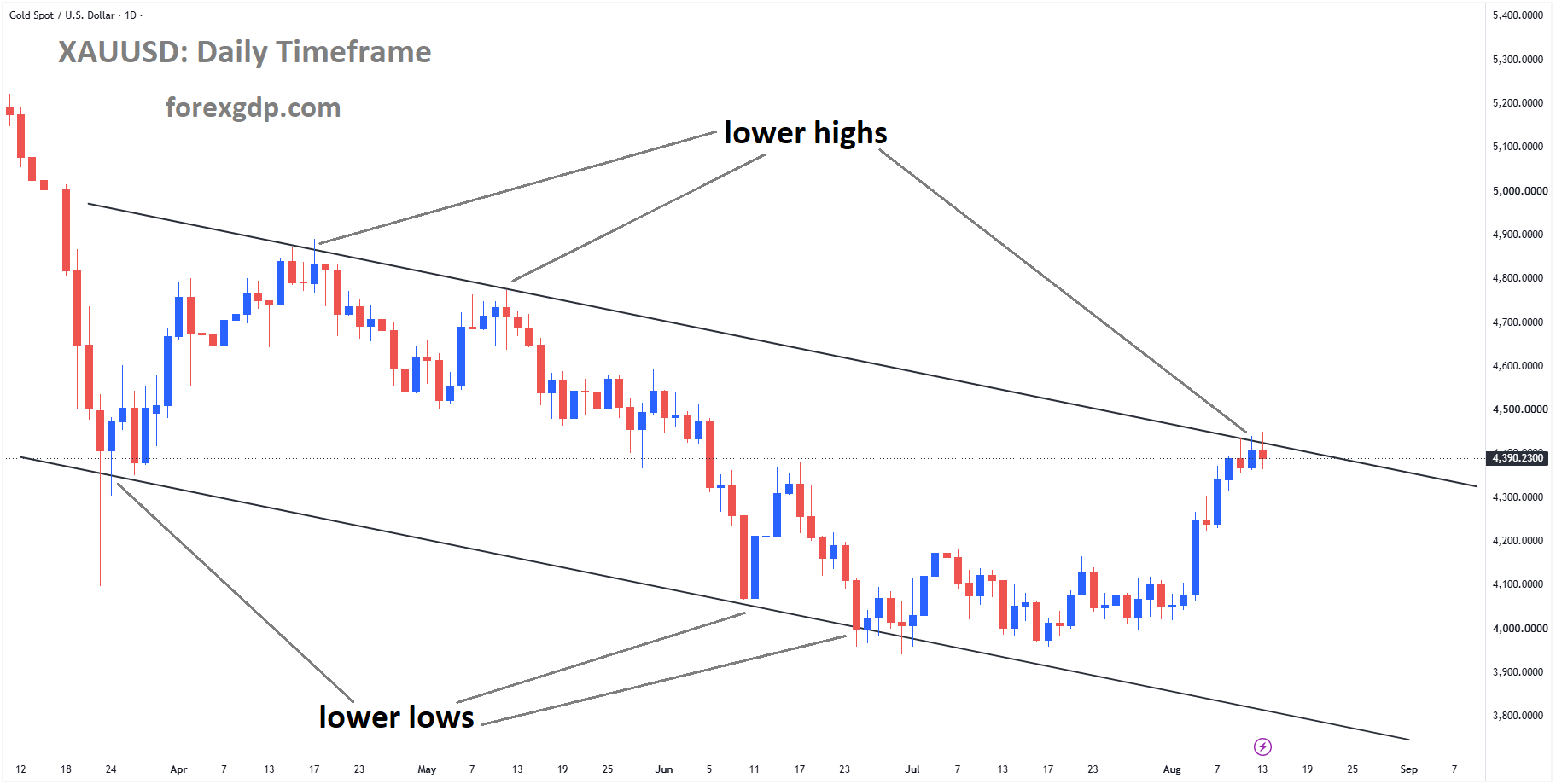
XAUUSD reached the lower high area of the descending channel
Investors will also examine weekly jobless claims for additional information about the health of the US labor market. A noticeable increase in unemployment claims could suggest that economic conditions are weakening. Lower claims, however, may show that employers are still reluctant to reduce their workforces.
Comments from Federal Open Market Committee members will receive close attention as well. Traders will look for guidance on how officials view the combination of softer consumer inflation, weaker employment growth, and rising energy risks.
The central bank’s message could influence demand for the dollar and shape the near-term direction of gold. At the same time, fresh developments in the Middle East may continue to produce sudden changes in investor sentiment.
Summary
Gold struggled to hold its early gains as investors shifted their focus from cooling US inflation to the risk of higher energy costs. The latest consumer inflation and employment figures gave the Federal Reserve room to keep interest rates steady in the near term, but they did not eliminate the possibility of tighter policy later.
Tensions involving the United States, Iran, and Houthi forces have increased concerns about major shipping routes and global oil supplies. These risks have supported inflation expectations and strengthened the US dollar, placing pressure on gold.
Upcoming producer inflation data, jobless claims, Federal Reserve speeches, and developments in the Middle East will remain important for market sentiment. Until the outlook becomes clearer, gold may continue to react sharply to changes in inflation expectations, monetary policy, and geopolitical risk.