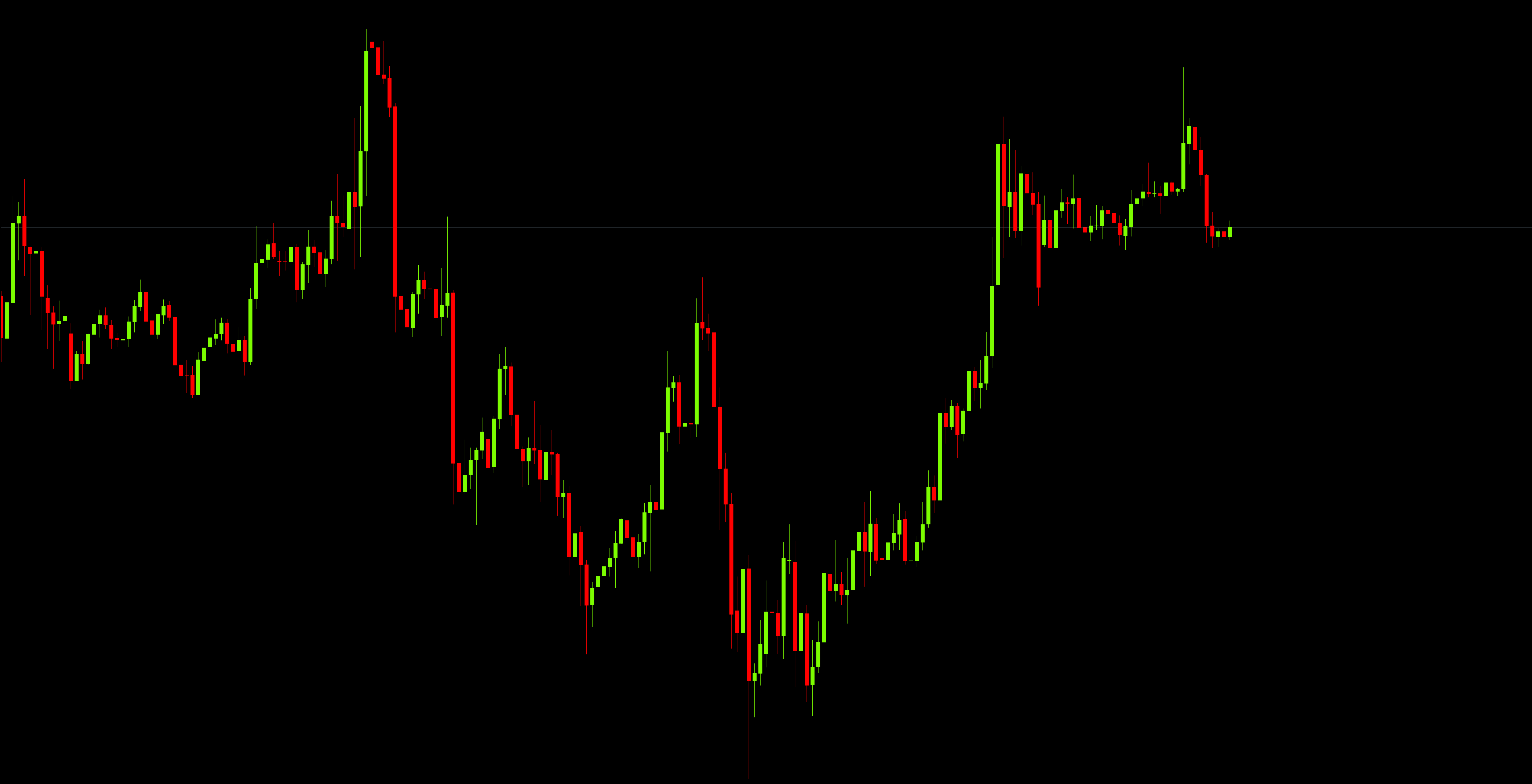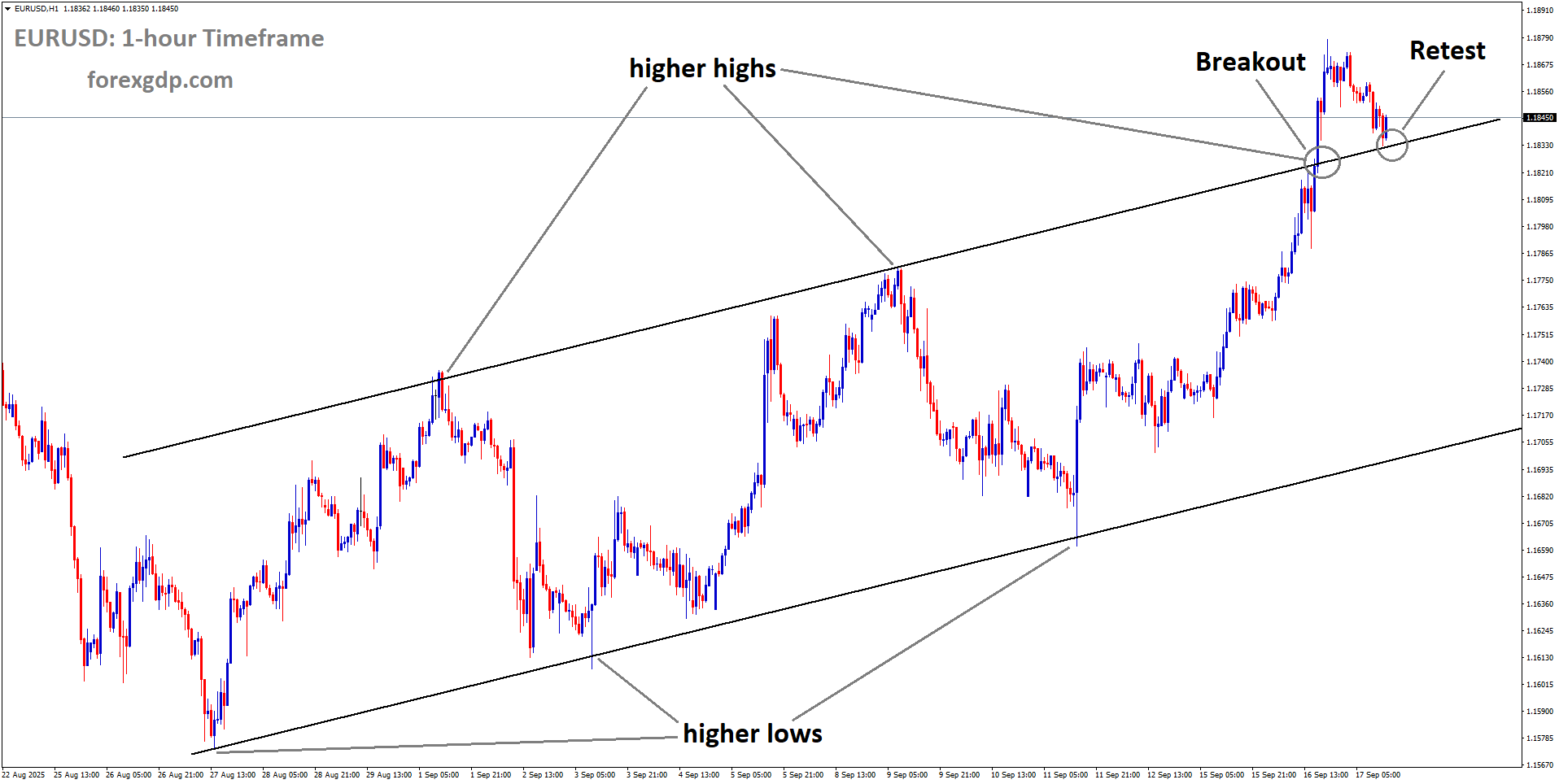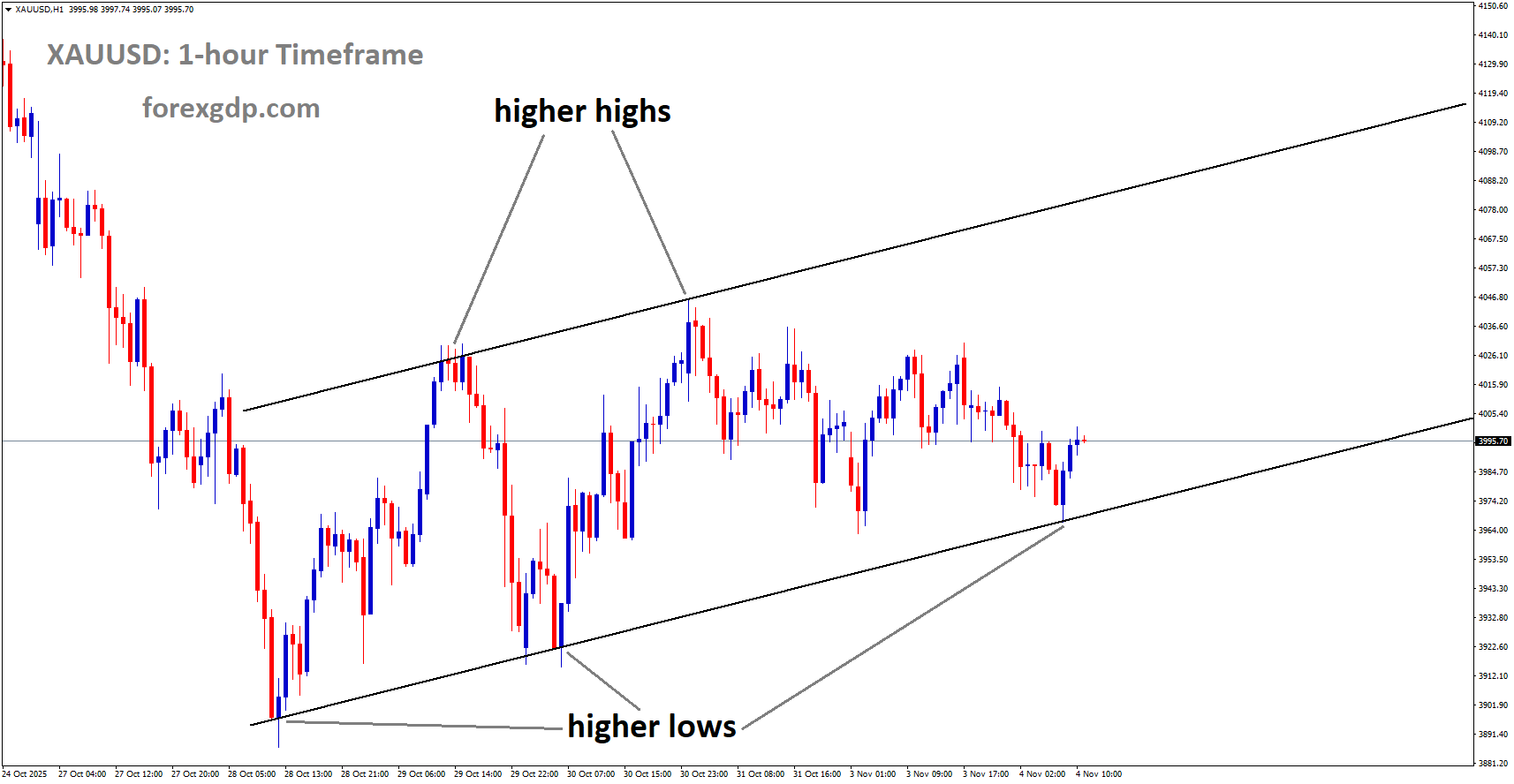


XAUUSD reached the retest area of the broken Ascending channel
Gold has taken a short break after a strong upward move, with many investors choosing to lock in profits rather than push prices higher right now. Even so, the broader mood around gold remains positive. Ongoing global tensions and expectations that the US central bank may lower interest rates continue to offer support. For now, traders appear cautious and are waiting for fresh economic data from the United States to guide the next move.
While gold has pulled back slightly during the European trading hours, selling pressure has remained limited. This suggests that the recent dip is more about short-term positioning than a change in the overall outlook. Many market participants still see gold as an important safe place to park money during uncertain times.
Profit-Taking Slows Gold’s Momentum
After a steady rise, it is common for investors to take some money off the table. That is exactly what seems to be happening with gold. The metal had benefited from strong demand driven by fear and uncertainty, but once prices climbed sharply, some traders decided it was time to secure gains.
Recent military action by the United States in Venezuela initially pushed investors toward safe-haven assets like gold. However, as the news settled in and markets adjusted, risk appetite returned in some areas. Major US stock indexes moved higher, showing that many investors were not overly alarmed by the latest developments. This shift reduced the immediate rush into gold and encouraged profit-taking instead.
Still, this pause does not mean that interest in gold has faded. It reflects a market that is balancing recent gains against ongoing risks. Many investors prefer to wait for clearer signals before making their next move.
Geopolitical Risks Keep Gold in Focus

Even though some investors are stepping back temporarily, global tensions remain a strong reason to stay interested in gold. The political landscape continues to look unstable, with several issues keeping markets on edge.
The US government has recently used strong language and actions toward multiple countries in the Americas. In addition to the situation in Venezuela, there have been warnings directed at Colombia and Mexico as part of a broader campaign against criminal groups and regional instability. These comments have raised concerns about a wider conflict, even if markets have not fully reacted yet.
At the same time, renewed discussion about the United States potentially acquiring Greenland has added another layer of uncertainty. While such ideas may sound unlikely, they still point to a more aggressive and unpredictable tone in global politics. History shows that gold often benefits when investors feel unsure about the future.
Beyond the Americas, tensions remain high in other parts of the world. The lack of progress in peace talks between Russia and Ukraine continues to worry investors. Unrest in Iran and ongoing issues related to Gaza also contribute to a fragile global environment. Together, these factors help keep gold attractive as a store of value during uncertain times.
Expectations of Easier US Monetary Policy
Another major factor supporting gold is the growing belief that the US Federal Reserve may cut interest rates again. Gold does not offer interest or yield, so it tends to perform better when borrowing costs are expected to fall. Lower rates reduce the appeal of holding cash and other interest-based assets, making gold more competitive.
Market expectations currently suggest that the Federal Reserve could begin lowering rates as early as the spring, with the possibility of another cut later in the year. These expectations have put pressure on the US dollar, which often moves in the opposite direction of gold. A weaker dollar generally makes gold more appealing to investors around the world.
Comments from Federal Reserve officials have reinforced this cautious approach. Policymakers have emphasized that future decisions will depend heavily on incoming economic data. They are watching both inflation and employment closely and remain aware of the risks on both sides of their mandate.
This data-driven stance keeps markets guessing and adds to short-term uncertainty. For gold, that uncertainty can be a positive factor, especially if the data points toward slower growth or easing inflation pressures.
Investors Await Key US Economic Data

With so many questions still unanswered, investors are now turning their attention to upcoming US economic reports. These releases are expected to provide clearer clues about the health of the economy and the likely path of interest rates.
Employment data is especially important. Reports on private-sector hiring, job openings, and overall labor market conditions will help shape expectations around future Federal Reserve actions. A weaker labor market could strengthen the case for rate cuts, while strong numbers might delay them.
Inflation data is another major focus. Investors want to see whether price pressures continue to ease or show signs of picking up again. Any surprises in these reports could quickly shift market sentiment and drive renewed movement in gold.
Because of this, many traders are choosing to stay on the sidelines for now. Rather than making bold moves ahead of these reports, they prefer to wait for confirmation. This cautious approach explains why gold has remained relatively stable despite recent selling.
Gold’s Role in a Changing Market Landscape
Gold’s recent behavior highlights its role as both a safe haven and a trading asset. In times of rising fear, demand can surge quickly. When markets calm down, even briefly, profit-taking often follows. This push and pull is a normal part of gold’s price action.
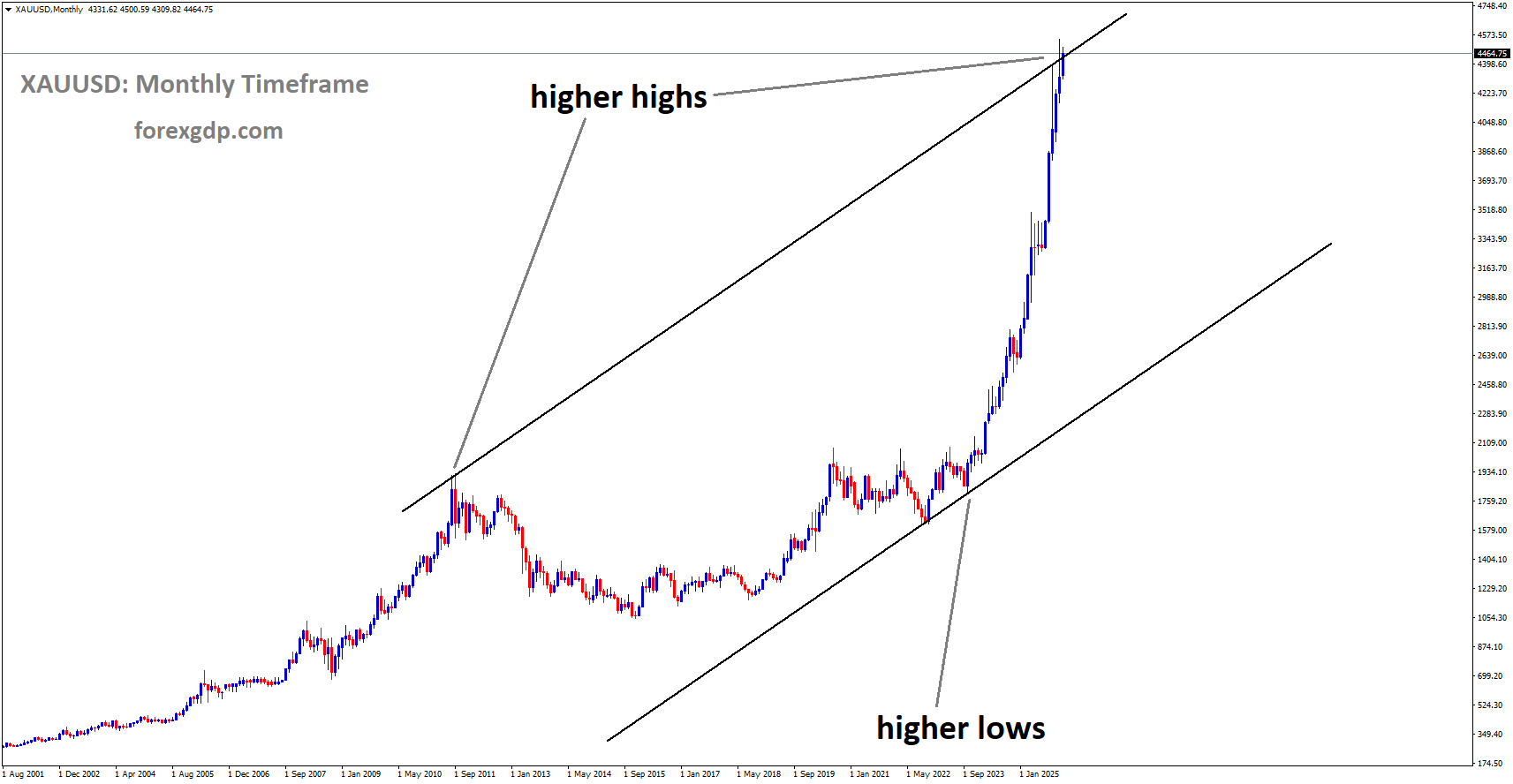
XAUUSD is moving in an uptrend channel, and the market has reached a higher high area of the channel
What stands out is that selling has been limited. This suggests that long-term confidence in gold remains strong. Many investors continue to see it as protection against political uncertainty, economic slowdown, and shifting central bank policies.
Gold also benefits from diversification demand. With stocks reaching new highs and bond markets adjusting to changing rate expectations, some investors prefer to keep part of their portfolio in assets that behave differently. Gold often fills that role, especially when the outlook for traditional markets becomes less clear.
Summary
Gold has eased slightly after a strong run, mainly due to short-term profit-taking. Despite this pause, the broader outlook remains supportive. Ongoing geopolitical tensions, uncertain global politics, and expectations of easier US monetary policy continue to make gold appealing to many investors. With key US economic data on the horizon, markets are in a wait-and-see mode. The next set of numbers could provide the direction investors are looking for, but until then, gold remains firmly in focus as a trusted asset during uncertain times.