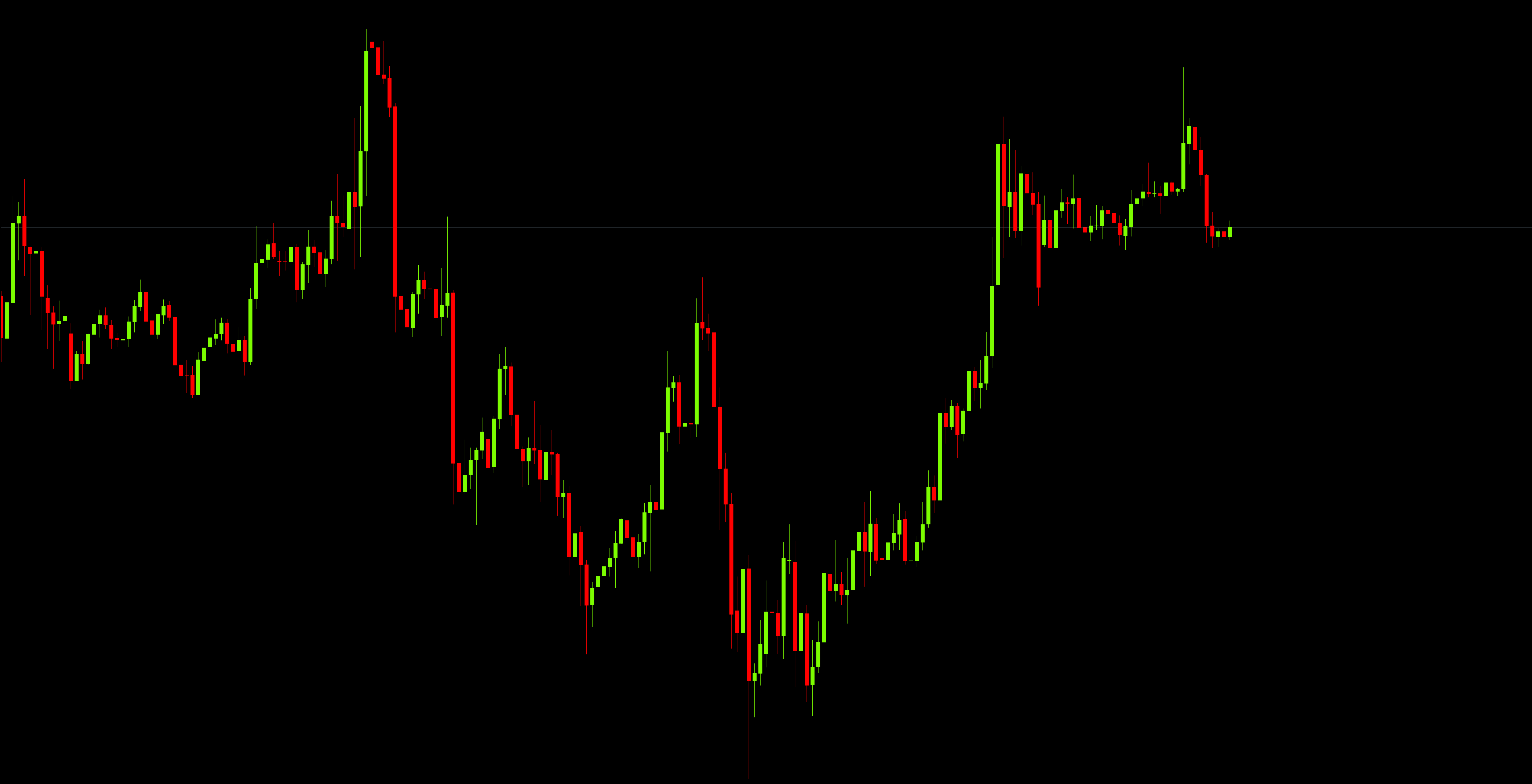
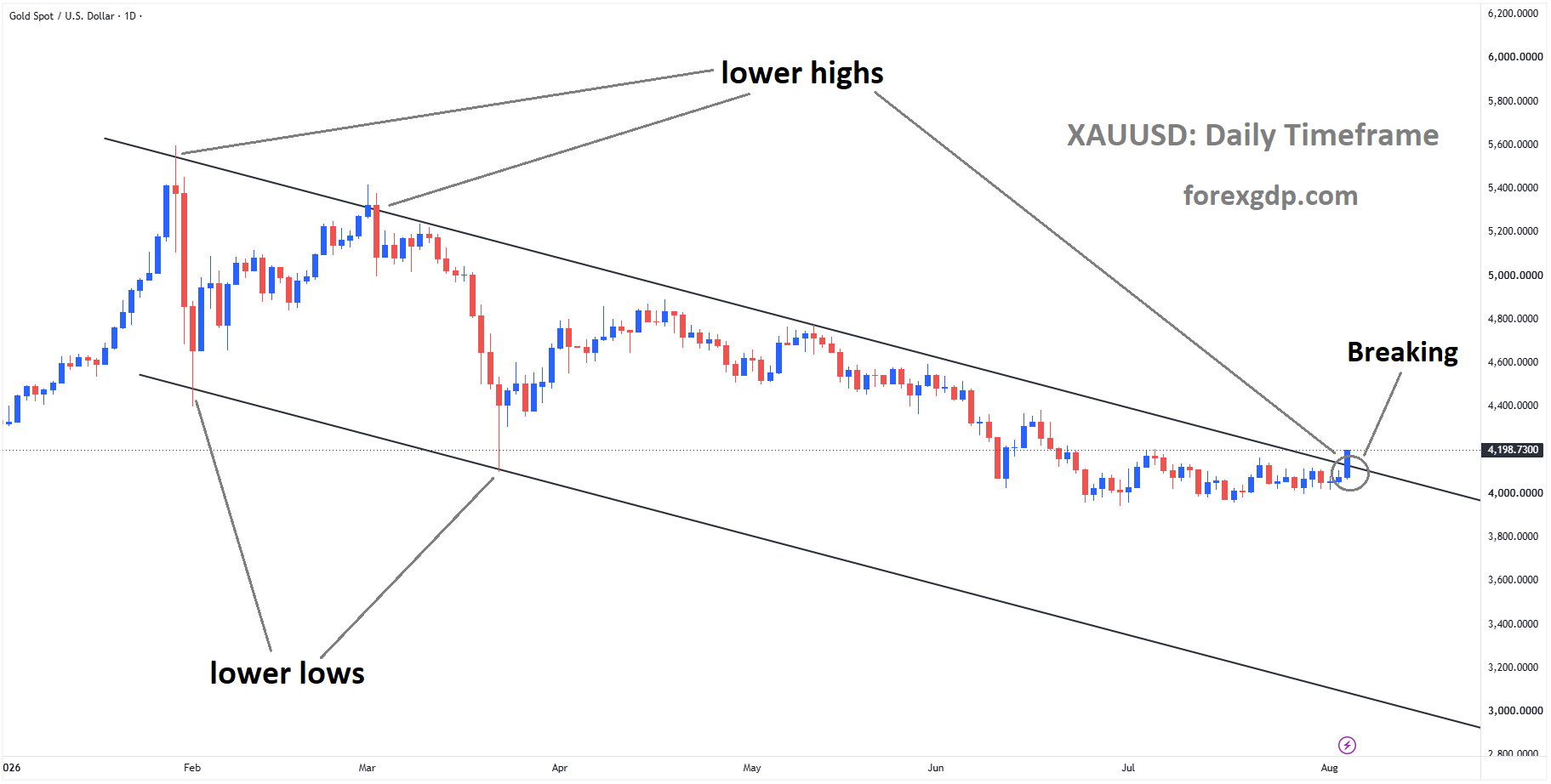
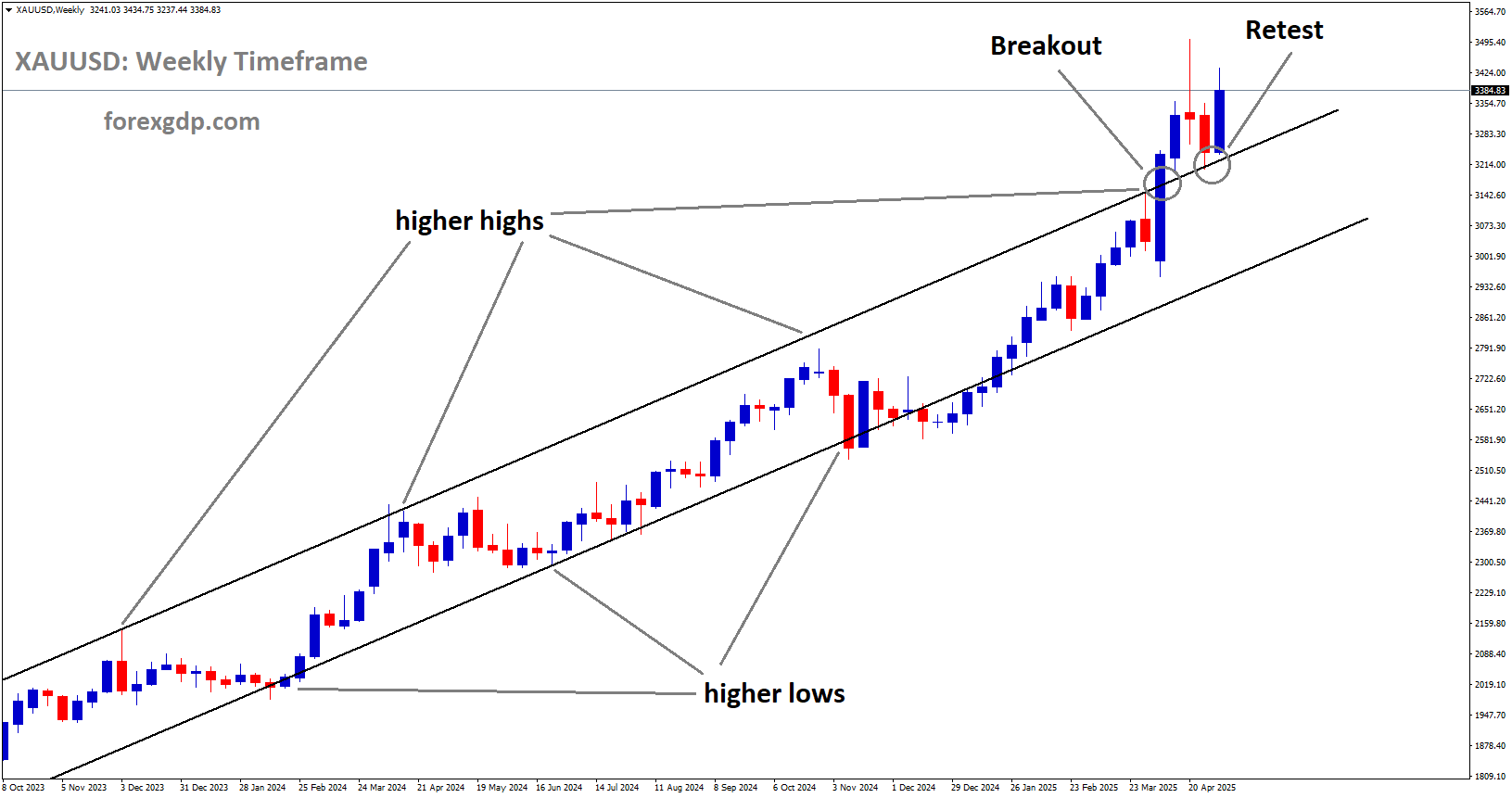
XAUUSD is moving in a descending channel, and the market has fallen from the lower high area of the channel
Gold slipped a little during early European trading on Thursday, falling back from its strongest levels in about seven weeks. After a solid run higher, many traders chose to lock in profits. At the same time, the US Dollar found fresh strength, which often makes Gold less attractive for buyers using other currencies.
Still, the pullback looks more like a pause than a full change in direction. Expectations that the US Federal Reserve may keep moving toward lower interest rates, along with rising global tensions, could keep safe-haven interest in Gold alive and limit how far it can fall. The next big test for the market arrives later today with the release of the US Consumer Price Index (CPI) report for November, a key signal for inflation and future Fed policy.
Why Gold Is Softening in Early Thursday Trading
Gold often climbs when investors feel uneasy and falls when confidence improves. But short-term moves can also be driven by something much simpler: traders taking money off the table after a strong rally.
That’s what appears to be happening now. With Gold recently reaching its highest point in roughly seven weeks, some investors are choosing to secure gains rather than risk a pullback wiping out profits. This kind of profit-taking is common, especially ahead of major economic reports that can quickly shift market expectations.
Another important factor is the US Dollar. When the Dollar strengthens, Gold can become more expensive for buyers outside the United States. That can reduce demand and push prices down, even if the bigger long-term story still favors Gold.
In other words, Gold isn’t necessarily falling because its role as a safe place to park money has weakened. It’s drifting lower because the market is reacting to near-term positioning, and because the Dollar is showing renewed life.
Interest Rate Expectations Still Matter a Lot for Gold
One of the most powerful forces behind Gold is the direction of US interest rates. Gold does not pay interest, so when interest rates are high, some investors prefer assets that offer yield. When rates move lower, the “cost” of holding Gold tends to feel smaller, and the metal often benefits.

Recent US jobs data has strengthened the belief that more Fed rate cuts could be ahead. The latest report showed job growth recovering in November, but the unemployment rate moved up compared with the previous month. That mix has been enough to keep markets thinking the Fed may still need to ease policy further, especially if inflation continues to cool.
At the same time, Fed officials are not all on the same page. Some have signaled support for additional cuts to move policy back toward a more neutral setting, while others argue there is no need to rush and that inflation is still a concern. This split is important because it creates uncertainty—and uncertainty is often supportive for Gold.
There is also a political layer in the background. US President Donald Trump has said he wants a future Fed leader who supports much lower interest rates and has indicated he will soon name a successor to Fed Chair Jerome Powell. Even without any immediate changes, comments like these can add tension around future policy direction, and markets tend to price that uncertainty quickly.
What Traders Are Really Watching in Rate-Cut Bets
A useful way to understand sentiment is to look at what traders are pricing into interest rate expectations. After the latest jobs report, futures markets increased the implied chance of a rate cut at the next meeting. When those odds rise, Gold often gets support, because it signals a friendlier environment for non-yielding assets.
That doesn’t mean Gold must rise every time rate-cut expectations increase. But it helps explain why Gold’s downside could be limited even when the Dollar rebounds or profit-taking shows up.
Geopolitical Tensions Are Adding a Safe-Haven Bid
Beyond rates and the Dollar, global risk is another major driver. Gold has a long history as a safe-haven asset—something investors tend to buy when they fear disruption, conflict, or financial stress.
This week, tensions involving Venezuela have added to the global risk picture. The Venezuelan government has ordered its navy to escort ships carrying petroleum products from its ports, raising the risk of a confrontation after President Trump ordered a “blockade” aimed at the country’s oil industry. Any developments that threaten energy supply routes or raise the odds of a direct standoff can increase nervousness across markets.
When geopolitics heat up, Gold often draws interest for a simple reason: it is not tied to the health of any single company or government. Investors may not always agree on what’s going to happen next, but many will look for assets that feel more stable during uncertain times.
It’s also worth noting that geopolitical headlines can move markets quickly and unpredictably. Even if the economic data points one way, a sudden escalation in risk can shift attention back to safety in a matter of minutes.
The CPI Report Could Set the Tone for the Rest of the Day
The major event traders are waiting for is Thursday’s US CPI inflation report for November. Inflation data matters because it strongly influences what the Fed can or can’t do next.
Markets are expecting headline CPI to rise 3.1% year over year in November, while core CPI (which excludes food and energy) is projected at 3.0% year over year. Investors will be watching not just the numbers, but how they compare with expectations. A surprise in either direction could quickly change the outlook for rate cuts—and by extension, the direction of the Dollar and Gold.
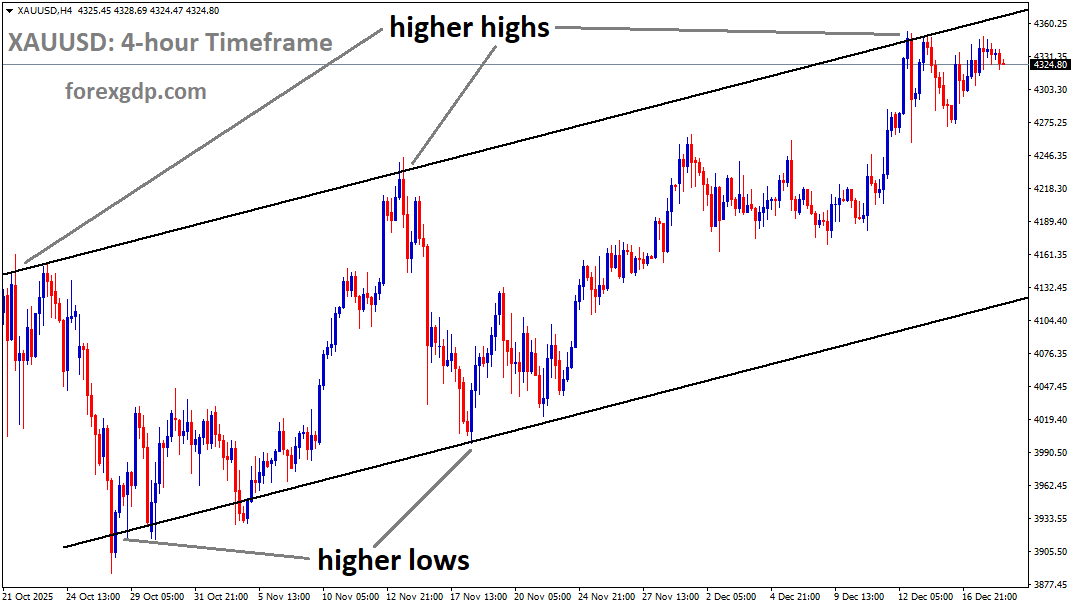
XAUUSD is moving in an uptrend channel
One reason this CPI report is drawing extra attention is seasonality. Citigroup economist Veronica Clark noted that November may capture a period that reflects holiday-season discounting more than usual, which could make the data look softer. If that happens, some parts of inflation might bounce back later, which would complicate the story for the Fed.
Alongside CPI, traders will also look at weekly US Initial Jobless Claims, another snapshot of labor market conditions. While jobless claims usually don’t have the same market impact as CPI, they can still matter on a day when investors are debating how quickly the economy is cooling.
What Different CPI Outcomes Could Mean for Gold
-
If inflation comes in hotter than expected: The market may reduce the odds of near-term rate cuts. That could strengthen the Dollar and put short-term pressure on Gold.
-
If inflation comes in cooler than expected: Rate-cut expectations could increase, the Dollar could soften, and Gold could regain momentum.
-
If inflation matches expectations: Markets may shift attention back to geopolitics, Fed commentary, and broader risk sentiment, keeping Gold trading in a more headline-driven way.
Final Summary
Gold is easing back early Thursday in Europe as traders take profits and the US Dollar rebounds. Even so, expectations that the Federal Reserve could continue cutting rates—combined with rising geopolitical tensions involving Venezuela—may help limit the downside and keep safe-haven demand in play. The key moment for the day will be the US November CPI report, which could reshape interest rate expectations and set the near-term direction for both the Dollar and Gold.