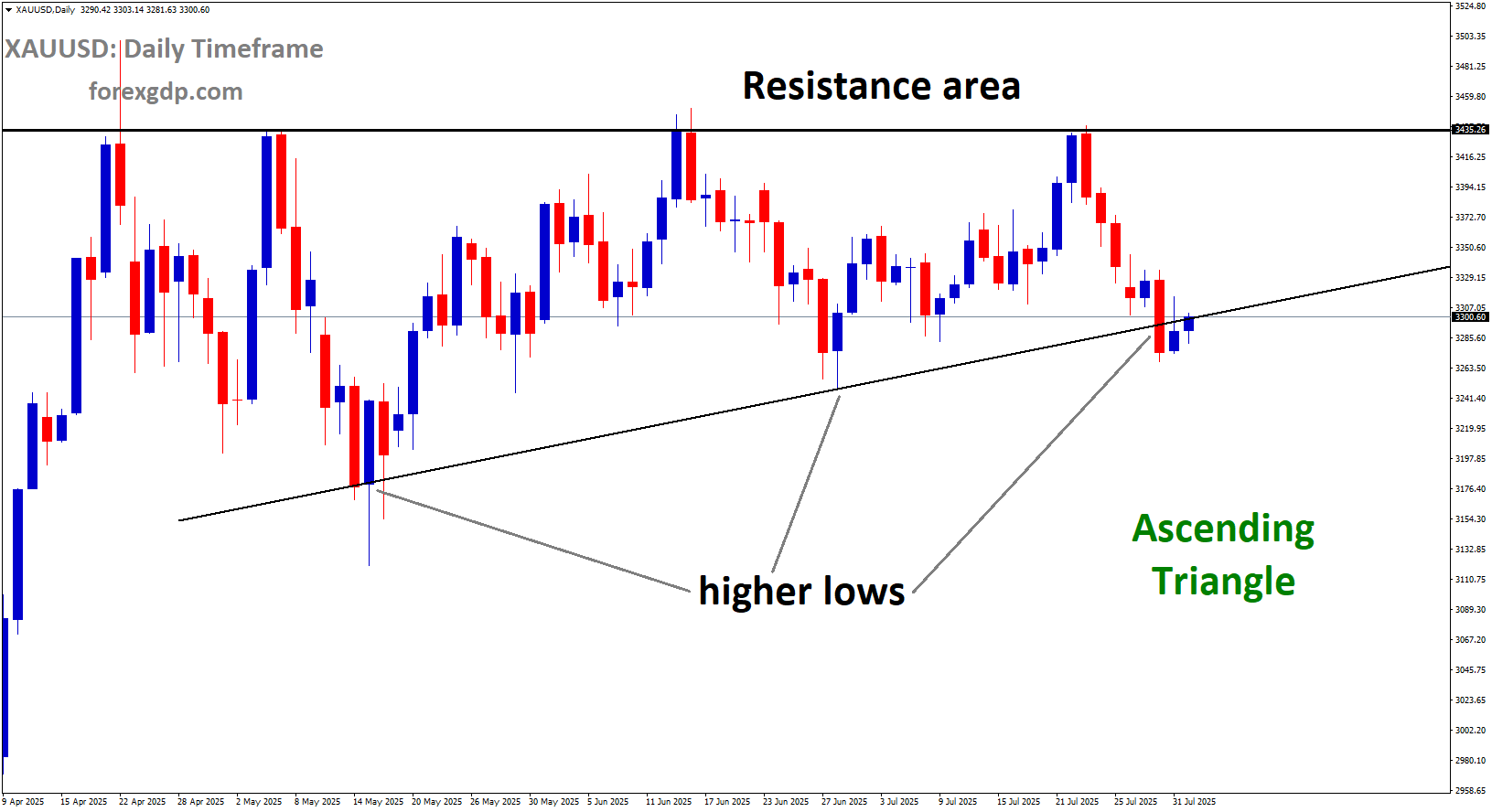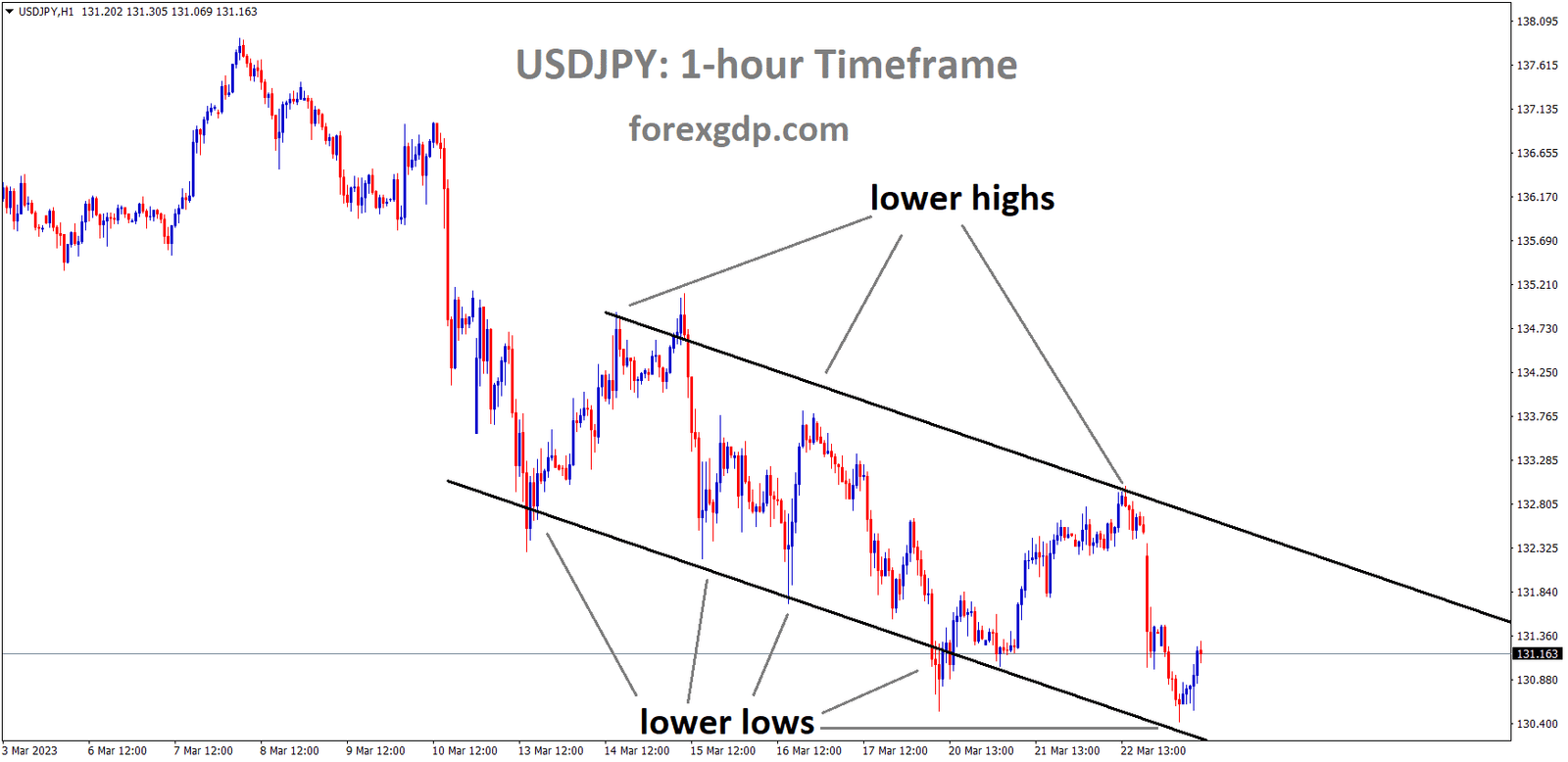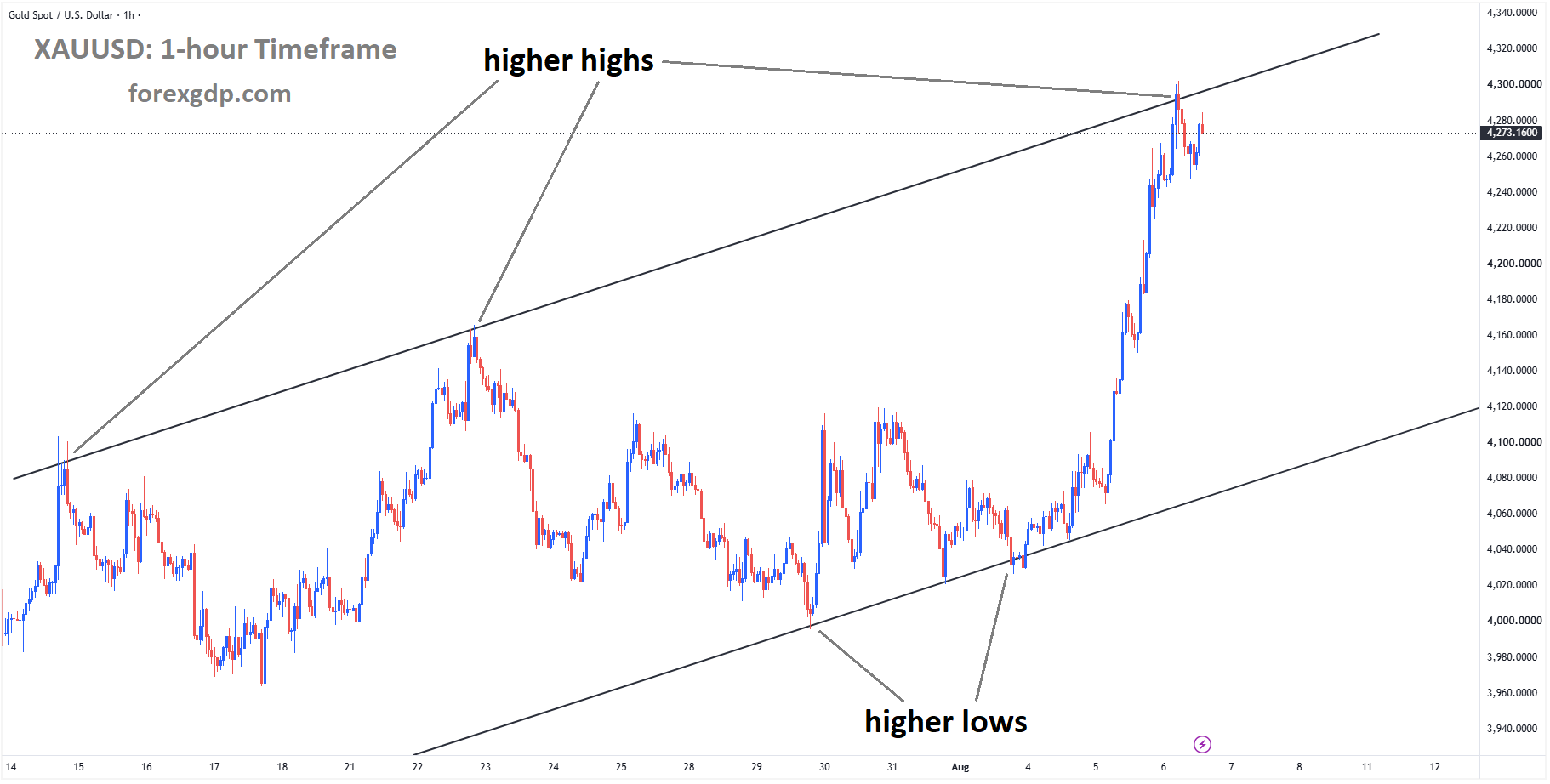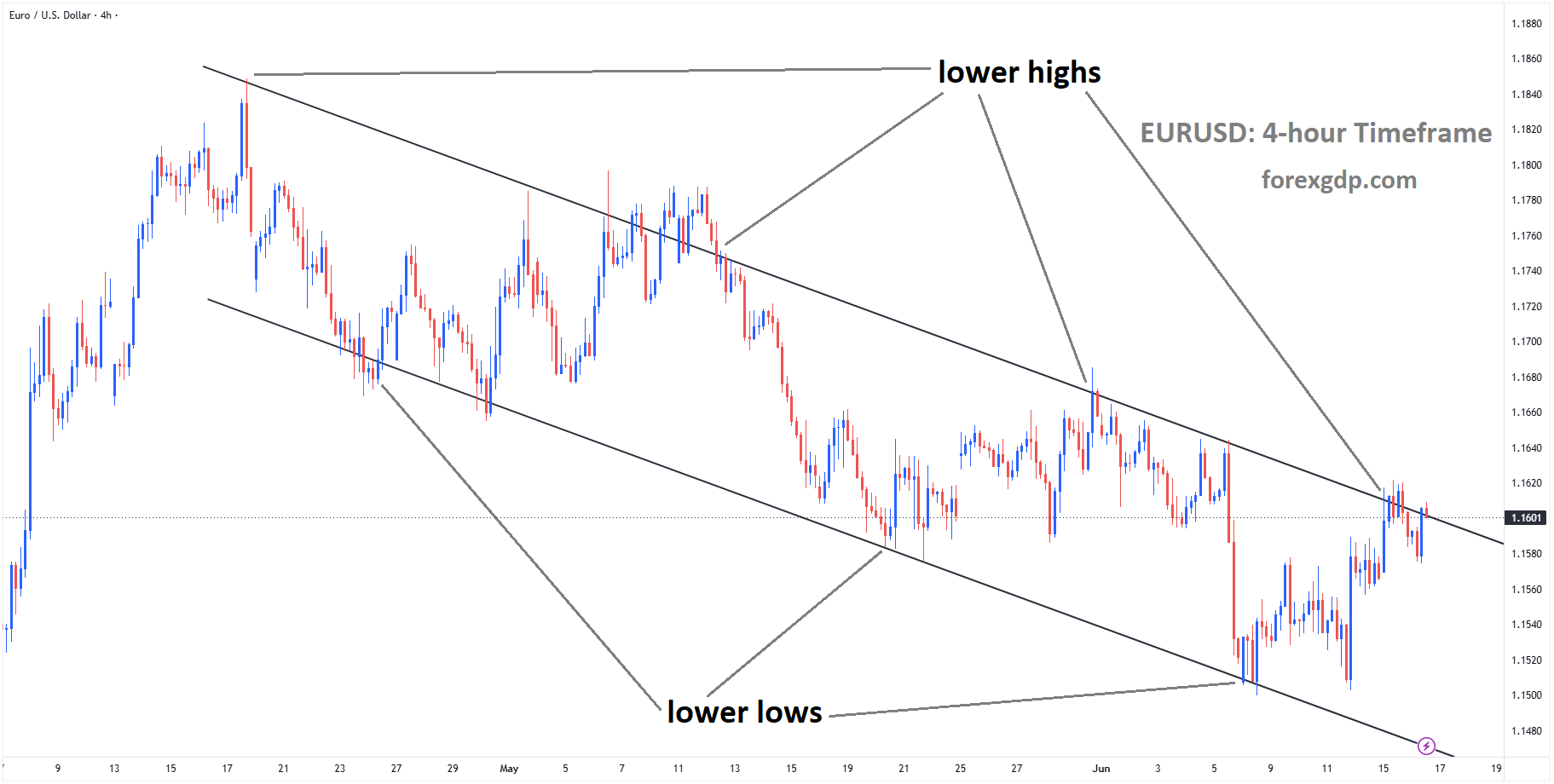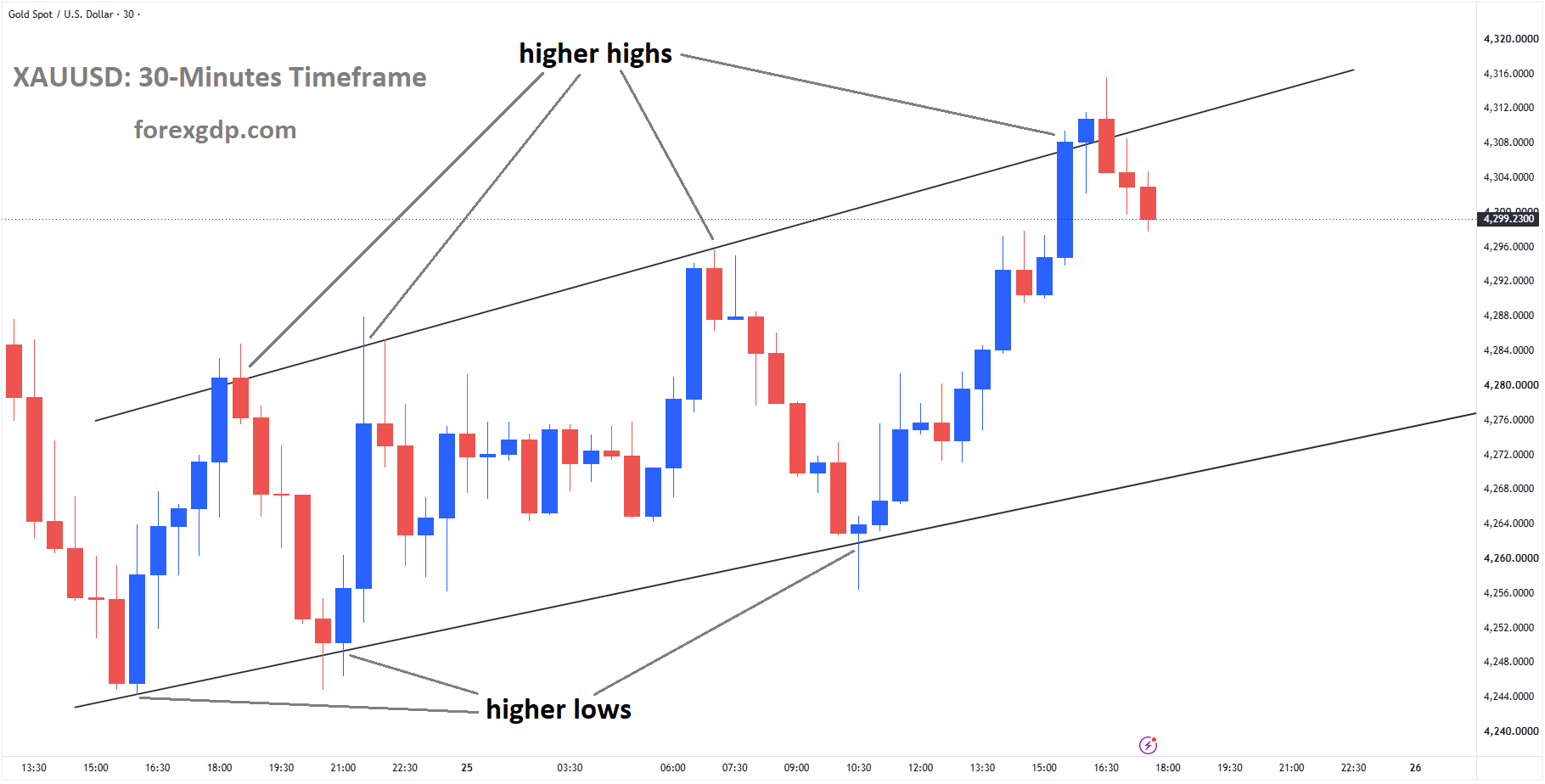
XAUUSD is falling from the higher high area of the ascending channel
Gold has edged higher after falling to its lowest level in a week. A pause in the US Dollar’s rise and a slight decline in Treasury yields have given the precious metal some room to recover. Even so, the move comes after a difficult week for gold, and investors remain focused on the possibility of another Federal Reserve interest rate increase.
The next test may come from a busy week of US economic reports. Inflation figures, manufacturing data and the monthly jobs report could all influence how investors view the Fed’s next decision. Until then, changes in the Dollar and bond yields may continue to shape demand for gold.
Why Gold Has Found Some Relief
Gold came under pressure as the US Dollar and Treasury yields climbed earlier in the week. Both have since eased, giving buyers a reason to return. The Dollar’s movement matters because gold is traded in US currency. When the Dollar rises, gold becomes more expensive for buyers using other currencies, which can weaken demand.
Treasury yields affect gold in a different way. Government bonds pay interest, while gold does not. When bond yields rise, some investors may prefer the income available from bonds. When yields ease, that advantage becomes less pronounced.
Friday’s recovery reflects a break in those pressures. It does not necessarily mean investors have changed their broader view. Many are still weighing the chance of higher US interest rates, which could lend fresh support to the Dollar and yields.
Fed Rate Expectations Remain a Challenge
The Federal Reserve has already raised interest rates, and its policymakers have signaled that further action may be needed this year. Recent US business activity data and comments from Fed officials have strengthened expectations that another increase could come soon.
Fed officials remain concerned about bringing inflation back to their target. Their comments suggest they want to see convincing evidence that price pressures are easing before they consider their work done. That stance has kept investors alert to the possibility of a rate increase at the October meeting.
For gold, the Fed’s direction matters as much as any single decision. If investors become more confident that rates will rise, the Dollar and Treasury yields may strengthen again. If upcoming data points to slower inflation or a cooling economy, expectations could shift and ease some of the pressure on gold.
Neither outcome is certain. The Fed will have more information before its next meeting, and investors may adjust their expectations as each report arrives.
Oil Prices Add to the Inflation Question
Developments in the Middle East are another part of the inflation picture. The conflict has contributed to higher oil prices, raising concerns that energy costs could spread through the wider economy. Businesses may face higher transport and production expenses, while households may pay more for fuel and other essentials.
This creates a difficult question for the Fed. If energy costs keep inflation elevated, policymakers may feel they need to maintain a firm stance on interest rates. That possibility can weigh on gold through its effect on the Dollar and bond yields.
At the same time, uncertainty surrounding the conflict can increase interest in assets that investors traditionally view as stores of value, including gold. These forces can pull in different directions. The effect on gold will depend partly on whether investors focus more on inflation and interest rates or on geopolitical uncertainty.
Reports of discussions between US and Iranian officials have drawn attention, but no agreement has been reached. Investors will continue to watch for developments that could affect oil supplies and the inflation outlook.
US Data Could Shape the Next Move
The coming week brings several reports that could clarify the outlook for US interest rates. The Personal Consumption Expenditures inflation release will receive particular attention because it is an important measure for the Fed. Investors will look for signs that inflation is moving closer to the central bank’s target or proving more persistent than expected.
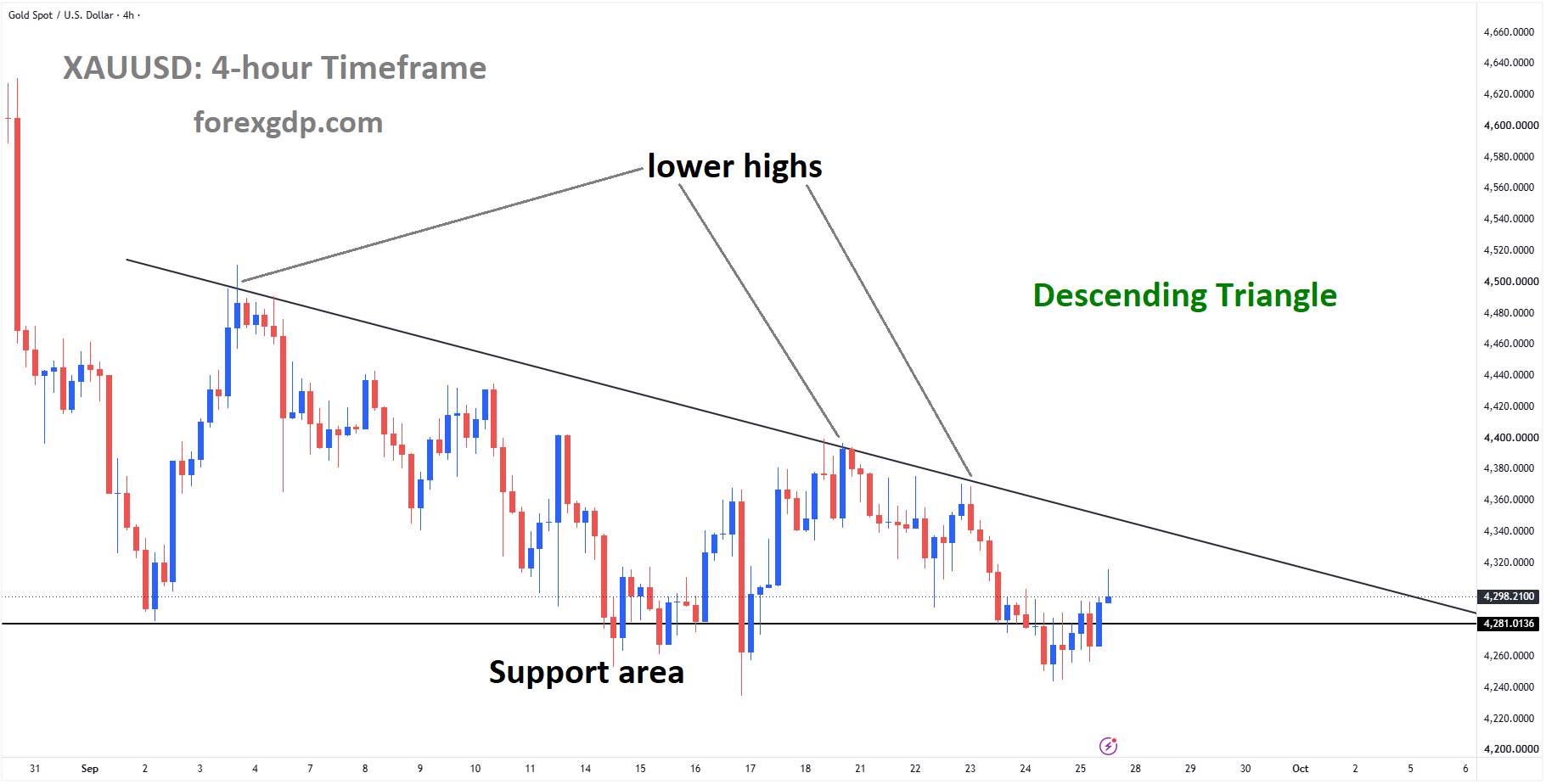
XAUUSD reached the support area of the descending triangle pattern
The ISM Manufacturing PMI will offer a view of conditions in the US manufacturing sector. Strong activity could reinforce the case that the economy can withstand higher interest rates. Weakness, on the other hand, may prompt questions about how much further the Fed needs to go.
The Nonfarm Payrolls report will then show how the labor market is performing. Job growth remains a major consideration for policymakers. A resilient labor market could support expectations of another rate increase, while softer hiring might lead investors to reconsider the timing of the Fed’s next move.
These reports will be read together rather than in isolation. One surprising figure may cause a quick reaction, but a clearer picture will emerge from the combined evidence on inflation, business activity and employment.
Summary
Gold has recovered some ground as the US Dollar and Treasury yields ease, but expectations of another Fed rate increase continue to limit its appeal. Higher oil prices add uncertainty to the inflation outlook, while developments in the Middle East remain in focus.
Next week’s US inflation, manufacturing and jobs data could have a greater influence on what happens next. For now, gold’s recovery rests alongside an unresolved question: whether the incoming evidence will give the Fed reason to raise rates again.