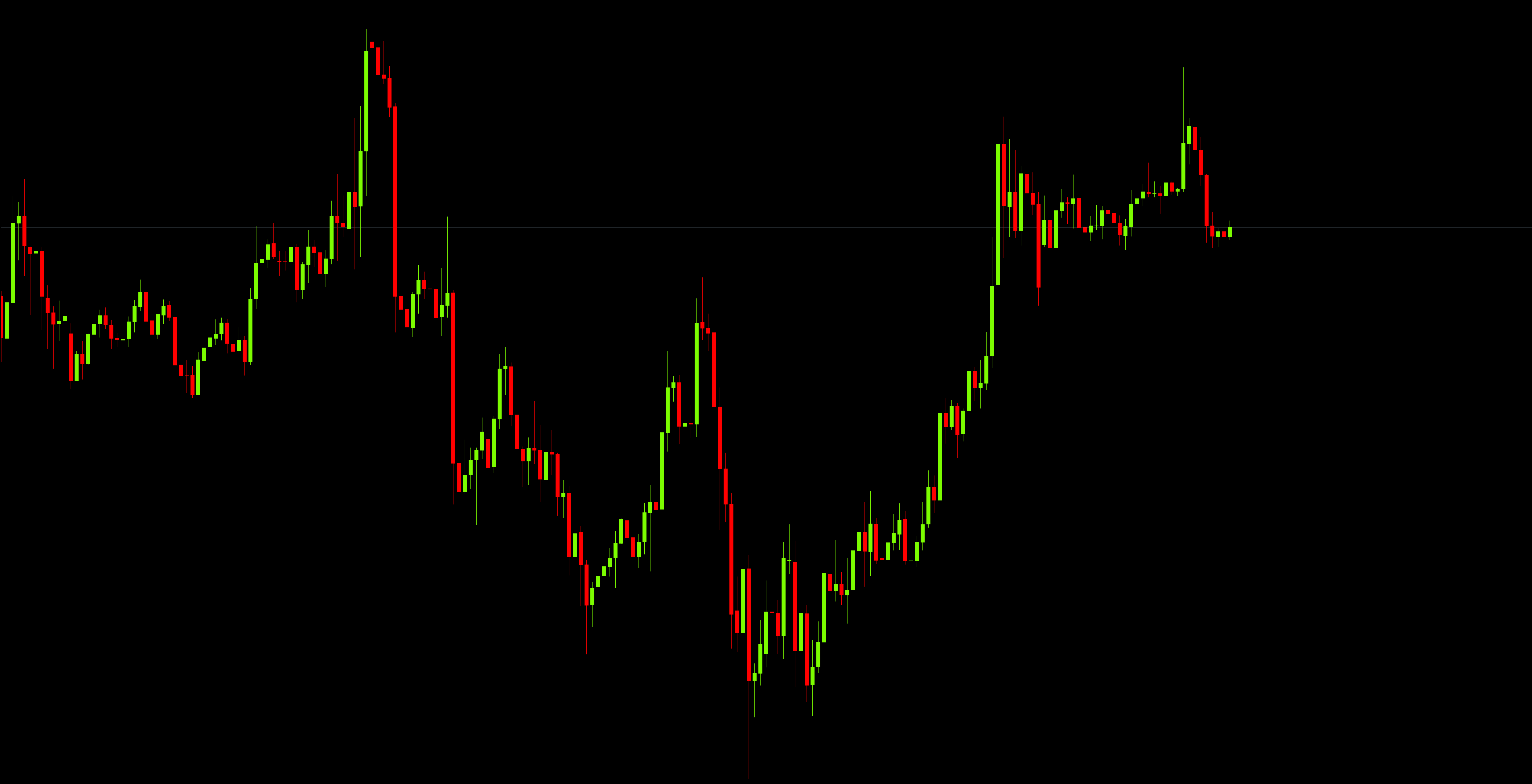
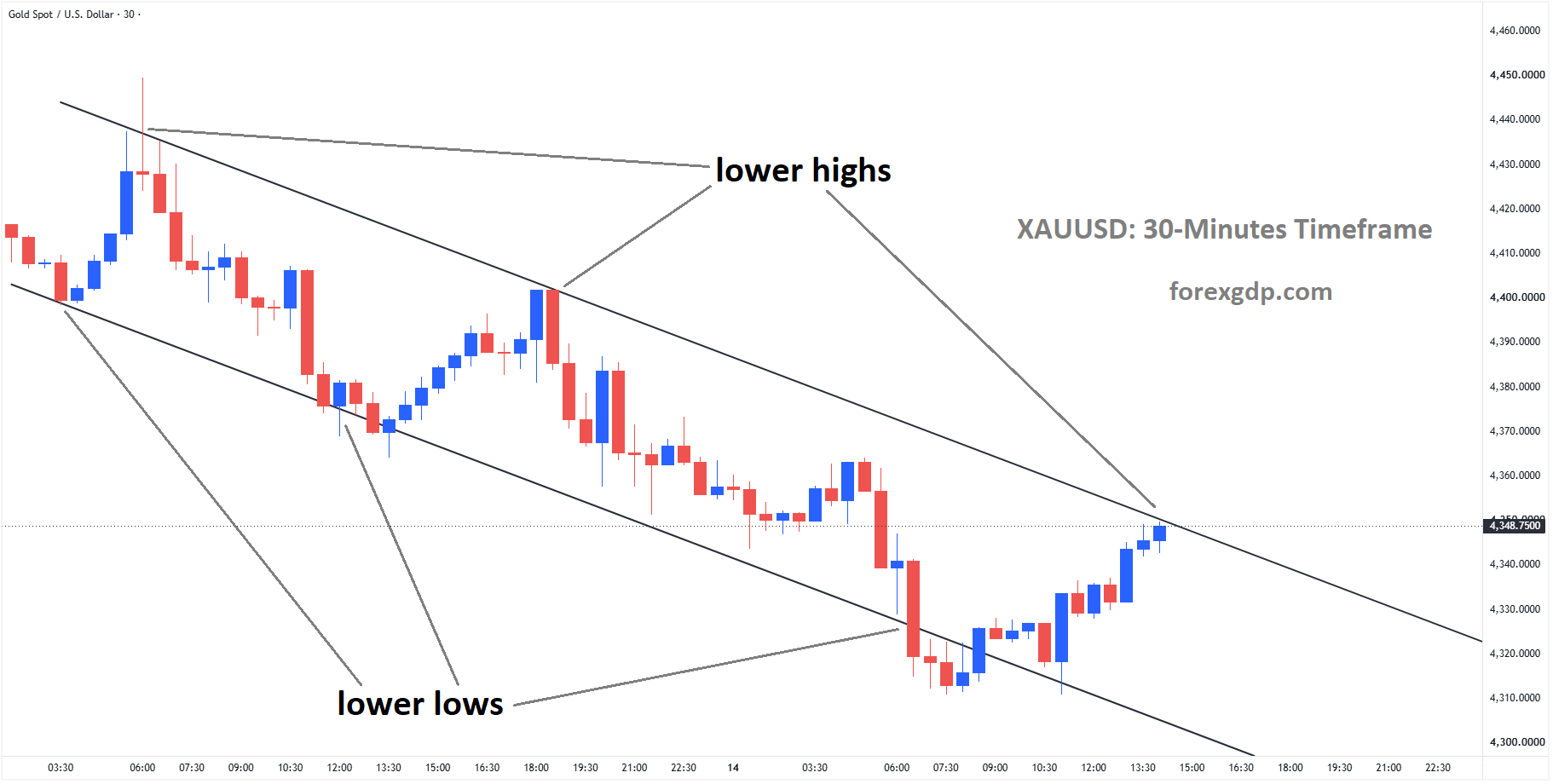
XAUUSD is moving in an uptrend channel, and the market has reached the higher low area of the channel
Gold has once again drawn attention from investors as global economic and political developments continue to influence the precious metal’s direction. Although some buyers stepped in during recent declines, the overall momentum has remained limited. A stronger US Dollar, combined with rising concerns about inflation and geopolitical tensions, has created a complex environment for gold.
While the metal is traditionally considered a safe-haven asset during uncertain times, other factors such as interest rate expectations and currency strength are currently playing a significant role. These competing forces are shaping the gold market and leaving investors cautious about its near-term outlook.
Stronger US Dollar Limits Gold’s Upward Momentum
One of the main factors affecting gold recently has been the strength of the US Dollar. The dollar has been gaining support as investors adjust their expectations about future monetary policy from the US Federal Reserve.
Concerns about rising inflation have increased in recent weeks. Much of this anxiety is linked to higher energy prices triggered by escalating geopolitical tensions in the Middle East. When energy costs rise, they often push up the prices of goods and services across the economy. This chain reaction can lead to broader inflation.
Because of these inflation concerns, many investors now believe the Federal Reserve may delay plans to lower interest rates. When interest rates remain higher for longer, assets like US government bonds become more attractive because they offer returns through yields. This often strengthens the US Dollar.
For gold, this creates a challenge. Unlike bonds or savings accounts, gold does not provide interest or income. When yields rise and the dollar becomes stronger, investors may prefer holding interest-bearing assets instead of gold. As a result, the stronger dollar has been acting as a barrier to sustained gains in the gold market.
Inflation Concerns and Interest Rate Expectations
Inflation remains a central topic in financial markets. Rising oil prices, especially during times of geopolitical instability, can quickly influence inflation expectations. Investors are closely watching how these price pressures might affect economic policy in the United States.
Energy markets have seen noticeable increases in prices following the outbreak of conflict involving Iran and Israel. Oil supply concerns have intensified due to fears of disruptions in key transportation routes, particularly the Strait of Hormuz. This narrow passage is one of the most important channels for global oil shipments.
If shipping through this route becomes restricted or disrupted, global energy supply could tighten. Such a scenario would likely push oil prices even higher, adding further pressure on inflation.
Because of these risks, investors have begun reducing their expectations for interest rate cuts from the Federal Reserve in the coming years. Previously, markets anticipated that the central bank might move toward lower rates sooner. However, persistent inflation would make that difficult, as the Fed typically keeps rates higher to control price growth.
Higher interest rates and rising bond yields usually strengthen the US Dollar. This dynamic tends to limit gold’s ability to rise strongly, even when economic uncertainty exists.
Geopolitical Risks Provide Support for Safe-Haven Demand
Despite the pressure from a stronger dollar, geopolitical tensions are still offering some support for gold. Historically, gold has been viewed as a safe-haven asset during times of conflict or political instability.
The situation in the Middle East remains a major source of concern for global markets. Iran’s new supreme leader, Mojtaba Khamenei, recently issued strong warnings regarding US military bases in the region. He stated that these bases should be closed immediately or face potential attacks.
Such statements have increased fears that the conflict could widen and involve additional countries. Continued attacks or military responses could create further instability across the region.
At the same time, US President Donald Trump has emphasized that confronting Iran remains a priority despite the impact that rising oil prices might have on the global economy. These developments highlight the seriousness of the situation and the potential for tensions to escalate further.
Whenever geopolitical risks increase, investors often turn to gold as a way to protect their wealth. Gold is widely considered a store of value that can help preserve purchasing power during times of uncertainty. This safe-haven demand has helped prevent deeper declines in the metal even as other factors weigh on prices.
Oil Supply Fears and Global Inflation Risks
The ongoing conflict has also raised concerns about potential disruptions to global oil supply. One of the key worries centers on the possibility of the Strait of Hormuz being closed or restricted.
This waterway plays a crucial role in global energy trade. A significant portion of the world’s oil shipments pass through this narrow route every day. If access to the strait were limited, energy markets could experience severe supply shortages.
Such disruptions would likely push oil prices higher, which could ripple through the global economy. Higher energy costs affect transportation, manufacturing, and many other industries. Eventually, consumers feel the impact through higher prices for everyday goods.
For central banks like the Federal Reserve, this situation presents a difficult challenge. On one hand, economic growth may slow due to higher costs and uncertainty. On the other hand, rising inflation may require tighter monetary policy.
This balancing act makes the future path of interest rates more uncertain, which in turn influences the direction of both the US Dollar and gold.
Key Economic Data Remains in Focus
While geopolitical developments are dominating headlines, economic data will also play a critical role in shaping investor expectations.
One of the most closely watched indicators is the Personal Consumption Expenditures (PCE) Price Index in the United States. This measure tracks changes in consumer prices and is considered one of the Federal Reserve’s preferred indicators for monitoring inflation.
If the data shows that inflation is rising faster than expected, it could reinforce the idea that the Fed will keep interest rates higher for longer. Such an outcome would likely support the US Dollar.
On the other hand, if inflation shows signs of slowing, it could revive expectations that the central bank may eventually ease monetary policy. This shift in expectations could potentially support gold demand.
Because of this uncertainty, investors are paying close attention to upcoming economic releases. These reports may provide clues about how the Federal Reserve will approach monetary policy in the months ahead.
Gold Market Sentiment Remains Cautious
The current environment for gold reflects a balance between competing forces. On one side, a stronger US Dollar and expectations of higher interest rates are limiting the metal’s upside potential. On the other side, geopolitical tensions and safe-haven demand continue to provide a level of support.
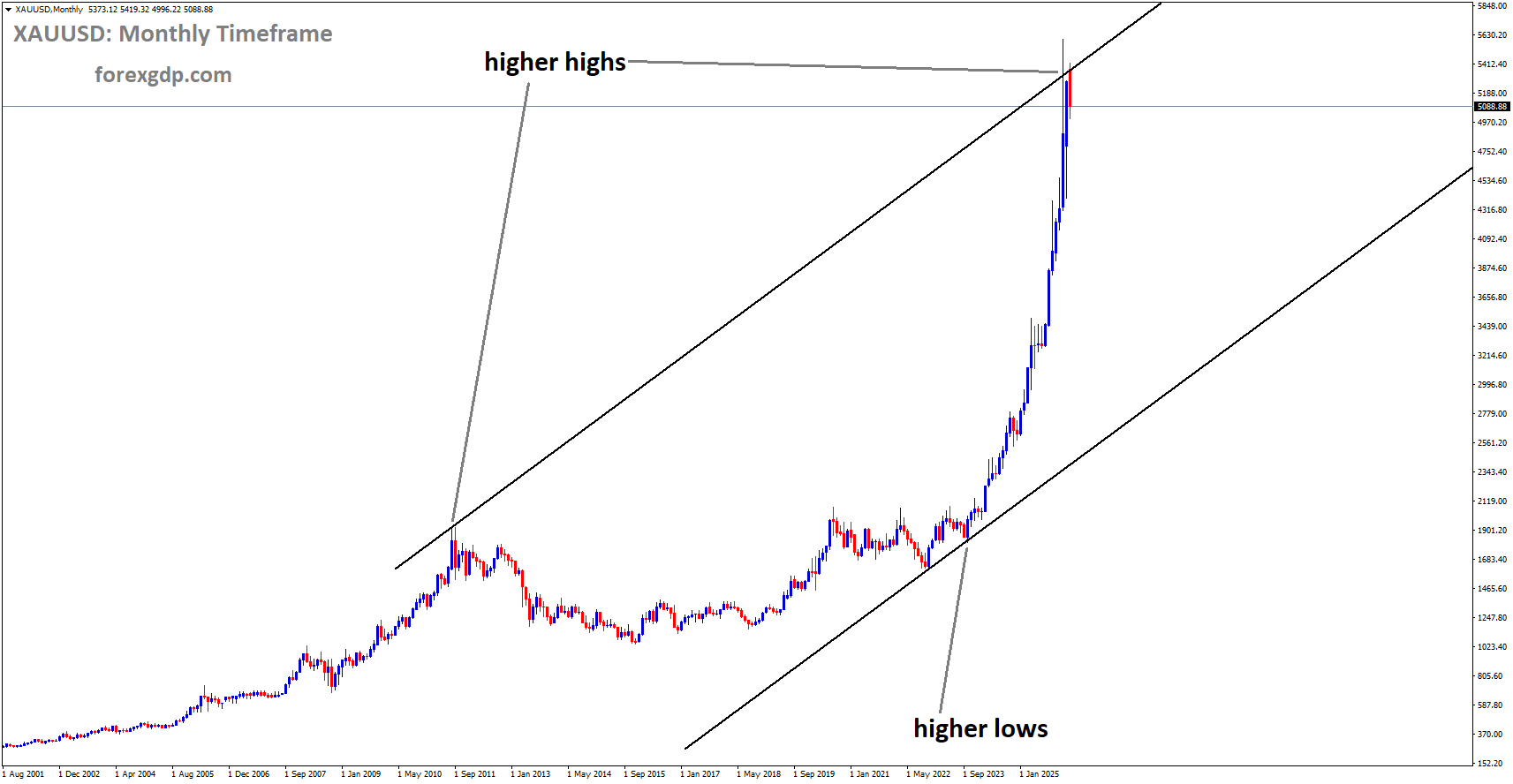
XAUUSD is moving in an uptrend channel, and the market has reached a higher high area of the channel
This mix of positive and negative influences has created a cautious atmosphere among investors. Many market participants are waiting for clearer signals from economic data and geopolitical developments before making major investment decisions.
Gold has already faced pressure recently and appears set to record losses for a second consecutive week. However, the broader outlook remains uncertain due to the unpredictable nature of global conflicts and economic policy changes.
Summary
Gold is currently navigating a complicated landscape shaped by economic and geopolitical factors. The strengthening US Dollar and reduced expectations for interest rate cuts have created challenges for the metal. At the same time, ongoing tensions in the Middle East and concerns about global energy supply are keeping safe-haven demand alive.
Investors are closely watching inflation data and central bank signals to understand the future direction of monetary policy. Meanwhile, geopolitical developments continue to influence market sentiment and risk appetite.
As these forces evolve, the gold market is likely to remain sensitive to both economic indicators and global political events. The balance between dollar strength, inflation concerns, and safe-haven demand will play a key role in determining the metal’s next move.