Many traders depend on signals or outside advice to make decisions, but that often creates confusion and hesitation. True progress starts once a trader learns to trust their own analysis instead of chasing tips or alerts. Mastering trading without signals or financial advice means understanding price behavior, recognizing patterns, and making clear decisions based on what the market shows in real time.

This approach focuses on reading pure price action rather than reacting to delayed indicators or opinions. It allows traders to see the market’s story unfold directly through support, resistance, and structure. As a result, they gain a clearer view of momentum and timing, which helps them act with confidence instead of doubt.
The rest of this article explores the foundation of independent trading, the steps to build a self-reliant strategy, and how to apply these methods consistently. Each section aims to help traders develop skill and discipline so they can trade with clarity and control.
Core Principles of Trading Without Signals or Advice
Successful independent traders rely on direct observation of market behavior, not on outside opinions or automated alerts. They study price movements, recognize structure, and identify zones where buyers and sellers often react. This approach builds confidence through skill, not guesswork.
Understanding Price Action and Naked Trading
Price action reflects real market activity without filters or indicators. Traders study candlestick patterns, momentum shifts, and reaction points to understand what buyers and sellers are doing in real time. This method, often called naked trading, focuses on reading the chart itself rather than depending on delayed signals.
A trader trained through an online school of trading can learn to interpret these movements with clarity. Candles show emotion in the market—long wicks reveal rejection, tight bodies suggest indecision, and strong closes confirm conviction. Each candle adds to a story that develops across time frames.
This approach demands patience and observation. Traders must record notes, compare reactions at key levels, and adjust their expectations based on what the price actually does. Over time, they start to identify patterns that repeat because human behavior in markets rarely changes.
Identifying Market Structure and Trends
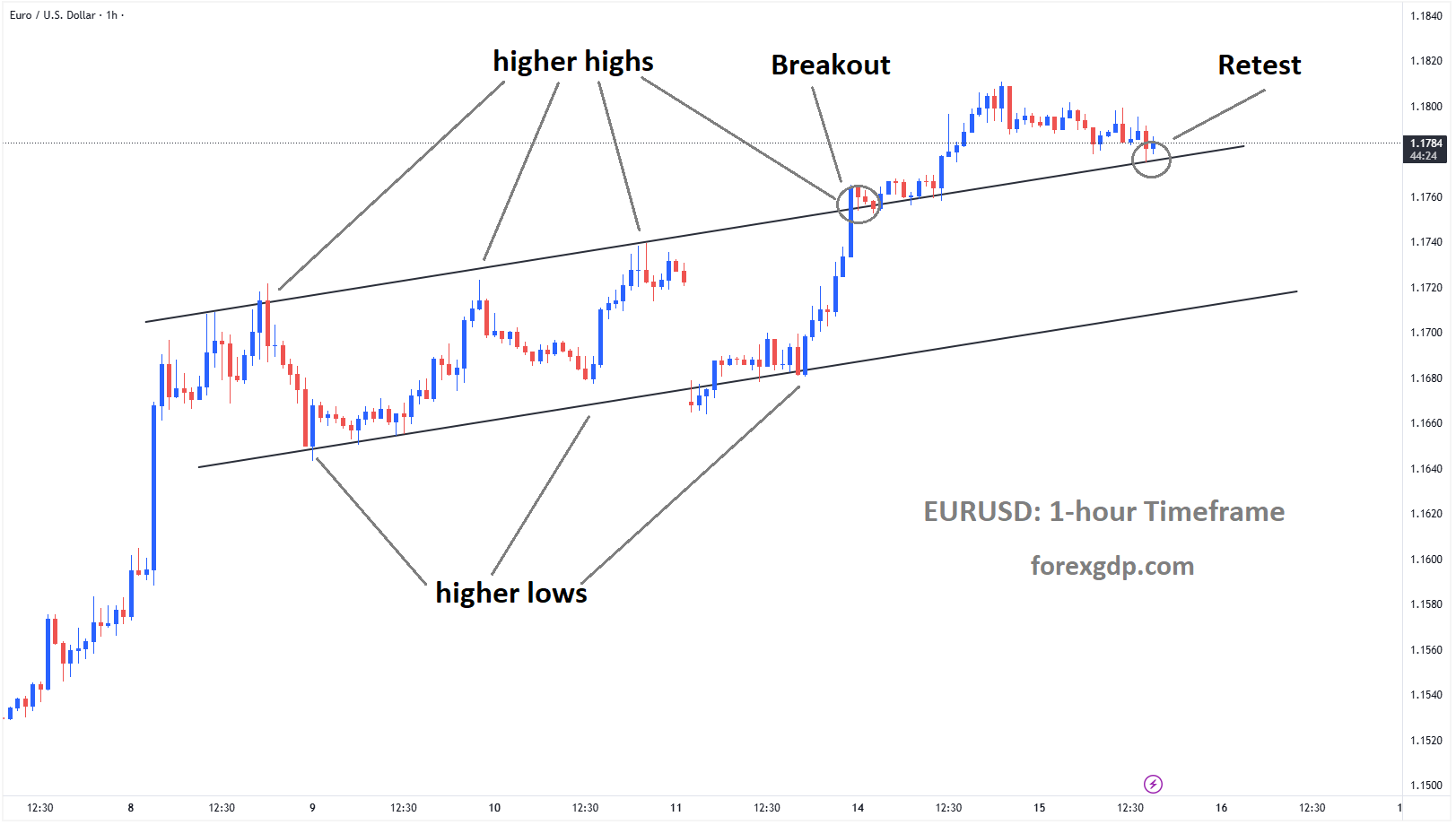
Market structure defines how the price moves through phases of expansion and retracement. Recognizing higher highs and higher lows signals an uptrend, while lower highs and lower lows mark a downtrend. This simple framework helps traders align their actions with the dominant direction.
A clean chart reveals structure more clearly than one crowded with indicators. Traders watch for shifts in momentum, such as a break of a previous swing point, to confirm a possible change in trend. These breaks often occur near major decision zones, where large traders enter or exit positions.
By focusing on structure, traders can plan entries and exits logically. For instance, entering during a pullback in an established trend often offers a better risk-to-reward ratio than chasing a move after it extends too far. Structure acts as a map that guides decisions without outside advice.
Support and Resistance: Key Levels for Decision Making
Support and resistance zones mark areas where the price has reacted multiple times in the past. These levels represent balance points between supply and demand. Traders use them to predict where the price could pause, reverse, or continue.
Support forms where buyers step in to halt a decline, while resistance forms where sellers slow an advance. Strong zones often appear on higher timeframes, such as daily or weekly charts. The more times a price respects a level, the more attention it receives from other traders.
A practical approach is to draw zones rather than single lines, since price rarely turns at a single exact point. Traders then look for confirmation from candlestick behavior before entering trades. This careful reading of reaction levels allows for decisions based on evidence, not emotion or external signals.
Developing a Self-Reliant Trading Strategy
A trader who studies price behavior, manages risk, and tests ideas independently can trade confidently without outside signals. This approach helps them adjust to market changes, avoid emotional decisions, and base trades on evidence rather than opinion.
Candlestick and Chart Patterns for Entry and Exit


Candlestick patterns such as doji, hammer, and engulfing bars reveal shifts in market sentiment. These patterns, combined with price patterns such as triangles, head-and-shoulders, and flags, help traders identify entry and exit points.
A trader can mark swing highs and swing lows to locate trend direction. A breakout from consolidation often signals a new move, while a false signal may lead to losses if not confirmed by volume or momentum.
Price action trading allows traders to trade directly from charts rather than relying on indicators. For example, a trader may buy after a bullish engulfing candle at a support level or sell after a failed breakout near resistance. These signals help them trade with the trend and avoid emotional guesses.
Risk Management and Trading Psychology
A strong risk management plan protects profits and limits losses. Traders often set a stop loss based on recent price structure or Fibonacci retracements. A common rule is to risk only a small percentage of total capital per trade, which keeps losses manageable during losing streaks.
Market conditions can shift quickly. A trader must stay calm and avoid chasing trades after losses. Emotional control matters as much as technical skill. Confidence grows from following clear rules and regularly reviewing results.
Trading psychology also affects decision quality. Fear and greed often push traders to exit too early or hold too long. A written set of rules helps counter these impulses and maintain consistency across both day trading and swing trading styles.
Building and Refining Your Trading Plan
A trading plan defines how a trader finds opportunities, sets targets, and manages risk. It includes entry criteria, exit rules, and methods for adapting to current market conditions. Traders can use both technical analysis and fundamental analysis to confirm trade setups.
Testing ideas through backtesting or small live trades helps reveal what works. Each plan should evolve based on results. For example, if a strategy fails during trend reversals, adjustments can include tighter stops or waiting for stronger confirmation.
Traders who track performance data learn which setups fit their trading style. Over time, they refine their methods to align with their personal goals and market behavior. This process builds independence and helps them trade based on skill, not advice.
Conclusion
Mastering trading without outside signals or financial advice requires discipline and self-trust. Traders must depend on their own analysis, risk control, and emotional balance to make sound decisions. This approach builds independence and reduces the influence of short-term market noise.
A clear plan helps traders stay consistent. They define entry and exit points, set limits on losses, and track results to see patterns over time. Each trade then becomes part of a structured process rather than a random guess.
Success grows from patience and steady improvement. Traders who study price behavior, manage risk carefully, and learn from each outcome develop stronger judgment. Over time, they gain the confidence to act based on their own understanding of the market.