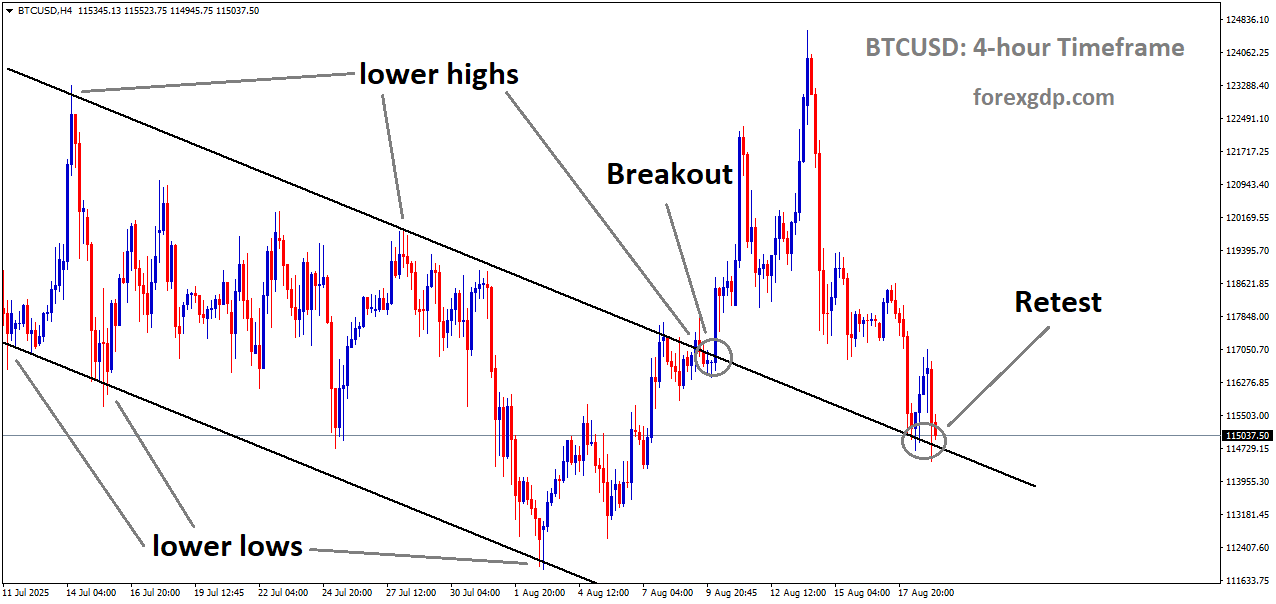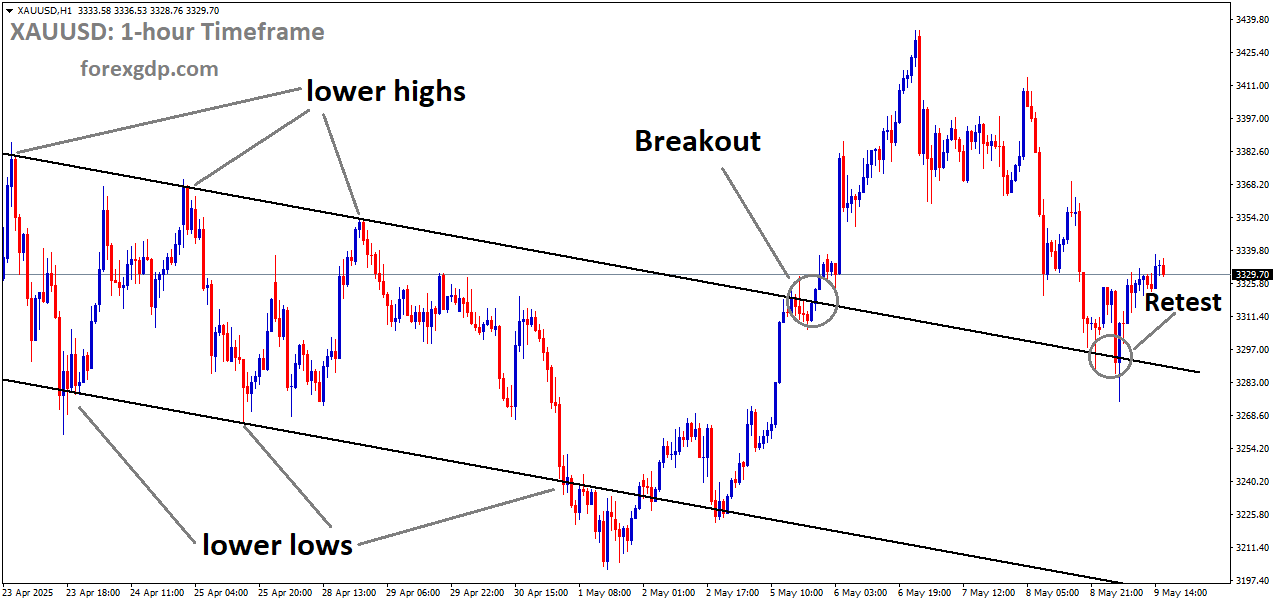

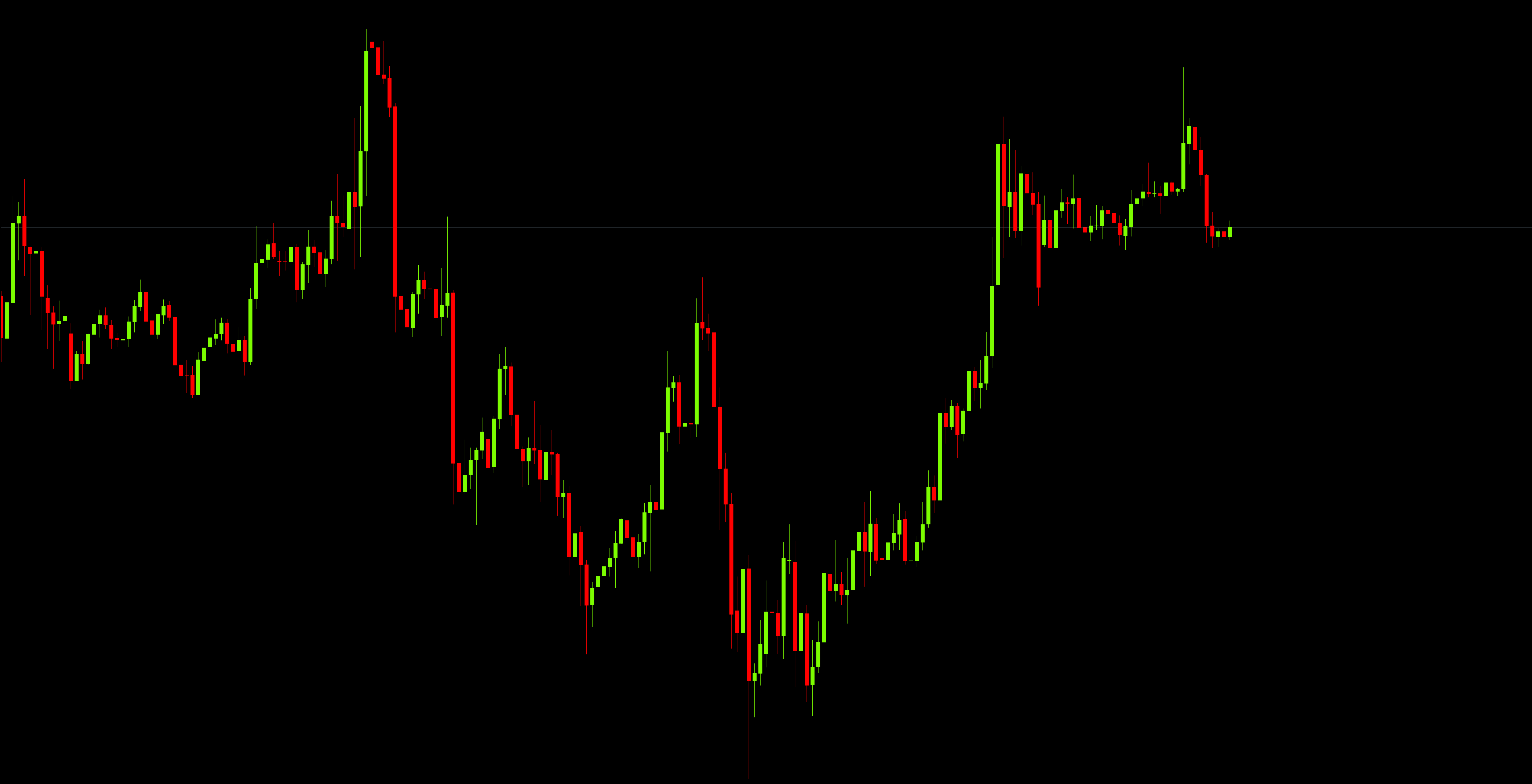
One moment, prices are steady. The next, they’re swinging wildly with no obvious warning. For many people watching digital markets, this kind of sudden volatility feels chaotic — almost random.
But sharp price movements rarely come out of nowhere. They’re usually the result of several forces colliding at once: information speed, market structure, and human behaviour. When these factors line up, even small triggers can cause outsized reactions. This is why people often rush to check breaking crypto news when prices move suddenly, hoping to understand what just happened.

To make sense of volatility, it helps to look beyond the charts and focus on why digital markets behave differently from traditional ones.
Speed Changes Everything
Digital markets operate at an unmatched pace. News, rumours, and data move globally in seconds, not hours.
That speed creates two problems:
- Information reaches people before it’s fully understood
- Reactions happen before context is available
When traders act on partial information, prices can move sharply in one direction, only to reverse once clarity improves. Volatility thrives in that gap between information release and interpretation.
Thin Liquidity Amplifies Moves
Liquidity refers to how easily assets can be bought or sold without affecting price. In many digital markets, liquidity can be thinner than it appears.
When there aren’t enough buy or sell orders at each price level:
- A single large trade can push prices quickly
- Stop-loss orders can cascade
- Small events trigger large movements
This is why digital assets often experience sharper spikes and drops compared to more established markets.
Leverage Acts as a Multiplier
Leverage allows traders to control large positions with relatively small amounts of capital. While this can magnify gains, it also magnifies losses.
During volatile periods:
- Positions get liquidated automatically
- Forced selling accelerates price declines
- Feedback loops form quickly
What starts as a modest move can snowball as leveraged positions unwind, adding fuel to the volatility.
Information Asymmetry Creates Overreactions
Not everyone receives or understands information at the same time.
Some participants:
- Act on raw data
- React to headlines only
- Follow social sentiment
Others wait for confirmation or analysis. This imbalance causes waves of buying and selling that aren’t aligned, increasing price instability.
Markets move not just on facts, but on how unevenly those facts are distributed and interpreted.
Sentiment Shifts Faster Than Fundamentals


In digital markets, sentiment often leads price — not the other way around.
Fear and excitement spread quickly through online communities. A single narrative can dominate attention even if fundamentals haven’t changed.
When sentiment flips:
- Confidence disappears rapidly
- Risk tolerance collapses
- Prices adjust abruptly
These emotional shifts explain why volatility often feels disconnected from long-term value.
Algorithms React Without Emotion
A large portion of trading activity is automated.
Algorithms respond instantly to:
- Price thresholds
- Volume spikes
- Momentum changes
They don’t pause to assess meaning. When multiple systems respond to the same signals at once, moves become sharper and faster than human-driven markets.
Automation doesn’t cause volatility on its own — but it accelerates it.
Lack of Clear Market Hours
Traditional markets have defined opening and closing times. Digital markets don’t.
This creates vulnerability during periods of:
- Lower participation
- Reduced oversight
- Thinner order books
Unexpected events during these times can cause exaggerated price movements because fewer participants are available to absorb trades.
Volatility doesn’t sleep when markets don’t close.
Rumours Fill Information Gaps
When verified information is scarce, speculation rushes in.
Social platforms amplify:
- Unconfirmed reports
- Partial screenshots
- Second-hand claims
Even if later disproven, these rumours can move prices dramatically in the short term. The market reacts first, asks questions later.
Volatility feeds on uncertainty more than on facts.
Why Volatility Feels Personal
For individuals, sudden market moves feel emotional because they often come without warning.
Losses appear quickly. Gains vanish just as fast. This unpredictability creates stress and leads to reactive decisions:
- Panic selling
- Chasing rebounds
- Overtrading
Ironically, these reactions contribute to further volatility, reinforcing the cycle.
Recognising When Volatility Is Structural
Not all volatility signals a problem. Some of it is structural.
Digital markets are still evolving. They combine:
- Rapid innovation
- New participants
- Changing regulations
This environment naturally produces instability. Understanding that context helps separate normal turbulence from genuine risk.
How to Respond Without Overreacting


While volatility can’t be eliminated, its impact can be managed.
Helpful approaches include:
- Reducing reliance on real-time noise
- Avoiding decisions based solely on price movement
- Understanding the mechanics behind sharp moves
Awareness doesn’t remove volatility, but it reduces the chance of becoming a victim of it.
Volatility Is a Feature, Not a Flaw
Sudden price swings are unsettling, but they’re not random.
They emerge from speed, structure, leverage, and human psychology interacting in a highly connected environment. Digital markets compress reaction times and magnify behaviour, making volatility more visible — and more intense.
The key isn’t predicting every move. It’s understanding why they happen, recognising when information is incomplete, and resisting the urge to react emotionally.
In a market built on constant motion, perspective is often the most valuable stabiliser.