
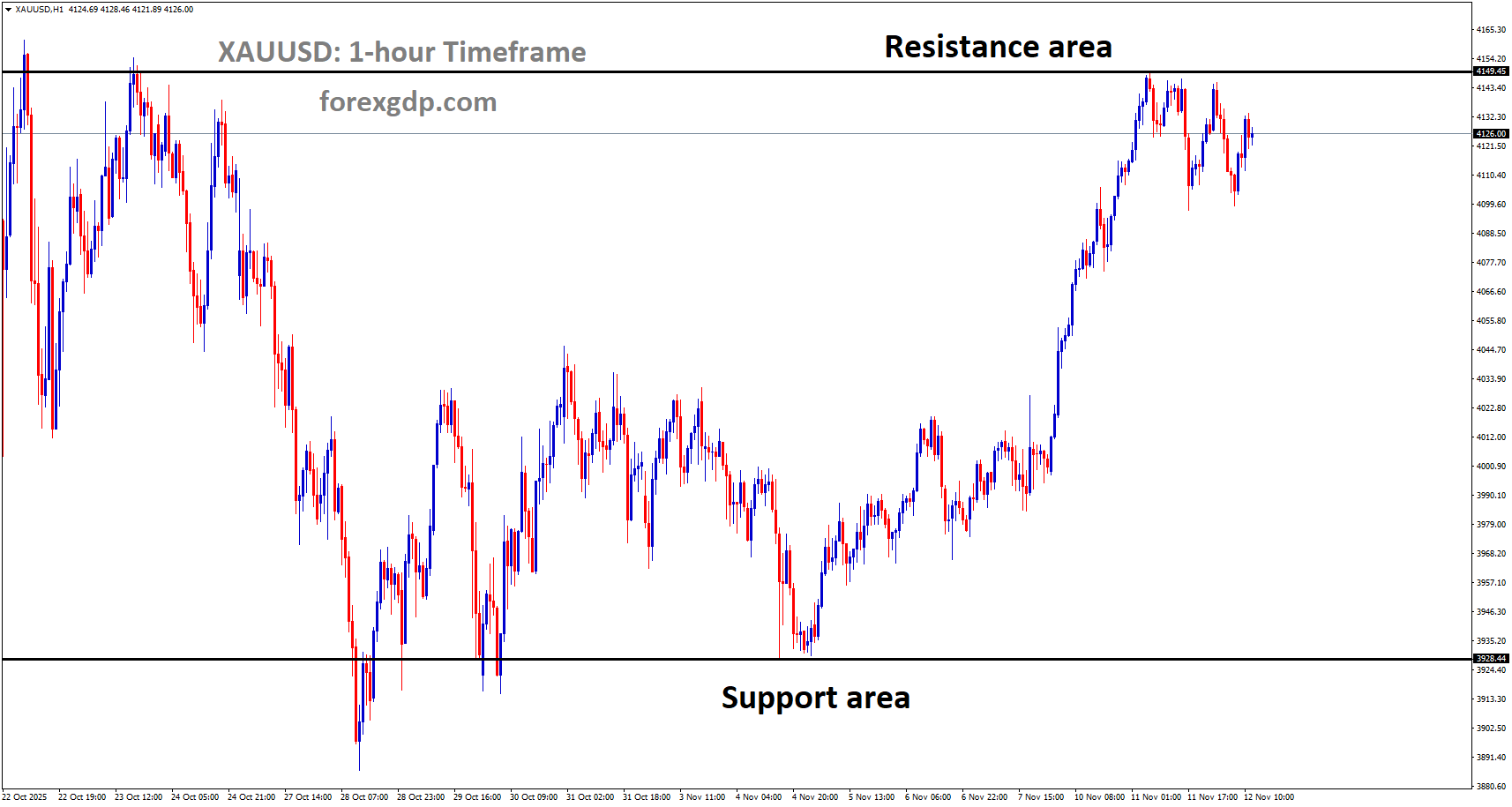
XAUUSD is moving in a box pattern
Gold is back in the spotlight this week as investors look for safety amid growing concerns about the US economy. The yellow metal, often seen as a safe haven during uncertain times, has seen renewed interest from traders and long-term investors alike. As worries mount over slowing economic growth and rising expectations of interest rate cuts by the Federal Reserve, gold has once again become the go-to choice for those seeking stability.
The recent bounce in gold prices reflects a clear shift in market sentiment. Investors are becoming cautious about the health of the US economy, particularly as signs of weakness begin to surface. With the US Dollar struggling to find strong support, gold is naturally gaining ground as a more attractive alternative.
Economic Concerns Fuel the Gold Momentum
A Slowing US Economy Sparks Uncertainty
The United States economy has been showing signs of fatigue in recent months. After a period of aggressive rate hikes, businesses and consumers are starting to feel the pinch. Growth numbers have softened, and analysts are worried that the extended government shutdown earlier in the year has worsened the slowdown. Economists estimate that the closure shaved a noticeable percentage off the country’s quarterly GDP growth, adding to the overall pessimism.

As economic momentum weakens, investors are rethinking their strategies. Many are shifting funds from riskier assets to more stable ones like gold. Historically, gold performs well when investors lose confidence in economic growth or fear that traditional markets may not offer reliable returns.
Weak Labor Market Adds to the Pressure
Recent employment data has painted a less-than-optimistic picture. Job cuts across several sectors, combined with an uptick in unemployment rates, are reinforcing fears of a slowing economy. Companies have reduced hiring, and government payrolls have taken a noticeable hit. These developments are crucial because employment figures are among the most reliable indicators of economic health.
When fewer people are employed or confident about their job security, spending declines, directly impacting consumer-driven sectors of the economy. This slowdown creates a ripple effect that dampens overall business activity. As a result, the Federal Reserve may be forced to act sooner than expected to support growth.
The Federal Reserve’s Dilemma: To Cut or Not to Cut
Market Bets on a Rate Cut Grow Stronger
The Federal Reserve finds itself in a difficult position. On one hand, inflation pressures have moderated; on the other, economic data signals a potential slowdown. This combination has led traders to believe that the Fed might cut interest rates in the coming months to prevent further economic deterioration.
Rate cuts generally reduce the appeal of holding cash or other non-yielding assets, which often boosts the attractiveness of gold. The logic is simple — when interest rates fall, the opportunity cost of holding gold decreases, making it more favorable compared to interest-bearing assets like bonds or savings accounts.
A Weak Dollar Gives Gold an Edge
The US Dollar, which usually moves inversely to gold, has been under pressure due to these dovish Fed expectations. A weaker dollar makes gold cheaper for investors holding other currencies, naturally pushing up demand. As confidence in the dollar slips, gold tends to benefit, attracting both short-term traders and long-term holders seeking protection from currency fluctuations.
This interplay between the Federal Reserve’s decisions, the strength of the dollar, and market confidence continues to shape the gold market’s outlook. Currently, all signs point toward a supportive environment for gold in the medium term.
Risk-On Mood Slows the Pace — But the Bulls Still Have Control
Even though gold is benefiting from economic concerns, the overall market tone has been somewhat positive due to optimism surrounding the reopening of the US government. When investors feel more confident about global stability, they tend to favor riskier assets like stocks instead of safe havens like gold.
However, the underlying fundamentals still favor gold buyers. The risk-on sentiment might temporarily limit the pace of gold’s rise, but it does not change the broader outlook. In fact, many investors view these brief pullbacks as opportunities to buy at better prices, anticipating further gains as economic data continues to disappoint.
Investor Outlook: Gold’s Path Forward
As things stand, gold remains one of the most attractive assets for those seeking shelter from economic uncertainty. The combination of a struggling dollar, rising expectations of interest rate cuts, and signs of a softening US economy all point toward continued support for the metal.
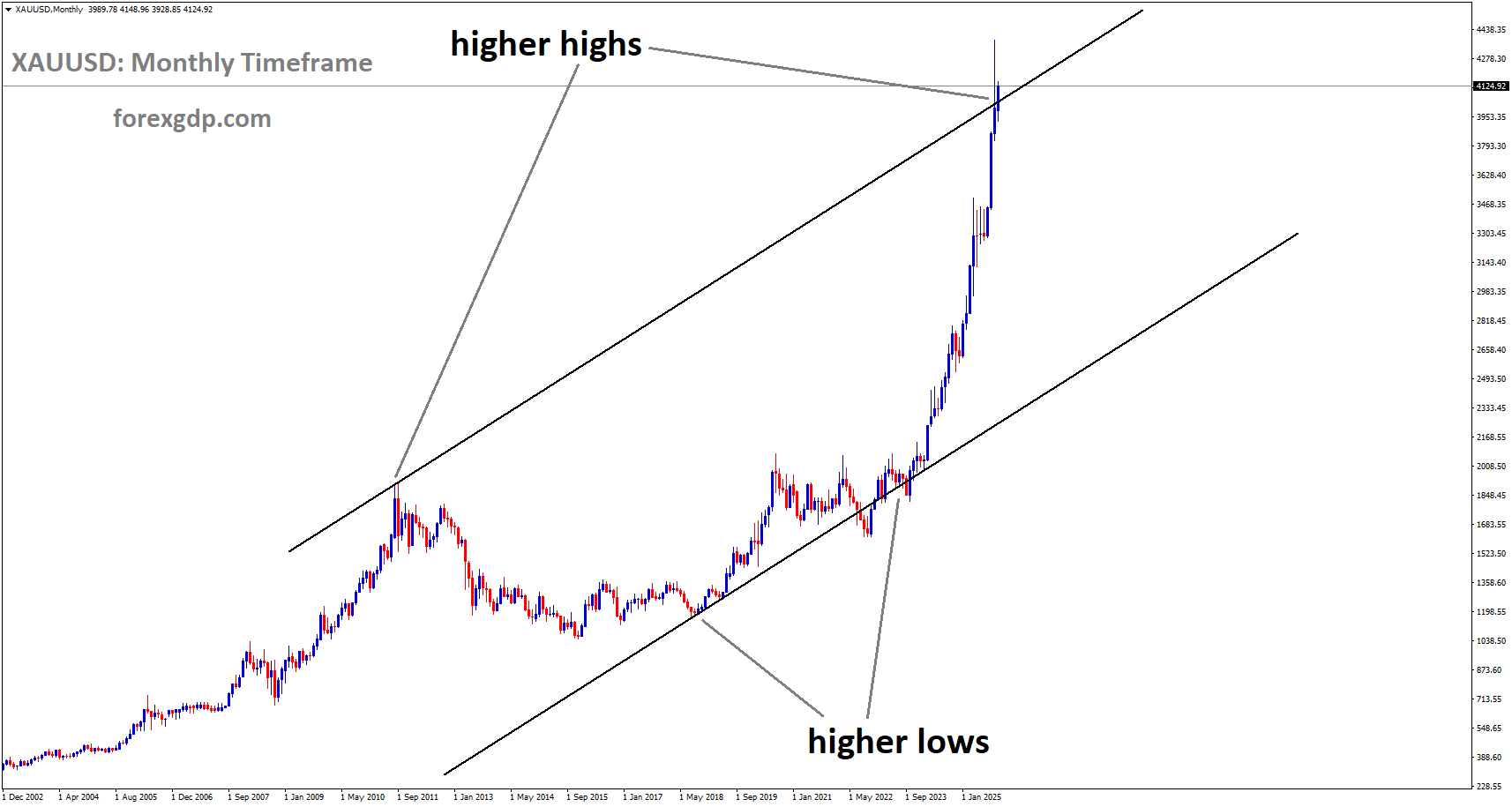
XAUUSD is moving in an uptrend channel, and the market has reached a higher high area of the channel
For everyday investors, the key takeaway is that gold still plays a valuable role in balancing a portfolio. While it may not always deliver explosive short-term gains, its stability and ability to hold value during turbulent times make it a timeless asset.
Looking ahead, speeches and statements from influential Federal Reserve officials will likely set the tone for the next phase of gold’s movement. If policymakers hint at an upcoming rate cut or acknowledge deeper economic challenges, gold could continue to climb higher as confidence in traditional markets fades.
Final Summary
Gold is regaining its shine as uncertainty grows around the strength of the US economy. A weaker dollar, disappointing employment numbers, and the rising possibility of Federal Reserve rate cuts have all combined to make gold more appealing once again.
Even though short-term optimism in the broader market might limit its pace of growth, the long-term outlook remains strong. As investors prepare for what could be a challenging economic period, gold continues to stand out as a reliable and trusted store of value — a reminder that when uncertainty rises, this timeless metal always finds its way back into the spotlight.