

There’s something quietly powerful about staying calm when everything around you screams chaos. In the world of trading—especially forex—this idea isn’t just a poetic quote. It’s survival. It’s growth. It’s the difference between blowing an account in a week and building wealth over years.
“The calm trader wins the long game.” Sounds simple, right? But if you’ve ever watched the market swing wildly while your heart races and your palms sweat, you know calmness is anything but easy.
Let’s unpack what this really means—and why calm traders tend to outlast, outperform, and outgrow everyone else.
Why Emotional Control Is the Real Edge
Trading Is More Psychological Than Technical
You can learn charts. You can memorize patterns. You can even automate strategies. But your mind? That’s the battlefield most traders lose on.
The Illusion of Strategy Over Mindset
Many traders believe success comes from finding the “perfect strategy.” They hop from one system to another like someone searching for a magic key that doesn’t exist. The truth is uncomfortable—most strategies work under the right conditions. What fails is execution.
When fear creeps in, traders close positions too early. When greed takes over, they overstay their welcome. It’s not the strategy failing; it’s the human behind it.
Emotions Amplify Losses and Distort Decisions
Losses are inevitable. But emotional traders don’t just lose—they spiral. One bad trade turns into revenge trading. One mistake becomes ten. It’s like trying to put out a fire with gasoline.
A calm trader, on the other hand, absorbs the loss. They pause, reflect, and move forward. The difference? One reacts, the other responds.
The Trap of Instant Gratification
We live in a world that rewards speed. Fast food, fast internet, fast money. Trading doesn’t play by those rules, though.
Why Quick Wins Often Lead to Bigger Losses
Winning quickly can feel like validation. Like you’ve cracked the code. But that confidence can be dangerous. It invites overconfidence, bigger risks, and sloppy decisions.
It’s like getting lucky at a casino and thinking you’re a professional gambler. Eventually, reality catches up.
Patience Builds Sustainable Growth
Calm traders understand that growth is slow, almost boring. They don’t chase every opportunity. They wait. They observe. They act when the moment aligns with their plan.
It’s not flashy. But it works.
The Nature of the Long Game in Trading
Consistency Beats Intensity
Trading isn’t about one big win. It’s about many small, consistent decisions that compound over time.
Small Wins Add Up Over Time
Think of trading like planting seeds. You don’t dig them up every day to check if they’re growing. You water them, give them sunlight, and trust the process.
Calm traders focus on steady gains. They’re not trying to double their account overnight. They’re building something that lasts.
Avoiding Burnout and Overtrading

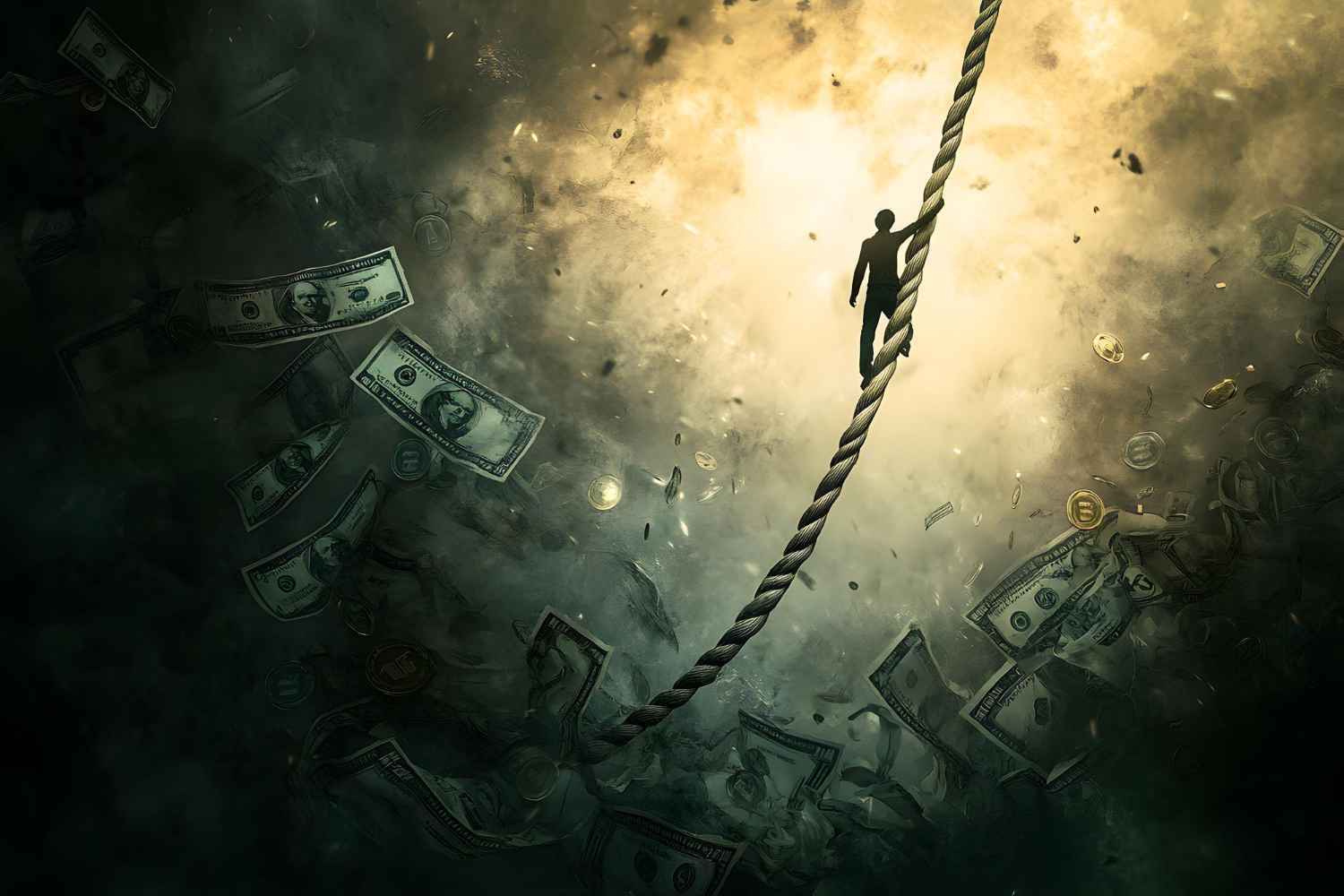
Emotional traders often overtrade. They feel like they always need to be in the market. It’s exhausting—and expensive.
Calm traders are comfortable doing nothing. They know that sometimes, the best trade is no trade at all.
Risk Management as a Mindset
Risk management isn’t just a rule—it’s a philosophy.
Accepting Losses Without Panic
Losses sting. There’s no way around it. But calm traders don’t let losses define them. They see them as part of the journey, not the end of it.
It’s like losing a single game in a long season. It matters, but it doesn’t decide the championship.
Protecting Capital Above All
Your capital is your lifeline. Lose it, and the game is over.
Calm traders protect their capital fiercely. They don’t take unnecessary risks. They don’t gamble. They survive—and in trading, survival is everything.
The Mindset of a Calm Trader
Detachment From Outcomes
This might sound strange, but calm traders don’t obsess over individual trades.
Focusing on Process Over Results
Instead of asking, “Did I win?” they ask, “Did I follow my plan?”
It’s a subtle shift, but it changes everything. When you focus on the process, results become a byproduct—not an obsession.
Letting Go of Control
Markets are unpredictable. Trying to control them is like trying to control the weather.
Calm traders accept this. They don’t fight the market. They flow with it.
Building Confidence Through Discipline


Confidence isn’t built on wins. It’s built on consistency.
Repeating Proven Behaviors
Calm traders stick to what works. They don’t constantly tweak their approach. They trust their system—and more importantly, they trust themselves.
This repetition builds a quiet confidence. Not loud, not flashy—just steady.
Learning From Mistakes Without Ego
Mistakes are inevitable. What matters is how you respond.
Calm traders don’t let ego get in the way. They admit when they’re wrong. They learn. They improve.
Why Most Traders Fail to Stay Calm
The Pressure of Money
Trading involves real money. And money brings emotion.
Fear of Losing What You Have
When your own money is on the line, every movement feels personal. Every loss feels like a step backward in life—not just trading.
This pressure makes calmness difficult. But not impossible.
The Desire to Prove Something
Some traders aren’t just trading for profit. They’re trading for validation.
They want to prove they’re smart. Capable. Successful. That need creates pressure—and pressure destroys calmness.
Information Overload and Noise
We live in an age of constant information. And it’s overwhelming.
Too Many Opinions, Too Little Clarity
Everyone has an opinion. Social media, forums, news channels—it’s endless.
This noise creates confusion. Traders start second-guessing themselves. They lose confidence.
The Danger of Following the Crowd
The crowd is often wrong. Yet many traders follow it blindly.
Calm traders think independently. They don’t chase hype. They don’t panic when others do.
Practical Ways to Cultivate Calmness
Creating a Structured Routine


Routine brings stability in an unpredictable environment.
Starting the Day With Clarity
Calm traders don’t jump into the market blindly. They prepare. They analyze. They plan.
This preparation reduces anxiety. It creates a sense of control—even in a chaotic market.
Ending the Day With Reflection
Reflection is powerful. It turns experience into wisdom.
Calm traders review their trades. Not to criticize—but to learn.
Developing Emotional Awareness
You can’t control what you don’t understand.
Recognizing Emotional Triggers
Every trader has triggers. A losing streak. A missed opportunity. A big win.
Calm traders identify these triggers. They understand how they react—and they work on managing those reactions.
Practicing Mindfulness in Trading
Mindfulness isn’t just for meditation. It’s for trading too.
Being present, aware, and grounded helps traders make better decisions. It keeps emotions in check.
The Quiet Power of Patience
Waiting for High-Quality Setups
Not every opportunity is worth taking.
Filtering Out Noise Trades
Calm traders are selective. They don’t jump at every movement. They wait for setups that align with their strategy.
This patience reduces risk. It improves results.
Trusting the Timing of the Market
Timing matters. But forcing it doesn’t work.
Calm traders let the market come to them. They don’t chase—it’s a losing game.
Understanding That Growth Takes Time


There’s no shortcut to mastery.
Accepting Slow Progress
Progress in trading can feel painfully slow. But that’s normal.
Calm traders embrace this pace. They understand that real growth isn’t instant.
Avoiding the Comparison Trap
Comparing yourself to others is a dangerous game.
Calm traders focus on their own journey. They don’t measure success by someone else’s results.
Final Thoughts: Playing the Game That Lasts
Trading isn’t a sprint. It’s a marathon with no finish line.
The calm trader doesn’t win because they’re smarter. Or faster. Or luckier. They win because they endure. Because they adapt. Because they stay steady when others fall apart.
Calmness isn’t natural—it’s built. Through discipline. Through patience. Through experience.
And in the end, that calmness becomes your greatest edge.
FAQs
1.Why is calmness so important in trading?
Calmness helps traders make rational decisions instead of emotional ones. It prevents impulsive actions that often lead to losses.
2.Can someone naturally emotional become a calm trader?
Yes, but it requires practice, self-awareness, and discipline. Emotional tendencies can be managed over time.
3.How long does it take to develop a calm trading mindset?
It varies for everyone. Some develop it in months, others take years. Consistent effort is key.
4.Is it possible to trade successfully without strict discipline?
It’s extremely unlikely. Discipline is what keeps traders consistent and protects them from emotional mistakes.
5.What is the biggest mistake emotional traders make?
Revenge trading. Trying to recover losses quickly often leads to even bigger losses.