

Trading has a strange way of exposing every weak habit hiding inside a person. A calm and confident trader can suddenly become emotional when the market turns against them. Someone who promised to follow their plan may throw discipline out the window after a single losing trade. It happens every day, and the damage usually starts with one small mistake: ignoring the stop loss.
The message “Respect your stop like your best friend” sounds simple, but it carries the weight of survival in trading. A best friend protects you when life gets messy. A proper stop loss does the same thing when the market becomes unpredictable. Yet traders often treat their stop like an annoying alarm clock they keep snoozing until disaster hits.
The market does not care about hope, ego, or desperation. It moves with cold indifference. That reality hurts many traders because deep down, most people want the market to reward patience even when the setup is clearly broken. Unfortunately, the market is not a kind teacher. It is more like a storm at sea. If your boat starts leaking and you refuse to repair it because you “believe” the weather will improve, the ocean will eventually teach you a brutal lesson.
A stop loss is not proof of failure. It is proof of professionalism. Traders who survive for years understand this truth better than anyone else. They know that a small controlled loss is far healthier than a massive emotional collapse.
Why Traders Keep Ignoring Their Stop Loss
Most traders do not ignore their stop because they lack intelligence. They ignore it because emotions become louder than logic once money is involved. Fear, greed, pride, and frustration start fighting for control. The result often looks like chaos disguised as confidence.
Many beginners enter the market believing success comes from finding perfect entries. That belief creates a dangerous mindset. When the trade moves against them, they refuse to accept the possibility that their analysis was wrong. Instead of exiting the trade, they move the stop farther away, hoping the market will magically reverse.
The Ego Problem in Trading
Ego is one of the quietest account killers in the trading world. It sneaks into decisions without announcing itself. A trader stops following the plan because they become emotionally attached to being right.
The strange thing about ego is that it often disguises itself as confidence. A trader may say, “I know this setup will work,” when the truth is they simply cannot handle admitting defeat. That stubbornness becomes expensive.
Being Wrong Feels Personal
For many traders, a losing trade feels like a personal attack. Instead of seeing losses as normal business expenses, they interpret them as evidence of failure. That emotional reaction creates resistance to using stop losses.
The market is not grading anyone’s intelligence. Losses happen even to experienced professionals. A trader who refuses to accept small losses often ends up carrying massive losses that destroy confidence and capital at the same time.
The Need to Win Every Trade
Some traders develop an unhealthy obsession with maintaining a high win rate. They would rather hold a terrible trade for days than accept a small controlled loss.
Ironically, this mindset usually produces bigger losses and lower long-term profitability. Winning every trade is impossible. Trading is not a video game with cheat codes. It is probability management.
Hope Can Be Dangerous
Hope sounds positive in everyday life, but in trading, hope can become toxic. Hope encourages traders to stay in broken setups long after the market has invalidated their idea.
There is nothing wrong with optimism, but optimism without discipline becomes self-destruction. A trader staring at a losing position while whispering “it will come back” is like someone standing in the rain insisting the flood is only temporary while the water rises above their knees.
The False Comfort of Holding
Holding a losing trade sometimes feels emotionally easier than closing it. Closing the trade makes the loss real. Keeping the trade open creates the illusion that the loss is still temporary.
That illusion traps traders. The pain gets delayed, but the damage grows larger. A small cut becomes a deep wound simply because the trader refused to act early.
When Hope Turns Into Panic
At first, the trader feels hopeful. Then anxiety slowly appears. Eventually panic takes over when the loss becomes too large to ignore.
Panic trading often leads to revenge trading, emotional entries, and even bigger losses. One ignored stop can start a chain reaction that destroys weeks or months of progress.
A Stop Loss Is More Than Risk Management

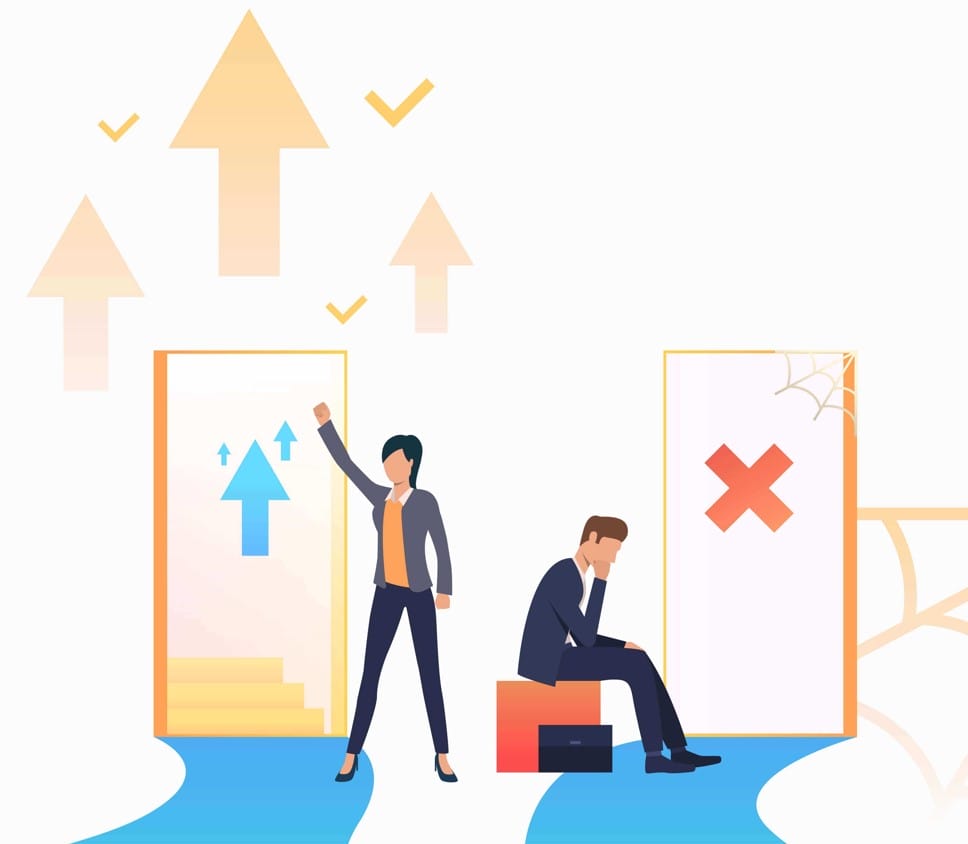
Most trading discussions reduce stop losses to simple math. While risk management matters, the deeper role of a stop loss is psychological stability.
A stop protects not only the account balance but also the trader’s emotional balance. Without clear exits, trading becomes emotionally exhausting.
Stops Create Mental Freedom
A trader without a stop watches every candle like someone waiting for bad news from a hospital room. Every movement feels terrifying. Every retracement feels catastrophic.
With a proper stop loss, the trader already knows the worst-case scenario before entering the trade. That clarity creates peace of mind.
Reduced Emotional Pressure
Trading under emotional pressure leads to terrible decisions. Fear causes hesitation while greed causes recklessness.
A stop loss acts like a pressure release valve. It removes uncertainty because the trader already accepted the risk before entering the position.
Better Sleep and Better Decisions
Many traders lose sleep because they refuse to close losing trades. They keep checking charts at midnight, hoping for a miracle reversal.
This constant stress damages judgment. A tired trader becomes impulsive and impatient. Respecting stops creates healthier decision-making because emotional exhaustion decreases.
Professional Traders Think Differently
Experienced traders understand something beginners often ignore: survival matters more than excitement.
Professionals do not chase adrenaline. They focus on consistency. They know a trader who survives difficult periods has another chance tomorrow.
Small Losses Are Part of the Business
Every successful business accepts operating costs. Restaurants pay rent. Delivery companies pay fuel expenses. Traders pay losses.
The difference between successful traders and struggling traders is not the absence of losses. It is the ability to control them.
Discipline Builds Longevity
The market rewards discipline over time. A trader who consistently follows stops may not look impressive every day, but over months and years, discipline compounds.
Undisciplined traders often experience short periods of excitement followed by devastating collapses. The market eventually punishes emotional behavior.
The Emotional Damage of Ignoring Stops
Financial losses hurt, but emotional damage often hurts more. Traders rarely talk openly about the mental exhaustion caused by refusing to follow stop losses.
The emotional side of trading can quietly destroy confidence, motivation, and focus.
Stress Builds Slowly
One ignored stop may not feel catastrophic at first. But repeated emotional trading creates chronic stress.
The trader starts second-guessing every setup. Confidence disappears. Even good opportunities begin to look threatening.
Fear of Pulling the Trigger
After experiencing massive losses, many traders become afraid to enter trades again. They hesitate even when the setup perfectly matches their strategy.
This hesitation comes from emotional trauma. The trader no longer trusts themselves because they ignored risk management in the past.
Overthinking Every Move


Stress also creates overanalysis. Traders begin staring at charts for hours, constantly changing opinions.
Instead of executing their plan calmly, they become trapped in endless mental debates. The process becomes exhausting.
Account Damage Creates Emotional Damage
A heavily damaged trading account affects psychology more than most people admit. Watching hard-earned money disappear can feel crushing.
The emotional pain becomes even worse when the trader knows the disaster could have been avoided with a simple stop loss.
Regret Can Destroy Confidence
Regret is dangerous because it keeps traders mentally trapped in the past. They replay the mistake repeatedly.
Thoughts like “I should have closed earlier” or “Why didn’t I respect my stop?” begin haunting every decision.
Revenge Trading Becomes Tempting
After a painful loss, some traders immediately jump back into the market trying to recover money quickly.
This revenge mindset usually leads to impulsive trades with poor setups. Instead of recovering losses, traders often deepen the damage.
How Respecting Stops Changes Everything
There is a noticeable difference between traders who respect stops and traders who constantly avoid them. The difference is not only visible in account growth. It appears in mindset, emotional stability, and overall consistency.
Respecting stops creates structure in a world filled with uncertainty.
Confidence Comes From Discipline
Many traders believe confidence comes from winning trades. Real confidence actually comes from trusting your process.
A trader who follows their rules consistently develops emotional stability because they know they can handle both wins and losses.
Consistency Feels Powerful
Random emotional trading creates chaos. Consistent execution creates calmness.
When traders respect stops repeatedly, they begin feeling more in control of their actions. That emotional control becomes a competitive advantage.
Losses Stop Feeling Catastrophic
Once traders fully accept that losses are normal, fear loses some of its power.
A stopped-out trade becomes just another event instead of a personal disaster. This mindset shift improves decision-making dramatically.
Trading Becomes More Professional

Professionalism in trading has little to do with expensive setups or flashy social media screenshots. It comes from behavior.
A trader who respects stops behaves like a risk manager rather than a gambler.
Planning Replaces Guessing
Traders who use stops effectively think ahead. They define risk before entering positions.
This approach creates clarity. The trade already has structure before emotions can interfere.
Patience Improves Naturally
Respecting stops also improves patience. Traders become more selective because they know every entry carries defined risk.
Instead of chasing random market movements, disciplined traders wait for setups that genuinely fit their strategy.
The Relationship Between Fear and Stop Losses
Fear is deeply connected to stop-loss behavior. Sometimes traders avoid stops because they fear being wrong. Other times they place stops too close because they fear losing money.
Both extremes create problems.
Fear of Missing Out
The fear of missing out pushes traders into emotional decisions. They see the market moving quickly and jump into trades without proper planning.
When the trade moves against them, they panic because they never truly accepted the risk.
Emotional Entries Lead to Emotional Exits
A rushed trade usually produces rushed decisions afterward. Since there was no calm planning during entry, the trader reacts emotionally once pressure appears.
This often results in removing stop losses entirely or widening them irrationally.
The Market Loves Emotional Traders
The market has a brutal way of exposing emotional weakness. Emotional traders become predictable because fear controls their decisions.
They chase moves too late, hold losers too long, and close winners too early. The cycle repeats endlessly.
Fear of Taking Losses
Some traders treat losses like something shameful. They avoid accepting small losses because they believe losses define their ability.
This mindset creates dangerous attachment to trades.
Acceptance Creates Freedom
The moment traders accept that losses are unavoidable, trading becomes less emotionally heavy.
Acceptance removes unnecessary drama from the process. Losses stop feeling like personal failures and start feeling like business decisions.
Controlled Losses Preserve Opportunity
A controlled loss keeps capital available for future opportunities. A massive uncontrolled loss destroys flexibility.
The market will always create new setups tomorrow. Protecting capital ensures traders remain able to participate.
Why Smart Traders Treat Stops Like Protection

A stop loss is often misunderstood as a sign of weakness. In reality, it represents self-respect.
Smart traders understand they cannot control the market, but they can control risk.
Protection Matters More Than Prediction
Many traders spend years searching for perfect predictions. Meanwhile, experienced traders focus heavily on protection.
Even strong analysis fails sometimes because markets react to unexpected events, emotions, and volatility.
No Strategy Wins Forever
Every trading strategy experiences losing periods. Market conditions change constantly.
A stop loss protects traders during difficult phases when even good strategies temporarily struggle.
Adaptability Keeps Traders Alive
Rigid traders often break under pressure. Adaptable traders survive because they accept changing conditions.
Respecting stops allows traders to exit bad trades quickly and preserve emotional energy for better opportunities.
The Best Friend Analogy Matters
The phrase “respect your stop like your best friend” works because a true friend protects you from unnecessary destruction.
A stop loss may feel uncomfortable at first, but discomfort is often healthier than denial.
Good Friends Tell Hard Truths
A real friend does not always tell you what you want to hear. Sometimes they warn you before things get worse.
A stop loss works the same way. It signals that the trade idea is no longer valid.
Protection Can Feel Unpleasant
Nobody enjoys taking losses. Still, temporary discomfort is far better than catastrophic damage.
The trader who respects stops may feel frustrated for a few minutes. The trader who ignores stops may feel devastated for months.
Building a Healthier Trading Mindset


Trading success is heavily connected to mindset. Technical analysis matters, but emotional discipline often determines whether traders survive long enough to improve.
Respecting stops becomes easier once traders shift their perspective.
Focus on the Bigger Picture
One trade means very little in the grand scheme of a trading career. Obsessing over individual outcomes creates emotional instability.
Successful traders think in terms of long-term probabilities rather than single victories.
The Marathon Mentality
Trading is not a sprint. It resembles a marathon filled with changing terrain, difficult weather, and mental fatigue.
Traders who survive long-term understand pacing matters more than short bursts of excitement.
Patience Creates Opportunity
Impatient traders constantly search for action. Patient traders wait for quality opportunities.
Respecting stops encourages patience because traders stop trying to force the market to behave according to emotion.
Detach Emotion From Money
Money naturally triggers emotion because it represents security, freedom, and personal value.
However, emotional attachment to every dollar creates fear-based trading.
Think Like a Risk Manager
Professional traders often think more like risk managers than fortune hunters.
Their primary goal is protecting capital first. Profit becomes the byproduct of disciplined execution.
Calmness Beats Excitement


Many social media trading influencers promote excitement and constant action. Real trading often looks boring.
Calm traders usually outperform emotional thrill-seekers because stability creates better decisions over time.
Final Thoughts on Respecting Your Stop
The market can be rewarding, but it can also be painfully unforgiving. Traders who ignore stop losses often learn lessons through unnecessary suffering. The frustrating part is that most catastrophic losses begin as small manageable losses that were simply ignored.
Respecting your stop does not guarantee instant success. It does not eliminate losing trades or remove emotional discomfort completely. What it does provide is protection, structure, emotional balance, and longevity.
A stop loss is not your enemy. It is the safety rail on a dangerous mountain road. Without it, one emotional mistake can send everything crashing downhill.
The traders who survive the longest are usually not the loudest or most dramatic. They are the disciplined ones who understand the value of controlled risk. They know that preserving capital matters more than feeding ego.
In many ways, the stop loss represents maturity. It reflects the ability to accept uncertainty without emotional collapse. That mindset separates gamblers from professionals.
The next time the market tests your patience and tempts you to remove your stop, remember something simple: your stop is not trying to hurt you. It is trying to save you.
FAQs
1.Why do traders struggle to respect stop losses?
Many traders struggle because emotions interfere with logic. Fear of being wrong, hope for a reversal, and attachment to money often cause traders to ignore their original plan.
2.Can a stop loss really improve trading psychology?
Yes. A proper stop loss reduces emotional stress because traders already know their maximum risk before entering a trade. This creates mental clarity and improves decision-making.
3.Are professional traders stopped out often?
Absolutely. Professional traders accept that losses are part of trading. The key difference is that they keep losses controlled rather than allowing them to grow uncontrollably.
4.What happens when traders remove stop losses?
Removing stop losses exposes traders to potentially massive losses. It also increases emotional stress, panic, and impulsive decision-making.
5.Why is a stop loss compared to a best friend?
A best friend protects you from harmful decisions, even when the truth feels uncomfortable. A stop loss works similarly by protecting traders from catastrophic financial and emotional damage.