

The forex market has a strange way of seducing people. One minute, someone watches a flashy video of a trader turning a tiny account into a fortune overnight. The next minute, they are convinced they have found the fastest road to freedom. Bright charts, aggressive profits, and adrenaline-fueled trades start looking glamorous. But then reality arrives like cold rain on a sunny afternoon.
Most traders lose not because the market is impossible, but because they chase excitement instead of execution.
The phrase “Trade execution, not excitement” carries more weight than it first appears. It sounds simple, almost boring. Yet hidden inside those few words is one of the most important lessons any trader will ever learn. The market does not reward emotional thrill-seekers. It rewards discipline, patience, and precision. Trading is less like gambling in a noisy casino and more like operating heavy machinery. One careless move can destroy everything.
People often imagine successful traders living on the edge, making impulsive decisions while staring at multiple screens. In truth, the best traders are usually calm, methodical, and sometimes painfully boring. They do not wake up searching for excitement. They wake up searching for clean execution.
Why Excitement Is Dangerous in Forex Trading
Excitement feels good. That is exactly the problem.
The human brain is wired to chase emotional highs. In trading, those highs can become addictive very quickly. A winning trade releases a rush of confidence and dopamine. Suddenly, traders stop respecting risk. They start believing they have “figured out” the market. That is usually the exact moment the market humbles them.
Forex trading becomes dangerous when emotions start driving decisions. A trader who feels overly excited often abandons logic without realizing it. They increase lot sizes impulsively, jump into trades too early, or hold losing positions out of pure hope. Instead of following a plan, they start chasing emotional satisfaction.
The Illusion of Fast Money
Social media has made forex trading look like a luxury lifestyle competition. Expensive watches, rented sports cars, and screenshots of profits flood every platform imaginable. New traders enter the market believing wealth should arrive quickly. Patience suddenly feels outdated.
The truth is much harsher.
Most professional traders are obsessed with preserving capital, not showing off. They understand that survival matters more than flashy wins. The market punishes impatience with ruthless efficiency. It does not care about dreams, motivation, or confidence levels.
The Casino Mindset
Many beginners unknowingly treat trading like a slot machine. They press buttons emotionally, hoping for instant rewards. Every trade feels like a lottery ticket rather than a calculated decision.
That mindset creates chaos.
A casino gambler chases adrenaline. A disciplined trader avoids it. The difference between those two mentalities often determines who survives longer than six months in forex.
Why Big Wins Can Be Dangerous
Ironically, an early win can damage a trader more than an early loss. Huge profits made without discipline create false confidence. The trader starts believing reckless behavior is skill.
Then reality strikes.
One uncontrolled trade wipes out weeks or months of gains. The emotional crash becomes devastating because the trader was emotionally attached to the excitement rather than the process.
Emotions Distort Market Judgment
The market moves on logic, liquidity, and global economic forces. Emotional trading ignores all of that.
Fear causes traders to close profitable trades too early. Greed convinces them to overstay winning positions. Revenge trading appears after losses, pushing traders into impulsive setups just to “win back” money. The cycle becomes exhausting.
Fear Creates Hesitation
Imagine standing at the edge of a diving board. The longer you hesitate, the harder the jump becomes. Trading fear works the same way.
A fearful trader second-guesses valid setups. By the time they finally enter the market, the opportunity is already gone. Fear transforms simple decisions into mental battles.
Greed Destroys Discipline
Greed whispers dangerous lies.
It tells traders they deserve more. It convinces them to ignore take-profit levels. It pushes them into oversized positions because “this trade feels certain.” In forex, certainty is often an illusion wrapped in confidence.
The market has a brutal way of exposing greed.
Trade Execution Is the Real Edge


People spend years searching for the “perfect strategy.” They buy indicators, courses, and secret systems hoping to unlock magical profits. But strategy alone rarely separates successful traders from failed ones.
Execution does.
A simple strategy executed consistently often beats a complex strategy executed emotionally. That truth frustrates many traders because it sounds too plain. Human beings naturally crave complexity. We assume difficult things must be more valuable.
Trading does not work that way.
Consistency Beats Intensity
Many traders treat the market like a battlefield filled with nonstop action. Professional traders treat it more like farming. They plant carefully, wait patiently, and protect what they grow.
Consistency creates long-term success because small disciplined actions compound over time. A trader does not need to win every trade. They simply need to avoid catastrophic mistakes.
Small Wins Matter More Than Huge Risks
A trader who earns steady monthly returns usually survives longer than someone chasing explosive profits. Slow growth feels boring, but boring is often profitable.
Huge risks may create temporary excitement, but they also create emotional instability. Eventually, unstable trading behavior collapses under pressure.
Patience Protects Capital
Capital is like oxygen for traders. Without it, the journey ends immediately.
Patient traders understand that not trading is sometimes the best decision available. They wait for quality setups instead of forcing action. That patience protects both money and mental energy.
Execution Requires a System
Discipline becomes easier when traders follow structured routines. A trading system acts like a roadmap during emotional storms.
Without a system, emotions take control.
Rules Reduce Emotional Chaos
Trading rules create boundaries. They define entry conditions, risk limits, and exit strategies. When those rules are respected, emotional damage decreases significantly.
A trader without rules becomes vulnerable to every emotional swing the market produces.
Routine Creates Stability
The best traders often follow repetitive routines. They analyze charts calmly, review setups carefully, and document results honestly. There is no dramatic movie scene. No frantic shouting at screens.
It looks ordinary because real success usually is ordinary.
The Psychology Behind Calm Trading


Trading psychology matters far more than most people expect. The market becomes a mirror reflecting every emotional weakness hidden beneath the surface.
Impatience, insecurity, arrogance, and fear all appear eventually.
That is why trading can feel mentally exhausting. It forces people to confront themselves in uncomfortable ways.
The Need for Validation
Many traders secretly use profits as emotional validation. Winning makes them feel intelligent. Losing makes them feel worthless.
That emotional attachment creates dangerous habits.
Why Ego Is Expensive
Ego prevents traders from admitting mistakes quickly. Instead of accepting small losses, they hold losing trades hoping the market will prove them right.
The market does not reward ego.
It rewards adaptability.
Detachment Improves Decision-Making
The best traders treat trades like business decisions rather than emotional events. They understand losses are normal operating costs, not personal failures.
That emotional detachment creates clarity.
Stress Changes Everything
Stress transforms rational people into emotional decision-makers. Under pressure, even experienced traders can abandon discipline.
That is why risk management matters so much. Smaller risks reduce emotional intensity.
Overtrading Drains Mental Energy
Every trade consumes attention and emotional focus. Traders who constantly enter the market eventually become mentally exhausted.
Exhausted traders make poor decisions.
The cycle becomes self-destructive because emotional fatigue lowers discipline dramatically.
Sleep, Lifestyle, and Trading Performance
Many people ignore the connection between health and trading performance. Lack of sleep increases impulsive behavior. Stress hormones reduce patience and concentration.
A trader running on caffeine, anxiety, and four hours of sleep is not operating at full capacity.
Why Boring Traders Often Win
There is something almost disappointing about consistently profitable traders. They rarely fit the dramatic image people expect.
They are often calm, quiet, and deeply focused on routine.
They do not chase emotional highs because they understand something most beginners do not: excitement usually signals danger.
The Myth of Constant Action


New traders think success comes from frequent trading. In reality, excessive trading often destroys accounts.
Professional traders sometimes wait days for ideal setups. That patience feels unbearable to impulsive personalities.
Silence Can Be Profitable
The market constantly tempts traders with movement. Candles rise and fall endlessly, creating the illusion that opportunities exist everywhere.
But not every movement deserves attention.
Sometimes the smartest trade is doing absolutely nothing.
Waiting Is a Skill
Patience is not passive. It requires emotional control.
Waiting for confirmation, waiting for ideal entries, and waiting for risk-to-reward alignment demands maturity. Most traders struggle with waiting because modern culture glorifies constant action.
Risk Management Is Not Exciting
Nobody posts glamorous screenshots of proper stop-loss placement. Nobody brags about reducing position size during uncertain market conditions.
Yet those boring decisions often save trading careers.
Protecting Capital Comes First
Imagine trying to drive across a desert with limited fuel. Reckless acceleration might feel exciting, but eventually the tank runs empty.
Trading capital works the same way.
Every reckless trade drains resources needed for future opportunities.
Long-Term Thinking Changes Everything
Short-term thinking creates emotional chaos. Traders become obsessed with daily profits and temporary setbacks.
Long-term traders focus differently. They understand success is measured over months and years, not hours.
That perspective creates emotional stability.
The Harsh Reality of Market Discipline
Discipline sounds attractive in theory. In practice, it feels uncomfortable.
Human beings naturally resist structure. We crave freedom, spontaneity, and emotional stimulation. Trading discipline demands the opposite. It demands restraint during emotional moments.
That is incredibly difficult.
Why Most Traders Break Their Own Rules
Many traders create solid plans during calm moments. But once real money enters the picture, emotions interfere.
The mind starts negotiating with discipline.
The “Just This Once” Trap
Every blown account usually begins with a small exception.
“Just this once” becomes the gateway to reckless behavior. One oversized trade turns into another. One ignored stop-loss becomes a habit.
Discipline rarely collapses all at once. It erodes gradually.
Hope Is Not a Strategy
Hope can become toxic in trading.
Hope encourages traders to ignore warning signs. It convinces them losing trades will magically reverse. The market punishes hope when it replaces objective analysis.
Losses Are Part of the Game

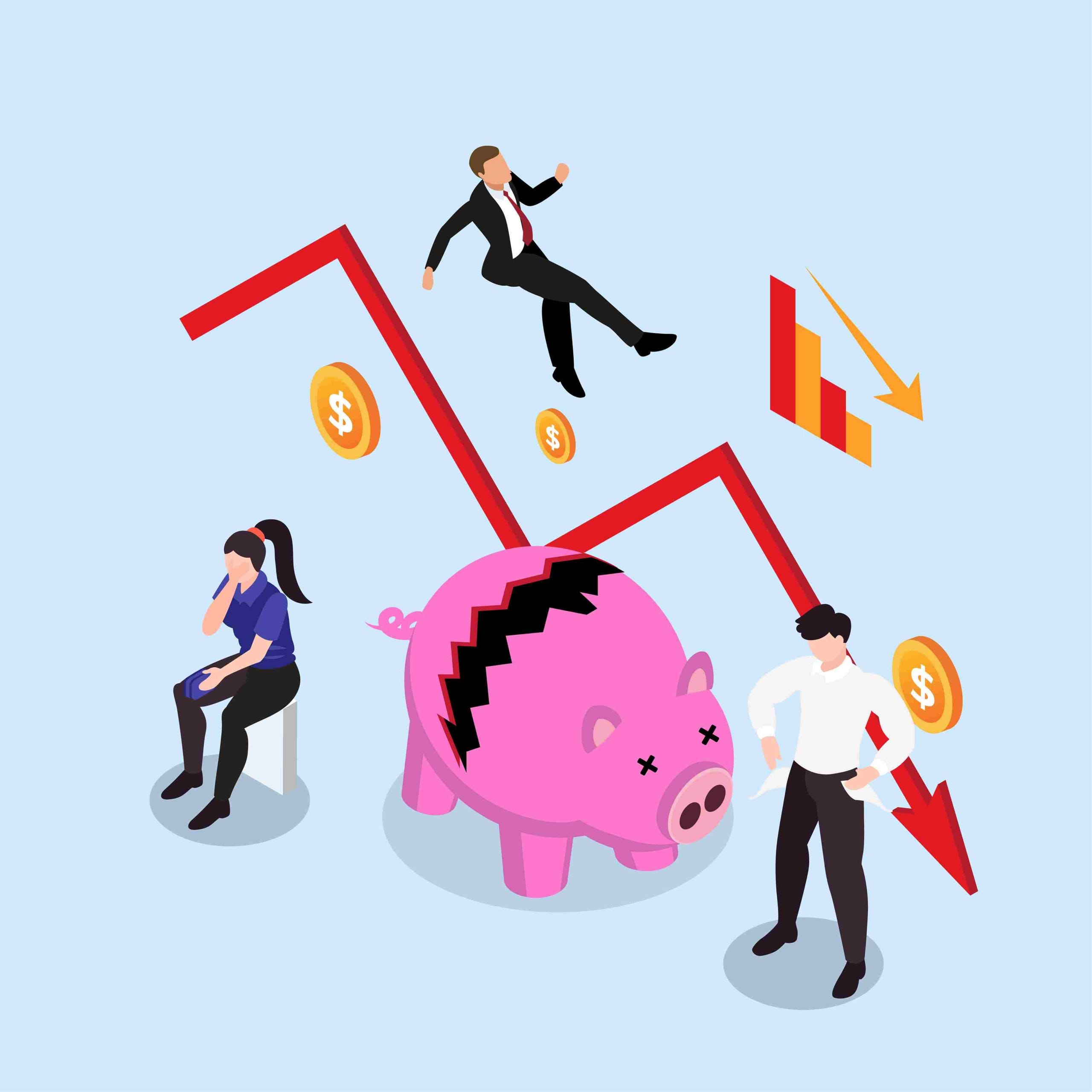
Many traders emotionally collapse after losses because they expected constant success. That expectation is unrealistic.
Even elite traders experience losing streaks.
Accepting Imperfection
No strategy works forever. No trader wins every time. The sooner traders accept imperfection, the more emotionally stable they become.
Trying to eliminate all losses usually creates bigger problems.
Recovery Requires Emotional Control
After losses, emotional reactions become dangerous. Revenge trading often follows frustration. Traders try forcing profits to repair damaged confidence.
That desperation usually creates deeper losses.
Building a Trading Mindset That Lasts
Sustainable trading requires emotional maturity. It is not about becoming emotionless. It is about preventing emotions from controlling decisions.
That distinction matters.
Self-Awareness Is a Superpower
Many trading problems begin internally rather than externally. Impulsive personalities often struggle with discipline. Perfectionists may hesitate excessively.
Understanding personal weaknesses helps traders build stronger habits.
Journaling Reveals Hidden Patterns
A trading journal exposes emotional behavior clearly. Patterns become visible over time.
Perhaps certain market conditions trigger impatience. Maybe losses create revenge trades. Awareness creates opportunities for improvement.
Honesty Changes Growth
Dishonest traders rarely improve. Excuses prevent learning.
Blaming brokers, news events, or manipulation may feel comforting temporarily, but it delays real progress. Honest self-reflection creates stronger traders.
Confidence Should Be Quiet
Real confidence looks different from arrogance.
Arrogant traders boast loudly after wins. Confident traders remain steady regardless of outcomes.
Calm Traders Think Clearly
Emotional calmness improves decision-making significantly. Traders who remain composed during volatility usually execute plans more effectively.
Panic clouds judgment.
Humility Keeps Traders Alive
The market humbles everyone eventually. Humble traders adapt faster because they remain open to learning.
Arrogant traders often repeat the same mistakes until their accounts disappear.
The Difference Between Gambling and Professional Trading

At first glance, gambling and trading may appear similar. Both involve risk and uncertainty. But beneath the surface, the mindset differs dramatically.
Professional trading relies on probability, discipline, and risk control. Gambling relies heavily on emotional excitement.
Gamblers Chase Emotion
A gambler often seeks emotional stimulation more than financial growth. The thrill becomes addictive.
That addiction creates destructive patterns.
Impulsiveness Creates Chaos
Impulsive decisions rarely survive long in forex trading. Markets punish emotional behavior relentlessly.
Professional traders avoid impulsiveness because consistency matters more than emotional satisfaction.
Entertainment Trading Is Expensive
Some people trade simply because they feel bored. They enter random positions for stimulation.
The market eventually charges tuition for that behavior.
Professionals Focus on Process
Professional traders think differently. They focus on process quality rather than emotional excitement.
A good trade can still lose money. A bad trade can still make money temporarily. Professionals understand that distinction.
Execution Matters More Than Outcome
Many beginners judge trades purely by results. Professionals judge whether the trade followed the plan correctly.
That mindset reduces emotional instability significantly.
Discipline Builds Longevity
Longevity matters more than short-term glory.
A trader surviving consistently for years has already achieved something rare. Most traders disappear because emotional decisions eventually destroy consistency.
Final Thoughts
Forex trading is not designed to entertain people. It is designed to expose emotional weaknesses. The market rewards calm execution while punishing emotional excitement. That truth feels disappointing to those searching for thrills, but liberating to those seeking long-term success.
Excitement may create temporary highs, but discipline builds sustainable growth. The traders who survive are usually not the loudest, boldest, or most dramatic. They are the ones quietly following plans while everyone else chases emotional chaos.
Trading success often looks boring from the outside. Yet beneath that boring surface exists something powerful: control. Control over risk, emotions, impulses, and expectations.
And in a market filled with noise, control becomes a serious advantage.
FAQs
1.What does “trade execution, not excitement” really mean?
It means traders should focus on following their strategy and managing risk rather than chasing emotional thrills or impulsive trades.
2.Why do emotional traders struggle in forex markets?
Emotions like fear and greed distort decision-making. Emotional traders often ignore plans, overtrade, or take unnecessary risks.
3.Can a simple trading strategy still be profitable?
Yes. A simple strategy executed consistently with proper discipline often performs better than a complicated strategy used emotionally.
4.Why is patience important in forex trading?
Patience helps traders wait for high-quality setups instead of forcing trades. This reduces unnecessary losses and emotional stress.
5.How can traders improve discipline over time?
Building routines, journaling trades, managing emotions, and sticking to clear risk-management rules all help strengthen trading discipline over time.