

The forex market has a strange personality. One moment it moves like a calm river under a quiet sunset, and the next it behaves like a storm tearing through a fishing village. Traders step into this world hoping for freedom, financial growth, and maybe even a little excitement. Yet many of them discover something frustrating almost immediately. The market does not always reward action. Sometimes the best move is staying still.
Volatile trading hours create a dangerous illusion. Candles move quickly, spreads widen, emotions rise, and every flashing number seems like an opportunity waiting to be captured. But hidden beneath that excitement is noise. Not real direction. Not genuine opportunity. Just confusion dressed as momentum.
Many traders lose money not because they lack intelligence, but because they trade during chaotic hours when the market behaves irrationally. It becomes a battlefield where fear and greed take control faster than logic can react. In those moments, even experienced traders can feel trapped inside a spinning maze.
Avoiding noise during volatile hours is not about fear. It is about survival. It is about understanding that not every movement deserves your attention. Professional traders know this secret well. They do not chase every candle like a dog chasing passing cars. They wait patiently, observe carefully, and strike only when conditions make sense.
The truth is uncomfortable for many beginners. More trading does not automatically create more profit. In fact, constant trading during unstable market conditions often creates exhaustion, emotional burnout, and account destruction. The market rewards discipline far more than reckless activity.
Understanding What Market Noise Really Means
Market noise sounds harmless when people first hear the phrase. It almost feels technical and unimportant. But in reality, noise is one of the biggest silent killers in forex trading.
Noise refers to price movements that have little connection to meaningful market direction. These random fluctuations confuse traders into making impulsive decisions. A sudden spike upward may look like a breakout, but minutes later the market crashes back down. A sharp bearish candle may trigger panic selling, only for the trend to reverse immediately.
The Illusion of Opportunity During Fast Market Movements
Volatile hours often trick traders into believing the market is offering endless opportunities. Screens light up with movement, social media explodes with predictions, and adrenaline floods the brain. It feels exciting. It feels alive.
But excitement is not the same thing as clarity.
Many traders mistake speed for certainty. They assume that because price is moving aggressively, profit must be easier to capture. Unfortunately, volatile markets often behave like a crowd running in every direction during an emergency. Nobody truly knows where safety is.
Why Fast Candles Trigger Emotional Decisions
Human psychology reacts strongly to rapid movement. When traders see candles jumping aggressively, the brain interprets it as urgency. Suddenly patience disappears. Rational analysis fades into the background.
Fear of missing out becomes powerful during these moments. Traders enter positions too early, close trades too quickly, or increase risk without proper planning. It is similar to walking into a casino after hearing someone scream about winning big. Logic becomes secondary to emotion.
The forex market knows how to exploit emotional behavior. Volatile hours amplify emotional reactions, making poor decisions more likely. That is why emotional discipline matters more than strategy during chaotic sessions.
False Breakouts Create Expensive Mistakes
False breakouts are everywhere during volatile periods. Price appears ready to explode in one direction, convincing traders to jump in aggressively. Then suddenly the move collapses.
This happens because institutional players often create liquidity traps. Retail traders rush into obvious breakouts while larger market participants quietly take advantage of their emotional reactions. It feels unfair, but this is how markets operate.
Many traders experience repeated frustration because they confuse temporary spikes with genuine directional movement. Learning to recognize noise means understanding that not every breakout deserves trust.
The Difference Between Volatility and Real Momentum

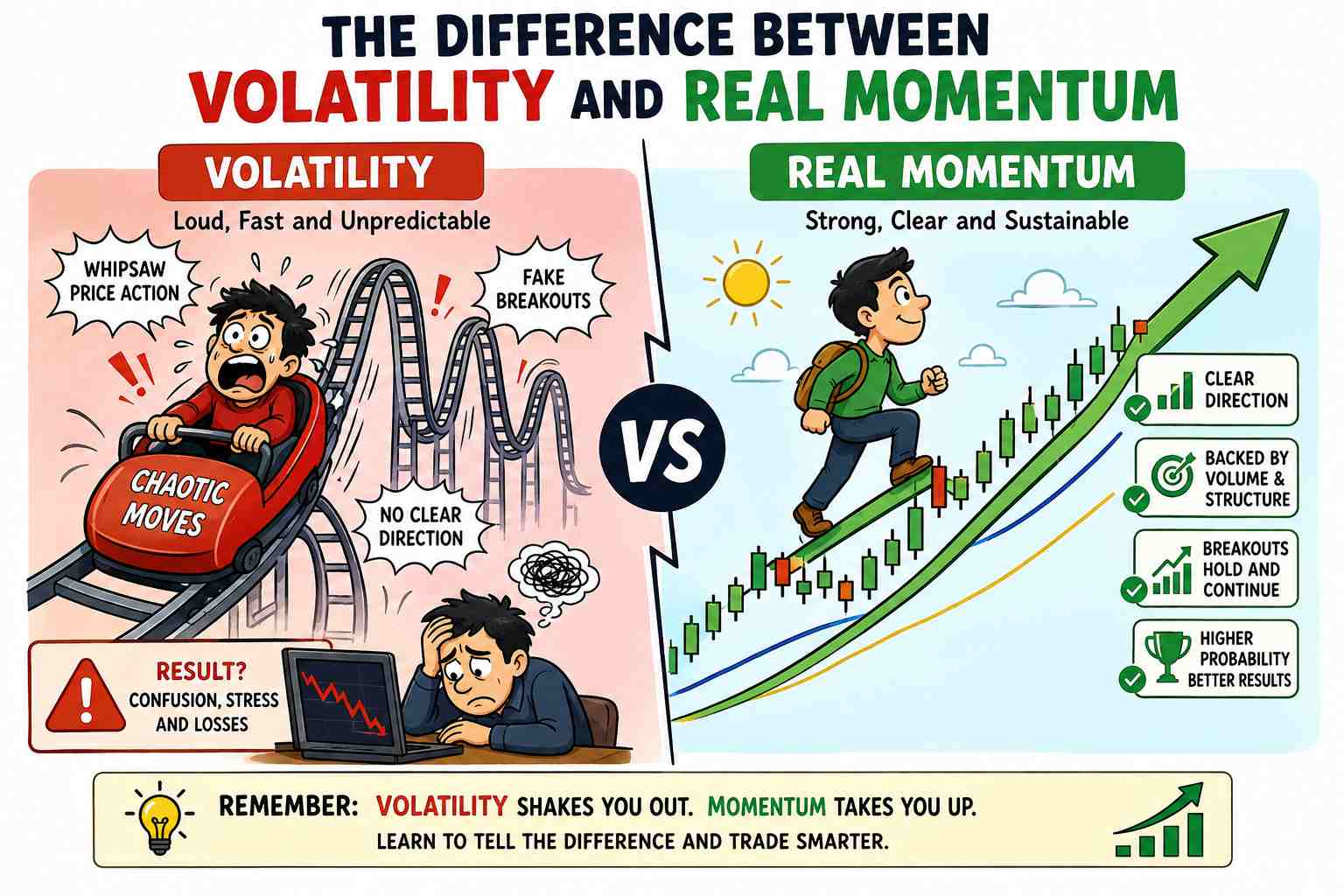
Volatility and momentum may look similar from a distance, but they behave very differently.
Volatility is chaotic movement. Momentum is controlled movement with direction and purpose. One resembles a violent thunderstorm. The other feels more like a strong river current steadily flowing toward a destination.
Chaotic Price Action Often Has No Clear Direction
When volatility dominates the market, price swings become unpredictable. Candles stretch wildly in both directions, trapping traders repeatedly.
This type of environment creates confusion because technical patterns lose reliability. Support and resistance zones become unstable. Indicators give mixed signals. Even experienced traders struggle to interpret the market accurately.
The danger lies in assuming every movement carries meaning. During chaotic sessions, much of the movement is simply emotional reaction rather than true market intention.
Momentum Builds With Structure and Consistency
Real momentum behaves differently. It develops gradually and often respects technical levels more consistently.
Momentum-driven markets tend to move with cleaner patterns. Pullbacks appear healthier. Breakouts hold more reliably. Traders can identify stronger confirmation before entering positions.
Professional traders often prefer steady momentum over explosive volatility because it offers greater clarity. Predictability matters far more than excitement when real money is involved.
Why Volatile Trading Hours Destroy Trader Discipline
The market has a way of exposing emotional weakness. Volatile hours simply accelerate the process.
Many traders begin their journey believing success depends entirely on strategy. They spend months searching for indicators, patterns, and secret systems. But when market volatility increases, even the best strategy can collapse under emotional pressure.
The biggest battle in forex trading rarely happens on the chart. It happens inside the trader’s mind.
Stress Changes the Way Traders Think
Fast-moving markets create mental overload. Every second feels important. Traders stare at charts intensely, afraid to blink or step away.
Under pressure, the brain shifts into survival mode. Calm decision-making disappears. People react impulsively instead of thinking strategically.
Panic Trading Leads to Overtrading
Panic trading is one of the most destructive habits in forex. Traders feel compelled to recover losses quickly or capitalize on every movement.
Instead of waiting for high-quality setups, they enter trades constantly. One bad trade leads to another. Emotional exhaustion grows. Confidence collapses.
Overtrading during volatile hours resembles trying to catch falling knives with bare hands. Eventually something painful happens.
Mental Fatigue Weakens Risk Management
Risk management sounds easy during calm conditions. Traders promise themselves they will follow rules and stay disciplined.
Then volatility arrives.
Suddenly stop losses widen emotionally. Position sizes increase irrationally. Traders convince themselves the market will reverse if they just hold longer.
Mental fatigue quietly destroys discipline. After staring at chaotic charts for hours, decision quality declines sharply. The trader no longer acts strategically. They simply react.
Social Media Makes Volatile Markets Even Worse
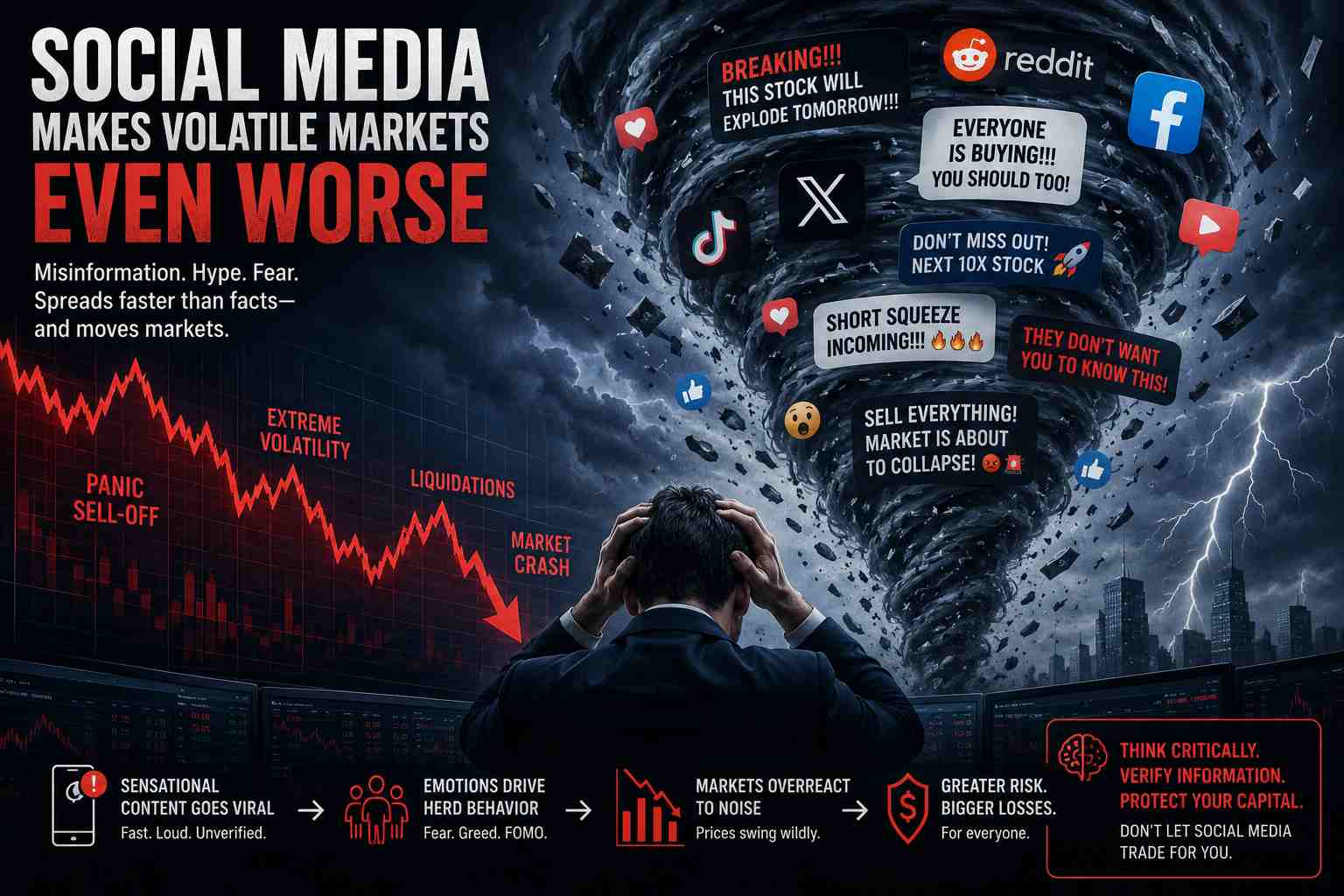
Modern trading culture adds another layer of chaos. Social media platforms overflow with dramatic predictions during volatile sessions.
Everyone suddenly becomes a market expert. Traders see screenshots of huge profits, emotional opinions, and aggressive forecasts spreading rapidly.
Hype Creates Unrealistic Expectations
When traders constantly consume hype-driven content, patience becomes difficult. They start believing massive profits should happen daily.
This mindset creates dangerous pressure. Traders feel inadequate if they remain cautious while others appear to make huge gains.
But social media rarely shows the full picture. For every trader posting profits, countless others quietly lose money without sharing their failures.
Fear of Missing Out Damages Decision-Making
Fear of missing out can destroy rational thinking faster than almost anything else.
During volatile hours, traders watch price move aggressively and feel left behind. They chase entries late, ignore confirmation signals, and abandon their original plans.
The market punishes emotional chasing brutally. Entering late often means buying near temporary highs or selling near emotional lows.
Patience feels boring, but boredom protects capital.
The Best Times to Stay Out of the Market
One of the hardest lessons in forex trading is learning when not to trade.
Many beginners believe successful traders are always active. They imagine professionals glued to charts twenty-four hours a day hunting endless opportunities.
Reality looks very different.
Experienced traders spend enormous amounts of time waiting. They understand that preserving capital matters more than forcing trades during unstable conditions.
Major News Releases Create Dangerous Conditions
Economic news releases can move the forex market violently within seconds.
Interest rate decisions, inflation reports, employment data, and geopolitical announcements create explosive volatility. Price spikes aggressively in multiple directions before settling.
Spreads Widen Unexpectedly During News Events
Many traders underestimate the danger of widening spreads.
During major announcements, brokers often increase spreads dramatically because liquidity becomes unstable. Traders may enter positions at terrible prices without realizing it.
Even correct market direction may not save a poorly timed trade. Slippage and spread expansion can create losses faster than expected.
Whipsaw Movements Trap Traders Repeatedly
News volatility often creates whipsaw price action. The market spikes upward violently, reverses downward moments later, and then changes direction again.
These rapid reversals trap emotional traders repeatedly. Stop losses trigger constantly while confusion spreads across the market.
Trying to predict short-term reactions during major news releases often feels like standing in front of a tornado hoping it changes direction politely.
Market Openings Can Become Extremely Unstable


Market openings frequently create unpredictable movement.
The London open and New York open especially attract heavy trading volume. While opportunities certainly exist during these periods, volatility also increases significantly.
Liquidity Surges Can Distort Technical Patterns
As trading volume floods into the market, technical structures sometimes become distorted temporarily.
Breakouts fail unexpectedly. Support and resistance levels behave inconsistently. Short-term patterns lose reliability.
Traders who jump into the market too quickly during opening sessions often discover that initial moves reverse aggressively.
Waiting Often Creates Better Trading Opportunities
Patience during market openings can provide major advantages.
Instead of chasing the first movement, experienced traders often wait for volatility to settle slightly before entering positions. This approach allows clearer market structure to develop.
The market usually reveals its true direction after emotional opening volatility fades. Waiting may feel uncomfortable, but discomfort is often cheaper than impulsive mistakes.
How Professional Traders Filter Out Market Noise
Professional traders rarely survive by reacting emotionally. They survive because they develop systems that protect them from chaos.
The difference between amateur and professional behavior becomes obvious during volatile periods. Amateurs chase movement. Professionals analyze conditions calmly.
That does not mean professionals avoid all volatility. It means they understand how to filter meaningful information from emotional market noise.
Patience Becomes a Competitive Advantage
Patience sounds simple until real money enters the picture.
Watching price move without participating can feel frustrating. Traders worry they might miss opportunities. Yet professionals understand that selective trading creates consistency.
Waiting for Confirmation Reduces Emotional Errors
Professional traders often wait for confirmation before entering trades.
Instead of reacting instantly to sudden movement, they observe whether the market respects key levels, maintains momentum, or shows genuine continuation.
This patience filters out many false setups. It reduces emotional entries and improves trade quality significantly.
Less Trading Often Produces Better Results
This idea frustrates many beginners because it feels counterintuitive.
People assume more trades create more profit opportunities. In reality, excessive trading frequently increases exposure to low-quality setups.
Professional traders understand that capital preservation is essential. They focus on quality rather than quantity.
Risk Management Protects Traders From Chaos

Risk management is not glamorous. Nobody brags online about disciplined position sizing.
Yet proper risk management quietly separates long-term survivors from emotional gamblers.
Smaller Position Sizes Reduce Emotional Pressure
Large positions create enormous emotional stress.
When too much money is at risk, traders become emotionally attached to outcomes. Fear intensifies. Decision-making suffers.
Smaller positions create psychological stability. Traders think more clearly because individual trades no longer feel life-changing.
Protecting Capital Matters More Than Fast Profits
Many traders enter forex hoping for rapid financial transformation.
Unfortunately, this desperation often leads to reckless behavior. Traders take excessive risks trying to accelerate profits quickly.
Professional traders think differently. They understand that survival comes first. A trader who protects capital can continue learning and improving. A trader who destroys their account starts over from nothing.
Building a Smarter Trading Mindset
The forex market constantly tests emotional maturity.
Success rarely belongs to the smartest person in the room. It usually belongs to the trader who remains calm while others panic.
Avoiding noise during volatile hours requires more than technical knowledge. It requires self-awareness, discipline, and emotional control.
Emotional Control Is More Valuable Than Prediction
Many traders become obsessed with predicting every market movement.
They search endlessly for perfect indicators and magical systems capable of forecasting price accurately every time. But markets remain unpredictable by nature.
Accepting Uncertainty Creates Mental Freedom
One of the healthiest realizations in trading is understanding that uncertainty never disappears.
No trader controls the market. No strategy guarantees perfect accuracy. Accepting this reality reduces emotional pressure significantly.
Traders who embrace uncertainty become less reactive. They stop forcing certainty onto chaotic conditions.
Confidence Should Come From Discipline, Not Ego
True trading confidence does not come from winning every trade.
It comes from trusting your process, respecting risk, and staying disciplined regardless of outcomes.
Ego-driven traders often struggle during volatile hours because they feel personally challenged by market movement. Disciplined traders simply adapt.
Creating Boundaries Improves Long-Term Consistency
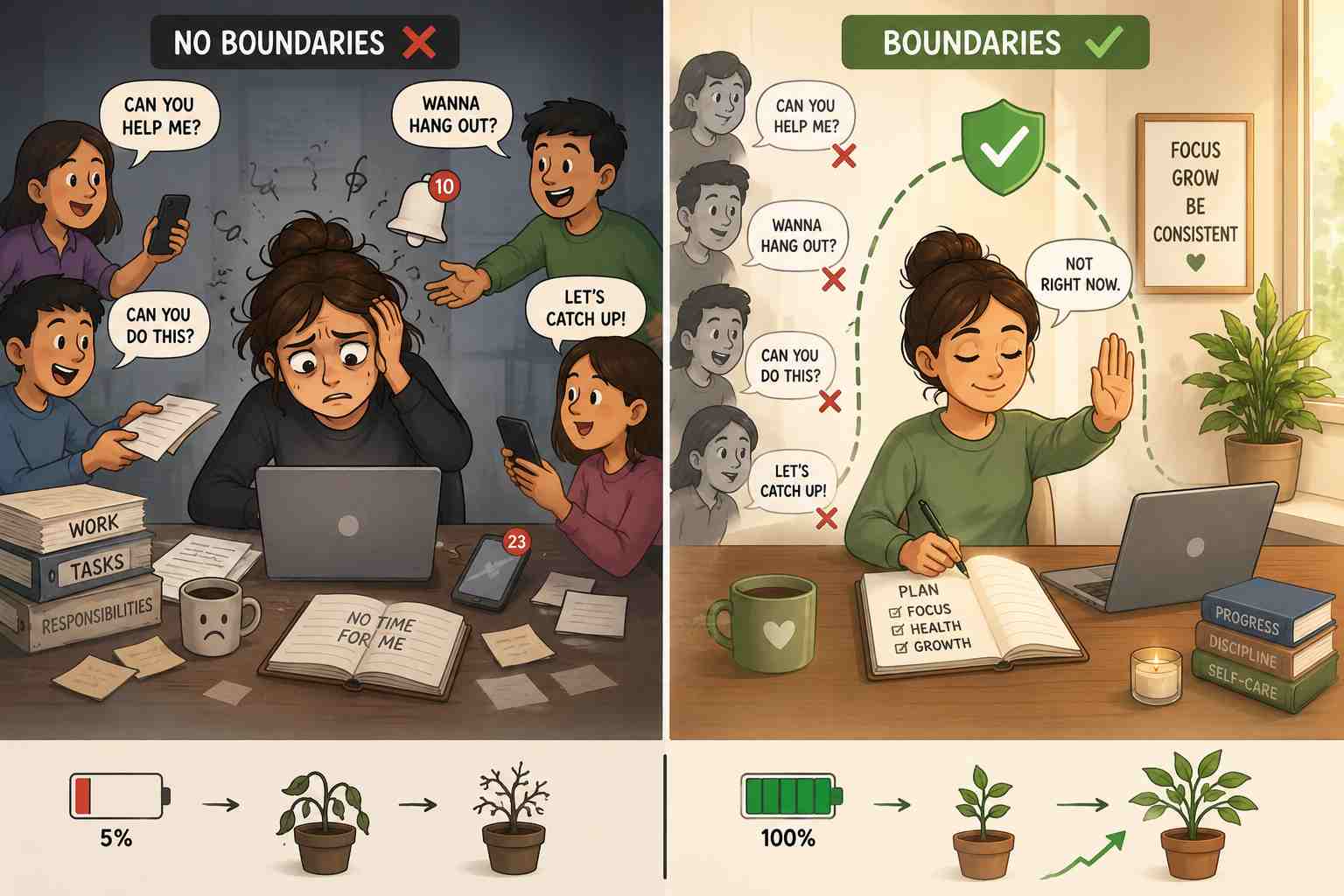
Boundaries matter enormously in trading.
Without clear boundaries, traders become emotionally consumed by charts, news, and market fluctuations.
Trading Less Frequently Can Improve Focus
Many successful traders do not trade constantly.
They focus intensely during specific sessions or conditions while avoiding chaotic environments. This selective approach preserves emotional energy.
Constant exposure to volatility drains mental clarity. Taking breaks improves focus and decision quality.
Stepping Away Sometimes Protects Performance
Walking away from the charts can feel difficult, especially after losses.
Yet stepping away often prevents emotional revenge trading. It allows traders to reset mentally instead of making impulsive decisions fueled by frustration.
The market will always offer new opportunities tomorrow. Destroying emotional stability today rarely helps future performance.
Why Silence Often Beats Constant Market Activity
There is something strangely powerful about silence in trading.
While the market screams with volatility, flashing candles, and emotional reactions, disciplined traders often remain quiet. They observe. They wait. They ignore unnecessary noise.
This silence is not weakness. It is control.
The Market Rewards Calm Thinking
Calm thinking becomes incredibly valuable during unstable conditions.
Most traders react emotionally when volatility rises. They rush into trades seeking excitement or recovery.
Reactive Traders Often Become Easy Targets
Emotional traders leave clear footprints in the market.
They chase momentum late, panic during reversals, and abandon strategies under pressure. Larger institutional players understand these behavioral patterns well.
Markets frequently punish emotional reactions because crowds tend to behave predictably during stress.
Stillness Helps Traders See the Bigger Picture
When traders slow down mentally, they notice things emotional participants often miss.
They recognize stronger trends, identify cleaner setups, and avoid unnecessary risk. Stillness creates perspective.
In many ways, successful trading resembles chess more than gambling. Strategic patience usually outperforms emotional aggression.
Consistency Matters More Than Excitement


Excitement attracts people to forex initially.
The idea of fast-moving charts and quick profits feels thrilling. But excitement alone rarely produces long-term success.
Stable Habits Build Sustainable Results
Consistency grows through stable habits.
Professional traders follow routines, respect boundaries, and avoid emotional extremes. Their success comes from repetition and discipline rather than occasional lucky trades.
Small consistent gains often outperform reckless attempts at massive profits.
Long-Term Survival Is the Real Victory
Many traders focus entirely on short-term results.
But the market rewards longevity. Traders who survive difficult periods gain experience, emotional maturity, and deeper understanding over time.
The forex market can humble anyone. Surviving its chaos requires patience, humility, and discipline.
Final Thoughts
The forex market never stops moving, but that does not mean traders must react to every movement.
Volatile hours create dangerous illusions. They tempt traders with excitement while quietly increasing emotional pressure and risk. Many accounts disappear not because traders lacked intelligence, but because they confused chaos with opportunity.
Avoiding market noise requires maturity. It means understanding that patience is not weakness. Waiting is not failure. Silence is not inactivity.
Professional traders survive because they protect their minds as carefully as they protect their capital. They know that emotional control matters more than constant action. They accept uncertainty, filter out noise, and focus only on high-quality opportunities.
The market will always offer another setup tomorrow. Chasing every candle today rarely changes your future positively.
Sometimes the smartest trade is the one you never take.
FAQs
1.What does market noise mean in forex trading?
Market noise refers to random price movements that do not reflect meaningful market direction. These fluctuations often confuse traders and create false trading signals.
2.Why are volatile trading hours risky for beginners?
Volatile hours increase emotional pressure, rapid price swings, and false breakouts. Beginners often struggle to manage emotions and risk effectively during chaotic conditions.
3.Can traders still profit during volatile sessions?
Yes, experienced traders can profit during volatility, but they usually rely on strict discipline, strong risk management, and patience rather than emotional reactions.
4.How can traders avoid emotional decisions in forex?
Traders can reduce emotional decisions by following a clear trading plan, using proper risk management, limiting screen time, and avoiding impulsive trades during unstable market conditions.
5.Why is patience important in forex trading?
Patience helps traders wait for high-quality opportunities instead of chasing random market movement. It reduces emotional mistakes and improves long-term consistency.