
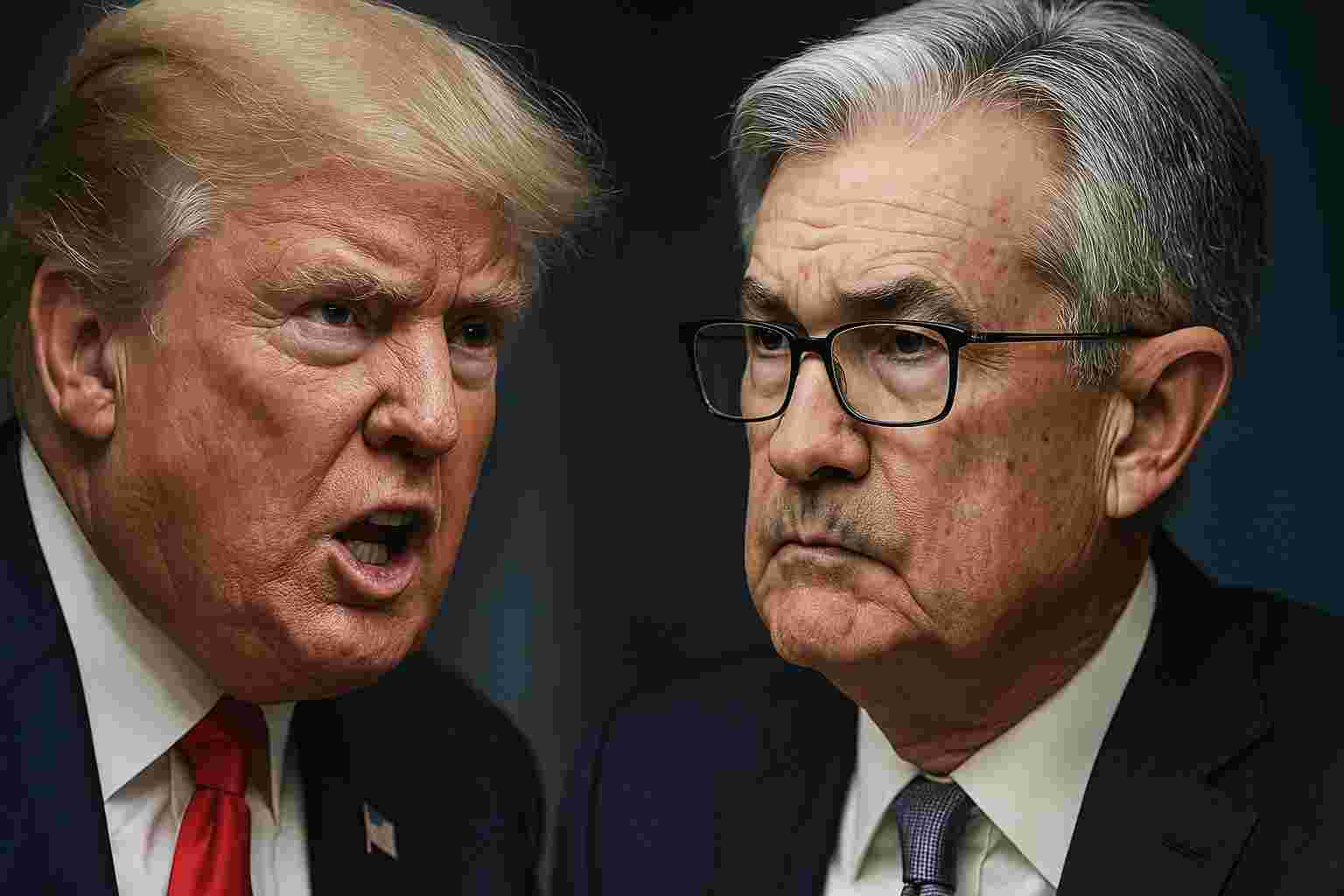
President Donald Trump is turning up the heat on U.S. monetary policy again—this time by hinting that his next choice to lead the Federal Reserve is already decided. With current Fed Chair Jerome Powell’s term set to end in May 2026, Trump has said he plans to announce his nominee early in 2026, and he has suggested the shortlist has essentially shrunk to a single finalist.
That simple timeline matters. Investors, businesses, and everyday borrowers all take their cues from the Fed’s direction on interest rates. So when a president strongly signals that a leadership change is coming—and ties that change to a desire for lower rates—markets start listening closely, even before any official nomination is made.
Why Trump Wants Rate Cuts Sooner, Not Later
Trump has been publicly critical of Powell for years, especially when rates stay higher than the White House would prefer. The heart of Trump’s argument is straightforward: he believes lower interest rates can support faster economic activity, cheaper borrowing, and a more upbeat business environment.
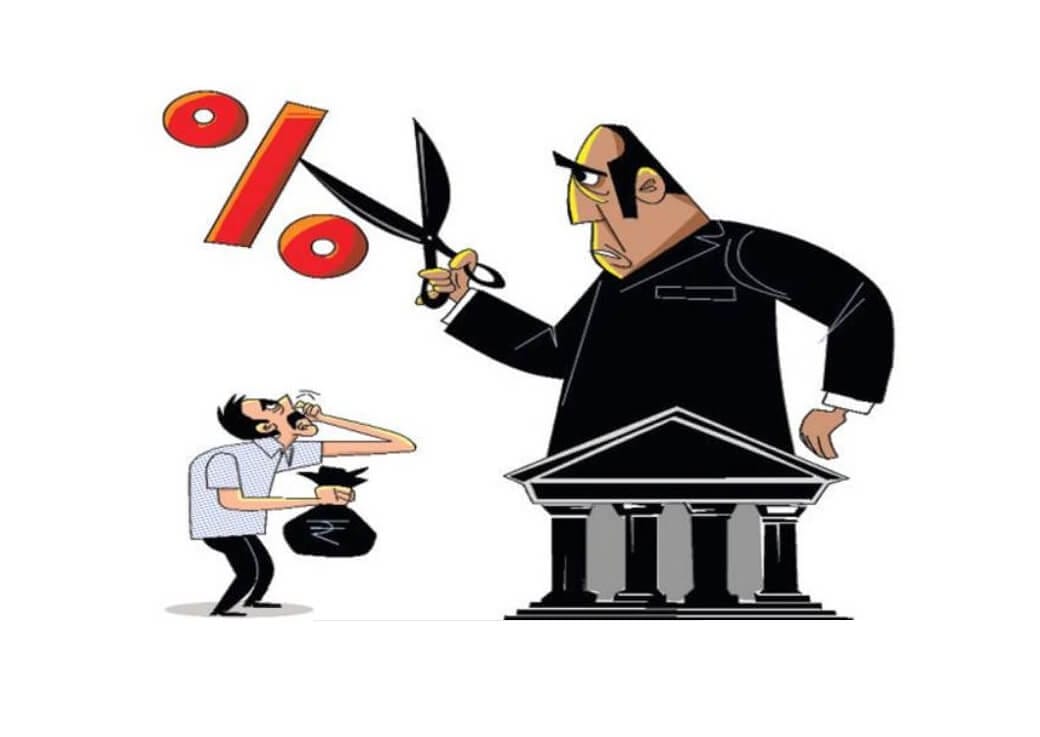
Rate cuts can reduce the cost of loans for homes, cars, and business expansion. They can also make government borrowing less expensive over time. For a president who wants strong growth and an optimistic mood heading into major political moments, a Fed that leans toward cutting rates quickly can look like the ideal partner.
But the Fed does not work for the president. It’s designed to be independent so it can focus on long-term economic stability, especially around inflation and employment. That independence is why markets react strongly when politics seems to creep closer to the Fed’s decision-making process.
The bigger point here is not just that Trump wants lower rates. It’s that he wants a Fed chair who will move quickly, and that sets up a high-stakes test for whoever gets the job.
Scott Bessent’s Big Job: Find a Fed Chair Who Can Deliver
Treasury Secretary Scott Bessent has a major role in the search for the next Fed chair, and that puts him in a tricky position. If Trump expects rapid rate cuts soon after a new chair takes office, then the selection process becomes more than a routine personnel decision. It becomes a promise—implied or explicit—about the direction of monetary policy.
That can be risky for everyone involved.

A Fed chair can influence the tone, priorities, and strategy of the central bank, but interest-rate decisions ultimately come from the broader Federal Open Market Committee (FOMC). Even the most powerful chair still has to build agreement, manage internal debates, and respond to economic data that may not cooperate with political goals.
This is why the pressure on Bessent is intense. If he helps choose someone seen as aligned with Trump’s push for lower rates, he may please the president in the short term. But if the Fed doesn’t cut quickly—or can’t cut because inflation risks return—Bessent could still take the blame for a pick that didn’t “deliver.”
A Leadership Change With Real-World Impact
The Fed chair matters far beyond Washington. A shift in leadership can change how the Fed communicates with the public, how seriously it treats inflation threats, and how willing it is to risk cutting rates earlier than planned.
For households, rate cuts often show up as lower interest payments over time, though not always immediately. For businesses, cheaper credit can encourage hiring and expansion. For the wider economy, it can mean more activity—but also the potential risk of inflation re-accelerating if policymakers move too fast.
That balance—growth versus inflation control—is what the Fed is built to manage. And it’s why the next chair will be judged not just by political headlines, but by whether the economy stays stable.
Is Kevin Hassett the Front-Runner? Trump’s Hints Add Fuel
One name keeps popping up: Kevin Hassett, Trump’s top economic adviser and a familiar face from the president’s first term. Hassett is widely viewed as a loyal Trump ally, and he has defended Trump’s economic approach in frequent TV appearances. He has also supported Trump’s preferences for lower interest rates and backed major policy ideas such as sweeping import tariffs.
Trump has not confirmed who he will pick. But his comments have stirred fresh speculation.
On Sunday, Trump told reporters he already knows who he plans to choose as Powell’s successor, but he declined to say whether that person was Hassett. Then, during a White House event on Tuesday, Trump appeared to nod toward Hassett in a teasing, not-quite-confirming way—calling him a “respected person” while hinting that a “potential Fed chair” might even be present.
That kind of public signaling is unusual. It keeps the story alive, pushes the conversation forward, and shapes expectations well before any formal announcement.
Why Loyalty Is Part of the Story
Hassett’s supporters would say he has experience, understands how markets interpret Fed messaging, and can align economic policy goals across the administration. Critics would worry that strong political alignment could weaken the perception of Fed independence.
And perception matters. The Fed’s power isn’t just in setting rates—it’s also in credibility. If households and businesses believe the Fed will keep inflation under control, pricing behavior stays calmer. If they believe policy is mainly political, uncertainty can rise.
That’s why the next nomination will be about more than a résumé. It will also be a test of how the White House views the Fed’s role: independent referee, or partner in delivering results.
What Happens Between Now and May 2026
Trump has said he will announce his Fed chair nominee early next year, and he has suggested there is already a single leading candidate. Powell’s term ends in May 2026, which creates a runway of several months between the public nomination and the potential handover.
That gap matters because markets typically begin adjusting expectations the moment a credible nominee emerges, especially if that nominee is seen as more “dovish” (more supportive of rate cuts) or more “hawkish” (more focused on preventing inflation).
Here are the key things people will watch during this period:
How the Nominee Talks About Inflation and Jobs
Even small comments about priorities—whether the focus is price stability, growth, job creation, or risk management—can shift expectations.
Whether the Nominee Emphasizes Independence
A nominee can calm nerves by clearly stating that decisions must follow data and the Fed’s mandate, not political preferences.
How the FOMC Signals Its Own Plans
Even with a new chair on the horizon, the Fed’s broader committee will keep making decisions. If the economy pushes rates in one direction, leadership speculation might matter less than the data.
The Broader Policy Mix: Rates, Spending, and Tariffs
Trump’s economic agenda doesn’t exist in isolation. Tariffs, spending priorities, and regulation can all influence inflation and growth. That, in turn, affects what the Fed can realistically do.
Final Summary
Trump has confirmed he plans to name the next Federal Reserve chair early in 2026, ahead of Jerome Powell’s term ending in May 2026. Treasury Secretary Scott Bessent is leading the search, but the choice comes with political risk if rate cuts don’t arrive quickly enough to meet Trump’s expectations. Kevin Hassett remains a major name in the conversation, especially after Trump publicly hinted at a “potential Fed chair” while referencing him directly. As the timeline becomes clearer, attention will stay locked on one big question: will the next Fed leader prioritize fast rate cuts, or hold firm to the Fed’s traditional data-driven approach?