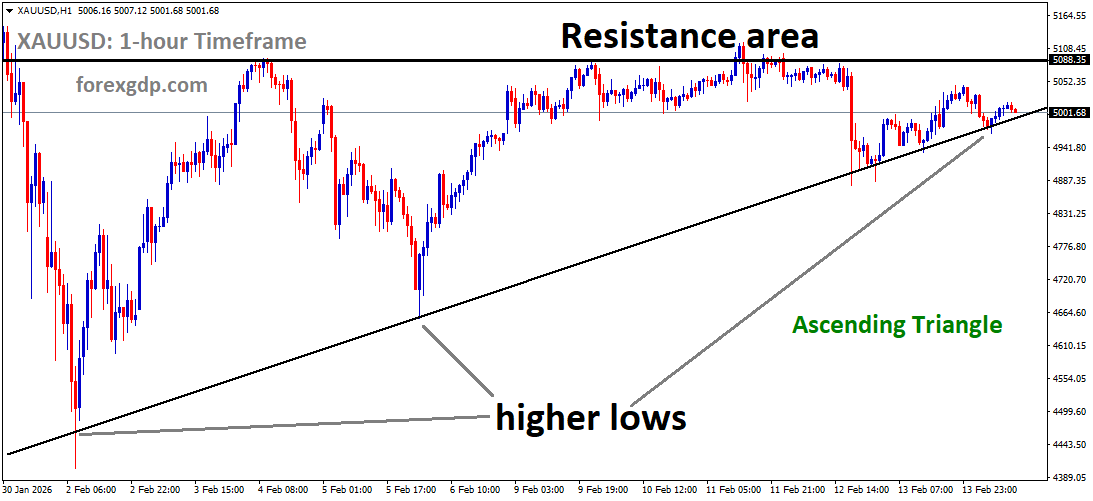
XAUUSD reached a higher low area of the Ascending triangle pattern
Gold is once again in the spotlight as new economic data from the United States points to slower inflation. After posting strong gains in the previous session, the precious metal slightly pulled back during early Asian trading on Monday. Even so, the broader outlook for gold remains positive.
The latest inflation report has strengthened expectations that the US Federal Reserve could reduce interest rates later this year. At the same time, global political developments, including renewed talks between the United States and Iran and fresh efforts to bring peace to Ukraine, are adding another layer of uncertainty to financial markets. Together, these factors are shaping the direction of gold prices and investor sentiment.
Softer US Inflation Boosts Gold’s Appeal
One of the main drivers behind gold’s recent strength is the latest US Consumer Price Index (CPI) report. The data showed that inflation slowed in January, coming in below what many analysts had predicted.
On a yearly basis, consumer prices rose by 2.4% in January. This was lower than the previous month’s reading of 2.7% and slightly below expectations. On a monthly basis, inflation increased by just 0.2%, also softer than forecasts.
Slower inflation matters because it affects how the Federal Reserve makes decisions about interest rates. When inflation cools, the central bank has more room to lower rates. For gold, this is important.
Why Interest Rates Matter for Gold
Gold does not pay interest or dividends. Because of this, it often competes with assets like bonds that do offer returns. When interest rates are high, investors may prefer assets that generate income. However, when rates fall, the opportunity cost of holding gold becomes lower.
In simple terms, if investors earn less from interest-bearing assets, gold becomes more attractive. This is one reason why softer inflation data, which increases the chance of future rate cuts, can support gold prices.
The recent CPI figures have reinforced the belief that the Federal Reserve may keep rates steady in the near term but could reduce them later in the year. Many market participants are now expecting rate cuts before the year ends.
Stable Labor Market Adds to Policy Expectations
While inflation is slowing, the US labor market remains strong. Recent employment data showed that Nonfarm Payrolls increased by the largest amount in over a year. At the same time, the unemployment rate unexpectedly declined.
A healthy labor market suggests that the economy is not weakening sharply. This balance—slower inflation but stable job growth—gives the Federal Reserve flexibility. It may choose to hold interest rates steady in the coming months while watching how economic conditions evolve.
For investors, this combination is important. A stable job market reduces fears of a sudden economic downturn, while lower inflation supports hopes of easier monetary policy ahead. Both factors can create a supportive environment for gold.
When investors expect lower interest rates in the future, they often adjust their portfolios in advance. This shift can include increasing exposure to gold as a hedge against economic uncertainty and currency fluctuations.
Geopolitical Tensions Keep Safe-Haven Demand Alive
Beyond economic data, global political developments are also influencing gold’s outlook. Traders are closely monitoring renewed nuclear negotiations between the United States and Iran. At the same time, US-led efforts to help end the war in Ukraine are set to resume.
These discussions carry significant weight. Any progress could ease global tensions and support riskier assets. On the other hand, setbacks or renewed conflict could increase uncertainty in financial markets.
Gold is widely seen as a safe-haven asset. During times of geopolitical stress or uncertainty, investors often turn to gold to protect their wealth. This demand can help support prices even when other assets struggle.
The current global environment remains fragile. Ongoing conflicts, diplomatic negotiations, and shifting alliances all contribute to uncertainty. As long as these risks remain, gold is likely to attract attention from cautious investors.
Central Bank Buying and Investor Shifts Support Gold
Another factor supporting gold is strong demand from central banks. In recent years, many central banks have increased their gold reserves. This trend reflects a desire to diversify away from traditional reserve assets such as certain currencies and government bonds.

Central bank buying can provide a solid base of demand for gold. Unlike short-term traders, central banks typically invest with a long-term perspective. Their steady purchases can help stabilize the market.
At the same time, some investors are moving away from sovereign bonds and certain currencies. Concerns about long-term debt levels, inflation risks, and geopolitical tensions have encouraged diversification. Gold often benefits from this shift because it is viewed as a store of value.
This broader demand, combined with expectations of lower interest rates, creates a supportive backdrop for the precious metal.
Short-Term Pullbacks Do Not Change the Bigger Picture
Although gold edged slightly lower during early trading on Monday, this modest dip follows strong gains in the previous session. Short-term fluctuations are common in financial markets. What matters more is the underlying trend.
Right now, the key drivers include slowing inflation, expectations of Federal Reserve rate cuts, stable economic growth, and ongoing geopolitical risks. Each of these factors supports gold in different ways.
Investors are likely to remain sensitive to incoming data. Future inflation reports, employment figures, and updates from the Federal Reserve will all influence market expectations. In addition, headlines related to global conflicts and diplomatic talks could quickly shift sentiment.
For gold, this means continued volatility—but also continued opportunity.
What Investors Are Watching Next
Looking ahead, several developments will shape the direction of gold:
-
Future US inflation data to confirm whether the slowdown continues
-
Statements from Federal Reserve officials about interest rate plans
-
Progress or setbacks in US-Iran nuclear talks
-
Updates on peace efforts related to the war in Ukraine
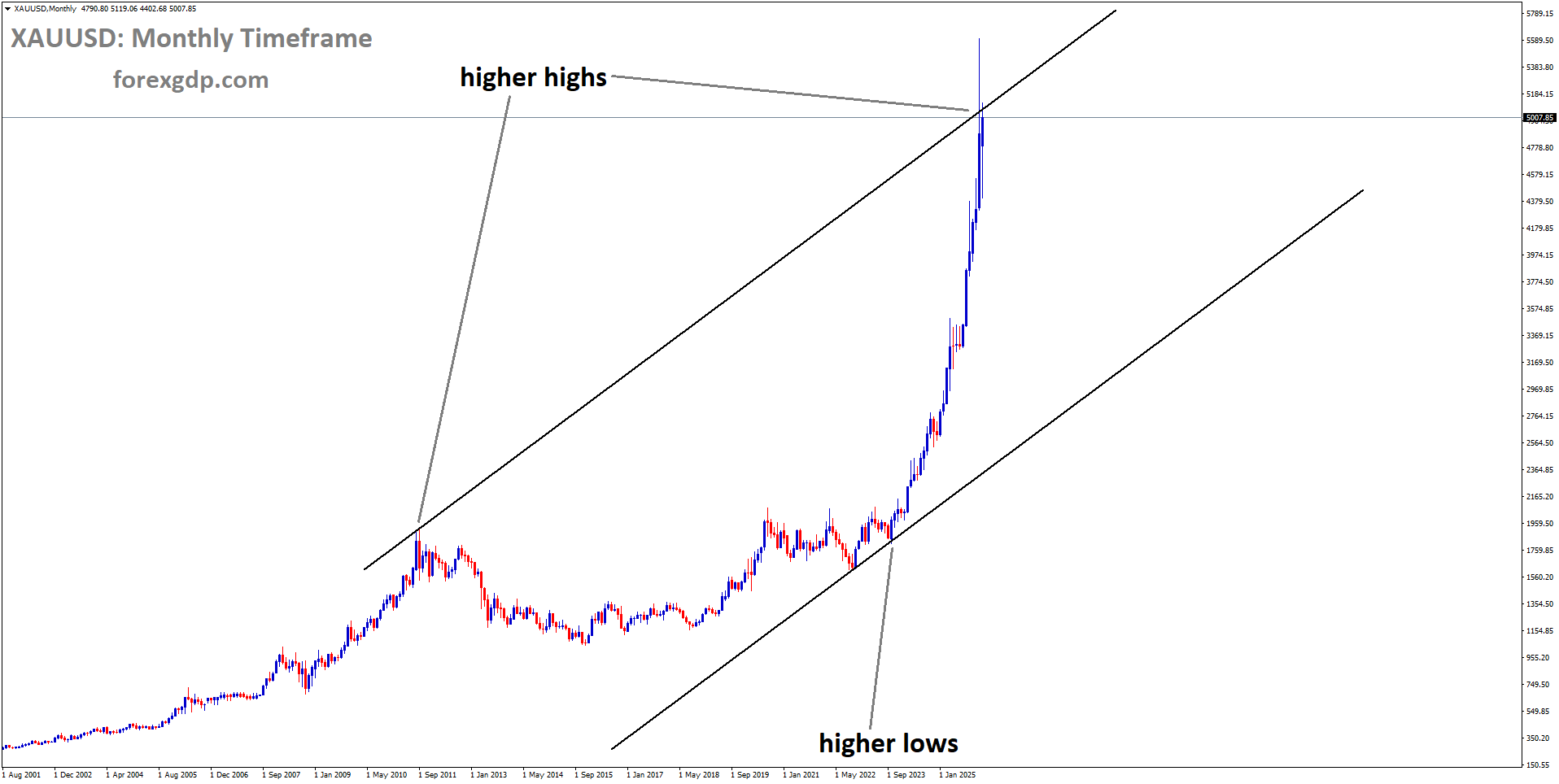
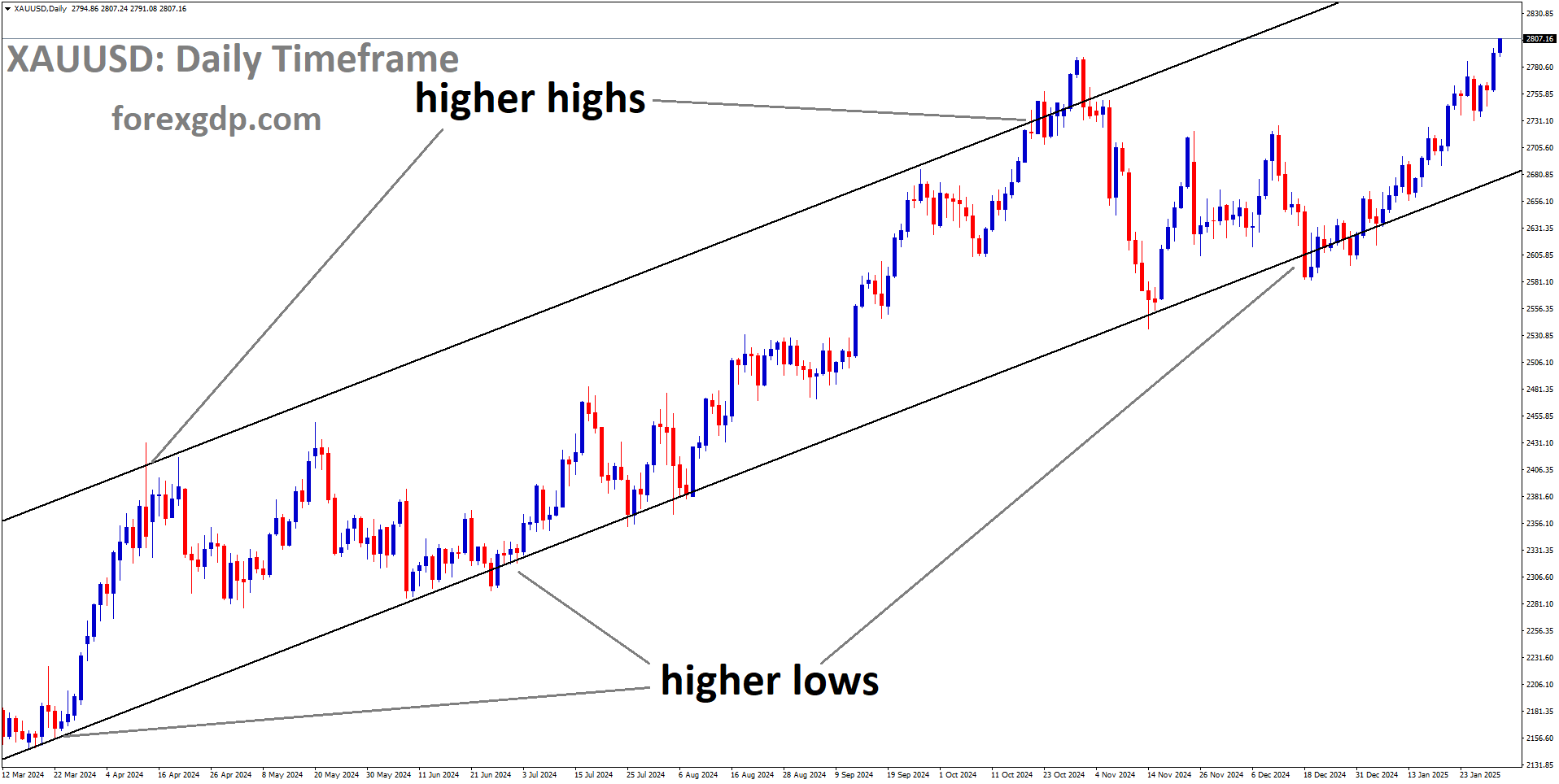
XAUUSD reached a higher high area of the uptrend channel
Each of these factors has the potential to influence investor confidence and risk appetite.
If inflation continues to cool and the Federal Reserve signals a clear path toward rate cuts, gold could benefit further. At the same time, any rise in geopolitical tensions may increase safe-haven demand.
On the other hand, stronger-than-expected economic data or signs that rate cuts may be delayed could create temporary pressure on gold. The balance between economic strength and monetary easing will remain central to the outlook.
Final Thoughts
Gold remains supported by a mix of economic and geopolitical factors. Softer US inflation has strengthened expectations of interest rate cuts later this year, making the non-yielding metal more appealing. A stable labor market adds confidence that the economy can handle policy adjustments without slipping into crisis.
At the same time, ongoing global tensions and renewed diplomatic efforts keep uncertainty alive. Central bank purchases and investor diversification further reinforce gold’s role as a store of value.
While short-term price movements may vary, the broader environment continues to favor gold. As investors navigate inflation trends, central bank decisions, and global political risks, gold is likely to remain a key asset in the global financial landscape.