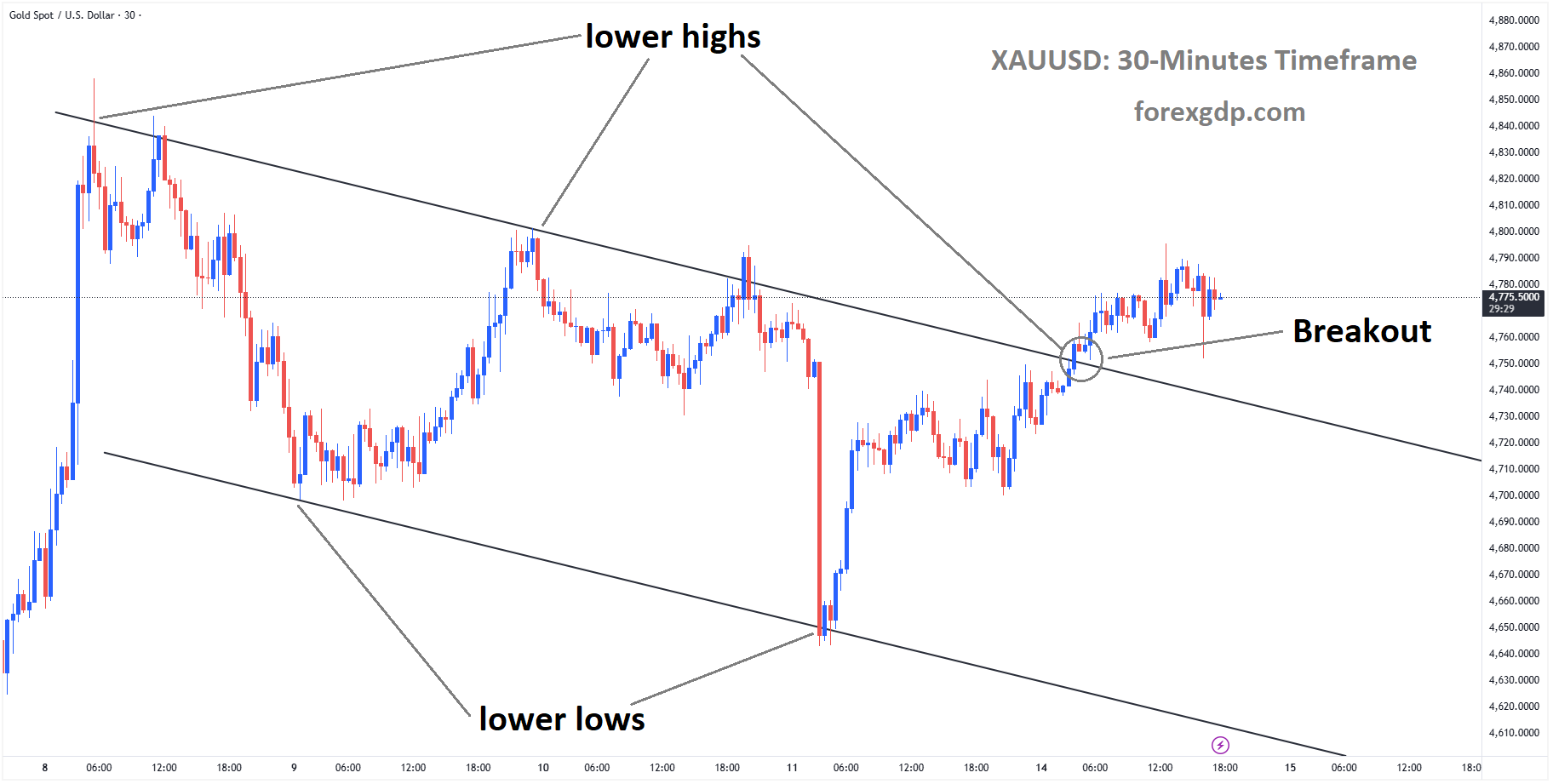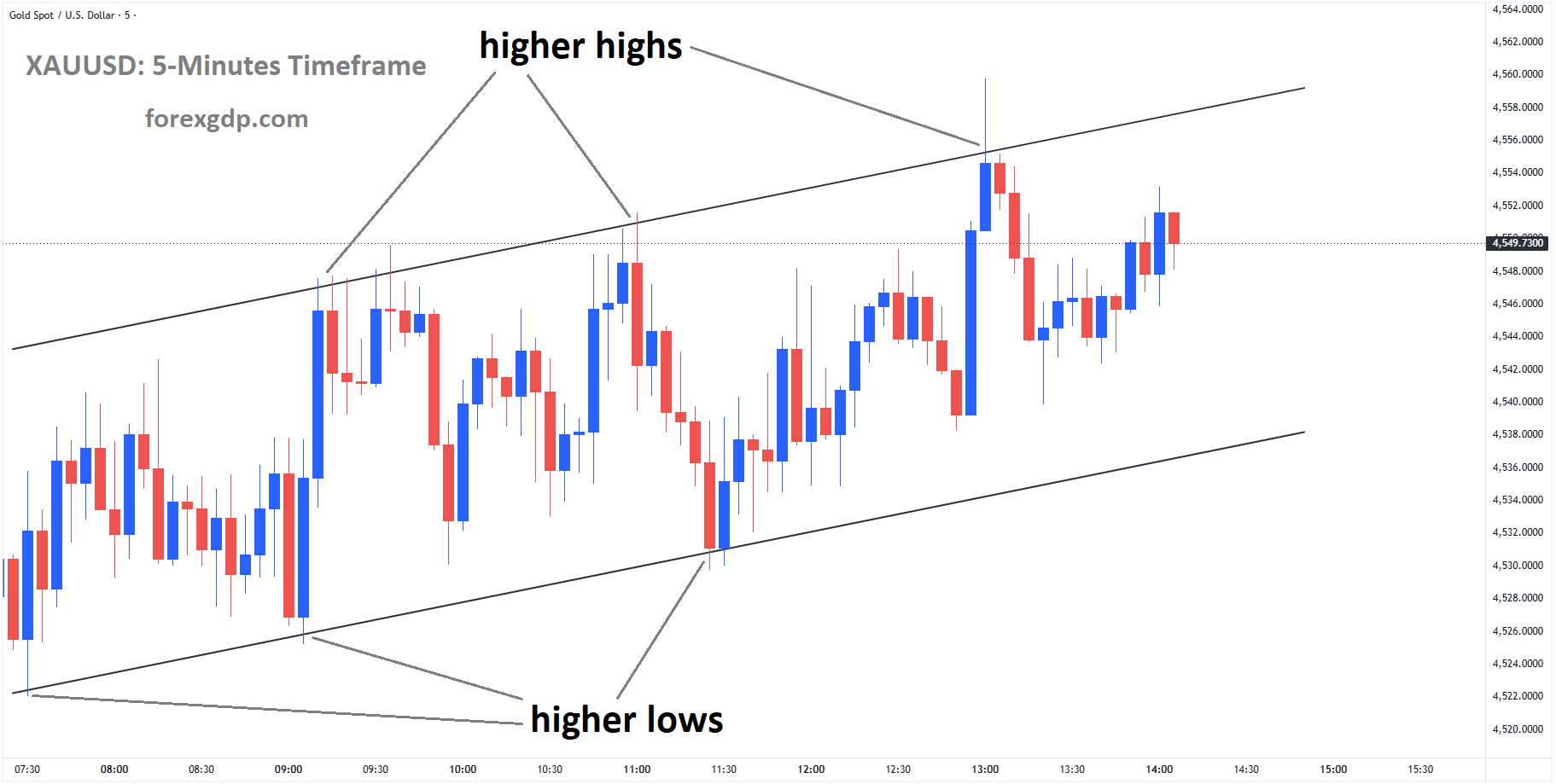
XAUUSD is moving in an ascending channel, and the market has fallen from the higher high area of the channel
Gold prices showed signs of recovery on Monday after falling to their lowest level since March 30. However, the rebound remained limited as the US Dollar continued to stay strong amid growing geopolitical tensions and rising inflation concerns. Investors are closely watching developments in the Middle East and expectations surrounding future interest rate decisions from the US Federal Reserve.
The precious metal has remained under pressure despite safe-haven demand typically supporting gold during uncertain times. A combination of strong dollar demand, rising oil prices, and expectations of tighter monetary policy has created a difficult environment for gold bulls.
Gold Faces Pressure From Strong US Dollar
Gold struggled to build momentum after briefly recovering from its recent decline. During the European trading session, prices stayed below the important $4,550 level, reflecting cautious market sentiment.
One of the biggest reasons behind the weakness in gold is the continued strength of the US Dollar. Investors often move toward the dollar during periods of uncertainty because it is considered the world’s main reserve currency. Ongoing geopolitical risks have encouraged traders to hold dollars instead of gold.
A stronger dollar usually creates challenges for gold prices because bullion becomes more expensive for buyers using other currencies. This can reduce global demand and limit upward movement in the precious metal.
At the same time, higher US Treasury bond yields are also making gold less attractive. Since gold does not provide interest or yield, investors often prefer interest-bearing assets when borrowing costs rise.
Middle East Tensions Increase Market Anxiety
Geopolitical developments in the Middle East have added another layer of uncertainty to global financial markets. Reports of drone strikes and rising military activity have increased fears of a wider regional conflict.
A drone strike reportedly caused a fire at the Barakah Nuclear Power Plant in the United Arab Emirates. Meanwhile, Saudi Arabia announced that it had intercepted three drones launched from Iraq. Saudi officials also warned that they would respond firmly to any threats against the country’s security and sovereignty.
The situation became even more tense after US President Donald Trump issued a strong warning to Iran. In a message posted on Truth Social, Trump urged Iran to move quickly toward an agreement and warned of serious consequences if progress was not made soon. His comments added to concerns that diplomatic negotiations could fail, increasing the risk of further escalation.
These developments have weakened hopes for a peaceful resolution between the United States and Iran. As tensions continue to rise, investors remain cautious and financial markets are becoming increasingly volatile.
Rising Oil Prices Add to Inflation Concerns
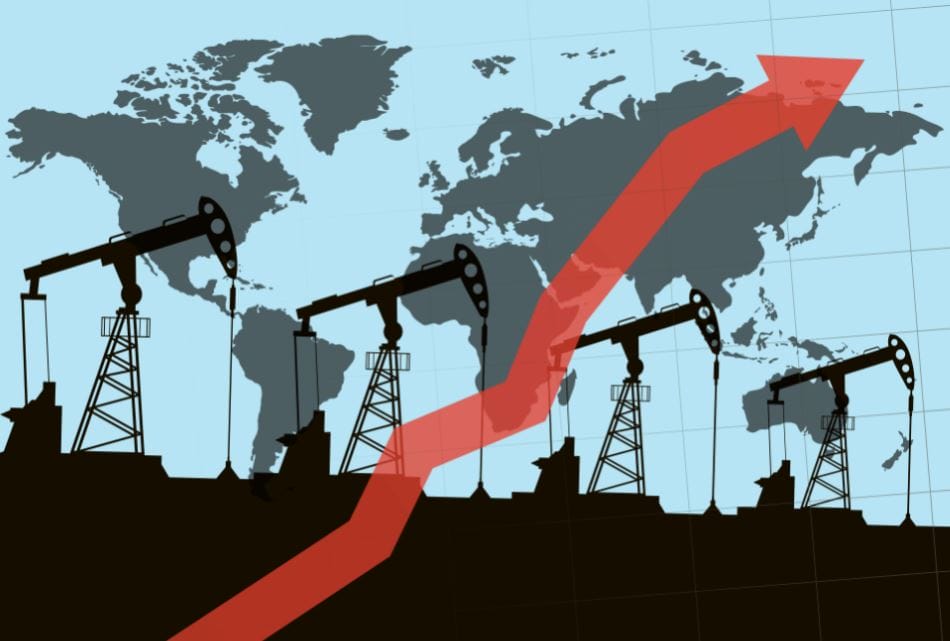
Another major factor affecting gold prices is the sharp rise in crude oil prices. The ongoing conflict and disruptions in the Middle East have raised fears about energy supply issues, especially around the Strait of Hormuz, one of the world’s most important oil shipping routes.
Reports of blockades involving Iranian ports and disruptions to shipping routes pushed oil prices to their highest levels in two weeks. Rising energy prices can increase inflation because fuel costs affect transportation, manufacturing, and consumer goods worldwide.
Higher inflation worries are now strengthening expectations that the US Federal Reserve could maintain a tougher stance on interest rates. Traders increasingly believe the central bank may raise borrowing costs again in the future to control inflationary pressures.
According to market expectations, there is now more than a 50% chance that the Federal Reserve could implement another rate hike before the end of the year. This outlook continues to support the US Dollar and keeps pressure on gold prices.
Why Higher Interest Rates Hurt Gold
Gold is often viewed as a safe-haven asset during uncertain times, but it tends to struggle when interest rates rise. Unlike bonds or savings accounts, gold does not generate regular income for investors.
When central banks increase interest rates, investors can earn better returns from interest-bearing assets. This reduces the appeal of holding gold, especially when bond yields are climbing.
Analysts believe this dynamic is currently limiting gold’s ability to recover. Investors are concerned that prolonged geopolitical disruptions could keep oil prices elevated for an extended period. If inflation remains high, central banks may feel forced to continue tighter monetary policies.
Market experts also note that ongoing threats and political tensions involving Iran are increasing fears that the situation could worsen rather than improve. This uncertainty is keeping traders focused on safe currencies like the US Dollar instead of gold.
Market Focus Turns to Federal Reserve and Economic Data
Investors are now waiting for several important economic events that could influence the direction of gold prices in the coming days.
One of the key events this week is the release of the Federal Open Market Committee (FOMC) meeting minutes. Traders will closely examine the report for clues about the Federal Reserve’s future policy plans and interest rate outlook.
Markets are also watching upcoming global flash PMI data, which provides insight into business activity and economic conditions across major economies. Weak economic data could increase fears of slowing growth, while stronger figures may reinforce expectations of tighter monetary policy.
At the same time, geopolitical headlines from the Middle East are likely to remain a major driver of market volatility. Any signs of further escalation or disruptions in energy supply could rapidly influence both the US Dollar and gold prices.
Physical Gold Demand Shows Mixed Trends
While global financial markets remain cautious, physical gold demand has shown different trends across major Asian markets.
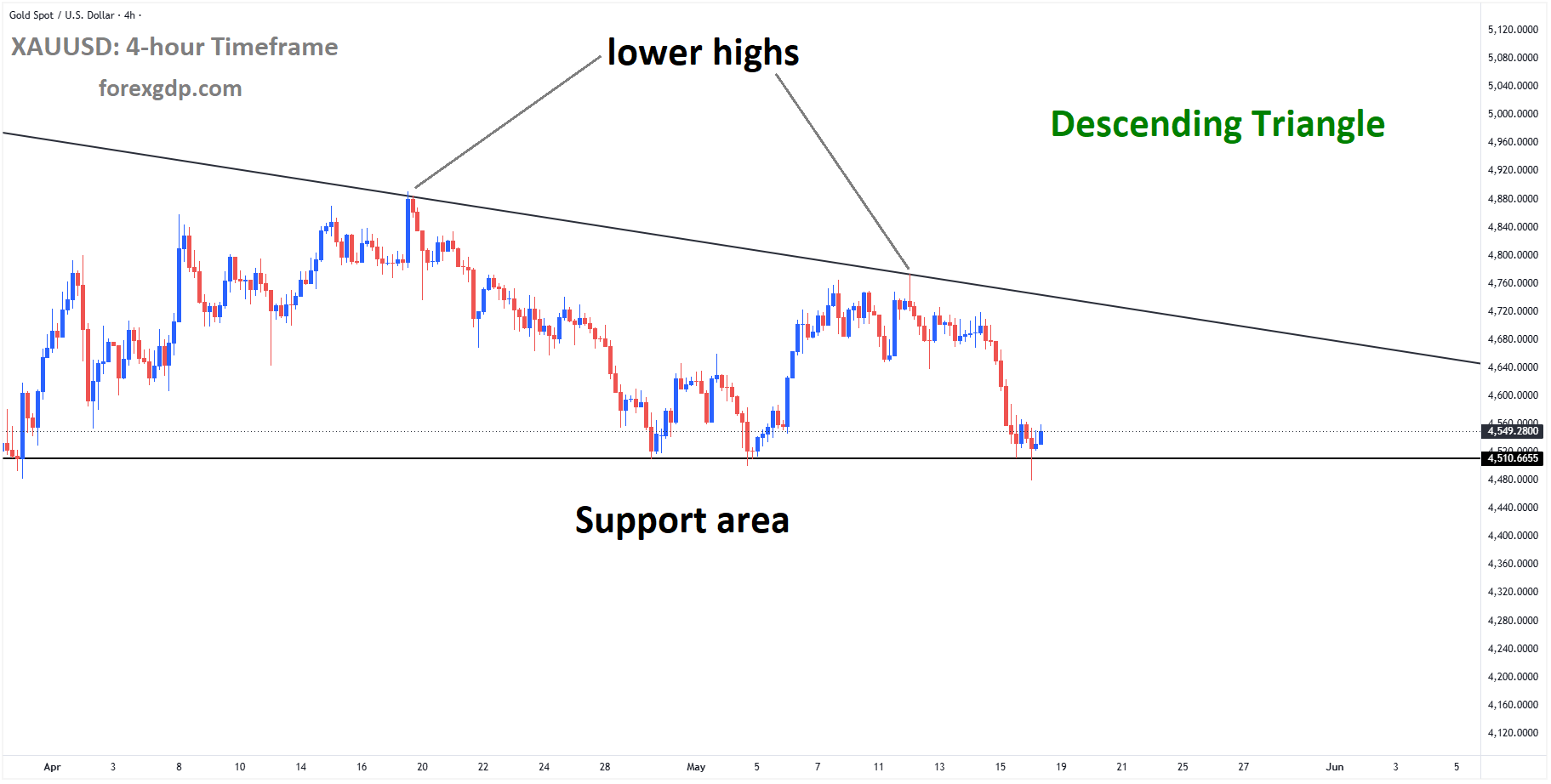
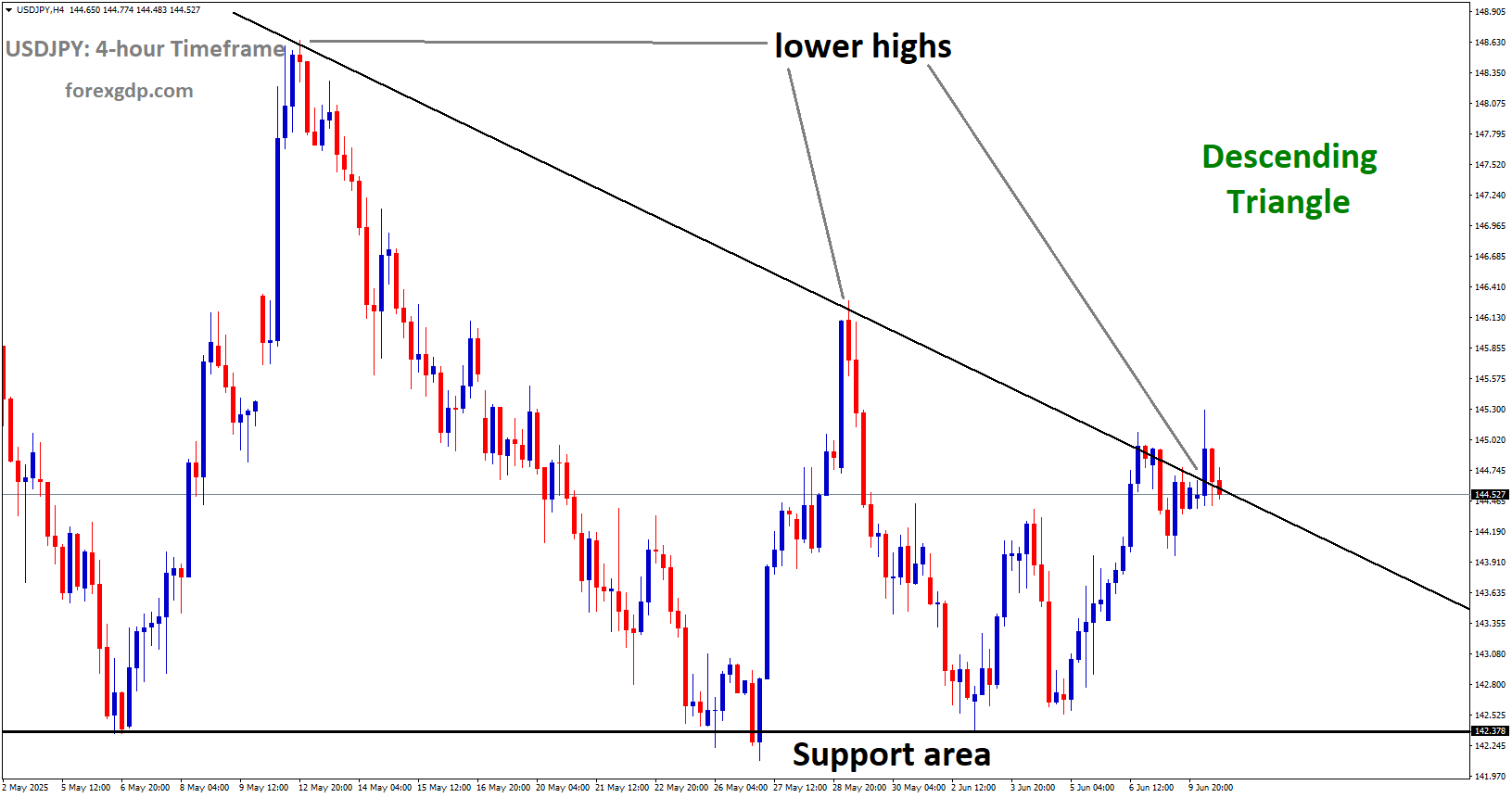
XAUUSD reached the support area of the descending triangle pattern
In India, gold dealers offered record discounts last week due to weaker local demand. Higher prices and changing market conditions appear to have reduced buying activity among consumers.
Meanwhile, China continues to show strong investment demand for physical gold. Premiums in the Chinese market have remained firm compared to global benchmark prices, indicating healthy investor interest.
However, strong physical demand from China may not be enough to provide significant support for global gold prices at the moment. Broader market factors such as rising geopolitical risks, inflation concerns, and expectations of higher US interest rates continue to dominate investor sentiment.
Summary
Gold prices attempted a modest recovery after reaching their lowest level in months, but strong pressure from the US Dollar and rising bond yields continues to limit gains. Growing tensions in the Middle East, combined with rising oil prices and inflation fears, are reinforcing expectations of tighter monetary policy from the Federal Reserve.
Investors remain focused on upcoming economic data and central bank signals, while geopolitical developments continue to create uncertainty across financial markets. Although physical demand for gold remains strong in some regions, broader macroeconomic conditions currently favor the US Dollar, making it difficult for gold to regain strong upward momentum.
Don’t trade all the time, trade forex only at the confirmed trade setups
Get more confirmed trade signals at premium or supreme – Click here to get more signals, 2200%, 800% growth in Real Live USD trading account of our users – click here to see , or If you want to get FREE Trial signals, You can Join FREE Signals Now!