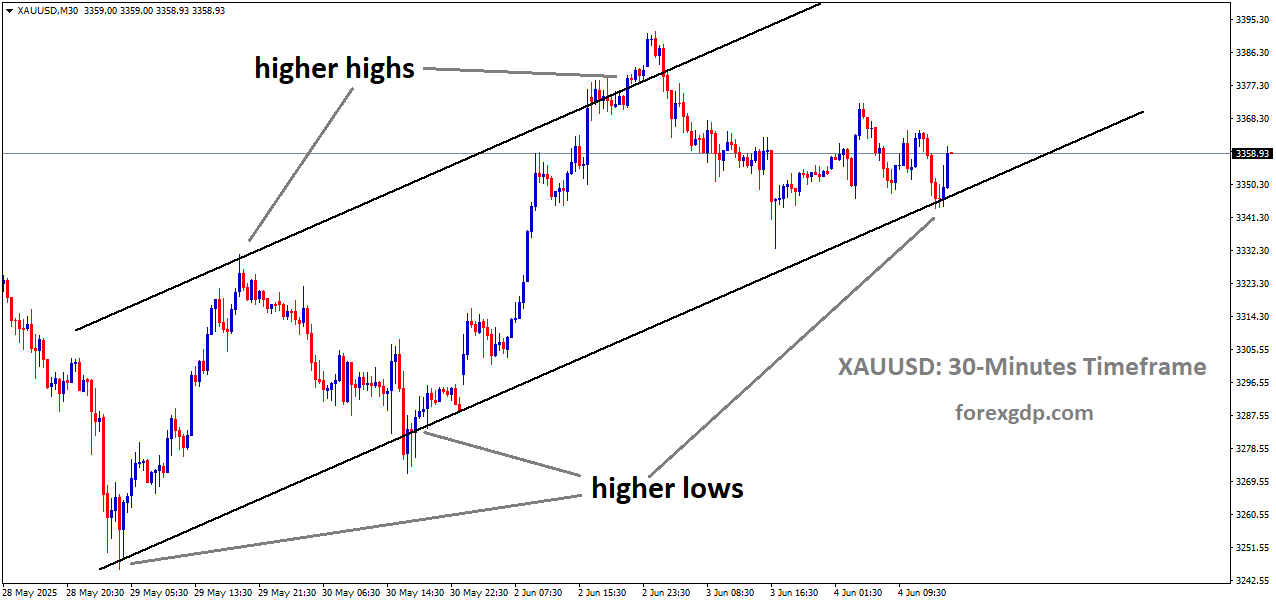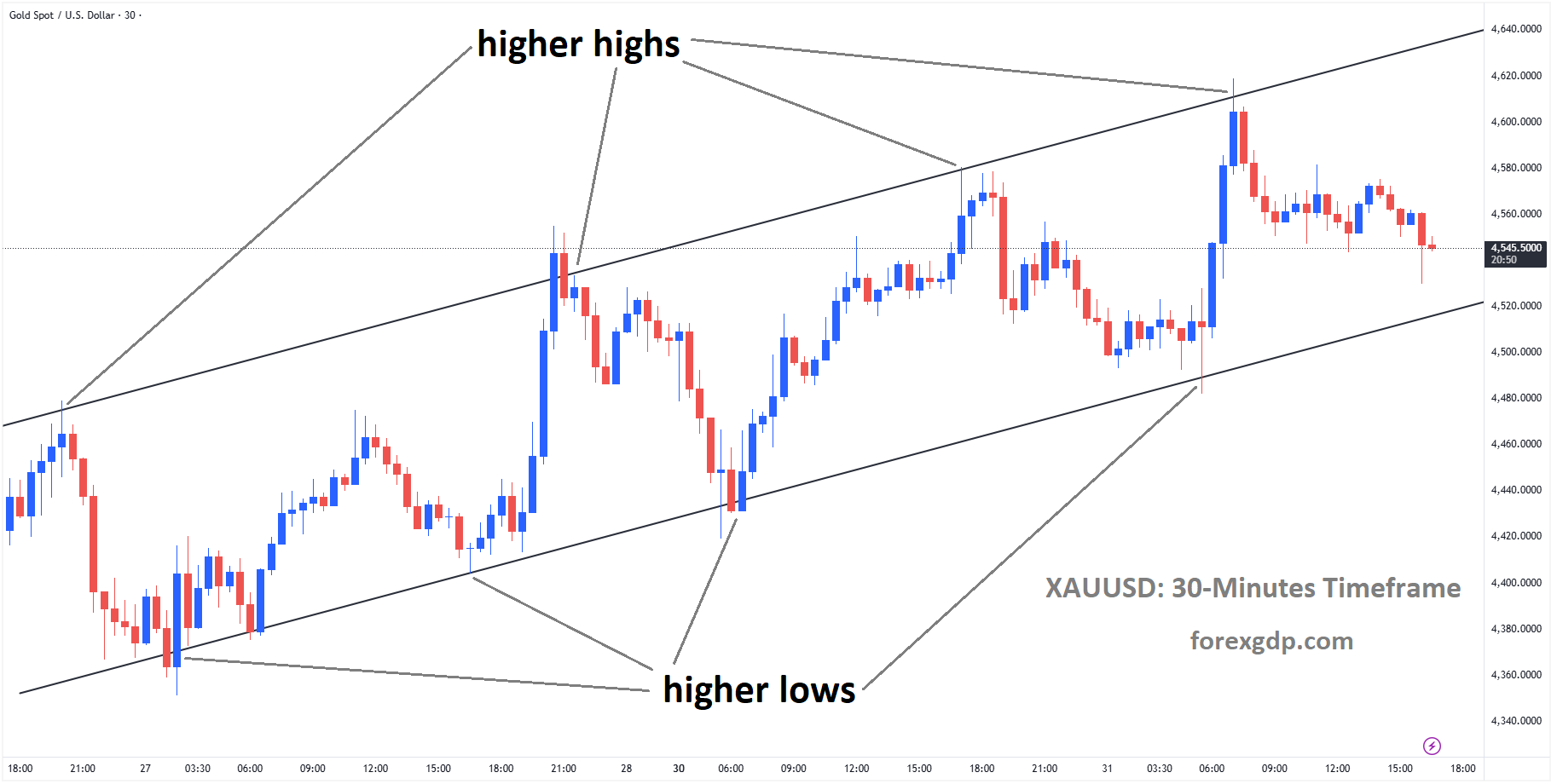
XAUUSD is moving in an ascending channel, and the market has fallen from the higher high area of the channel
Gold has been gaining attention again, moving higher for the third day in a row. This rise comes as the US Dollar shows signs of slowing down after reaching strong levels earlier in the year. At the same time, changing geopolitical developments and shifts in energy markets are influencing investor sentiment across the globe.
The situation is complex, with several factors pulling gold prices in different directions. From political signals in the Middle East to changing expectations around interest rates, each piece plays a role in shaping where gold might head next.
Why Gold Is Moving Higher
Gold often reacts strongly to changes in the US Dollar and global uncertainty. Recently, both of these factors have worked in its favor.
A modest pullback in the US Dollar has made gold more attractive. Since gold is priced in dollars, a weaker dollar makes it cheaper for buyers using other currencies. This tends to increase demand and support higher prices.
At the same time, reports suggesting that the United States may ease its military stance toward Iran have influenced the market. There are indications that efforts to reduce conflict are being considered, even if certain strategic routes like the Strait of Hormuz remain affected.
This shift in tone has had a ripple effect. Oil prices have dropped slightly as fears of supply disruptions ease. Lower oil prices can reduce concerns about rising inflation, which in turn affects how investors view currencies and safe-haven assets like gold.
The Role of Oil and Inflation Expectations
Oil prices and inflation are closely linked. When oil becomes more expensive, it can drive up costs across the economy, leading to higher inflation. On the other hand, when oil prices fall, inflation fears tend to ease.
In this case, the cooling of oil prices has reduced immediate concerns about rising inflation. This has placed pressure on US Treasury yields, which often move in response to inflation expectations. Lower yields can make gold more appealing because gold does not offer interest, so it competes better when returns on bonds are lower.
However, the situation is not entirely stable. While there are signs of easing tensions, uncertainty still remains. Iran has shown hesitation about entering direct talks with the United States, which keeps the overall geopolitical picture unclear.
Ongoing Geopolitical Uncertainty
Even though there are signals of possible de-escalation, the broader situation in the Middle East remains fragile. The United States continues to deploy additional military resources in the region, suggesting that tensions are far from fully resolved.
This uncertainty keeps markets on edge. When investors feel unsure about global stability, they often turn to gold as a safe store of value. This underlying demand helps support gold prices even when other factors may limit gains.
At the same time, the risk of renewed tension could push oil prices higher again. If that happens, inflation concerns could return quickly, creating another shift in market expectations.
Interest Rates and Central Bank Expectations
One of the biggest factors influencing gold right now is the outlook for interest rates.
Investors are increasingly expecting central banks, especially the US Federal Reserve, to maintain a firm stance on controlling inflation. There is a growing belief that interest rates could remain high or even rise further before the end of the year.
This expectation creates a challenge for gold. Higher interest rates tend to support the US Dollar and increase the appeal of interest-bearing assets like bonds. Since gold does not provide any yield, it can become less attractive in such an environment.
As a result, while gold is currently rising, its gains may be limited by these expectations. Traders are cautious, balancing the supportive factors against the pressure coming from interest rate outlooks.
The US Dollar’s Influence on Gold

The US Dollar remains a key driver of gold prices. Recently, the dollar has pulled back slightly from its earlier highs, allowing gold to move upward.
However, this trend may not last indefinitely. If strong economic data from the United States continues, it could support the dollar again. In such a case, gold may face renewed pressure.
Many traders believe that any dips in the dollar could attract buying interest, which would limit how much gold can rise. This creates a situation where gold benefits from short-term dollar weakness but faces resistance if the dollar strengthens again.
Key Economic Data and Market Focus
Market participants are closely watching upcoming economic data from the United States. Reports on job openings and consumer confidence are expected to provide fresh insights into the strength of the economy.
These data points matter because they influence expectations around interest rates. Strong data could reinforce the idea that rates will stay high, supporting the dollar and potentially slowing gold’s rise. On the other hand, weaker data could have the opposite effect.
In addition to economic reports, speeches from central bank officials are also important. Their comments can shape market expectations and trigger quick reactions in both currency and gold markets.
Balancing Forces in the Gold Market
Right now, gold is being influenced by a mix of supportive and limiting factors.
On the positive side:
- A weaker US Dollar is helping gold move higher
- Easing oil prices are reducing inflation concerns
- Ongoing geopolitical uncertainty is driving safe-haven demand
On the negative side:
- Expectations of higher interest rates are limiting gains
- A potential rebound in the US Dollar could pressure gold
- Uncertainty around global policy decisions keeps traders cautious
This balance is why gold is rising, but not sharply. The market is waiting for clearer signals before making stronger moves.
What to Watch Going Forward
The direction of gold in the coming days will depend on several key developments.
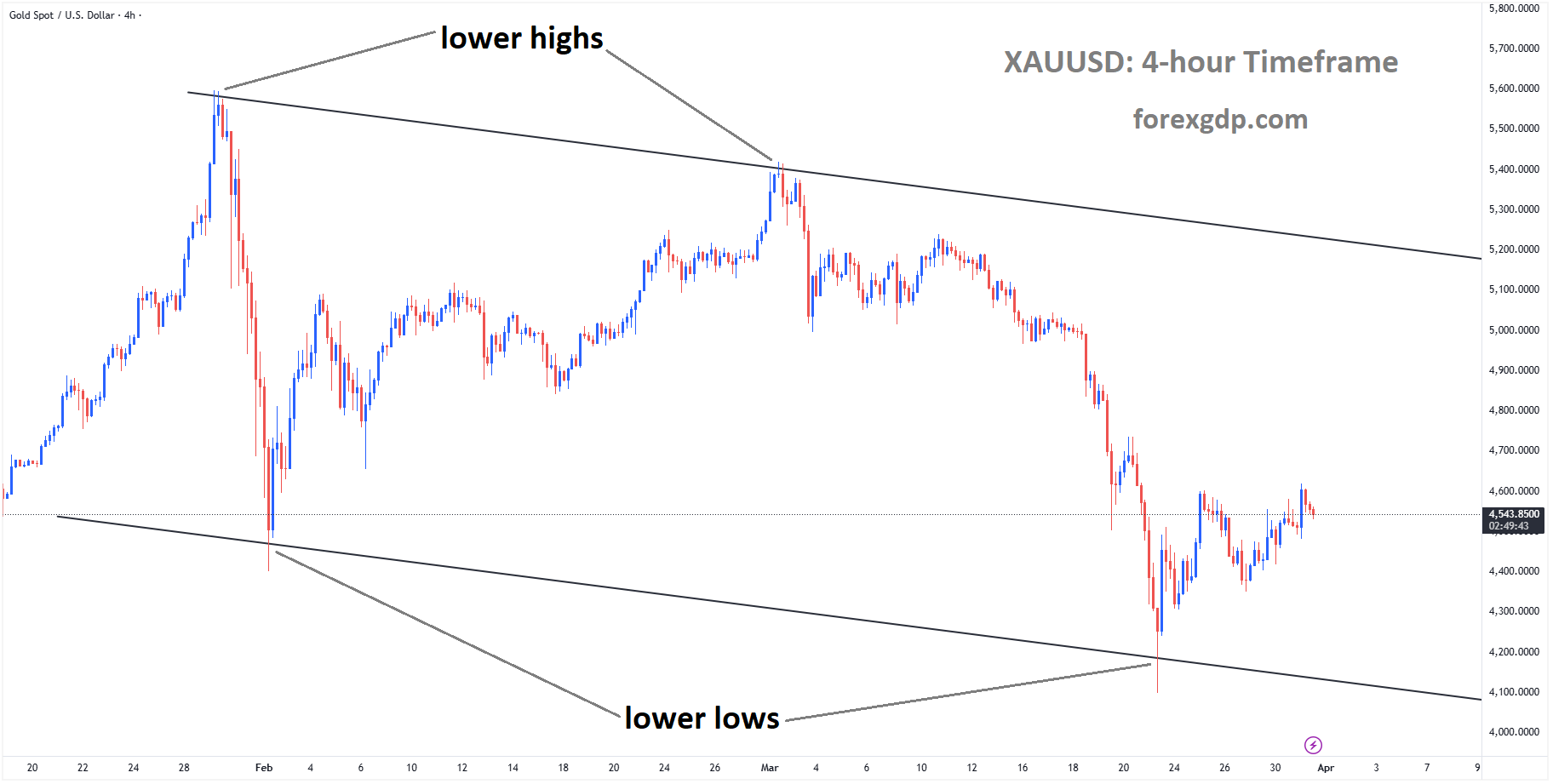
XAUUSD is moving in a descending channel, and the market has rebounded from the lower low area of the channel
Geopolitical updates will remain a major focus. Any progress toward reducing tensions in the Middle East could affect both oil prices and investor sentiment.
Economic data from the United States will also play a crucial role. Strong numbers could support the dollar, while weaker data may boost gold further.
Finally, central bank signals will continue to guide expectations. Investors are paying close attention to any hints about future rate decisions.
Final Summary
Gold is currently benefiting from a softer US Dollar and easing inflation concerns linked to lower oil prices. At the same time, ongoing geopolitical uncertainty is keeping demand for safe-haven assets alive.
However, expectations of higher interest rates and the possibility of a stronger dollar are acting as limits on gold’s upward movement. The market is in a delicate balance, with traders watching global events and economic data closely.
As these factors continue to evolve, gold is likely to remain sensitive to both economic signals and geopolitical developments, making it one of the most closely watched assets in the current environment.